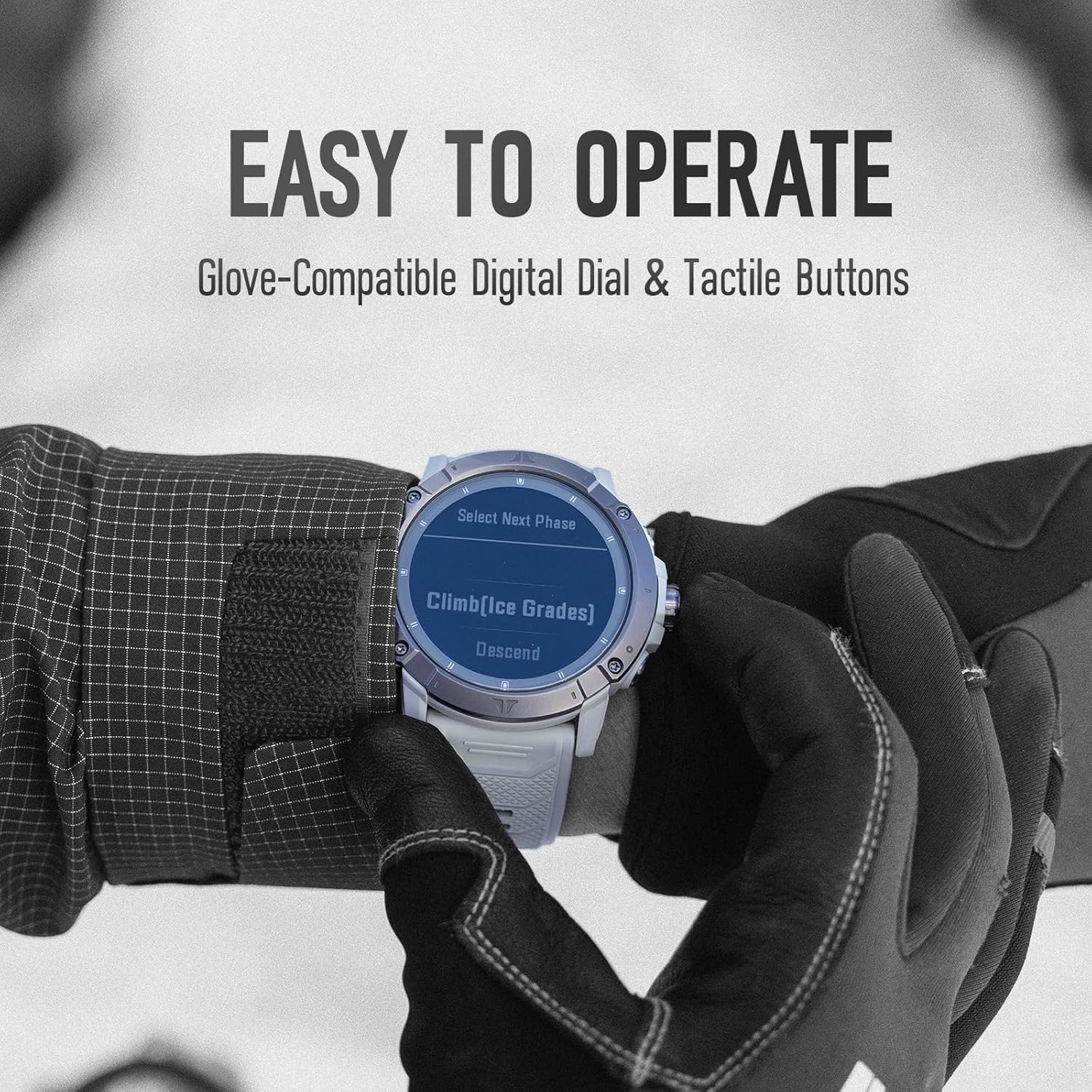
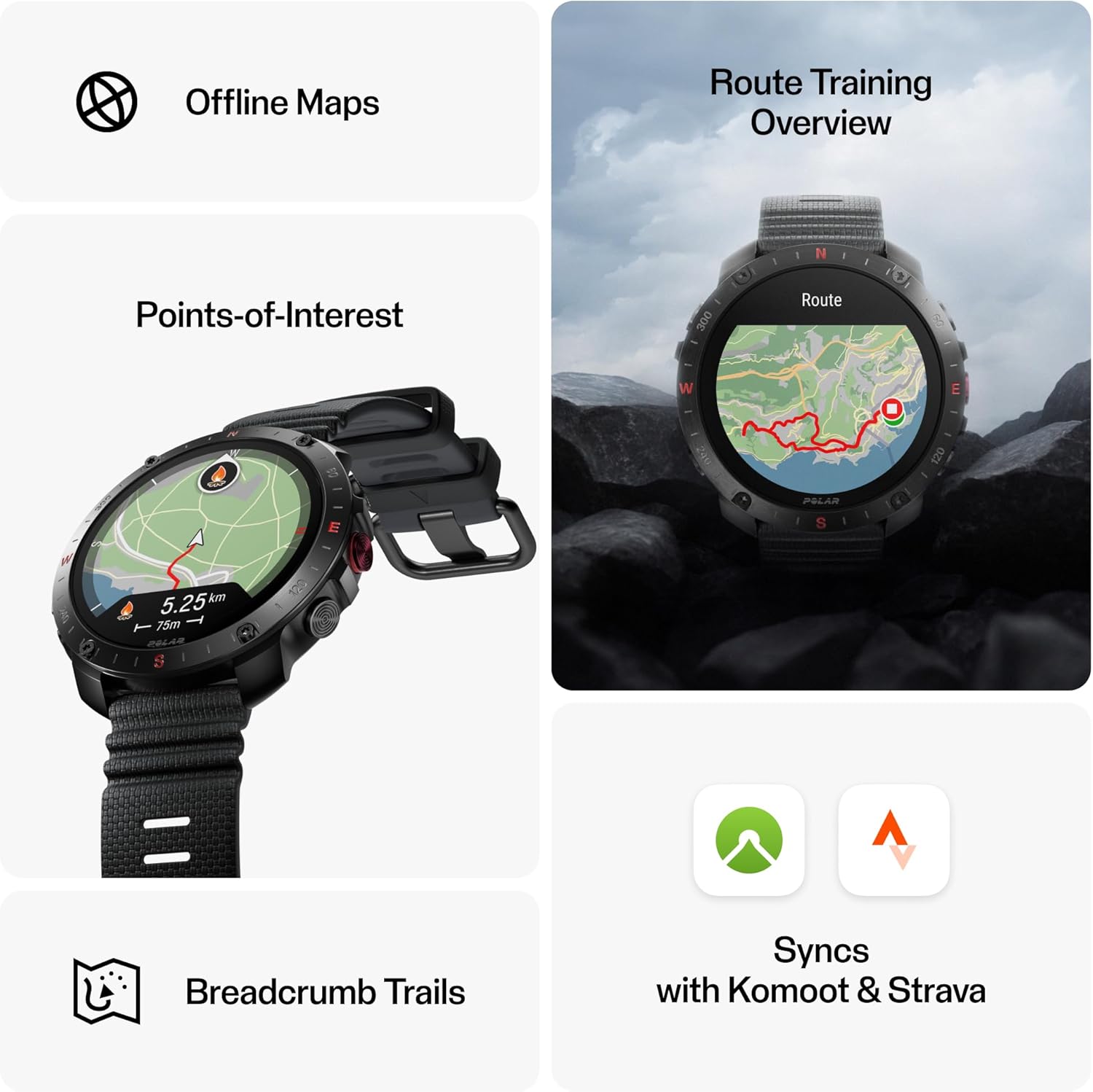
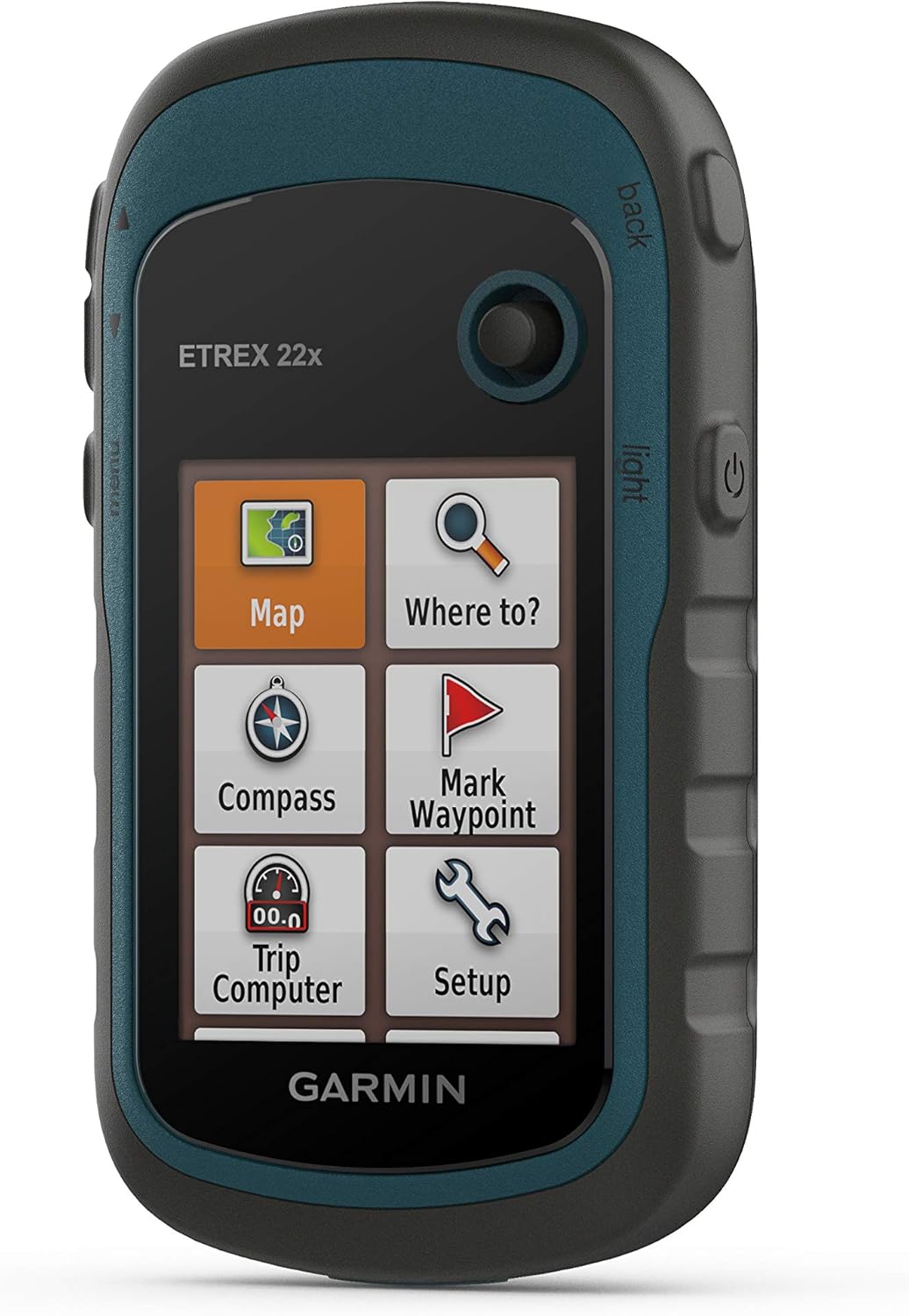
Key features that define the best GPS watches for hiking
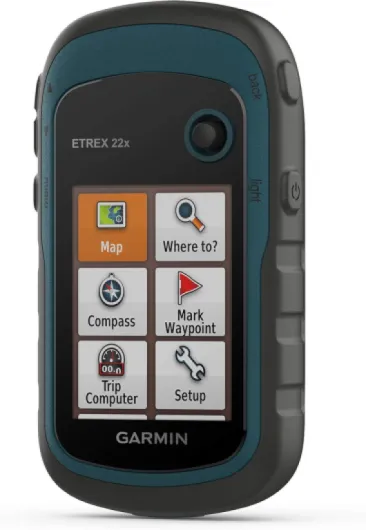
When you evaluate the best fitness trackers for hiking, start with GPS performance. A true best GPS hiking watch locks onto satellites quickly, maintains signal under tree cover, and records tracks that match the path you actually walked. Look for multi band GPS mode and support for several satellite systems if you often hike in deep valleys or dense forests.
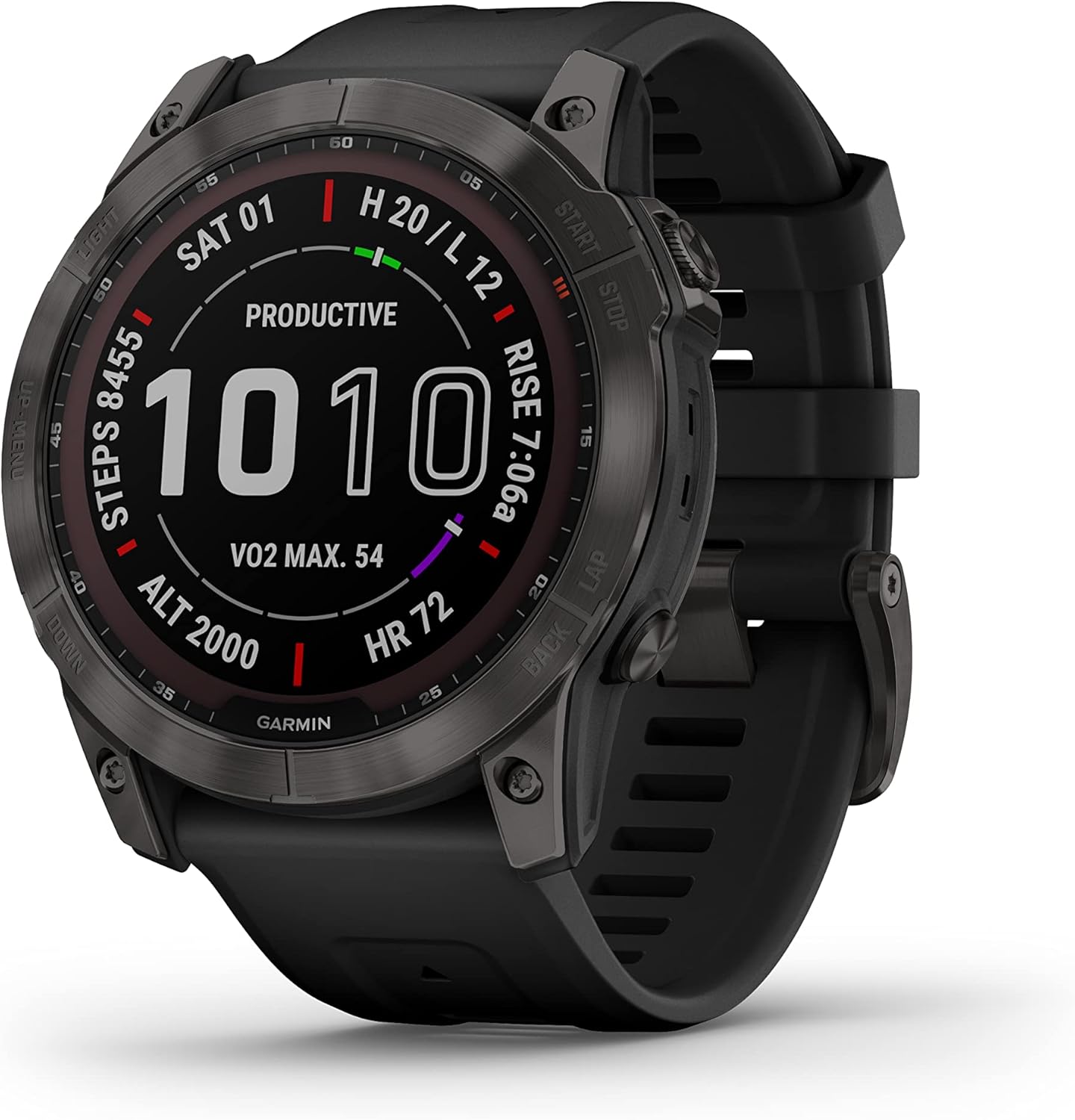
Battery life is the second pillar, because a dead watch on day two helps nobody. Many modern GPS watches offer different GPS mode profiles, trading ultra precise tracking for extra hours or even several days of recording, which is crucial on long treks. Review data from testers such as The5KRunner and Trail Runner Magazine, alongside Garmin’s own specifications, suggest that a Garmin Fenix 7X Solar can reach roughly 80–122 hours in reduced GPS modes, while a Coros Vertix 2 is rated for up to about 140 hours in its endurance profile under optimal conditions.
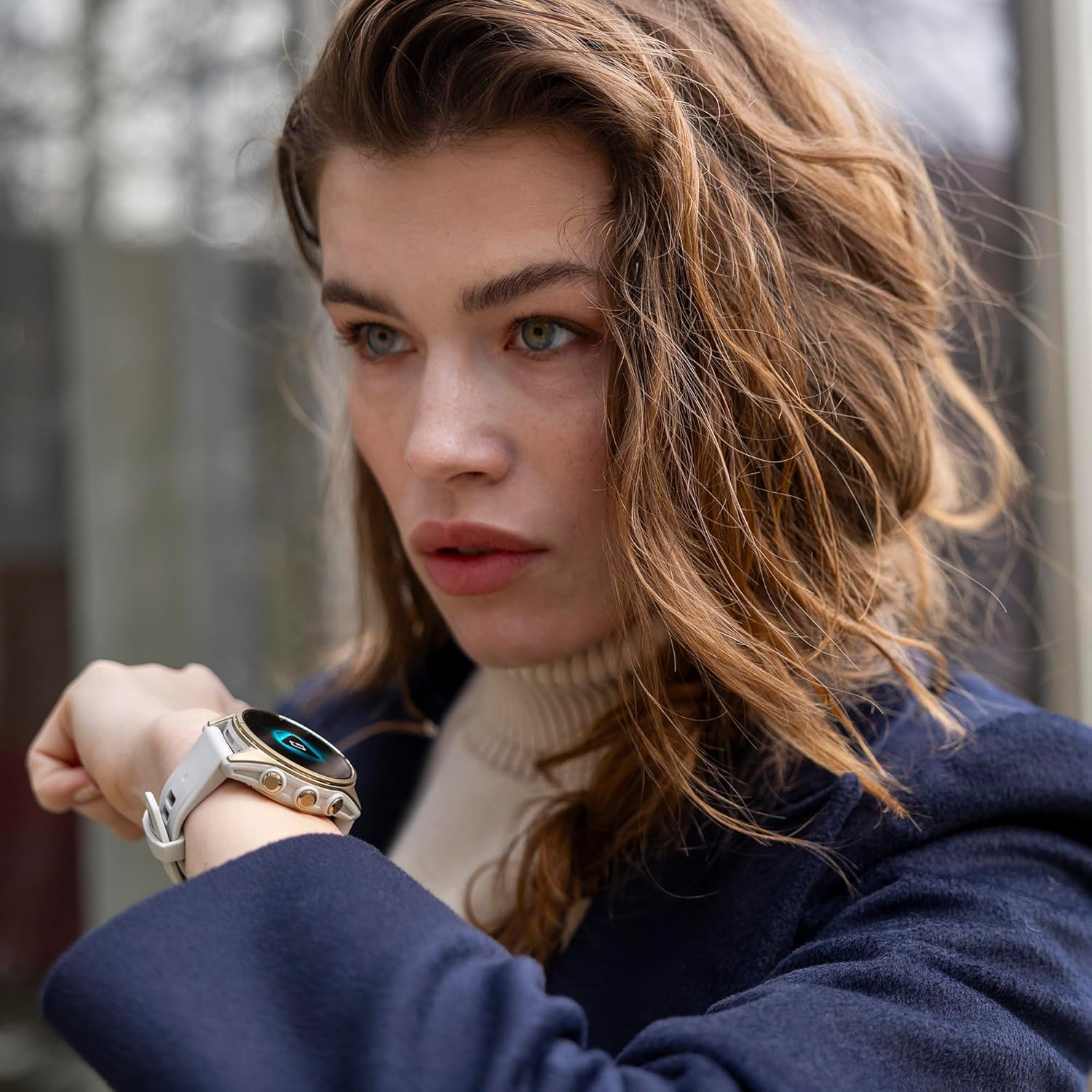
Comfort and readability matter just as much as raw specifications. A balanced watch size and display size ensure the device sits securely on your wrist without catching on jacket cuffs, while still giving you a screen large enough to read heart rate, altitude, and navigation prompts at a glance. If you hike in strong sunlight, an AMOLED display or AMOLED sapphire screen with high brightness can make maps and data fields easier to read, although these displays may consume more battery in full smartwatch mode.
Garmin hiking watch line up: Instinct, Fenix, and Forerunner
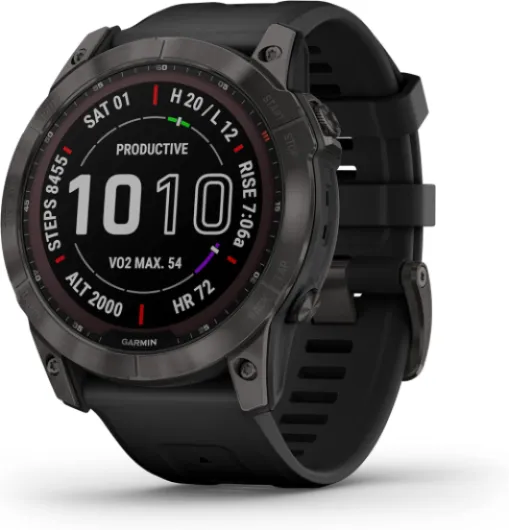
Garmin dominates many shortlists of the best fitness trackers for hiking because its GPS watches combine rugged design with mature mapping features. The Garmin Fenix series, especially a modern Garmin Fenix 7 with Fenix Solar options, targets hikers who want topographic maps, long battery life, and premium materials such as sapphire crystal glass. A Fenix hiking watch often includes advanced metrics for heart rate, training load, and recovery that appeal to mountain athletes who also run or cycle.
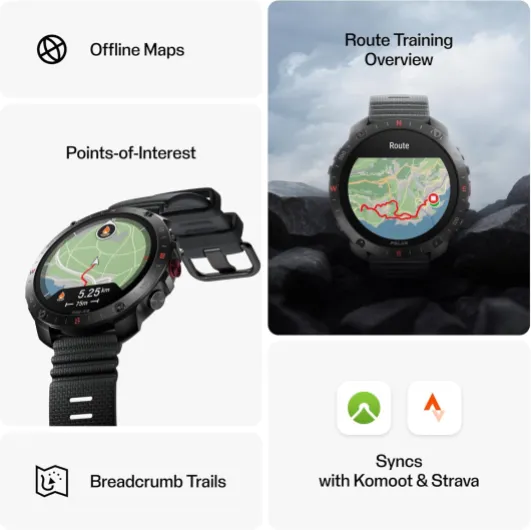
If you prefer a lighter watch, a Garmin Forerunner model with strong GPS mode can still rank among the best GPS choices for mixed road and trail use. While Forerunner watches are marketed to runners, many versions include hiking profiles, wrist based heart rate tracking, and breadcrumb navigation that work well on day hikes. For example, DC Rainmaker’s testing indicates that the Forerunner 955 typically delivers around 20–30 hours of full accuracy GPS, while the more compact Forerunner 255 sits closer to 20 hours, so always compare the stated battery life in hours for GPS mode and in days for smartwatch mode.
For rugged backcountry use, the Garmin Instinct and Garmin Instinct Solar lines focus on durability and simplicity. An Instinct Solar hiking watch uses solar panels around the display to stretch battery life, which can be valuable on multi day treks where charging is limited. When you read product pages or browse Amazon and REI listings, pay attention to case size, display size, and whether the specific Garmin Instinct version includes multi band GPS or only standard GPS mode.
Suunto and Coros: strong alternatives among the best fitness trackers for hiking
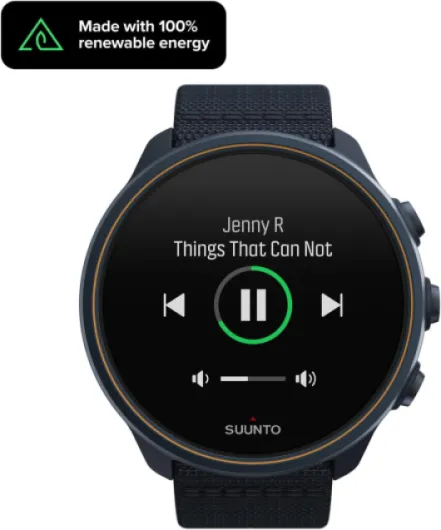
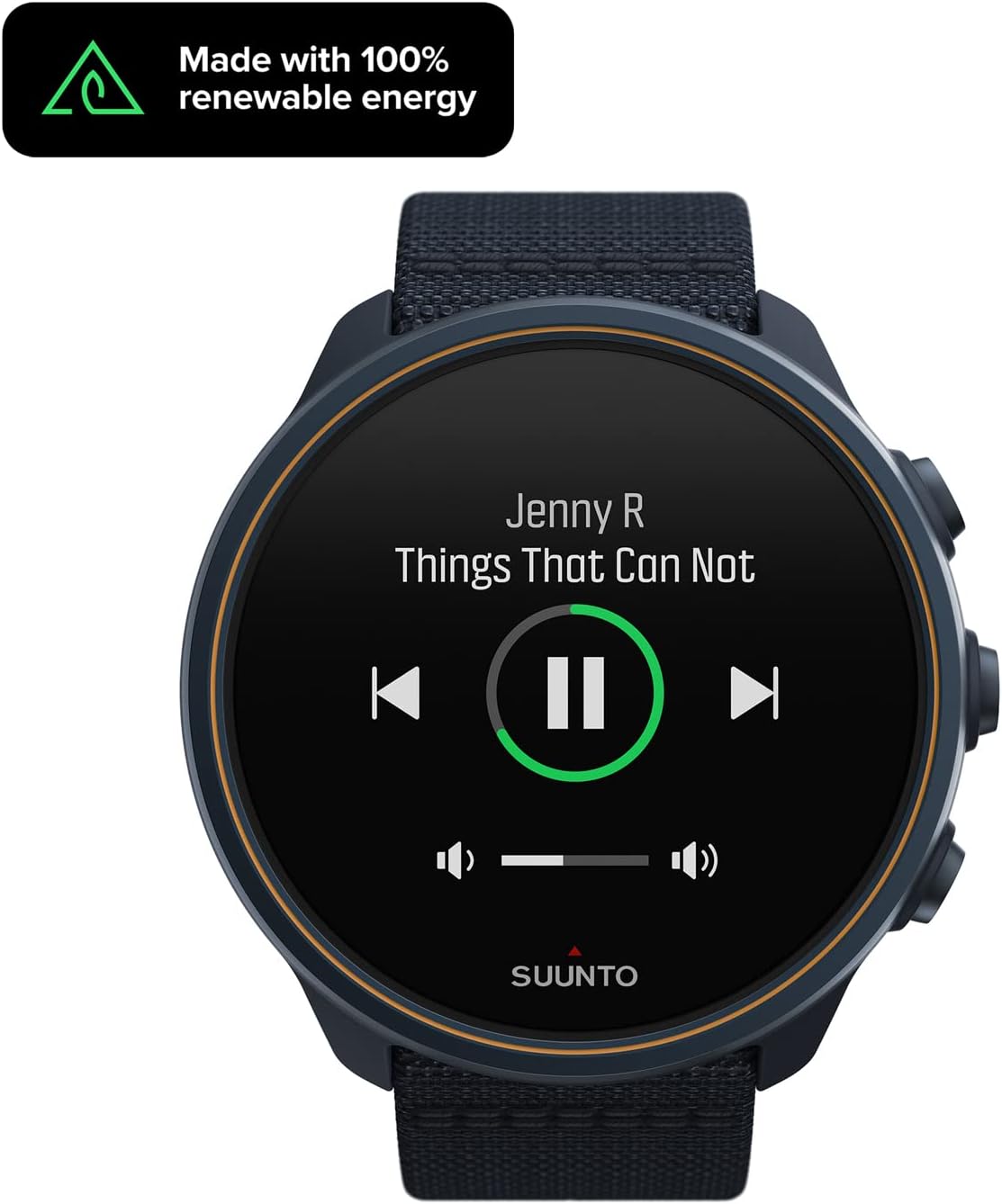
Not every hiker wants a Garmin watch, and Suunto and Coros both offer compelling alternatives among the best fitness trackers for hiking. Suunto GPS watches have a long heritage in mountaineering, with models that emphasize clear mapping screens, robust cases, and reliable altitude data. Many Suunto hiking watch options provide strong battery life in GPS mode, which suits multi day hut tours and backpacking trips.
Coros has built a reputation for exceptional endurance, and the Coros Pace line shows how a relatively light watch can still deliver long hours of tracking. A Coros Pace hiking watch may not have every premium feature, yet its combination of low price, efficient GPS mode, and accurate wrist based heart rate tracking makes it attractive for budget conscious hikers. When you compare Coros watches with Garmin or Suunto models, weigh the lower price against mapping depth, smartwatch mode functions, and the feel of the watch on your wrist.
Both Suunto and Coros focus heavily on training data and recovery insights. Their GPS watches collect detailed heart rate and pace information, then translate these data into guidance about how hard you can push on the next climb without compromising long term life balance. If you often hike for many hours at a steady rate, these analytics can help you understand how your body responds to altitude, heat, and heavy packs over several days.
Display, materials, and comfort on the trail
Screen technology has become a major differentiator among the best fitness trackers for hiking, because visibility and durability directly affect usability. An AMOLED display offers deep contrast and vivid colors, which makes maps, heart rate graphs, and altitude profiles easier to read at a glance. Some premium GPS watches combine an AMOLED display with sapphire crystal glass, marketed as AMOLED sapphire, to resist scratches from rocks and gear.
However, bright screens can reduce battery life, especially in always on smartwatch mode, so hikers must balance aesthetics against endurance. Transflective displays, common on many Garmin Fenix and Garmin Forerunner models, remain readable in strong sunlight while consuming less power in GPS mode, which extends usable hours on long routes. When you compare display size, remember that a larger screen improves map readability but also increases overall watch size and weight on your wrist.
Comfort over many days matters more than you might expect. A hiking watch that feels fine in a shop can become annoying after ten hours of swinging trekking poles, so consider strap flexibility, case thickness, and how the watch fits under rain jackets. If possible, try several watches in person, check Amazon or REI customer photos to judge real world size, and think about whether you prefer a compact watch for everyday life or a larger tool style device reserved for mountain days.
How to match features, battery, and price to your hiking life
Choosing among the best fitness trackers for hiking ultimately means aligning features, battery performance, and price with how you actually spend your days outdoors. If you mostly take half day hikes near home, a mid range GPS watch with solid heart rate tracking and moderate battery life in GPS mode will be enough. For multi day treks or thru hikes, prioritize watches with solar charging, extended GPS profiles, and battery estimates expressed clearly in both hours and days.
Price differences between watches often reflect materials, mapping depth, and advanced training features rather than basic GPS accuracy. A premium Garmin Fenix Solar with sapphire crystal and AMOLED sapphire display may cost significantly more than a simpler Garmin Instinct Solar or Coros Pace, yet all three can record reliable GPS tracks and heart rate data for typical hikes. As a simple rule of thumb, day hikers usually get the best value from lighter mid range models with good comfort and notifications, while thru hikers and alpine trekkers benefit most from rugged, map equipped watches with multi day GPS endurance.
Think about your broader life beyond the trail as well. If you want one watch for office, gym, and mountains, a sleek hiking watch with strong smartwatch mode, contactless payments, and notifications may fit better than a purely rugged tool. On the other hand, if you already wear a separate everyday watch, you might favor a dedicated GPS watch that lives in your pack, optimized purely for long battery life, clear data, and reliability when conditions turn harsh.
Key statistics about hiking watches and outdoor tracking
- Market analyses from major research firms report that outdoor GPS watches and hiking watch models now represent a significant share of the global sports watch segment, reflecting growing interest in hiking and trail running.
- Independent battery tests on popular Garmin, Suunto, and Coros GPS watches, combined with official specifications, show that real world GPS mode endurance often reaches between about 25 and 90 hours for standard profiles, with specialized low power modes extending beyond that range.
- Studies on wrist based heart rate sensors indicate that modern optical systems can achieve accuracy within a few beats per minute for steady hiking, though chest straps still perform better during sudden intensity changes.
- Consumer surveys consistently rank battery life, GPS accuracy, and comfort on the wrist as the three most important purchase criteria for people comparing the best fitness trackers for hiking.