Key features that define the best ring fitness trackers today
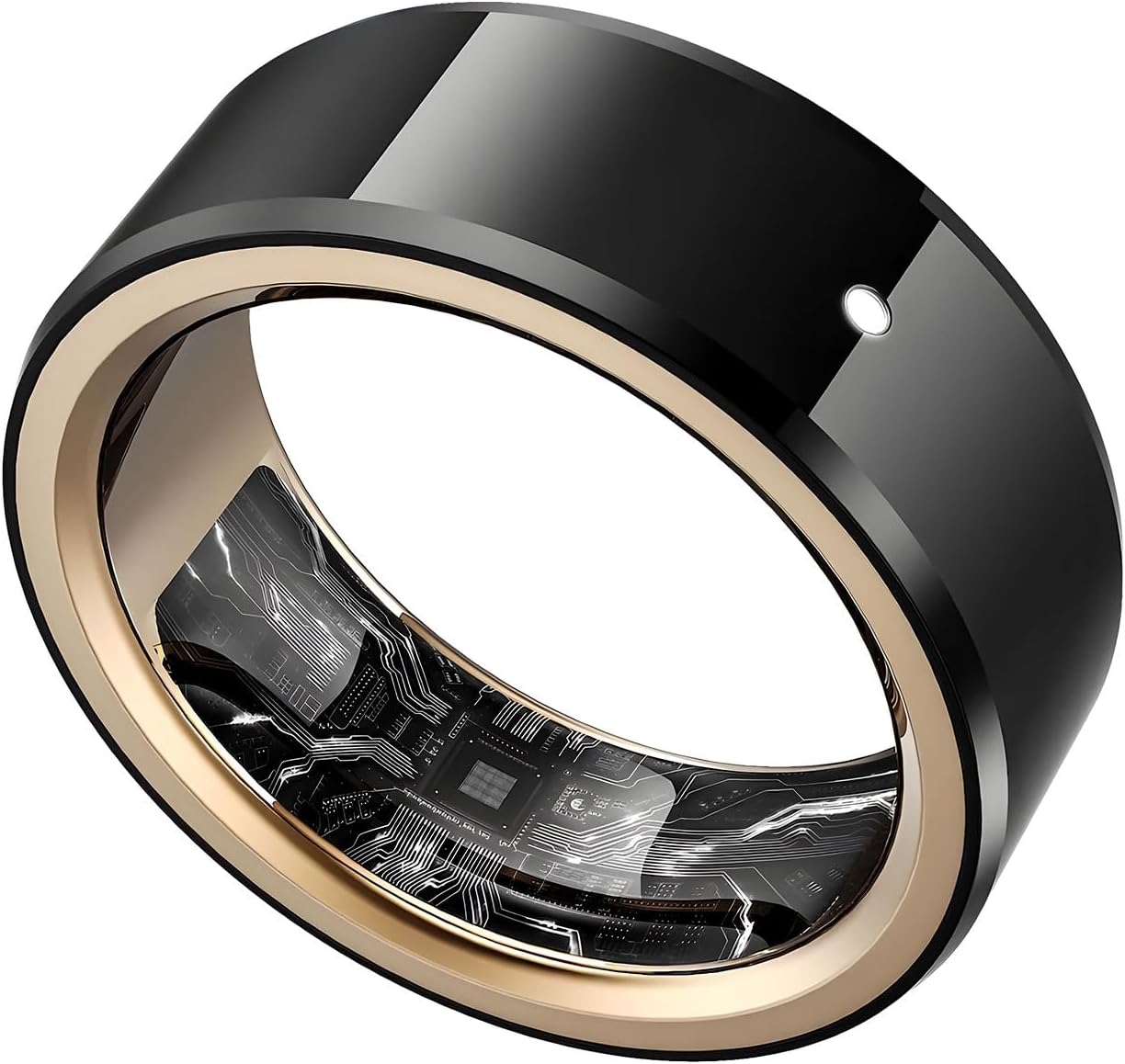
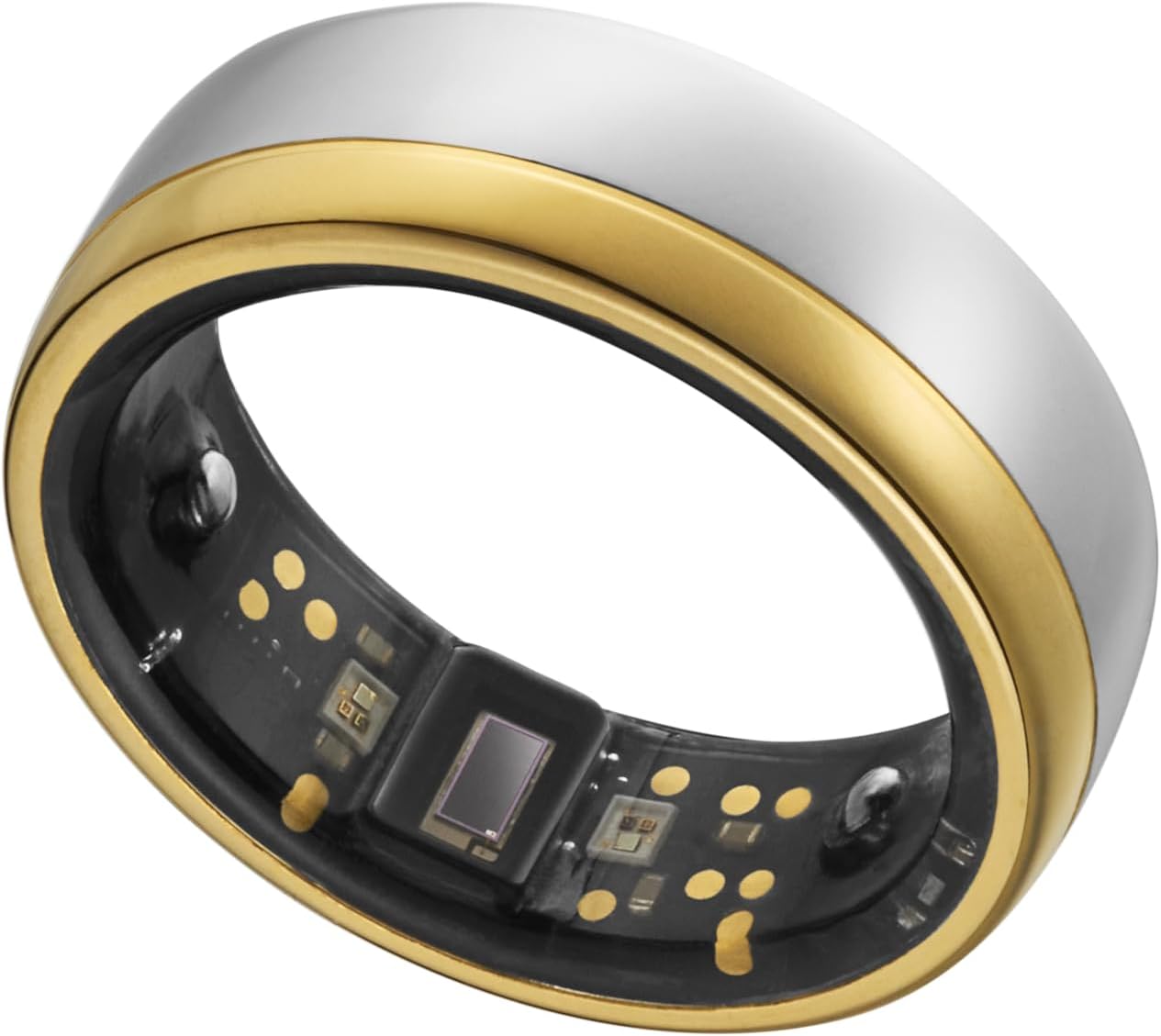
To understand the best ring fitness trackers, start with sensors and data quality. A smart ring must measure heart rate, heart rate variability, sleep stages, and often blood oxygen to provide meaningful health insights. Leading devices such as the oura ring, ultrahuman ring, and ringconn gen models all focus heavily on accurate tracking during both day and night.
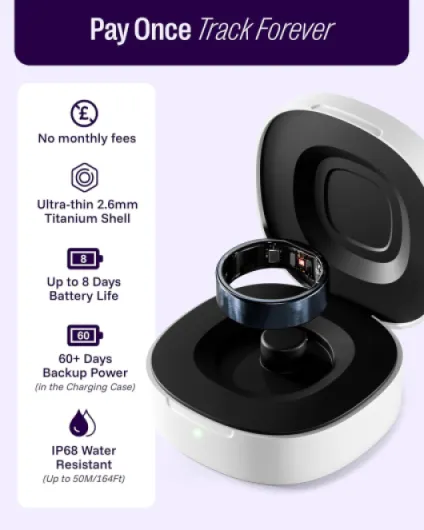
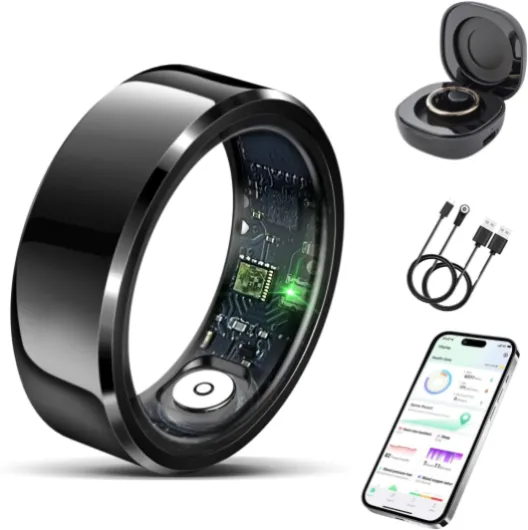
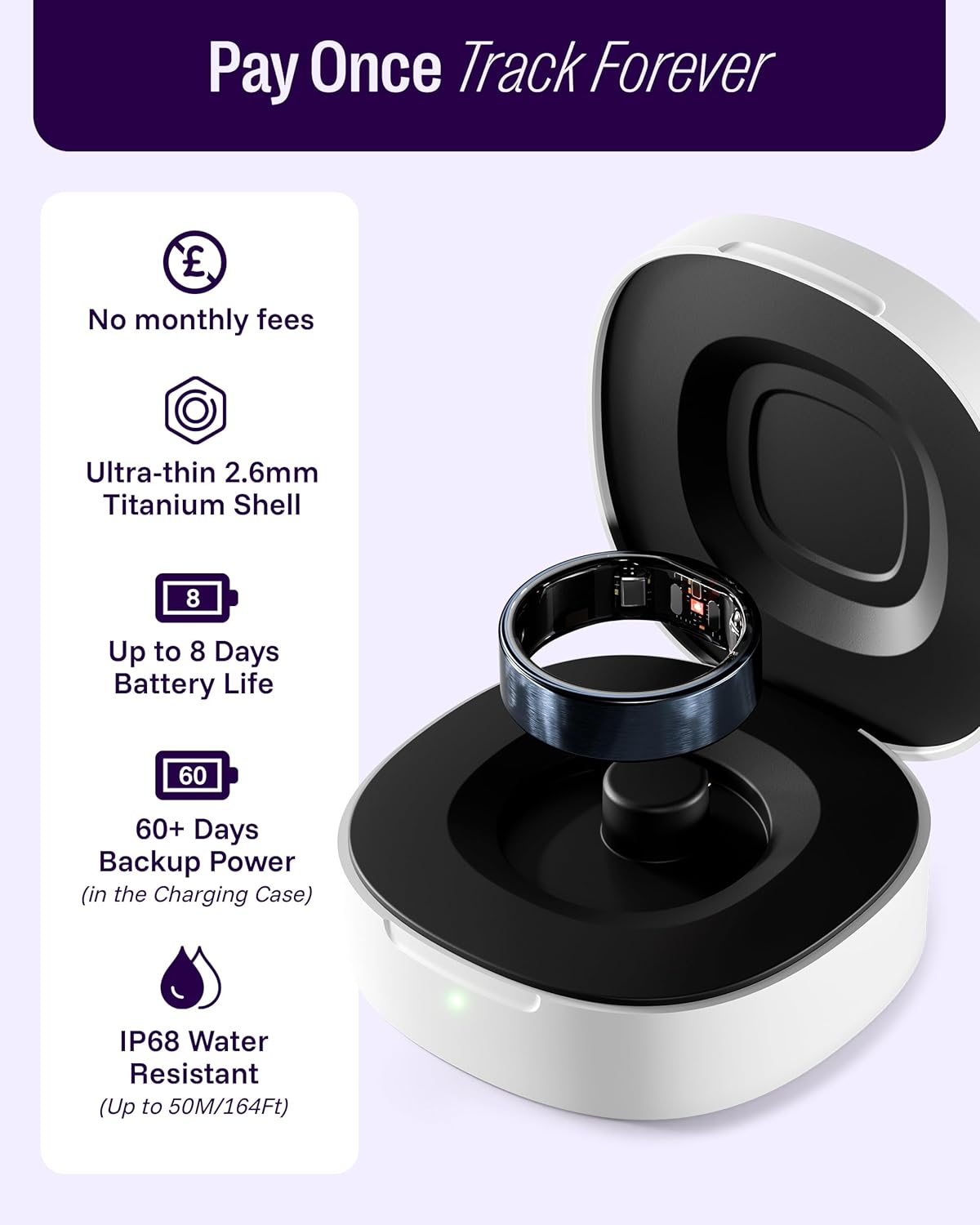
Battery performance is another decisive factor when comparing smart rings. Many users expect at least four to six days of battery life from a ring air style device, a galaxy ring, or a circular ring, because frequent charging quickly becomes annoying. Some brands include a compact charging case that doubles as storage, which helps protect the rings and keeps them ready for travel.
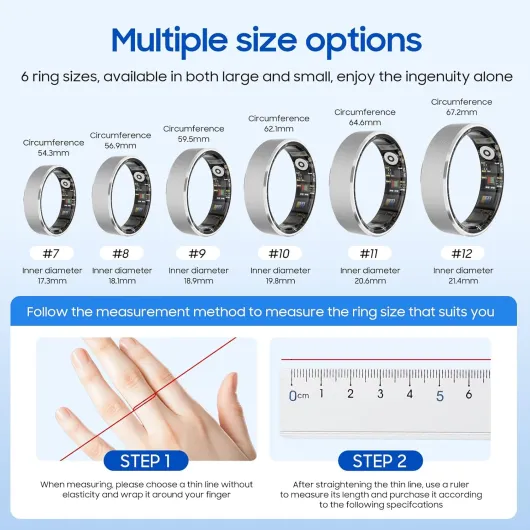
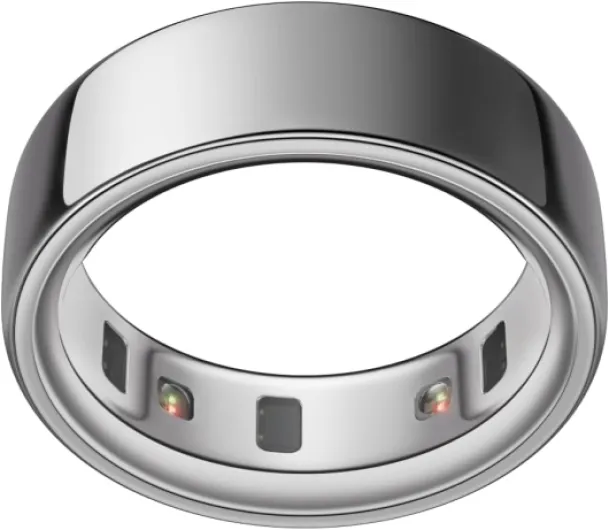
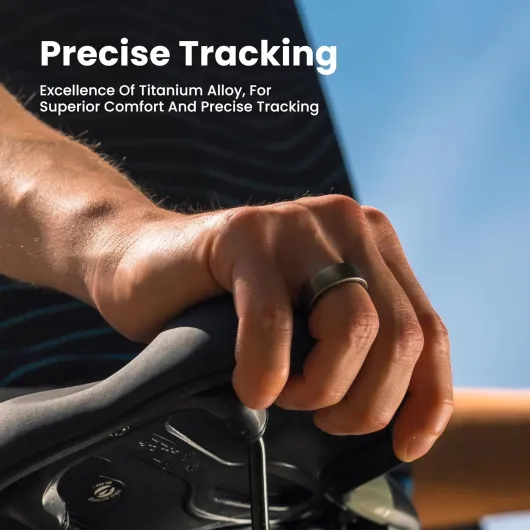
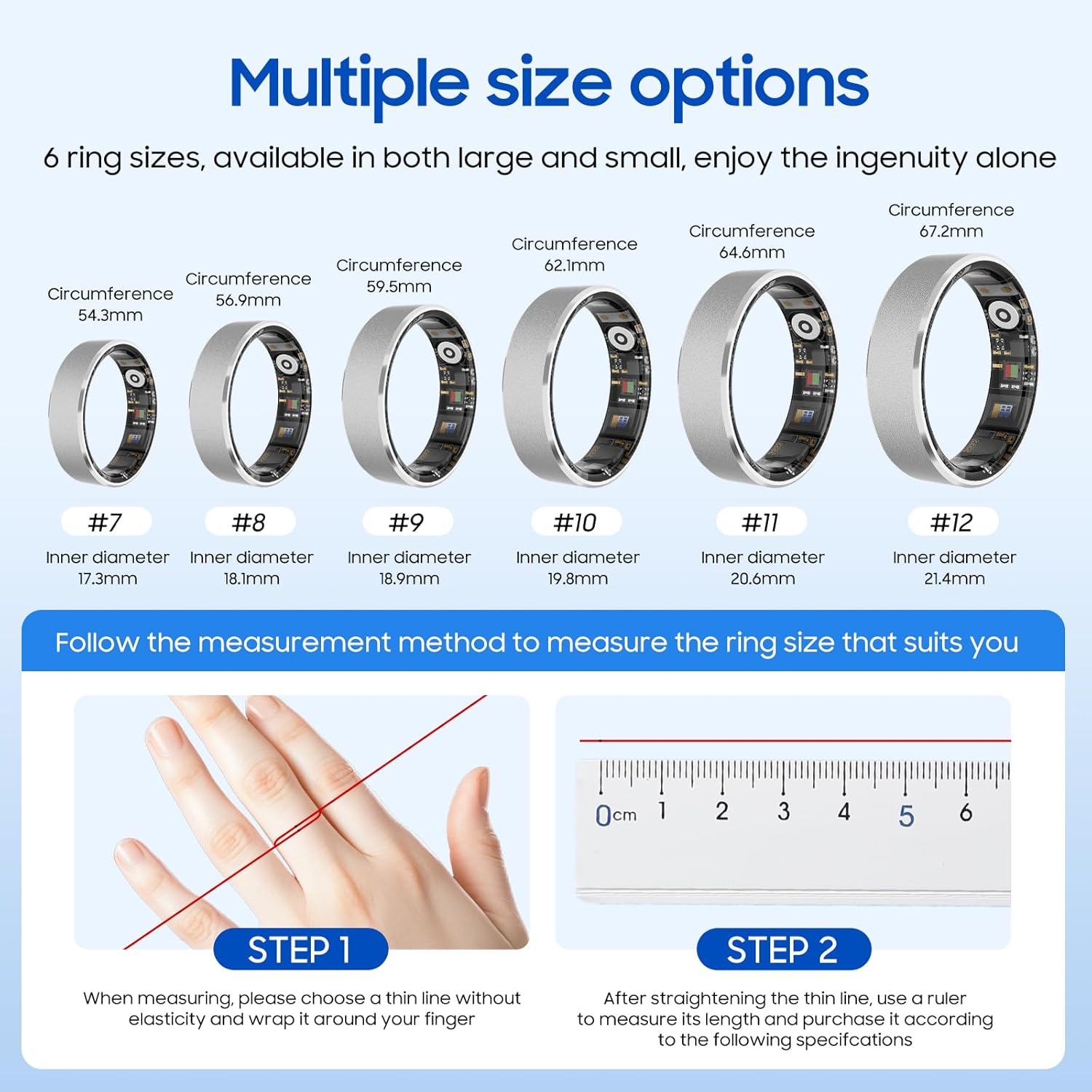
Design and comfort matter just as much as raw fitness features. The best smart ring options offer multiple sizes, neutral colors, and a low profile design that does not catch on clothing or gym equipment. People who already wear an apple watch or other fitness trackers often choose a subtle smart ring to avoid screen fatigue while still collecting health data.
Subscription models also influence long term satisfaction with any smart ring. Some platforms require a monthly subscription to unlock advanced sleep, recovery, and readiness scores, while others include all features in the purchase price. Before committing, compare the total cost of ownership, including potential discounts similar to those highlighted in special fitness tracker savings guides, because ongoing fees can exceed the initial price over time.
How sleep, recovery, and stress tracking work in smart rings
Sleep analysis is where the best ring fitness trackers often outperform watches. A smart ring sits close to the skin and remains stable during the night, which helps sensors capture precise heart rate and movement data. Devices such as the oura ring, ultrahuman ring, and ringconn gen models use this data to estimate sleep stages and nightly recovery.
Many smart rings now track blood oxygen during sleep to flag potential breathing irregularities. When combined with heart rate variability and resting heart rate, this blood oxygen data helps estimate how well your body recovered from daily stress and exercise. The app then translates complex data into simple readiness or recovery scores that guide training intensity.
Women’s health is another growing focus in the smart ring category. Products like the evie ring aim to tailor health and fitness insights to female physiology, while other brands refine their algorithms for menstrual cycle awareness. These features can make a ring best suited to women who feel underserved by generic fitness trackers and some apple watch metrics.
Daily stress tracking also benefits from continuous data collection. A smart ring or multiple smart rings worn over time can reveal patterns in heart rate variability that correlate with work pressure, poor sleep, or intense training. Students and budget conscious users can sometimes offset costs through targeted offers similar to those explained in student focused fitness tracker discounts, making advanced recovery tracking more accessible.
Comparing leading smart ring brands and generations
When evaluating the best ring fitness trackers, it helps to compare how each brand balances design, data, and subscription. The oura ring remains one of the most recognized names, with multiple gen versions refining sensors, comfort, and app insights over time. Some users even refer to their device as ring oura, underlining how closely they associate the ring with their daily health routine.
Ultrahuman ring models focus strongly on metabolic health and performance, often integrating with nutrition and training guidance. The phrase oura ultrahuman sometimes appears in discussions where people compare these ecosystems, because both target users who want deep recovery and sleep analytics. Ringconn gen devices, by contrast, often emphasize value, offering strong battery life and comprehensive tracking without always requiring a heavy subscription.
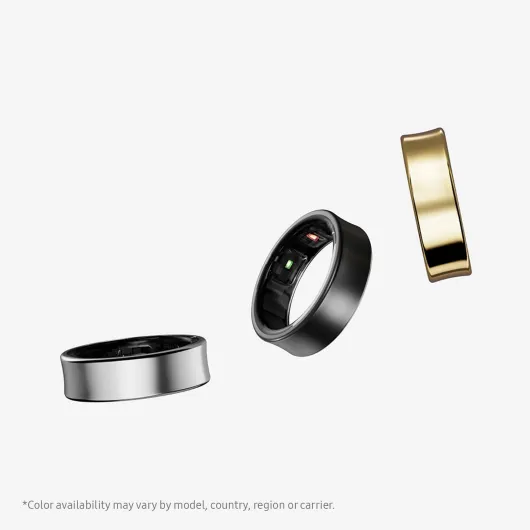
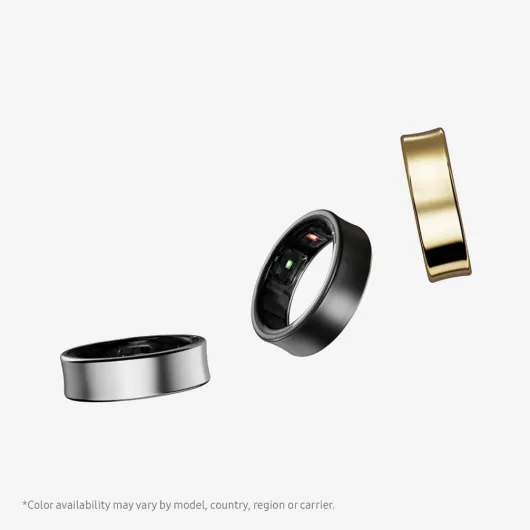
Newer entrants such as ring air concepts, circular ring devices, and the anticipated samsung galaxy ring or galaxy ring lines push the category toward broader mainstream adoption. These smart rings aim to integrate tightly with existing smartphone ecosystems, much like an apple watch does for wrist based fitness trackers. For some users, this ecosystem integration can be as important as raw sensor accuracy.
Specialized options like the evie ring highlight how the market is segmenting by user needs. People who prioritize women’s health, discreet design, and comfortable rings for small fingers may find these devices more appealing than a larger smart ring. For athletes who still need advanced GPS and sport profiles, pairing a ring with a robust multisport watch such as those reviewed in premium multisport GPS smartwatch tests can deliver the best overall fitness experience.
Practical buying advice for choosing the ring best suited to you
Selecting the best ring fitness trackers starts with clarifying your priorities. If sleep and recovery matter most, focus on devices with proven sleep staging, reliable heart rate, and detailed app insights. The oura ring, ultrahuman ring, and ringconn gen families all compete strongly in this recovery focused space.
Battery life and charging convenience should come next in your checklist. A ring air style device, a circular ring, or a galaxy ring with a compact charging case can make travel and daily wear much easier. Aim for smart rings that offer at least five days of battery life, because frequent charging undermines the always on health promise.
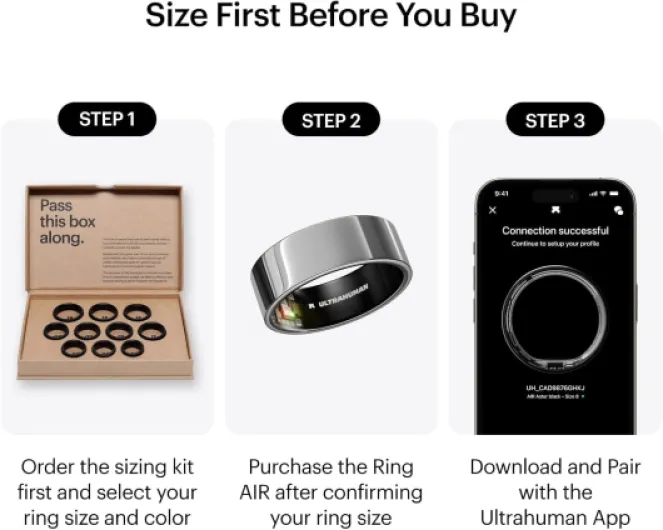
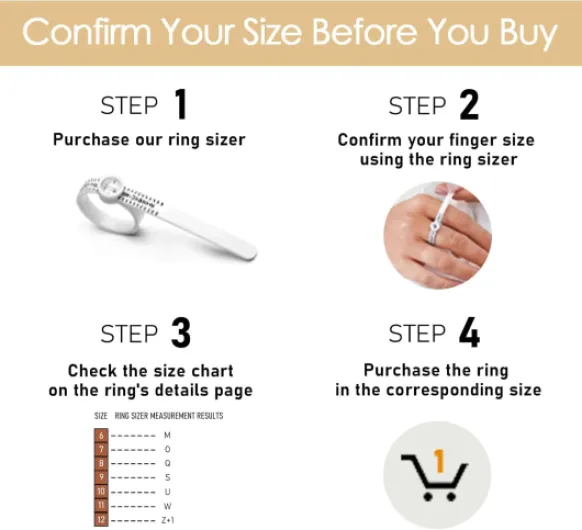
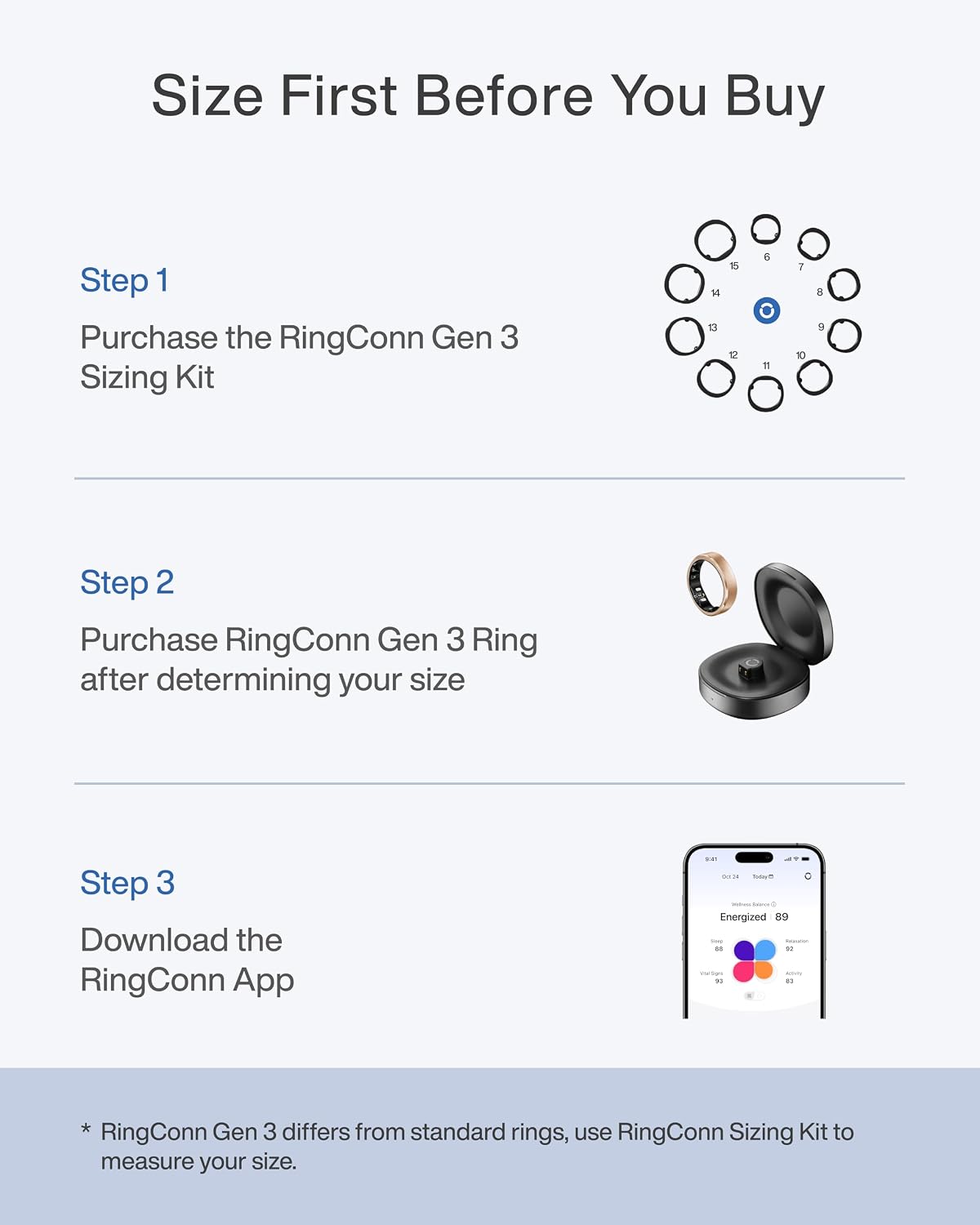
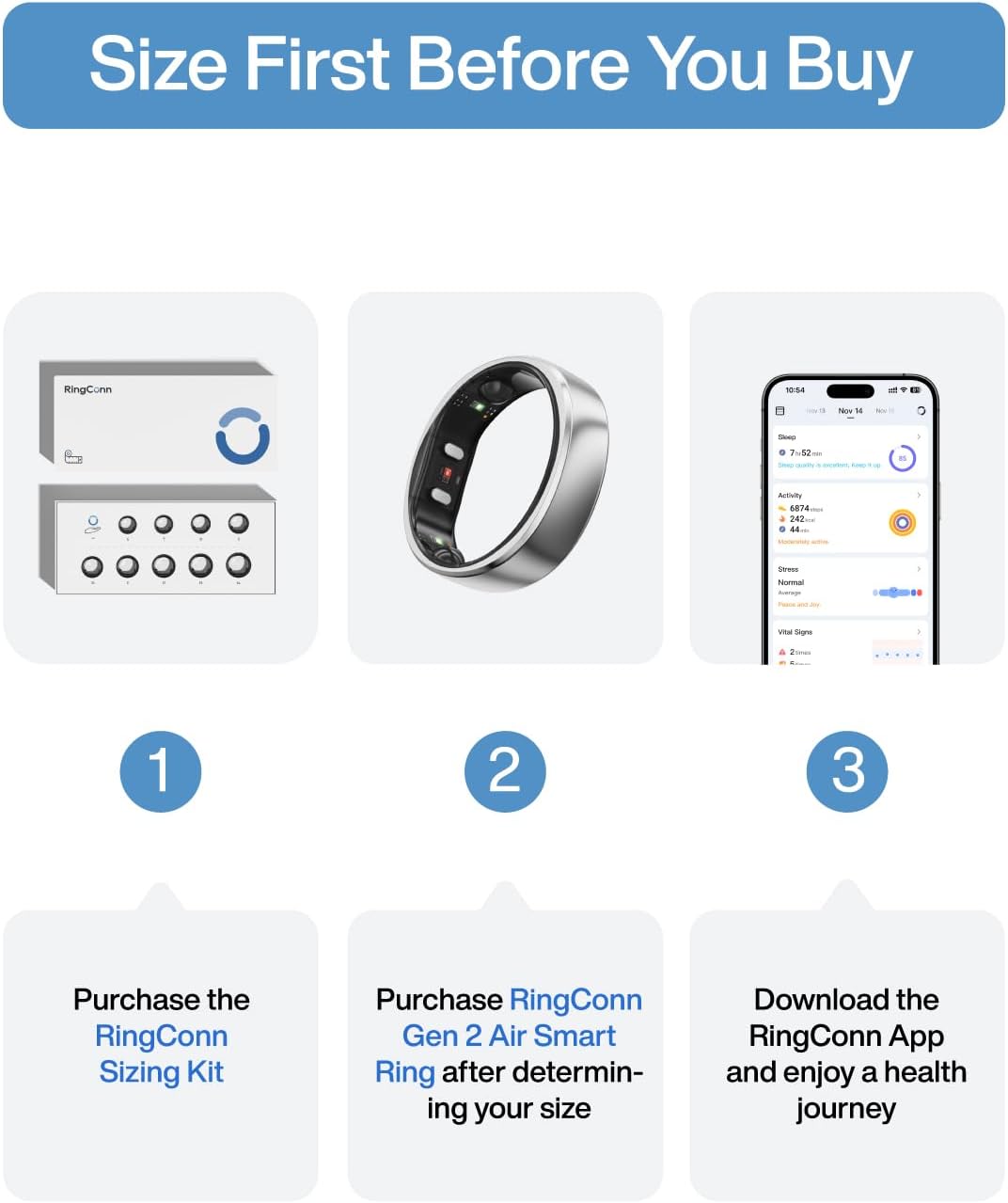
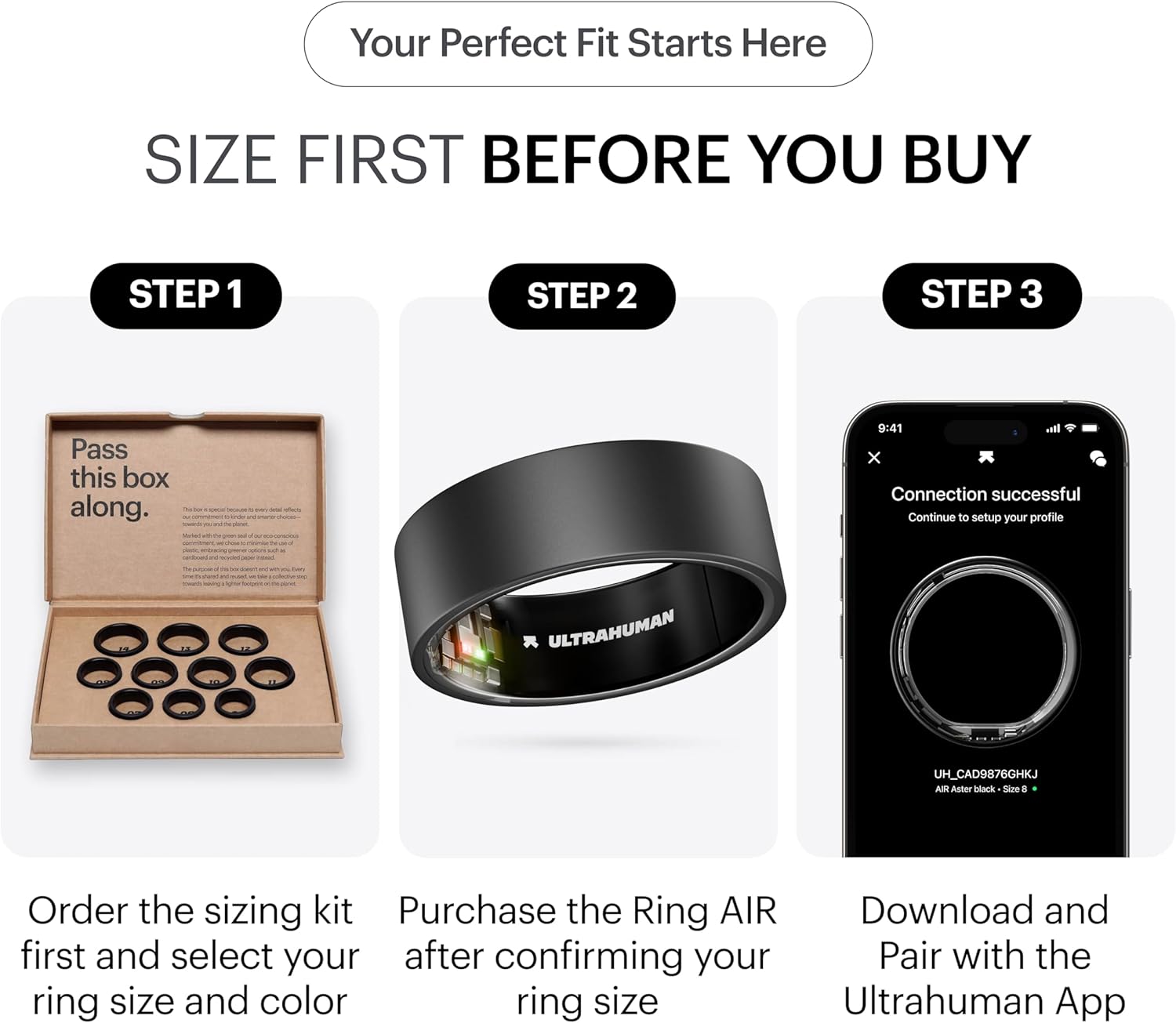
Design, sizing, and comfort are critical for long term adherence. Try to assess whether the smart ring will interfere with existing jewelry, gloves, or gym equipment, and whether multiple rings might be uncomfortable. People who already rely on an apple watch or other fitness trackers may prefer a very low profile ring that simply adds sleep, heart rate, and blood oxygen data in the background.
Finally, examine the total cost, including any subscription required to access full features. Some users accept a subscription for richer health data, while others prefer a one time purchase model that still delivers best smart value. As one sports cardiologist put it, "Wearable data is most powerful when it is consistent, contextualized, and interpreted with humility alongside clinical judgment."
Making sense of health data from smart rings and fitness trackers
Owning the best ring fitness trackers only helps if you can interpret the data calmly. A smart ring collects thousands of data points each night, but the app must translate them into clear trends rather than alarming single numbers. Heart rate, heart rate variability, sleep duration, and blood oxygen all fluctuate naturally from day to day.
Look for smart rings and fitness trackers that emphasize long term patterns over daily perfection. The oura ring, ultrahuman ring, and ringconn gen platforms typically present rolling averages and readiness scores that smooth out noise. When combined with subjective notes about stress, training, and mood, these data streams help you understand how lifestyle choices affect health.
People who use multiple devices, such as an apple watch plus a smart ring, should decide which platform will serve as their primary health record. Syncing too many rings and trackers can create conflicting numbers that reduce trust in any single data source. Choosing one main app and treating others as secondary views keeps your health story coherent.
Remember that even the best smart ring or ring air device cannot replace medical evaluation. If your smart rings repeatedly flag unusual heart rate patterns, low blood oxygen, or disrupted sleep, share the data with a qualified professional. Used thoughtfully, the combination of smart rings, traditional fitness trackers, and clinical care can support more informed, proactive health decisions.
Future directions for smart rings, from gen upgrades to broader ecosystems
The next gen of best ring fitness trackers will likely deepen integration with broader health ecosystems. Manufacturers are already exploring tighter links between a smart ring, a phone, and other devices such as an apple watch or connected scales. This ecosystem approach allows heart rate, sleep, and activity data to flow seamlessly across platforms.
We can expect more emphasis on women’s health, mental wellbeing, and early risk signals. Devices like the evie ring show how targeted design and analytics can address specific populations better than generic fitness trackers. At the same time, mainstream brands such as samsung galaxy and galaxy ring initiatives will push smart rings toward mass market adoption.
Battery technology and sensor miniaturization will continue to shape design possibilities. Future ring air concepts, circular ring designs, and ringconn gen upgrades may offer longer battery life, richer blood oxygen tracking, and more precise heart rate monitoring without sacrificing comfort. Charging case innovations could also reduce downtime, making it easier to maintain continuous data streams.
As competition intensifies between oura ring, ultrahuman ring, ring oura communities, and other smart rings, users should benefit from better value and more transparent subscription models. The best smart platforms will likely be those that respect user privacy, present data clearly, and integrate gracefully with existing health tools. In this evolving landscape, the ring best choice will remain the one that fits your body, your budget, and your personal definition of sustainable health.
Key statistics about smart rings and fitness trackers
- Global adoption of smart rings and fitness trackers continues to grow rapidly across age groups.
- Users typically wear smart rings for significantly more hours per day than wrist devices.
- Battery life improvements have extended average charging intervals to several days.
- Sleep and recovery metrics are among the most frequently consulted data points.
- Subscription based health platforms now represent a substantial share of wearable revenues.
Common questions about the best ring fitness trackers
Are smart rings more accurate than traditional fitness trackers ?
Smart rings can offer very stable measurements because they sit firmly on the finger, which reduces motion artifacts during sleep. However, accuracy still depends on sensor quality, algorithms, and proper sizing. In many cases, smart rings and high end fitness trackers provide comparable trends rather than identical numbers.
Can a smart ring replace my apple watch for workouts ?
Most smart rings focus on health, sleep, and recovery rather than detailed workout metrics. An apple watch or dedicated sports watch still offers superior GPS tracking, sport profiles, and on wrist controls. Many users therefore pair a smart ring for recovery with a watch for structured training.
How important is battery life in a smart ring ?
Battery life is crucial because frequent charging interrupts continuous health tracking. A ring with at least four to six days of battery life makes it easier to capture complete sleep and recovery data. Shorter battery life can lead to gaps that weaken long term trend analysis.
Do I really need a subscription for meaningful health insights ?
Some smart rings provide core metrics without a subscription but reserve advanced analytics behind a paywall. A subscription can add value through richer context, coaching, and long term reports. Before committing, compare what each app offers for free versus paid tiers and decide how much guidance you truly need.
Are smart rings suitable for people with sensitive skin or small fingers ?
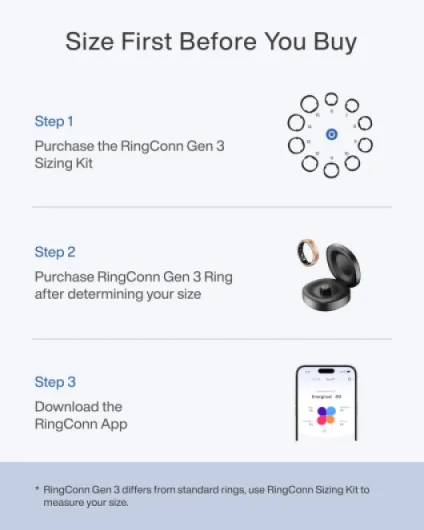
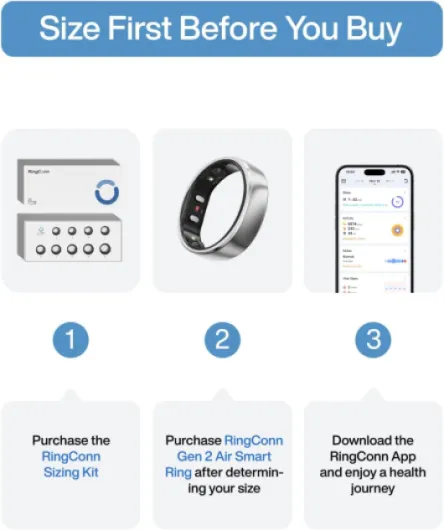
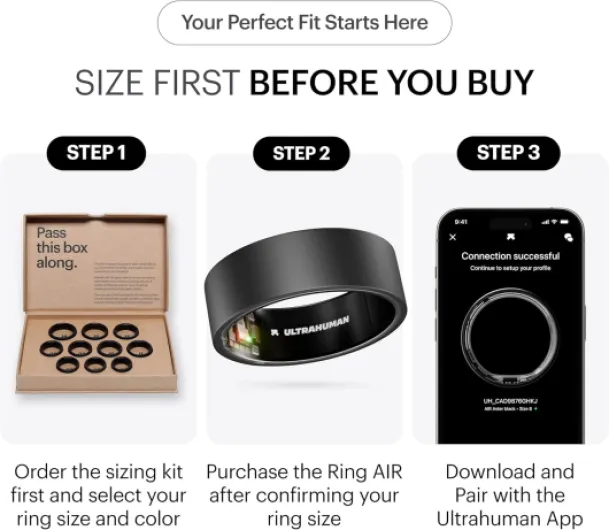
Many brands now offer multiple sizes, hypoallergenic materials, and lightweight designs to suit sensitive skin. Trying different sizes or consulting sizing kits can help ensure a comfortable fit on small fingers. If irritation occurs, alternating hands or taking short breaks may resolve issues while preserving most tracking benefits.