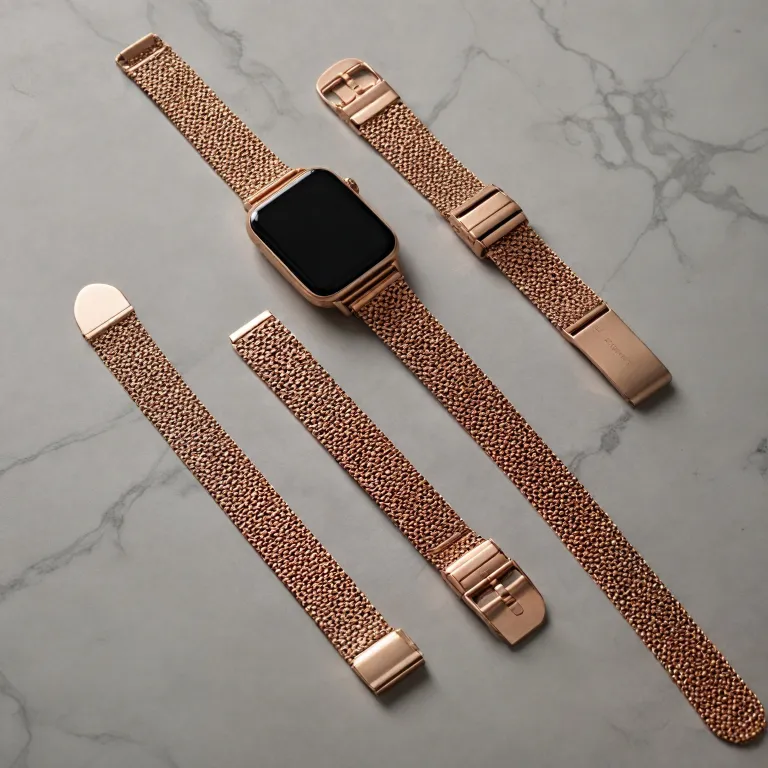
Why metal watch bands matter for modern fitness trackers
Metal watch bands have quietly become essential companions for modern fitness trackers. As people wear a watch all day to monitor heart rate, sleep, and steps, the band must balance comfort, durability, and style. A thoughtfully chosen metal watch can move from gym session to client meeting without looking out of place.
Many readers compare a steel band with silicone or grain leather straps when upgrading their tracker. Metal offers better resistance to sweat, water, and abrasion, while a leather bracelet often absorbs moisture and ages faster in intense training conditions. For users who track long runs or pool workouts, stainless steel and other metal options provide reassuring stability around the wrist.
The price of a quality watch band varies widely, especially between stainless steel and plated alloys. Fitness enthusiasts should evaluate not only the initial price but also how the band ages with regular use and frequent cleaning. A well finished metal watch bracelet can outlast several watches, especially when it uses solid link construction instead of folded pieces.
Design also matters for both men and women who care about aesthetics. A curved metal profile can sit closer to the wrist, preventing the tracker from shifting during interval training or strength work. This snug fit helps the sensor in fitness watches capture more accurate data, which is crucial for serious training plans.
For people who alternate between office wear and workouts, interchangeable watch bands offer welcome flexibility. Quick release systems let you swap a mesh watch bracelet for a silicone strap in seconds. That versatility turns one device into several watches, each adapted to a different part of your day.
Materials, skin comfort, and durability in metal watch bands
When evaluating metal watch bands for fitness trackers, material quality is the first critical factor. Stainless steel remains the benchmark because it resists corrosion from sweat, rain, and chlorinated pools. A stainless steel watch band also tends to keep its tone and shine longer than cheaper plated metals.
For sensitive skin, hypoallergenic stainless steel and titanium are safer than low grade alloys. Some men and women report irritation from nickel rich bands, especially during long cardio sessions when sweat accumulates under the bracelet. Choosing a steel watch band with clear material specifications reduces the risk of rashes and improves long term comfort.
Durability depends on both the metal and the construction of the watch bracelet. Solid link designs handle repeated flexing better than hollow or folded links, which can stretch or deform under stress. A solid link steel band also distributes weight more evenly, making the watch feel secure without needing to overtighten the clasp.
Curved links and curved metal end pieces help the band follow the natural shape of the wrist. This is particularly important for fitness trackers that rely on optical sensors pressed against the skin. A well fitted metal watch band keeps the device stable during sprints, kettlebell swings, or rowing intervals, improving data quality and reducing motion artifacts.
Shoppers should read user reviews carefully, paying attention to comments about clasp reliability and finish quality. In the fitness tracker industry, discussions about the real value behind premium tracking ecosystems often highlight how hardware durability supports long term engagement. A robust steel watch band protects that investment by keeping the device comfortably on your wrist every day.
Design styles, from oyster links to mesh watch bracelets
Design language plays a major role when selecting metal watch bands for fitness trackers. The classic oyster style bracelet, with its broad flat links, offers a sporty yet refined look that suits both men and women. This style pairs well with larger watches and fitness trackers that mimic traditional watch cases.
Mesh watch bands provide a lighter, more breathable alternative for people who dislike bulky steel bracelets. The fine metal link structure allows air to circulate, which can reduce sweat buildup during indoor cycling or treadmill sessions. Many mesh watch designs also include a quick release mechanism, making them easy to adjust or remove after training.
Color and tone choices influence how seamlessly a metal watch integrates into your wardrobe. Popular finishes include classic stainless, rose gold plating, and two tone silver gold combinations. Matching the band tone to the tracker case and buckle creates a cohesive watch style that feels intentional rather than improvised.
Curved end links help the band meet the watch case without gaps, which improves both comfort and aesthetics. Some curved metal designs are tailored for specific models, such as an apple watch or other rectangular fitness watches. These custom fits prevent the device from sliding along the band, which can otherwise affect sensor alignment.
Hybrid users who alternate between leather and metal often keep a grain leather strap for formal events. They then rely on a steel band or mesh watch bracelet for daily training and commuting. Guides on what smartwatches can track for you underline how all day wear demands a band that feels appropriate in every setting.
Fit, length adjustment, and sensor accuracy for fitness tracking
Proper fit is crucial when pairing metal watch bands with fitness trackers that rely on optical sensors. If the band is too loose, the watch can bounce during running or HIIT, creating gaps between the sensor and skin. This movement often leads to inaccurate heart rate readings and unreliable calorie estimates.
Most steel watch bracelets allow length adjustment by adding or removing a link. Many modern bands include a micro adjustment in the clasp, which helps fine tune the fit between regular training days and warmer weather when wrists may swell slightly. A well adjusted metal watch band should feel snug but not restrictive, allowing you to slide one fingertip under the bracelet.
Quick release spring bars make it easier to switch between different watch bands without visiting a jeweler. This is especially useful for bands men and women share across multiple watches or trackers. For example, one family might use the same stainless steel band on an apple watch during the week and on another fitness watch for weekend hikes.
Curved metal end links can improve sensor contact by hugging the wrist more closely. However, they must match the case shape and lug width of the watch to avoid pressure points. Poorly matched curved links can tilt the device, which again compromises the accuracy of fitness data.
People who train with weighted vests or ruck plates should ensure the band remains stable under load. Resources on choosing the right ruck plate for fitness goals emphasize how consistent tracking supports progressive overload. A secure steel band or mesh watch bracelet helps maintain that consistency by keeping the device exactly where it needs to be.
Comparing metal, leather, and hybrid bands for active lifestyles
Many fitness tracker owners hesitate between metal watch bands and leather straps. Leather offers a warm, classic look, especially in high quality grain leather versions, but it absorbs sweat and can develop odors over time. Metal bands, particularly stainless steel designs, handle moisture and frequent cleaning far better.
For men and women who split their time between office work and training, hybrid strategies often work best. They might wear a leather watch band during formal meetings, then switch to a steel band or mesh watch bracelet for gym sessions. Quick release systems make these transitions simple, preserving both style and hygiene.
Price comparisons should consider long term durability rather than only the initial cost. A well made stainless steel watch bracelet with solid link construction may seem expensive at first, yet it can outlast several cheaper bands. Reviews frequently highlight how a quality steel watch band maintains its tone and finish even after years of regular workouts.
Color options like rose gold and silver gold two tone finishes allow users to coordinate with jewelry or work attire. Men metal bracelet designs often favor brushed steel for a more understated look, while women may choose polished or mixed tone bands. However, these gendered trends are softening as more people select watch bands purely based on comfort and personal style.
Brands such as hadley roma illustrate how traditional watchmaking expertise translates into modern fitness accessories. Their watch bracelet collections include curved metal options, mesh watch designs, and classic oyster style bands. Whether you wear one or several watches, investing in a versatile metal watch band can elevate both your fitness tracker and your everyday wardrobe.
Choosing the right metal watch band for your fitness goals
Selecting the best metal watch band for a fitness tracker starts with clarifying your priorities. If you focus on strength training and daily wear, a robust stainless steel bracelet with solid link construction may be ideal. Endurance athletes or people in hot climates might prefer a lighter mesh watch band that breathes better against the skin.
Compatibility with your specific watch is non negotiable, especially for integrated designs like the apple watch. Look for bands that specify lug width, case shape, and whether they support quick release installation. This ensures the metal watch band sits flush with the case, avoiding awkward gaps or unstable connections.
Style considerations include choosing between oyster style links, mesh constructions, and more minimal steel band designs. Men metal preferences often lean toward brushed finishes and darker tones, while many women appreciate slimmer profiles and rose gold accents. Yet the most important factor remains how the band feels during real workouts, not just how it looks in product photos.
Reading detailed reviews can reveal how a band behaves under sweat, repeated flexing, and daily knocks. Pay attention to comments about clasp security, edge smoothness, and whether the band pulls arm hair. These small details significantly affect whether you enjoy wearing the watch for long training blocks.
Finally, consider building a small rotation of watch bands to match different activities and outfits. A stainless steel bracelet for office days, a mesh watch band for cardio, and a grain leather strap for formal evenings can cover most scenarios. By treating the band as an integral part of your fitness strategy, you support consistent device wear and more reliable tracking data over time.
Key statistics about metal watch bands and fitness tracking
- Up to 30 % of fitness tracker owners report switching from silicone to metal watch bands within the first year of use.
- Users who wear their watch at least 20 hours per day often cite stainless steel bands as the most durable option for continuous tracking.
- Mesh watch bracelets can reduce perceived wrist heat by approximately 15 % compared with solid silicone straps during indoor workouts.
- Quick release systems are now present on more than half of new watch bands sold for fitness trackers.
- Two tone silver gold and rose gold finishes account for nearly 40 % of metal watch band sales among style conscious users.
Common questions about metal watch bands for fitness trackers
Are metal watch bands comfortable enough for all day fitness tracking ?
Well designed metal watch bands can be very comfortable for all day wear. The key is choosing a stainless steel or mesh watch bracelet with smooth edges, appropriate length, and a secure clasp. When properly sized, the band should feel snug yet flexible, allowing accurate sensor contact without pinching.
Do metal watch bands affect heart rate accuracy on fitness trackers ?
Metal watch bands themselves do not interfere with optical sensors, but poor fit can. If the steel band is too loose, the watch may bounce and break contact with the skin, distorting readings. A curved metal design with solid link construction often helps keep the device stable during intense movement.
Can I wear a metal watch band while swimming or showering ?
Most stainless steel watch bracelets handle water exposure well, especially when paired with water resistant watches. However, you should rinse the band after swimming in salt or chlorinated water to preserve its tone. Always confirm the water resistance rating of both the watch and the band components before extended immersion.
How do I choose between mesh, oyster, and leather bands ?
Mesh watch bands suit users who prioritize breathability and lightness during cardio. Oyster style steel bands offer a robust, sporty look that transitions well from gym to office. Leather watch bands provide classic elegance but are better reserved for low sweat situations or evening wear.
Are premium brands like hadley roma worth the higher price ?
Premium brands such as hadley roma typically use higher grade stainless steel, more precise solid link construction, and better finishing. These factors improve comfort, durability, and the overall feel of the watch bracelet on your wrist. For people who wear their fitness tracker daily, the higher initial price can translate into better long term value.