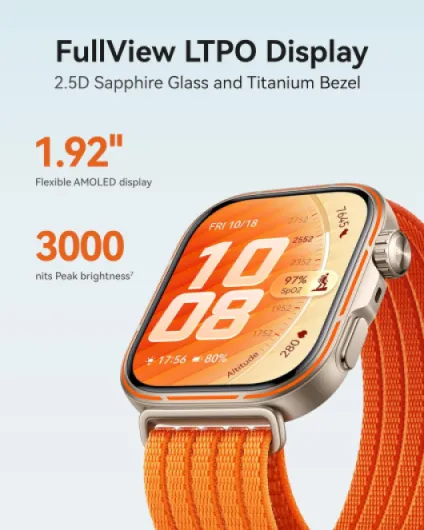
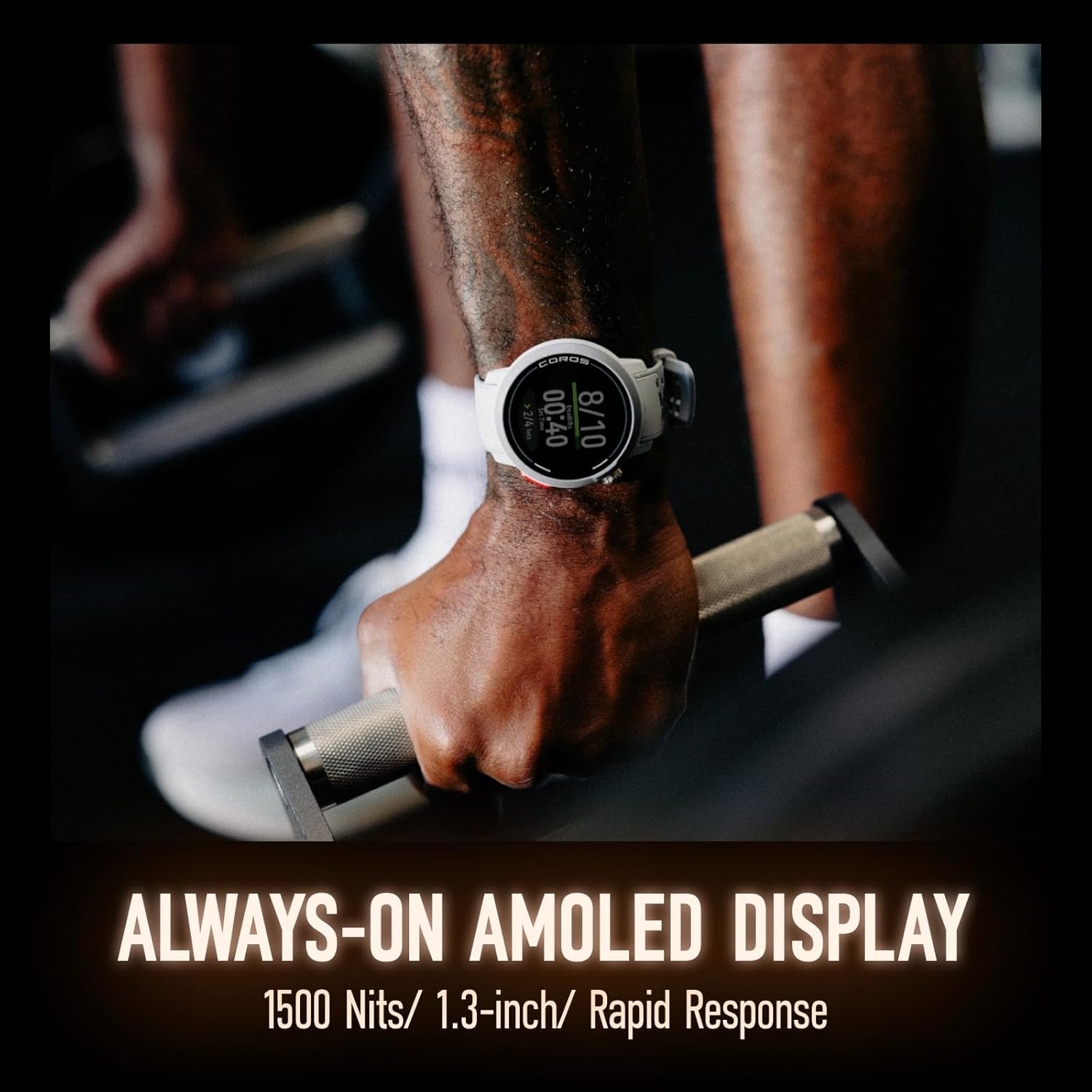
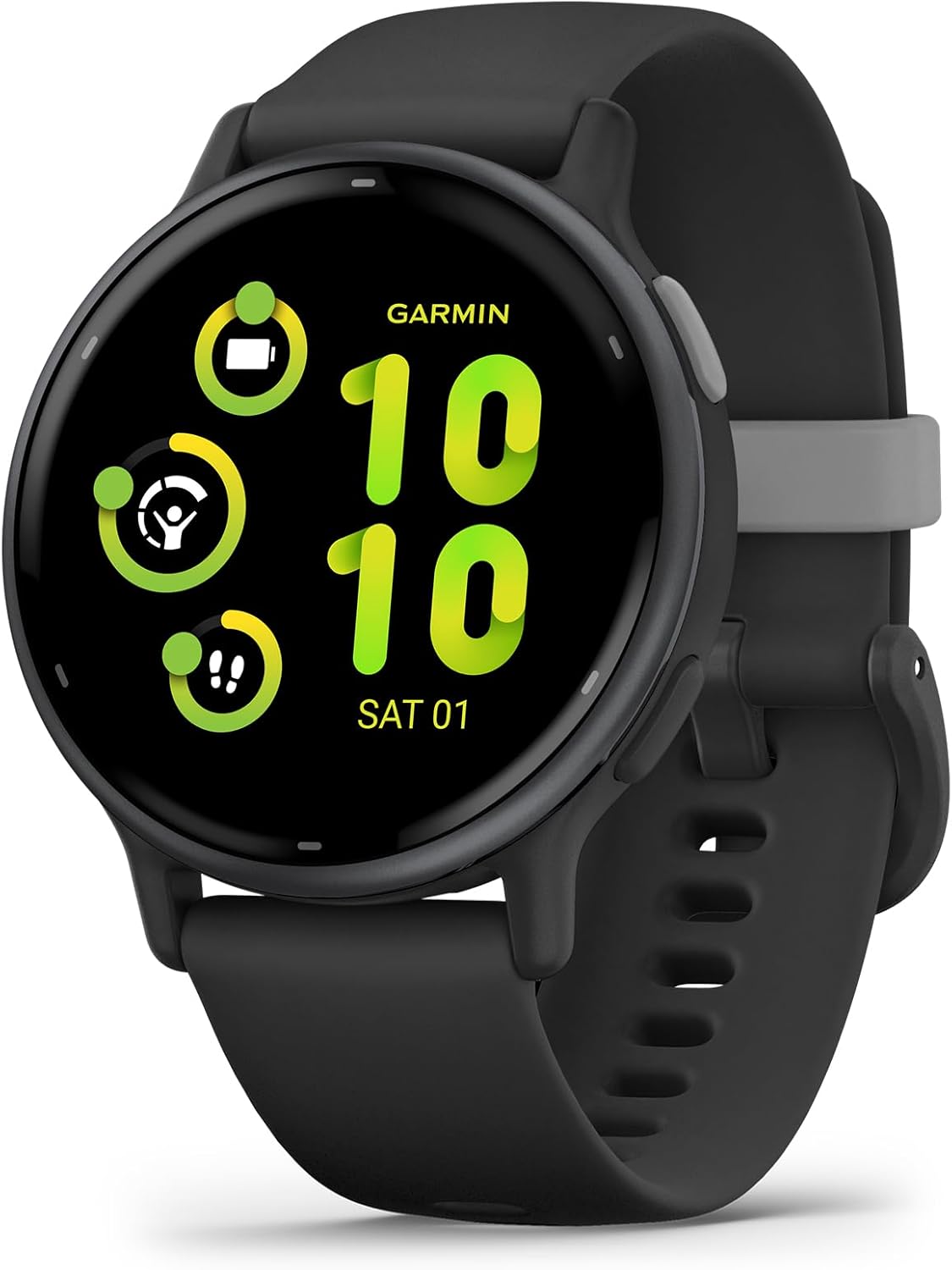
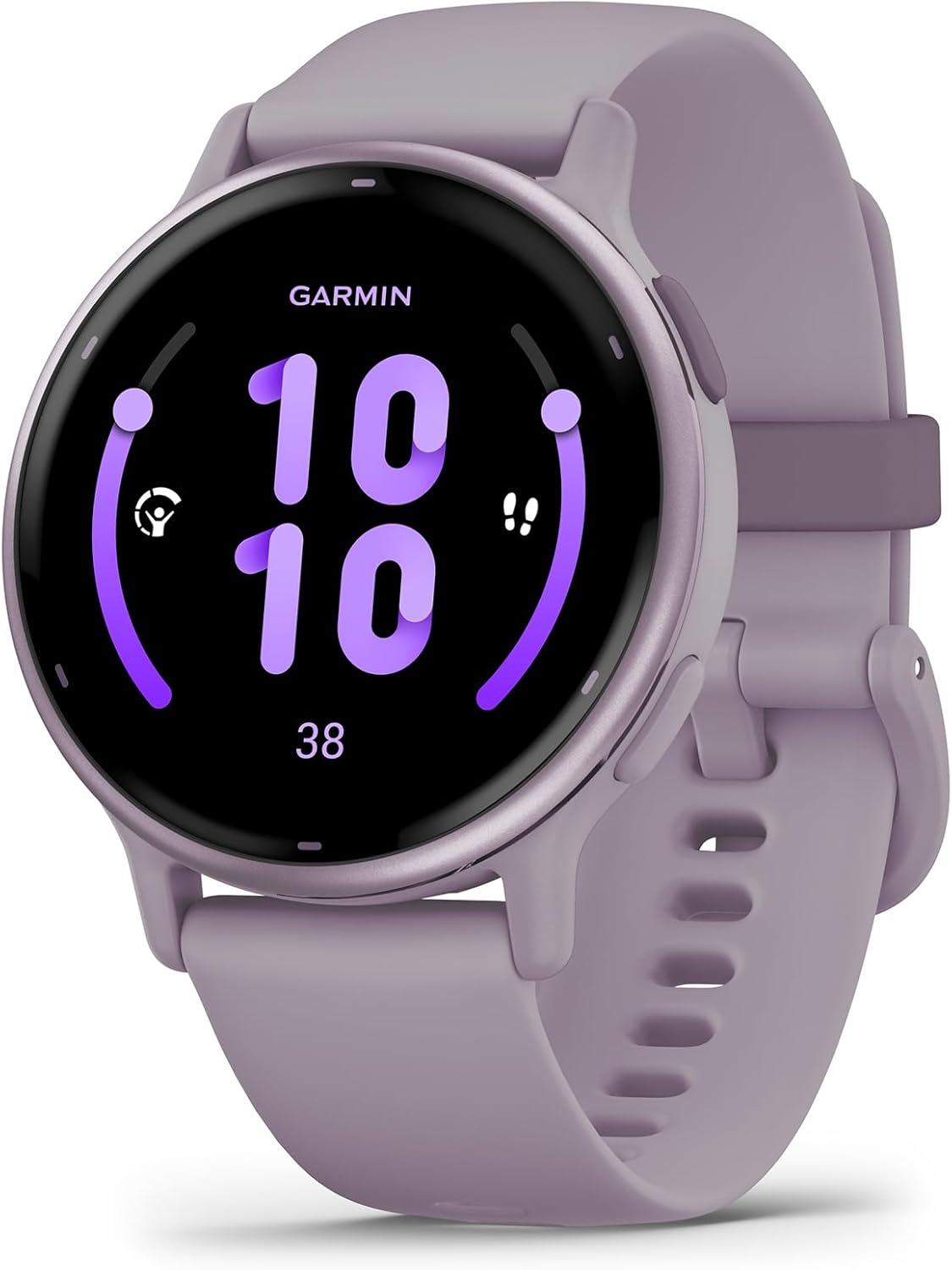
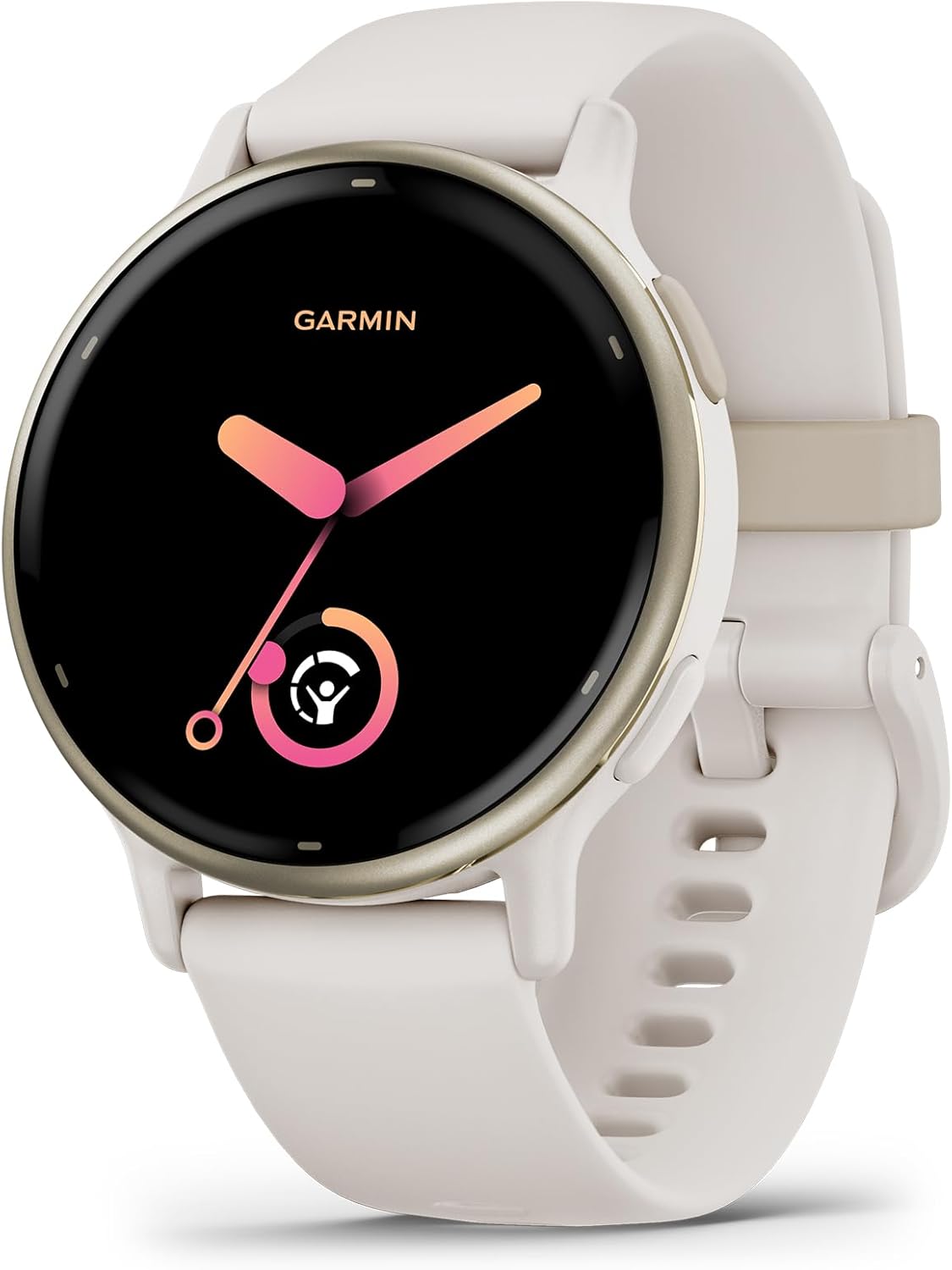
Key features that define the best fitness trackers with AMOLED display
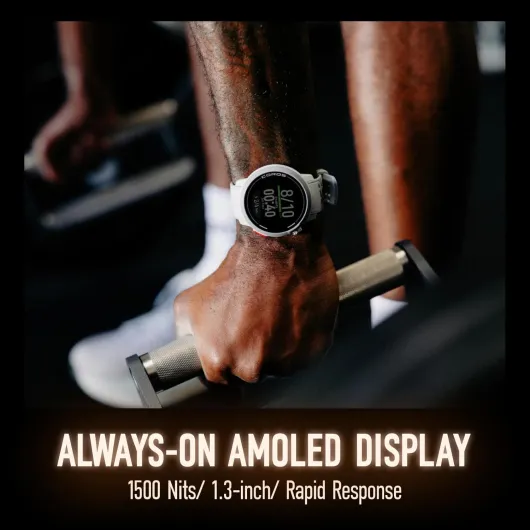
When evaluating the best fitness trackers with AMOLED display, start with core health metrics. Continuous heart rate monitoring, reliable step count, and accurate GPS tracking form the foundation of any serious fitness tracker. Without trustworthy data, even the most beautiful AMOLED display becomes little more than a fashionable watch.
Battery life is the next critical factor, especially for people training daily. A tracker with a bright AMOLED display and only a one day battery quickly becomes frustrating, because frequent charging interrupts sleep tracking and all day health monitoring. Aim for at least a multi day battery, and if possible a five to seven day battery for balanced use.
Smart features also separate basic bands from advanced fitness trackers. A smart watch with notifications, contactless payments, and music control can replace a traditional watch and reduce phone dependence. However, ensure that these smart functions do not compromise fitness tracking accuracy or heart rate reliability.
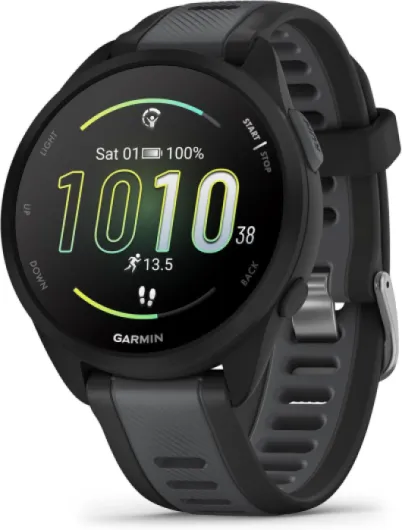
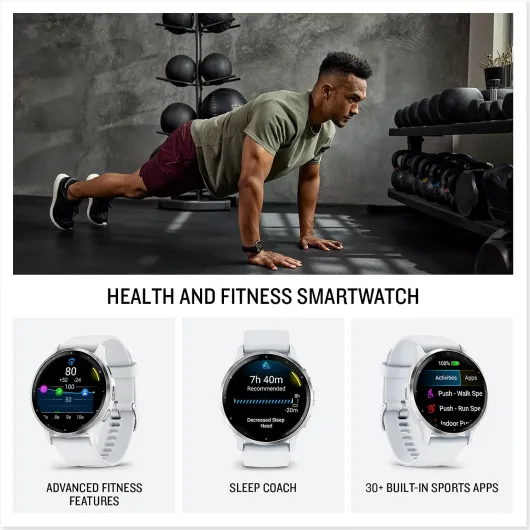
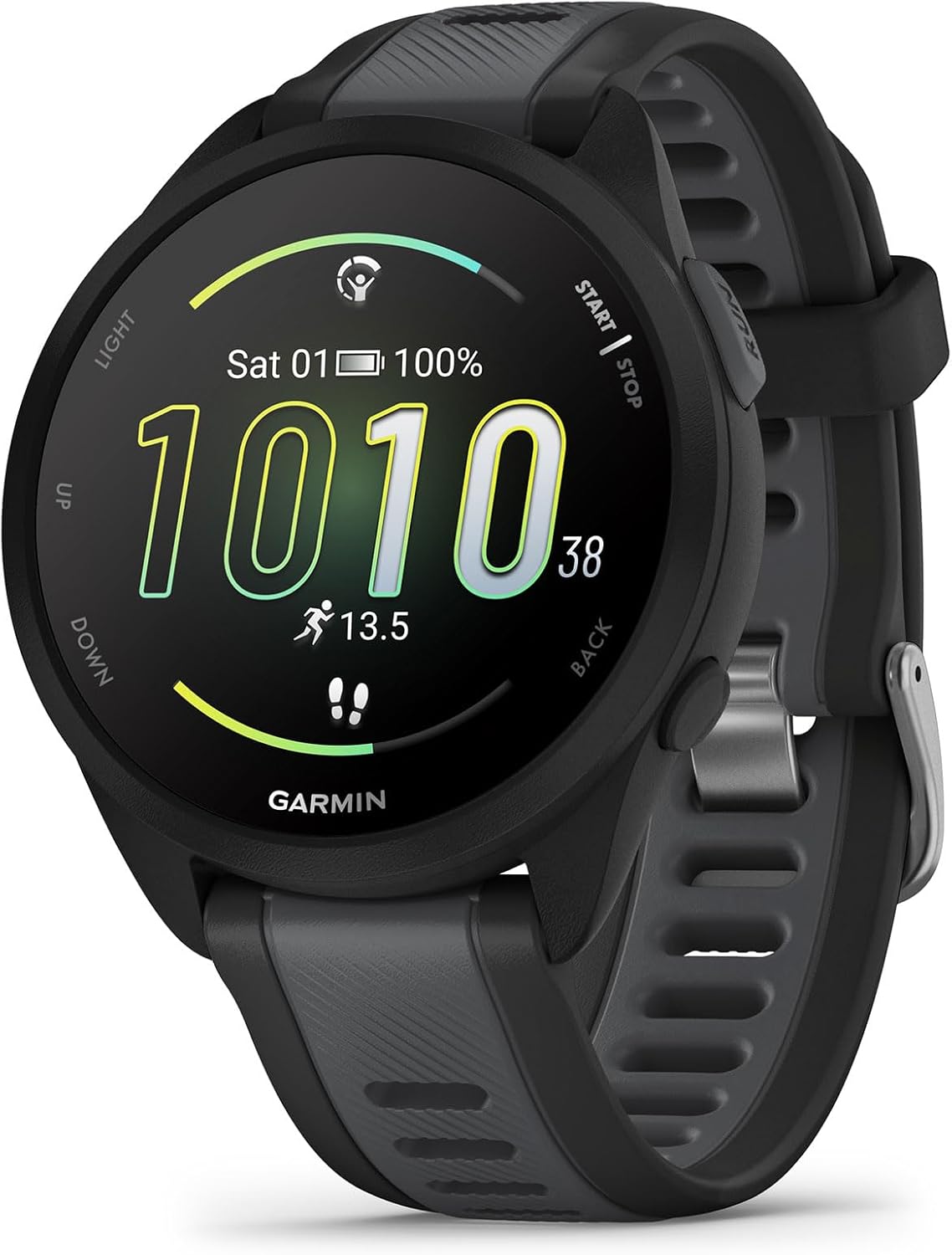
Sports modes deserve careful attention, particularly for runners and cyclists. Devices like Garmin Forerunner models combine AMOLED display technology with advanced GPS, training load analysis, and cadence metrics explained in detail in this guide on the role of a cadence sensor in fitness tracking. Such features help transform raw heart rate and pace data into actionable training insights.
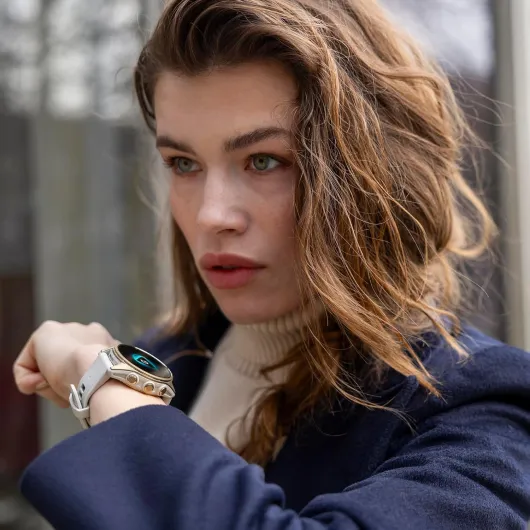
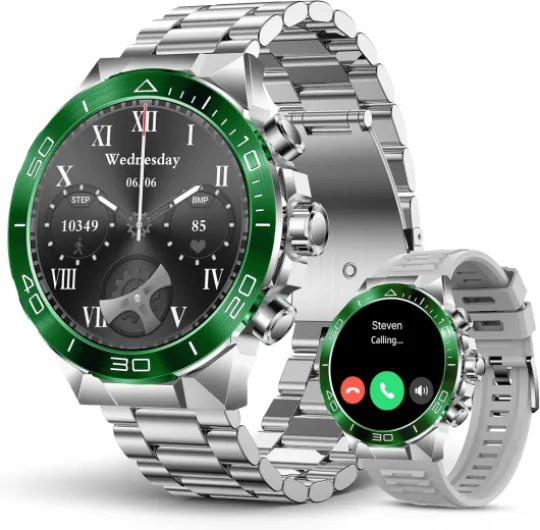
Comfort and design still matter, because even the best fitness tracker fails if left in a drawer. A slim smart band with a soft strap may suit sleep tracking better than a heavy metal smart watch. Conversely, people wanting a more traditional watch style might prefer a larger AMOLED display with interchangeable bands and a more premium finish.
Comparing leading brands: Garmin, Fitbit, and Apple Watch
Shoppers searching for the best fitness trackers with AMOLED display usually compare Garmin, Fitbit, and Apple Watch. Each brand approaches fitness tracker design differently, yet all offer AMOLED display options with strong health tracking. Understanding these differences helps match the right fitness tracker with your training style.
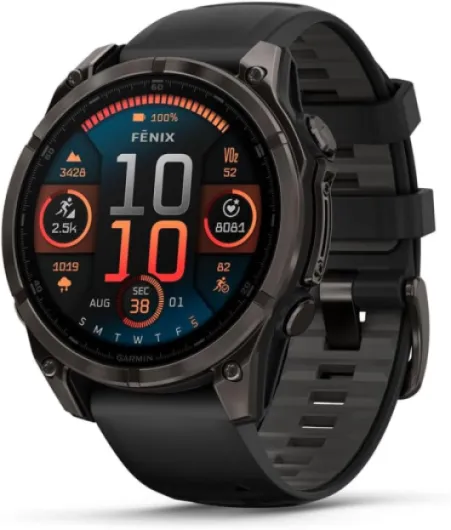
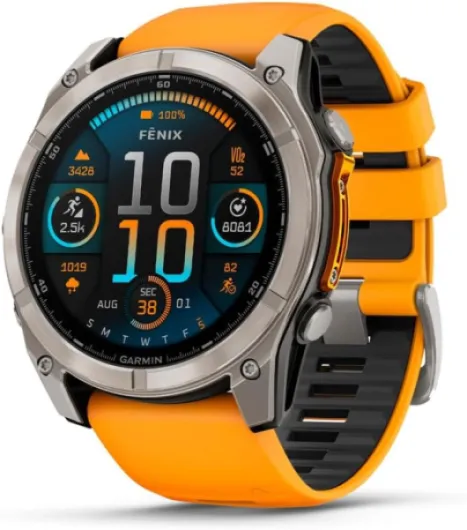
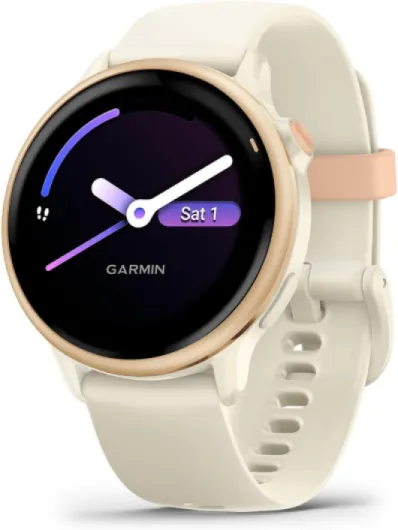
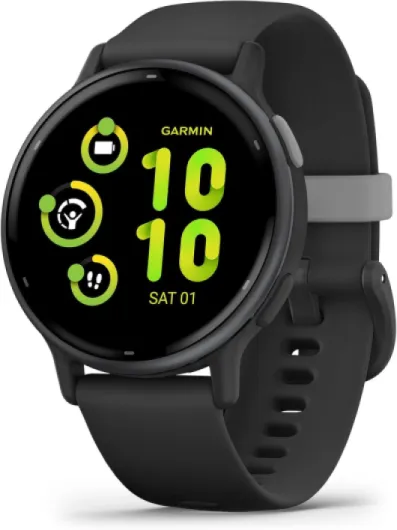
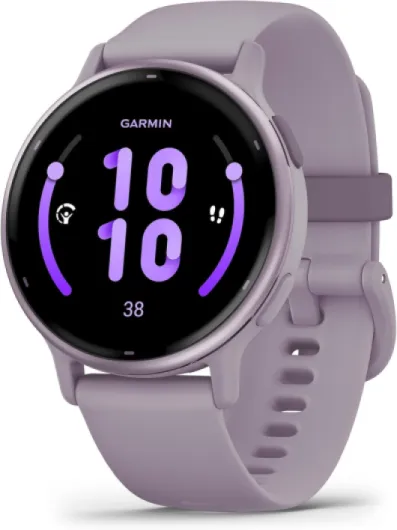
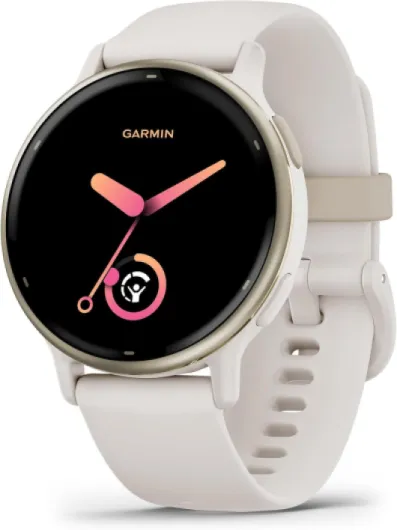
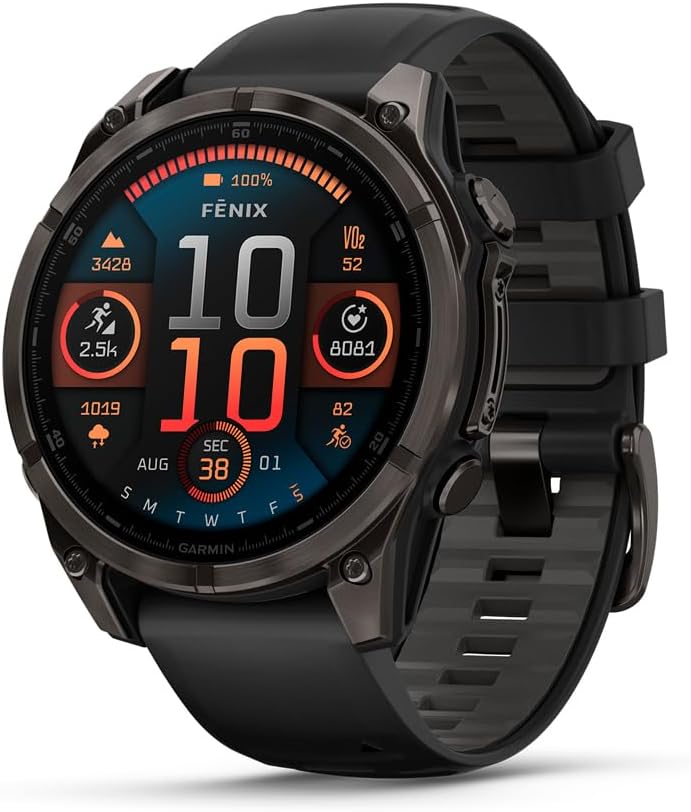
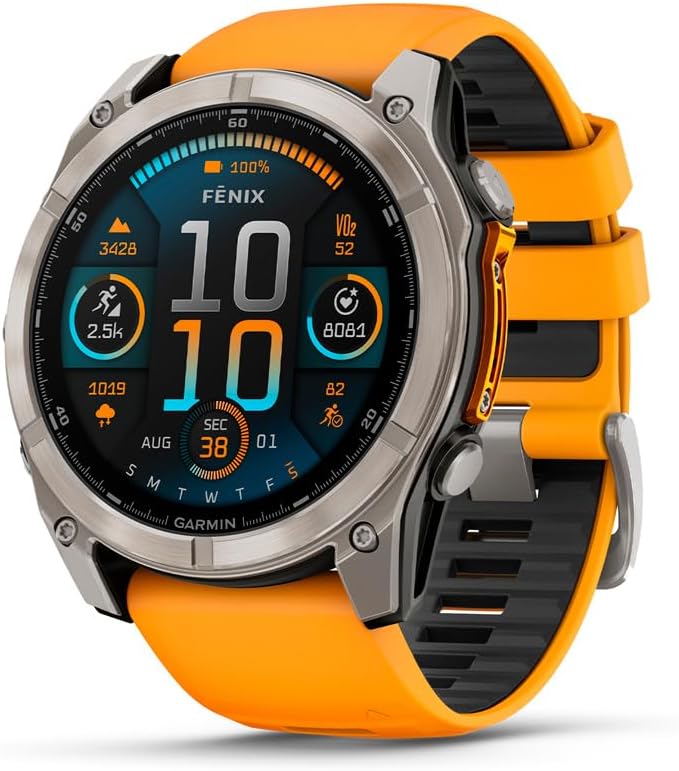
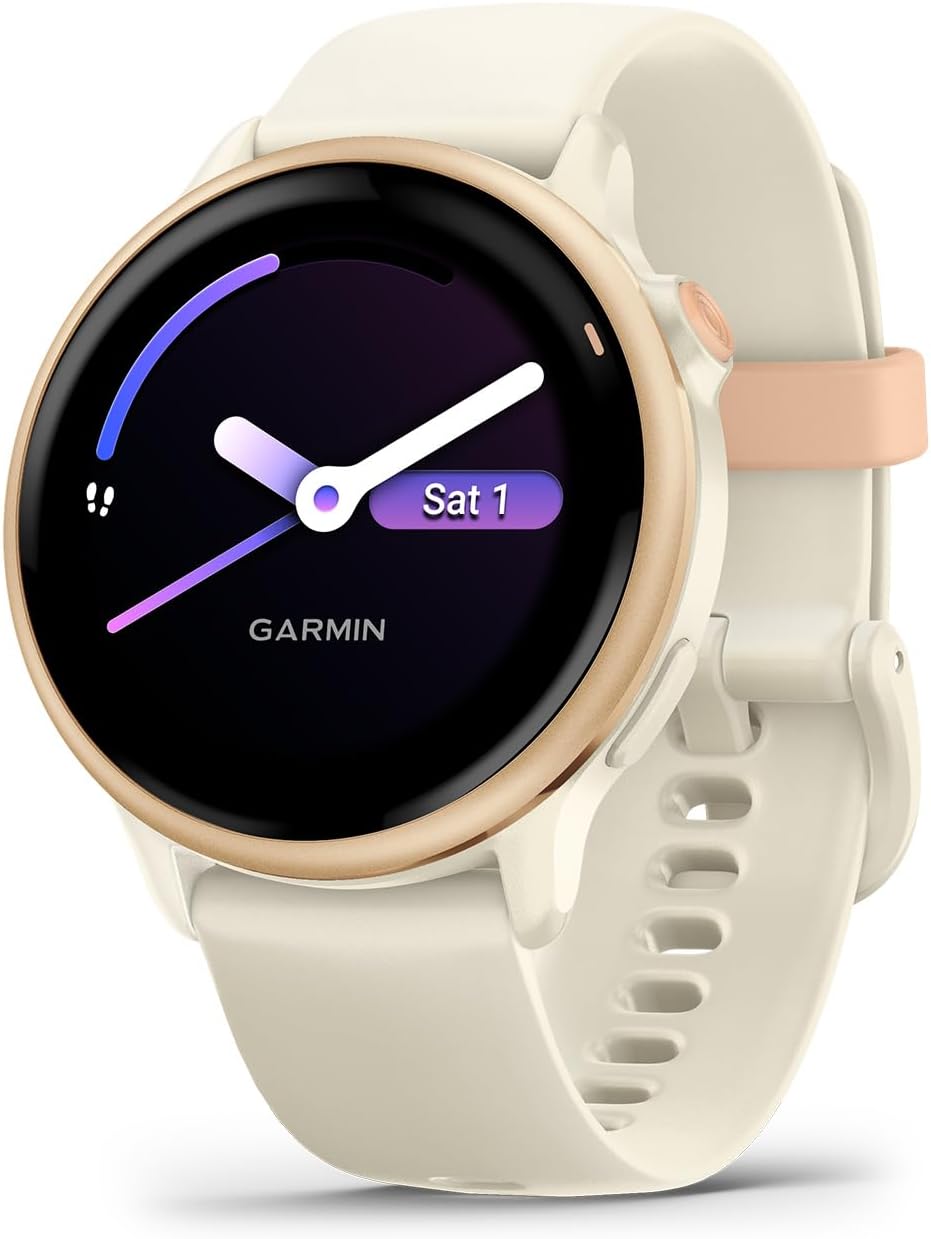
Garmin focuses heavily on performance metrics and outdoor GPS accuracy. Models such as Garmin Forerunner and Garmin Fenix pair AMOLED display technology with advanced sports modes, long battery life, and robust navigation tools. These trackers with detailed training analytics suit runners preparing for structured events, including distances like those explained in this guide to what a 15K means for your training.
Fitbit emphasises simplicity, wellness, and accessible price points. A Fitbit Charge smart band offers an AMOLED display, all day step count, sleep tracking, and continuous heart rate monitoring in a slim band format. For many users, this balance of battery life, comfort, and health features represents their personal best fitness choice.
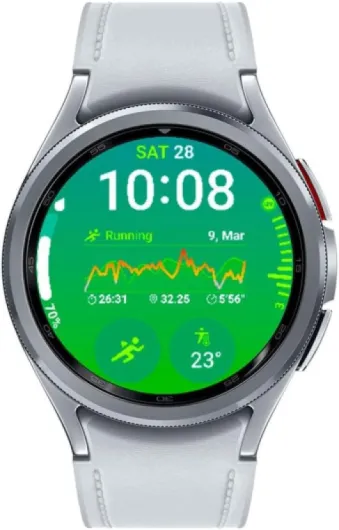
Apple Watch devices lean toward smart watch versatility with strong fitness tracking. Their AMOLED style Retina display shows heart rate, blood oxygen, GPS routes, and notifications with exceptional clarity. While battery life usually lasts about a day, the deep integration with smartphones and extensive sports modes appeal to people wanting one device for both health and productivity.
Price differences between these brands can be significant, so always check price carefully. A premium Garmin Fenix with multi day battery and advanced GPS may cost more than a basic Fitbit band. However, for athletes who rely on precise tracking, the higher price can deliver better long term value.
Health metrics that matter: heart rate, sleep, and blood oxygen
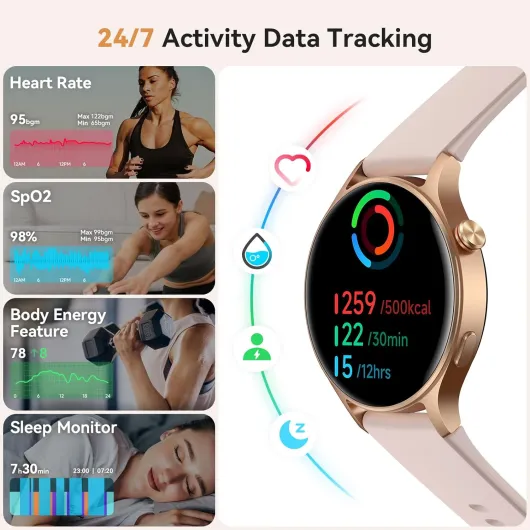
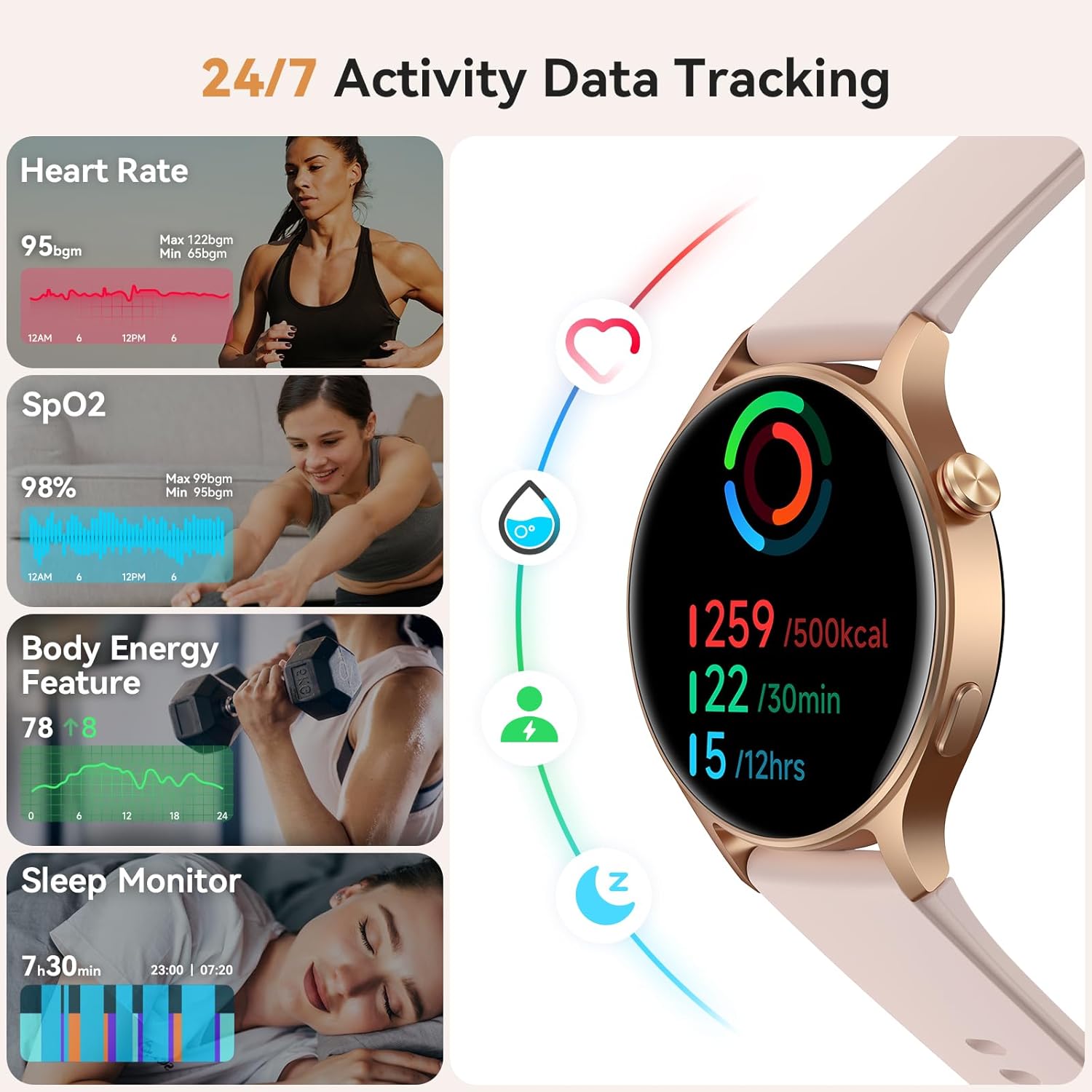
Beyond style, the best fitness trackers with AMOLED display must excel at health monitoring. Continuous heart rate tracking underpins calorie estimates, training zones, and stress analysis. A tracker with accurate heart rate data helps you avoid overtraining and supports safer progression.
Modern fitness trackers also measure blood oxygen saturation, especially during sleep. This metric, combined with heart rate variability and movement, refines sleep tracking insights. On an AMOLED display, colour coded charts make it easier to interpret sleep stages and nightly recovery quality.
Sleep tracking has become a central reason people wear a smart band or smart watch overnight. A comfortable fitness tracker with a slim band and good battery life can monitor sleep without feeling intrusive. Over time, patterns in sleep duration and quality reveal how lifestyle choices influence overall health.
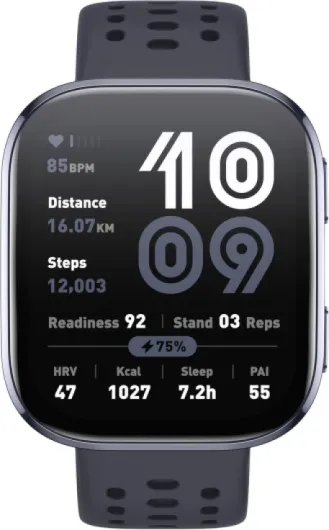
Step count remains a simple yet powerful daily activity indicator. The best fitness trackers with AMOLED display show step goals, hourly movement reminders, and distance estimates in an engaging way. Seeing progress on a bright display encourages small behaviour changes, such as taking stairs or walking short errands.
For people managing specific health conditions, clear visualisation of metrics is essential. An AMOLED display on a Garmin, Fitbit, or Apple Watch allows quick checks of heart rate, blood oxygen, and stress scores during busy days. This constant, glanceable feedback turns a basic tracker with sensors into a practical health companion.
Battery life, durability, and real world training scenarios
Battery performance often determines whether a fitness tracker feels liberating or limiting. A device marketed as the best fitness tracker should offer enough day battery capacity to handle GPS workouts, sleep tracking, and smart notifications. When an AMOLED display is optimised, users can enjoy vivid visuals without sacrificing multi day battery life.
Garmin Forerunner and Garmin Fenix lines are known for strong battery life, even with GPS and heart rate tracking enabled. These trackers with AMOLED display often support several days of typical use or multiple long runs before needing a charge. For endurance athletes, this reliability matters more than some extra smart watch features.
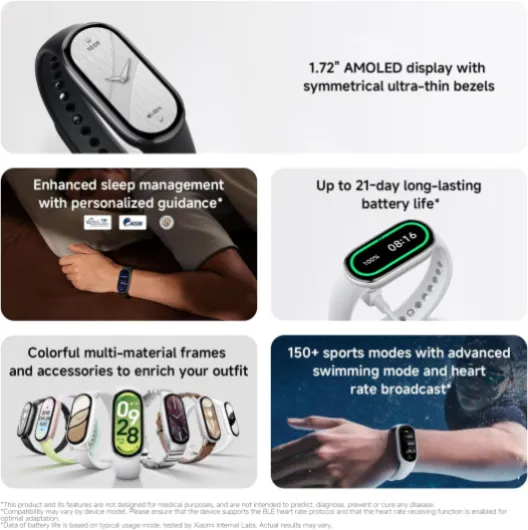
Fitbit Charge devices and similar smart band models usually prioritise comfort and extended battery. Their smaller AMOLED display panels consume less power, which supports longer day battery performance between charges. This makes them appealing for people who value set and forget health tracking.
Durability also plays a crucial role in real world training. A robust smart watch with water resistance and scratch resistant glass handles gym sessions, outdoor runs, and even combat sports training, as discussed in this review of classic boxing gloves for people who train hard. When combined with accurate GPS and heart rate tracking, such durability ensures the tracker remains a reliable partner.
In everyday life, people juggle work, family, and training demands. A fitness tracker with dependable battery life, clear AMOLED display, and comfortable band design reduces friction. This ease of use encourages consistent wear, which ultimately produces better long term health and fitness insights.
How to choose the right AMOLED fitness tracker for your needs
Selecting among the best fitness trackers with AMOLED display starts with clarifying priorities. Decide whether you value advanced GPS and sports modes, or prefer a lighter smart band focused on wellness and sleep tracking. Your ideal fitness tracker with AMOLED display should align with both your training style and daily routine.
Next, compare heart rate accuracy, battery life, and comfort across models. Read independent tests that examine how Garmin, Fitbit, and Apple Watch devices perform during intervals, steady runs, and strength sessions. Pay attention to how each tracker with AMOLED display handles rapid heart rate changes and mixed indoor outdoor workouts.
Budget inevitably shapes the final choice, so always check price against features. A mid range Fitbit Charge or similar smart band may deliver the best fitness value for casual users. Meanwhile, serious runners might justify the higher price of a Garmin Forerunner or Garmin Fenix with superior GPS and training analytics.
Also consider ecosystem and app experience, because data presentation influences behaviour. A smart watch with an intuitive app that clearly shows sleep tracking, step count, and heart rate trends will likely keep you engaged. Over months, this engagement matters more than any single specification on the AMOLED display.
Finally, try on different fitness trackers if possible to assess fit and readability. Ensure the band feels secure yet comfortable, and that the AMOLED display remains legible in bright sunlight and at night. The right combination of watch design, health tracking, and smart features will support sustainable, informed progress toward your fitness goals.