Key features that define the best running watches and rings
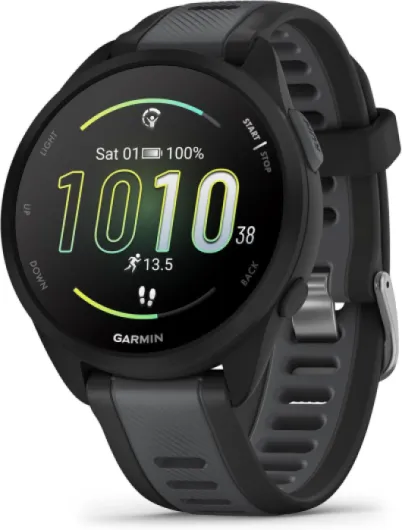
The best fitness trackers for running share a few non negotiable features. Accurate heart rate tracking, reliable GPS running performance, and robust battery life form the foundation of any serious running watch. Without these three pillars, even the most stylish watches or rings quickly become frustrating gadgets.
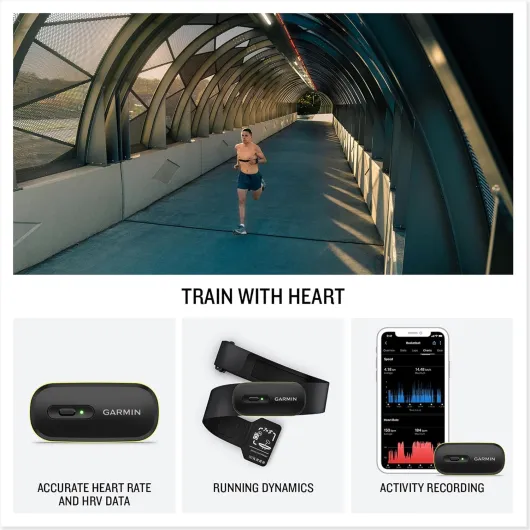
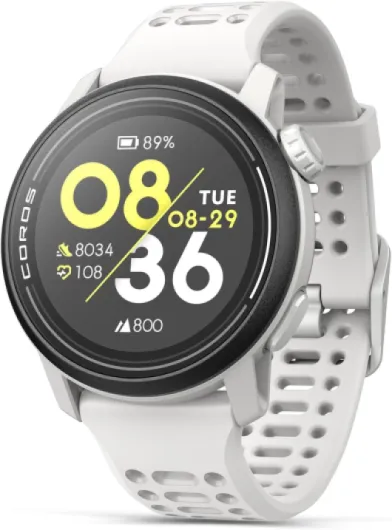
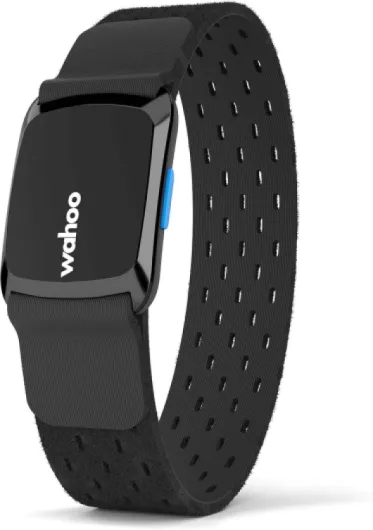
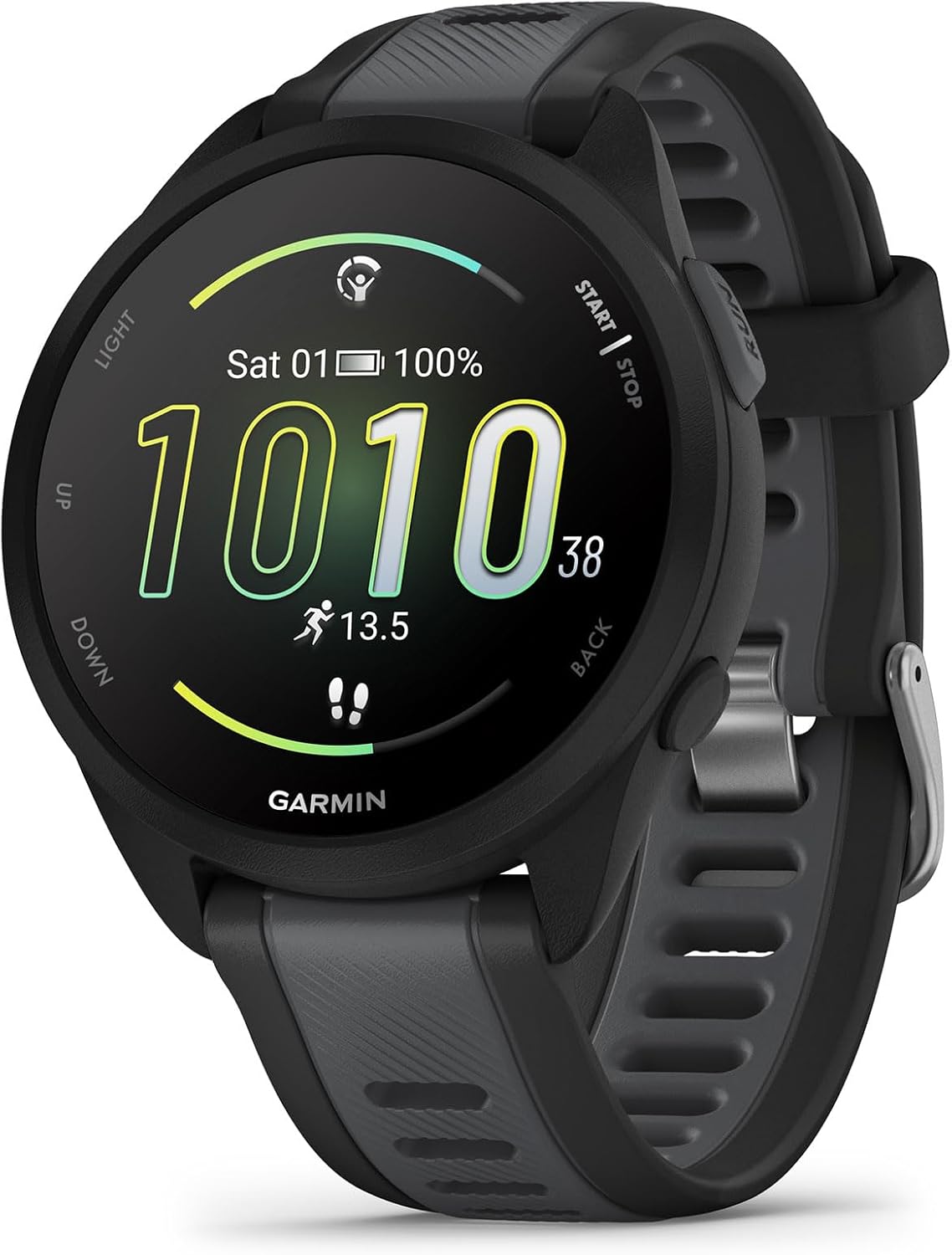
Optical heart rate sensors now rival chest straps for steady state running. However, sudden sprints, intervals, and cold weather can still challenge wrist based heart rate data, especially on looser watches. A well fitted Garmin Forerunner, Apple Watch, Pixel Watch, or Coros Vertix can reduce these errors and keep your heart rate zones trustworthy.
GPS watch performance has also improved with dual frequency chips that read multiple satellite bands. This dual frequency GPS running capability helps a Garmin Fenix or Coros Vertix maintain accurate tracking near tall buildings or dense trees. When you review your training data later, your life GPS traces look cleaner, and your pace charts make more sense.
Battery life remains a decisive factor for long distance runners and trail enthusiasts. Some fitness trackers offer more than 30 hours of continuous GPS tracking, while others need daily charging despite strong specs battery claims. If you plan ultra distance events, prioritise a running watch or watch ultra model that can last many hours without sacrificing screen brightness or safety features.
Balancing comfort, design, and everyday usability
Even the best fitness trackers for running fail if they are uncomfortable to wear. A running watch that feels heavy or a ring that pinches your finger will end up in a drawer. Comfort directly affects how consistently you track training, sleep, and recovery data.
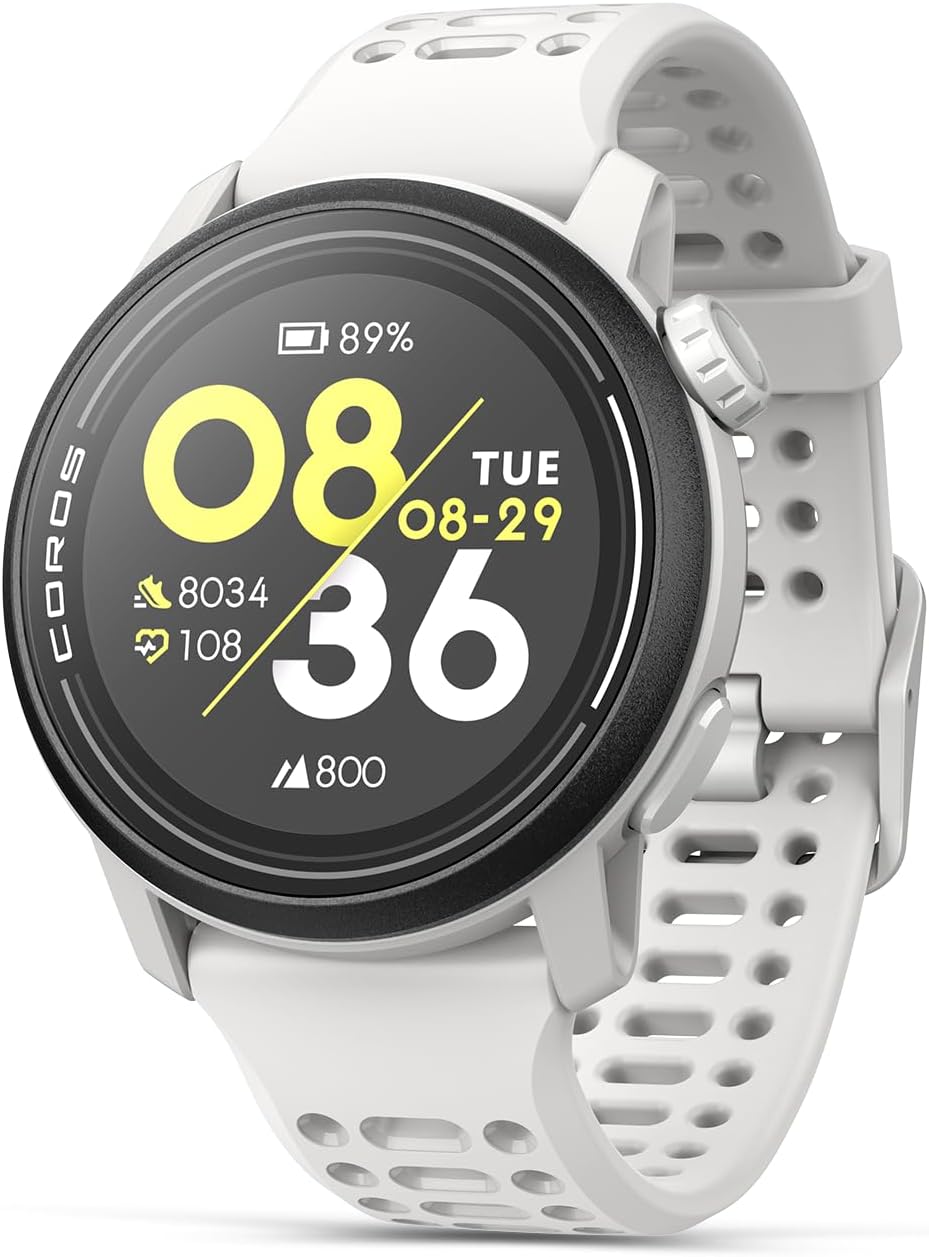
Lightweight watches such as certain Garmin Forerunner or Coros Vertix models suit smaller wrists and high cadence runners. Heavier devices like some Garmin Fenix or watch ultra editions offer premium materials, bigger battery life, and brighter screen options. The trade off between weight, durability, and specs battery performance should match your running style and daily routine.
Rings like Oura Ring provide an alternative to traditional fitness trackers. They excel at sleep tracking, resting heart rate, and continuous recovery monitoring without a visible watch on your wrist. Many runners pair a GPS watch for outdoor training with a ring for 24 hour health insights and more discreet wear.
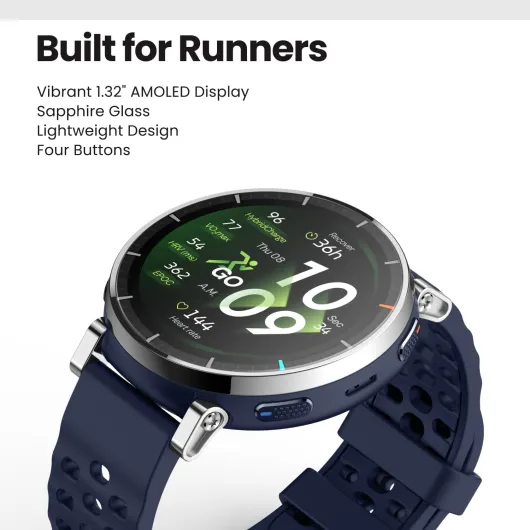
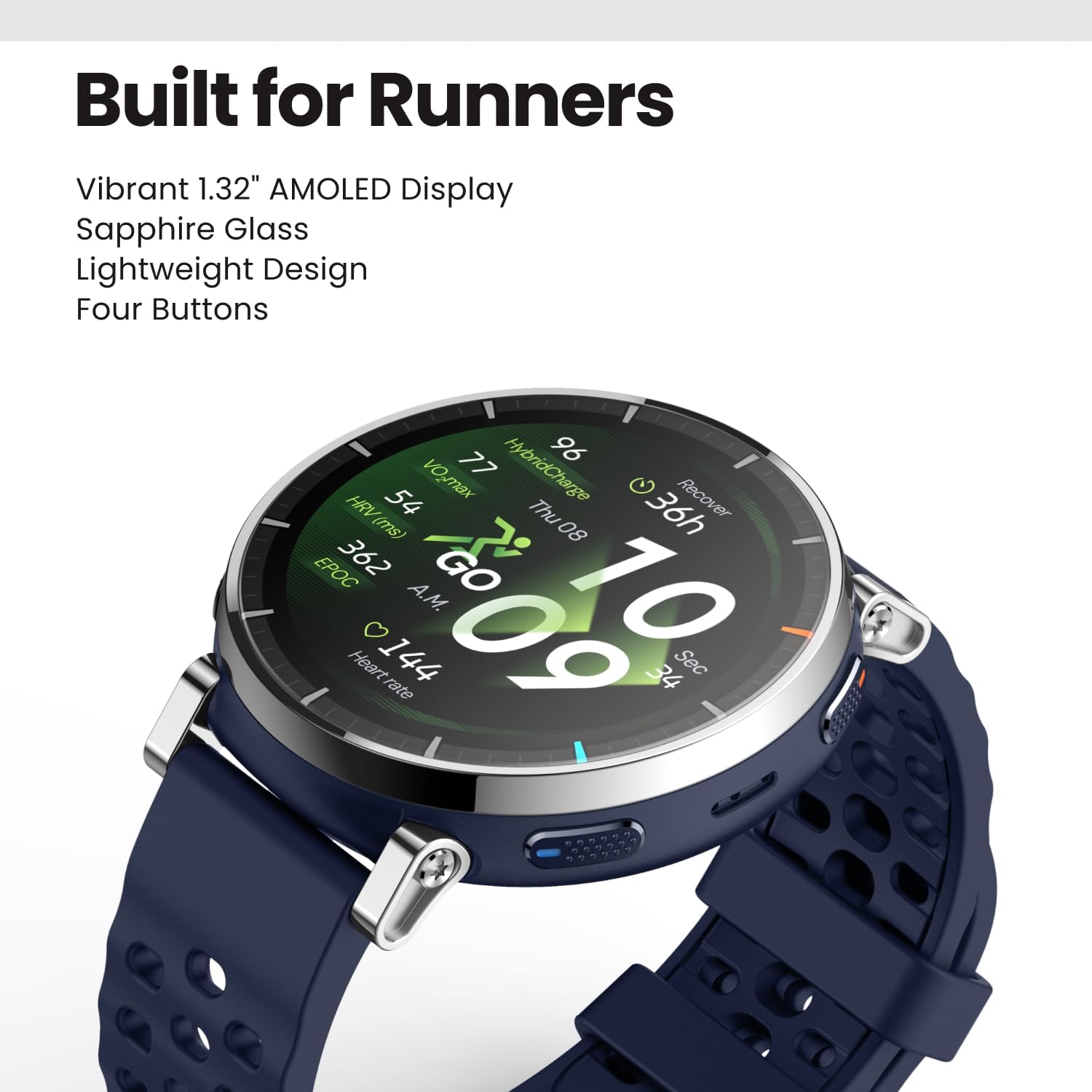
Everyday usability also depends on the quality of the screen and interface. Touchscreen watches such as Apple Watch, Pixel Watch, and some Garmin or Suunto models feel intuitive for swiping through training data. For wet, cold, or gloved conditions, physical buttons on a running watch can still be the best choice for reliable control during intense running sessions.
Health, injury prevention, and deeper training insights
The best fitness trackers for running now act as early warning systems for health and injury risks. Continuous heart rate tracking, sleep analysis, and stress metrics help you adjust training before fatigue becomes a problem. When your resting heart rate rises and sleep quality drops, your watch or ring can suggest easier running days.
Advanced GPS watch platforms from Garmin, Suunto, Coros, and Apple combine heart rate data with pace and elevation to estimate training load. These fitness trackers highlight when your running volume climbs too quickly, which can increase injury risk. Pairing this information with a dedicated knee support strategy for meniscus issues can create a more complete protection plan.
Sleep tracking has become central to best fitness practices for endurance athletes. Devices like Oura Ring, Apple Watch, Pixel Watch, and Garmin Fenix monitor sleep stages, heart rate variability, and night time movement. When your sleep data shows repeated short nights, your training plan should shift toward lower intensity running and more recovery.
In addition, many running watches now integrate with specialised workout and tracker apps. Using the right fitness tracker app for structured training can turn raw GPS running files into actionable coaching. Over time, this combination of accurate life GPS records, heart rate trends, and sleep insights builds a detailed picture of your overall fitness and resilience.
Comparing leading brands for different types of runners
When evaluating the best fitness trackers for running, it helps to match brands to runner profiles. Garmin Forerunner and Garmin Fenix lines target performance focused athletes who want deep training metrics and long battery life. Apple Watch and Pixel Watch appeal to runners who value smart features, apps, and seamless phone integration alongside solid fitness tracking.
Suunto and Coros Vertix watches often attract trail and mountain runners. Their rugged designs, strong specs battery performance, and reliable dual frequency GPS running capabilities support long hours in remote terrain. For these athletes, a durable running watch with dependable life GPS tracking can be more important than advanced lifestyle apps.
Oura Ring stands apart as a specialist in sleep and recovery rather than pure running watches. Many serious runners wear an Oura Ring at night and a GPS watch during training sessions. This combination allows continuous heart rate and sleep tracking without sacrificing the focused running features of a dedicated fitness tracker.
High end models like watch ultra editions push boundaries on screen brightness, safety tools, and multi band GPS watch performance. However, not every runner needs the most expensive or best running device to achieve best fitness results. The smartest choice balances price, comfort, battery life, and the specific tracking features that genuinely support your training goals.
Making sense of metrics, apps, and long term progress
Owning the best fitness trackers for running only matters if you understand the metrics they provide. Heart rate zones, pace, cadence, and training load should guide your daily decisions, not overwhelm you. Start by focusing on a few core indicators that match your current fitness level and running goals.
Most modern running watches and rings sync with companion apps that visualise your data. Whether you use Garmin Connect, Apple Health, Google Fit on a Pixel Watch, or a third party workout platform, consistency is crucial. Pairing your device with an appropriate exercise workout app for structured plans can simplify training decisions.
Over weeks and months, review how your heart rate at a given pace changes. If your GPS running files show faster times at the same heart rate, your best fitness strategy is working. When progress stalls, adjust your training mix of easy running, intervals, and rest days rather than immediately changing watch or ring.
Battery life and specs battery details also influence long term satisfaction. A GPS watch that needs charging every few hours will disrupt tracking and reduce data continuity. By choosing a running watch, watch ultra, or ring with reliable life GPS performance and comfortable wear, you build a sustainable habit of monitoring your fitness trackers data every day.
How to choose the right device for your running journey
Selecting among the best fitness trackers for running starts with an honest self assessment. Define how many hours per week you run, where you train, and which metrics truly matter. A casual runner may prioritise comfort and smart features, while a marathoner needs precise GPS running and robust battery life.
If you value deep training analysis, a Garmin Forerunner, Garmin Fenix, Suunto, or Coros Vertix running watch may suit you best. These GPS watch options emphasise heart rate data, dual frequency positioning, and long life GPS performance for extended sessions. Their detailed training dashboards help translate tracking numbers into practical best fitness decisions.
Runners who want a versatile lifestyle device might prefer Apple Watch, Pixel Watch, or a premium watch ultra model. These watches integrate notifications, payments, and apps with strong fitness tracker capabilities. Pairing them with an Oura Ring can enhance sleep tracking and recovery insights without adding another bulky device.
Before buying, compare weight, screen readability, specs battery claims, and real world battery tests. Ensure the watch or ring fits comfortably, supports your preferred training apps, and offers reliable heart rate tracking. With a thoughtful choice, your fitness trackers become trusted partners that guide your running watches journey for many hours and many kilometres.
Key statistics about fitness trackers and running performance
- Up to 20–30 % of recreational runners report using a GPS watch or fitness tracker during most weekly sessions.
- Studies show that structured training guided by heart rate zones can improve running performance by approximately 5–10 % over several months.
- Battery life for modern GPS running watches ranges from about 6–8 hours on compact smartwatches to more than 30 hours on endurance focused models.
- Sleep tracking data indicates that runners who consistently achieve at least 7 hours of sleep per night report fewer overuse injuries.
- Dual frequency GPS technology can reduce positional errors in dense urban environments by several metres compared with older single band systems.
Common questions about the best fitness trackers for running
Are fitness trackers accurate enough for serious running training ?
Most modern fitness trackers and running watches provide sufficiently accurate GPS and heart rate data for structured training. While occasional errors occur, especially in dense cities or during rapid intensity changes, trends over time remain reliable. Serious runners often combine wrist based sensors with occasional chest strap checks to validate heart rate zones.
Should I choose a running watch or a smart watch for running ?
A dedicated running watch usually offers longer battery life, stronger GPS performance, and more detailed training metrics. A general smart watch such as Apple Watch or Pixel Watch adds lifestyle features but may require more frequent charging. Your choice depends on whether performance metrics or everyday smart functions matter more to you.
Is a ring like Oura Ring enough for runners without a GPS watch ?
A ring such as Oura Ring excels at sleep, recovery, and continuous health tracking but does not replace full GPS running capabilities. For runners who care about pace, distance, and route maps, a GPS watch remains essential. Many athletes therefore pair a ring for 24 hour monitoring with a running watch for outdoor sessions.
How important is dual frequency GPS for everyday runners ?
Dual frequency GPS improves accuracy in challenging environments such as city centres, forests, or mountains. Everyday runners who mostly train in open parks or suburban areas may not notice a dramatic difference. However, those who race in urban marathons or run on technical trails often appreciate the cleaner life GPS tracks.
What battery life should I look for in a fitness tracker for running ?
For short daily runs and general use, a device that lasts one to two days with regular charging can be sufficient. If you train for marathons, ultras, or multi day events, aim for at least 15–20 hours of continuous GPS tracking. Longer battery life reduces charging stress and ensures your fitness tracker records every important session.