Summary
Editor's rating
Value For Money: Good Deal If Your Expectations Are Realistic
Bulky But Thought‑Out Design (With A Few Quirks)
Comfort: Easy On The Joints, Seat Is OK But Not Perfect
Build Quality & Durability: Feels Solid, But Assembly Matters
Performance: Great For Light To Moderate Workouts, Not For Hardcore Training
What You Actually Get With This Machine
Pros
- Very quiet, smooth, low‑impact motion that’s easy on knees and hips
- Comfortable recumbent position with a wide, adjustable seat and backrest
- Solid frame and stable feel for the price, with decent long‑term durability
- Full‑body option with moving arm handles plus simple, no‑fee SunnyFit app access
Cons
- Maximum resistance is limited for very fit or strong users
- Assembly is time‑consuming and tension cable hookup can be tricky
- Heart rate sensors are unreliable and the console is very basic
- Fit can be tight for users over about 6'1" / 185 cm

Specifications
View full product page →| Brand | Sunny Health & Fitness |
A Home Cardio Machine That’s Actually Realistic To Use
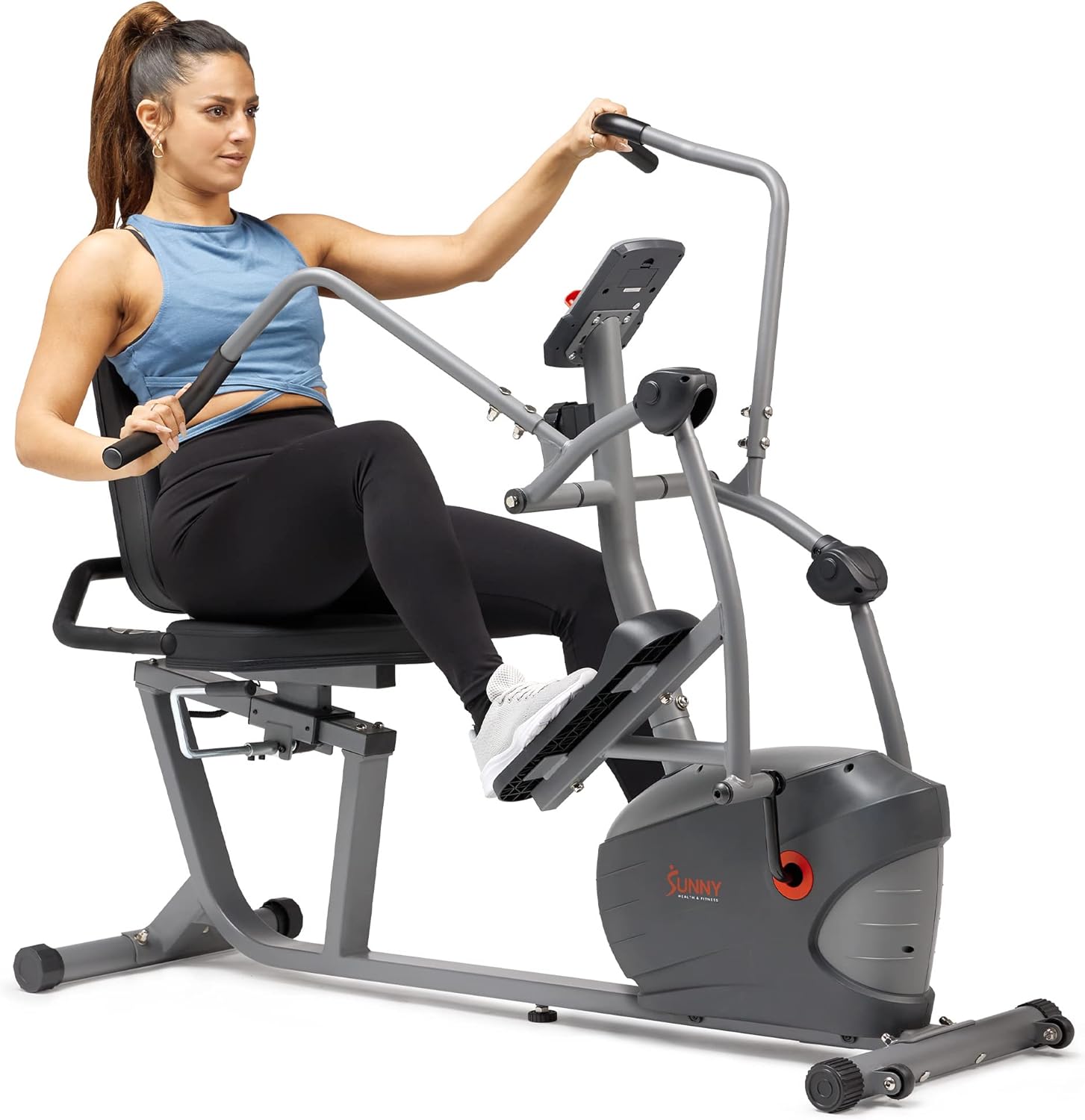
I’ve been using the Sunny Health & Fitness Smart Recumbent Bike / Recumbent Elliptical for a while at home, mainly because I wanted something I could actually stick with, not another bulky machine that becomes a clothes rack. I’m not a hardcore cyclist, I just wanted low‑impact cardio I could do while half‑paying attention to Netflix. This one looked like a decent middle ground: seated, full‑body, not too expensive compared to the big brands.
Out of the box, it’s clear this is not a tiny gadget. It takes up a fair bit of space, and assembly is a bit of a project. If you’re expecting to be riding 20 minutes after the delivery guy leaves, that’s not happening. Plan on a couple of hours, especially if you’re doing it alone. The upside is that once it’s built, it feels more like a proper piece of gym equipment than a flimsy budget bike.
My use case is pretty simple: 20–40 minutes a day, sometimes twice, light to moderate intensity. I’m not trying to train for a race, just keep my joints happy and my heart rate up. For that type of use, this machine fits pretty well. It’s quiet enough that I can ride while my partner is watching TV next to me without anyone complaining, which is a big plus in a small place.
In short, this isn’t perfect, and there are a few things that annoyed me, especially during assembly and with the heart rate readings. But for the price and what it offers—reclined position, moving arms, low impact—it’s pretty solid. If you’re expecting gym‑level resistance or super polished tech features, you’ll probably feel a bit underwhelmed. If you just want a reliable, comfy cardio tool at home, it gets the job done.
Value For Money: Good Deal If Your Expectations Are Realistic
In terms of value, this sits in a sweet spot between super cheap flimsy bikes and the pricey big‑name recumbent cross trainers. You’re not paying Teeter or commercial gym prices, but you’re getting more than the random $200 specials that start squeaking on day three. For the money, you get a full‑body, low‑impact machine with a solid frame, quiet belt drive, and enough resistance for most casual users.
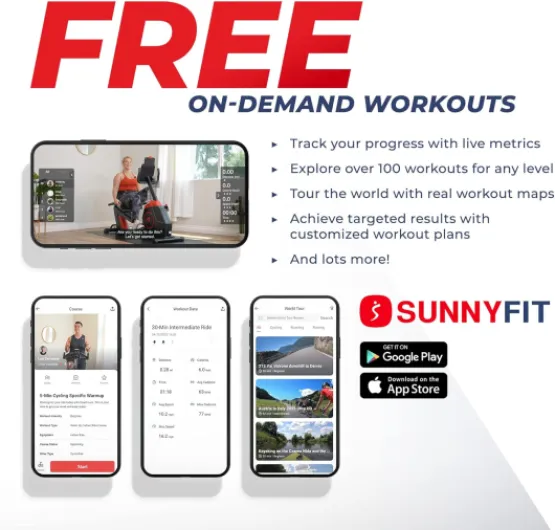
Where they clearly saved money is on the console and the overall “finish.” The monitor is basic, the plastic isn’t premium, and the heart rate sensors are so‑so. If you’re expecting fancy programs, Bluetooth heart rate syncing, or an HD screen, you’ll be disappointed. You do get the free SunnyFit app, which is a nice extra: over 1,000 workouts, scenic routes, and tracking. It’s not on the same level as the big subscription platforms, but at least you’re not locked into a monthly payment just to use your machine.
For someone who just wants reliable, low‑impact cardio and is okay with manual resistance and a basic screen, the cost makes sense. You’re paying mainly for the mechanical side: the frame, the drive system, and the comfort. From that angle, it’s good value. The machine feels like it could last several years with normal use, which spreads the cost out nicely compared to a gym membership.
There are definitely better machines out there if you’re willing to pay a lot more, especially if you want heavier resistance, more adjustability for tall users, or high‑end tech. But if your budget is mid‑range and you prefer to own something straightforward that works, this is a sensible buy. I’d call it "good value for money" as long as you understand that you’re not buying a commercial elliptical—just a solid home recumbent cross trainer that gets the job done.
Bulky But Thought‑Out Design (With A Few Quirks)
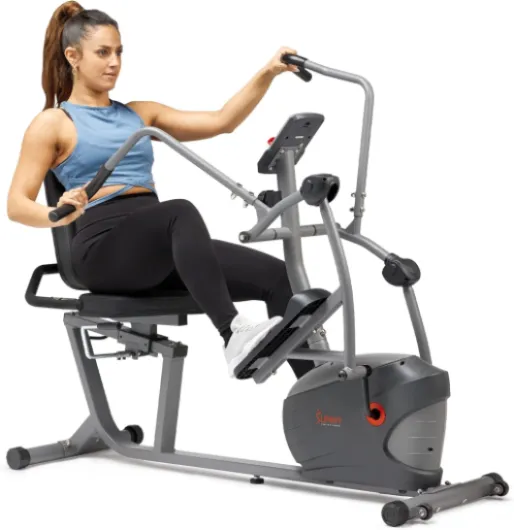
From a design point of view, this is more practical than pretty. The frame is alloy steel with plastic shrouds around the drive system. It looks like standard home gym equipment: grey/black, a bit industrial, not something you buy as furniture. It’s not ugly, just plain and functional. If you care about aesthetics, it’s fine in a basement or spare room; in a living room it blends in enough if you don’t mind a big machine sitting there.
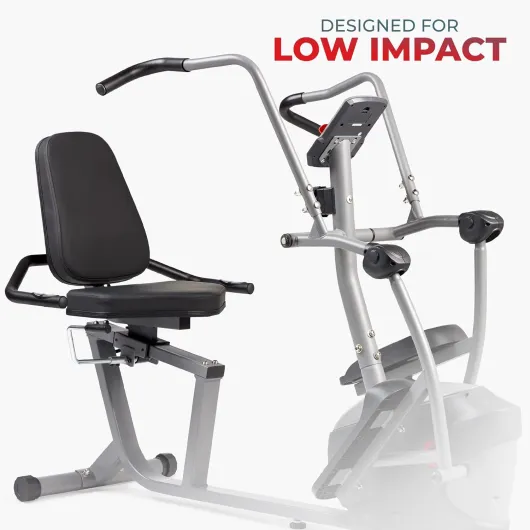
The layout is where it makes more sense. The step‑through area is fairly open, so if you’ve got mobility issues or you’re recovering from surgery (like some people mentioned in the reviews), you don’t have to climb over anything high. You basically step through and sit down, which is way easier than getting on a high spin bike. The seat is on a rail that you can adjust forward and back, and the handles are positioned so you can grab them easily once you’re seated.
There are some small design annoyances. The console is very basic and the phone/tablet holder doesn’t feel super secure if you’re really shaking the machine. If you pedal hard, your phone will wobble a bit, so I wouldn’t trust an unprotected phone on there unless you’re going at a moderate pace. Also, the heart rate sensors are on the seat handles, so if you’re using the moving arm handles, you obviously lose heart rate tracking, which kind of defeats the purpose if you want to monitor your pulse during a full‑body session.
On the plus side, the whole drive system is belt‑driven and enclosed, which keeps things quiet and avoids dust and pet hair getting into moving parts too easily. The floor stabilizers and transport wheels are actually useful, not just a marketing line. Once you get the machine leveled, it stays put. I’ve had a tiny bit of shake at higher cadences, but nothing dramatic, and tightening bolts helped. Overall, the design is sensible for home use, just don’t expect clever storage tricks or a super sleek look.
Comfort: Easy On The Joints, Seat Is OK But Not Perfect
Comfort is the main reason to buy something like this instead of a normal upright bike, and on that front it does pretty well. The seated position is relaxed, with your back supported and your legs out in front of you. For knees, hips, and lower back, this is much kinder than a treadmill or a cheap upright bike. I’ve had some knee pain on regular bikes when the seat height is off; here, once I dialed in the seat distance, I could ride 30–40 minutes without any real discomfort.
The seat itself is wide and padded. It’s not a sofa, but it’s better than the narrow torture devices you get on spin bikes. For shorter rides (20–30 minutes), I had no issue. Around the 45–60 minute mark, I started to feel that typical “I’ve been sitting on this for a while” pressure. It’s not terrible, but I can see why some people buy an extra cushion. If you have a sensitive tailbone or you plan on doing long sessions every day, adding a padded cover is probably a good move. The backrest is decent, supports the lower back fairly well, and doesn’t feel flimsy.
The motion itself is smooth. The elliptical foot path feels natural, not jerky. There’s no jarring impact, so if you’ve got bad knees or are coming back from an injury, this is friendly. The moving arm handles are placed so your shoulders don’t feel cramped. I’m average height, and the reach felt normal. Taller folks (over about 6'1" / 185 cm) might feel a bit tight according to some buyers, so if you’re tall, that’s something to keep in mind.
Noise-wise, it’s very quiet. You hear a soft whoosh from the belt and some mechanical movement, but nothing loud. I could easily watch TV at normal volume or ride early in the morning without waking anyone. The only time I had a noise issue was a light squeak that showed up after a few sessions, but tightening some bolts fixed it. In daily use, comfort is one of the strong points: it’s the kind of machine you can use while zoning out in front of a show, which is exactly what makes you actually use it regularly.
Build Quality & Durability: Feels Solid, But Assembly Matters
Out of the box, the parts felt sturdier than I expected for this price. The frame is thick enough, welds look clean, and the hardware (bolts, nuts, washers) isn’t the cheap, soft metal you sometimes get with budget machines. Once assembled and tightened, the whole thing feels stable. I’m under the weight limit, and even when I pedaled faster or pushed resistance up, there was no scary flexing or major wobble. A slight shake at high cadence, yes, but tightening the bolts and adjusting the floor stabilizers helped a lot.
One thing that several users mentioned, and I noticed too: how well you assemble it really affects durability and noise. If you rush it, don’t fully tighten bolts, or mess up the tension cable, you’re asking for squeaks and mechanical issues. The tension cable in particular is a bit annoying to hook up; if that’s not seated right, you can get weird resistance behavior. When I heard a light squeak after a few sessions, I went back over the main bolts with a wrench and it went away. So, if you’re not handy, maybe get someone who is to help you.
After repeated use, the belt drive stayed quiet, and the resistance levels stayed consistent. No grinding or sudden changes. The plastic covers haven’t cracked or loosened so far, even when moving the machine around by the transport wheels. Speaking of that, rolling it is okay but not effortless—there’s some weight to it. I’d avoid dragging it over thick carpet too often if you want to keep the wheels intact.
The warranty is 3 years on the structural frame and 180 days on parts, which is decent in this price range. It’s not top‑tier coverage, but better than some no‑name brands that give almost nothing. Based on feel and user reviews that talk about using it for a year or two without major issues, I’d say durability is pretty solid for home use. If you treat it like a home machine and not a commercial gym workhorse, it should hold up well. Just don’t skip the regular bolt check every few months.
Performance: Great For Light To Moderate Workouts, Not For Hardcore Training
On performance, you have to be honest about what this machine is built for. It has 8 levels of magnetic resistance, manually controlled by a dial. The range goes from very easy (level 1–2) to moderately challenging (7–8). For general fitness, weight loss, and rehab, that’s fine. I could get my heart rate into a solid cardio zone at level 5–6 while keeping a steady cadence. At level 8, I could feel a decent burn in my legs, but it’s not the kind of heavy resistance you’d use for serious strength intervals if you’re already quite fit.
If you’re used to commercial gym ellipticals with big flywheels and 20+ resistance levels, this will feel lighter, no question. For beginners, older users, or people coming back from injury, that’s actually a plus—you’re less likely to overdo it. But if you’re a strong cyclist or someone who likes brutal HIIT, you might hit the ceiling pretty quickly. The Amazon review saying "maximum resistance is not that much" is fair. It’s enough for most normal users, but not for power junkies.
The movement is smooth and consistent. I didn’t feel any dead spots in the pedal stroke, and the arm motion synced well with the legs. Using both arms and legs together definitely makes the workout feel more efficient—you can raise your heart rate faster without cranking the resistance too high. You can also isolate: legs only (let go of the moving arms) or arms only (rest your feet and just pump the handles). It’s not as polished as separate upper/lower machines, but it works if you want to target one area more.
The console gives you basic stats. I mainly used time, distance, and RPM. Calories are just a rough guess, like on most machines. The heart rate reading from the seat handles was hit or miss: sometimes it locked on after 10–15 seconds, other times it jumped around or didn’t register properly. If accurate heart rate is important to you, use a chest strap or smartwatch instead. Overall, for a home user who wants consistent low‑impact cardio, the performance is good. For serious athletes chasing high resistance and detailed metrics, it’ll feel limited.
What You Actually Get With This Machine
This thing is basically a cross between a recumbent bike and an elliptical. You’re sitting in a reclined position like on a recumbent bike, but your feet move in more of an elliptical path, and you’ve got moving handles for the arms. So it’s sold as a "full‑body" trainer, but you can easily use just legs or just arms if you want. It weighs around 86 lb (about 39 kg) and the footprint is roughly 63" x 29" x 48", so it’s not tiny. If you live in a studio, measure your space before you buy.
It uses magnetic resistance with 8 manual levels—no power cord for the resistance itself, just batteries for the console. The console is basic but covers the essentials: time, speed, RPM, distance, calories (rough estimate), heart rate (through the seat handles), and resistance level. There’s a little device holder in the middle where you can drop a phone or tablet. It’s not fancy, but it’s enough to keep you entertained while you pedal.
One thing that stands out compared to some cheaper bikes I’ve tried: the frame actually feels decent. It’s rated up to 120 kg (about 265 lb), and it doesn’t feel like it’s about to twist apart when you pick up the pace. There are floor stabilizers on the front and rear so you can adjust if your floor is slightly uneven. It also has transport wheels, so you can tilt and roll it if you need to move it. It’s not effortless, but it’s manageable for one reasonably strong adult.
Overall, in terms of raw features, you’re getting: a recumbent seat, elliptical‑style foot motion, moving handles, 8 resistance levels, a basic but serviceable monitor, and app connectivity through SunnyFit. Nothing here screams “premium gym machine,” but for the price bracket, it’s a pretty complete package. The key is understanding what it is: a mid‑range home machine for general fitness, not a high‑end trainer for serious athletes.
Pros
- Very quiet, smooth, low‑impact motion that’s easy on knees and hips
- Comfortable recumbent position with a wide, adjustable seat and backrest
- Solid frame and stable feel for the price, with decent long‑term durability
- Full‑body option with moving arm handles plus simple, no‑fee SunnyFit app access
Cons
- Maximum resistance is limited for very fit or strong users
- Assembly is time‑consuming and tension cable hookup can be tricky
- Heart rate sensors are unreliable and the console is very basic
- Fit can be tight for users over about 6'1" / 185 cm
Conclusion
Editor's rating
Overall, the Sunny Health & Fitness Smart Recumbent Bike / Recumbent Elliptical is a pretty solid choice if you’re looking for low‑impact, full‑body cardio at home without dropping a fortune. It’s comfortable, quiet, and stable once assembled properly. The seated position and smooth elliptical motion are easy on the joints, which makes it a good fit for older users, people recovering from injuries or surgery, or anyone who just hates the pounding from running. For everyday use—20 to 40 minutes while watching TV—it does exactly what you’d expect.
It’s not perfect. The resistance tops out at “moderately hard,” not “brutal,” so strong or very fit users might find the top levels a bit underwhelming. The console is basic, the heart rate readings are unreliable, and assembly can be a bit of a project if you’re not handy. Tall users over roughly 6'1" may also feel a bit cramped. But most of these issues are trade‑offs for the price point, not dealbreakers.
If you want a simple, low‑maintenance machine that lets you pedal in comfort, work both arms and legs, and avoid monthly app fees, this is a good fit. It’s best for beginners to intermediate users, people focused on general fitness, weight loss, or rehab, and anyone who values quiet operation in a shared living space. If you’re chasing very heavy resistance, advanced metrics, or a premium tech experience, you should probably look at higher‑end models and be ready to pay more.