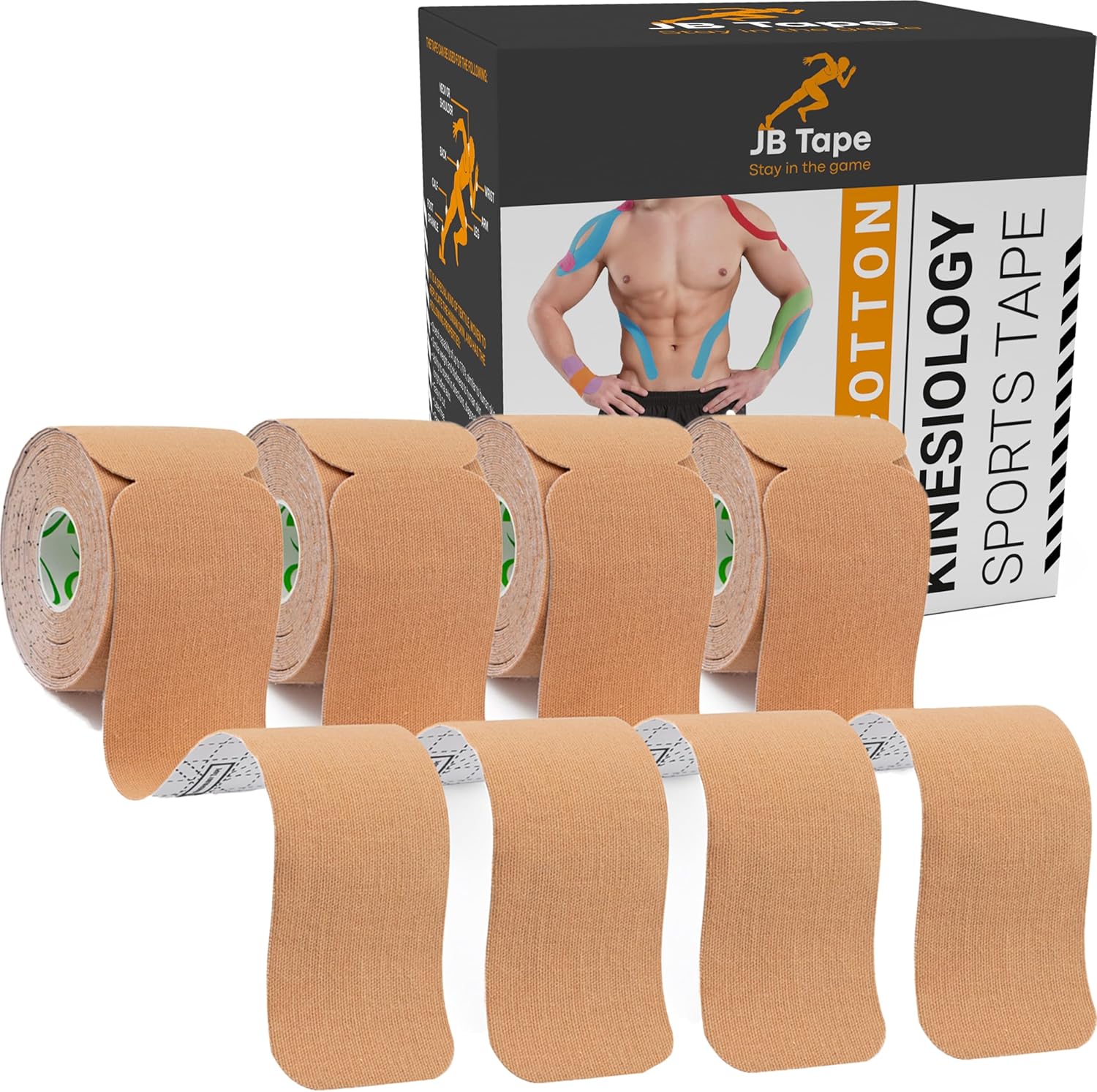

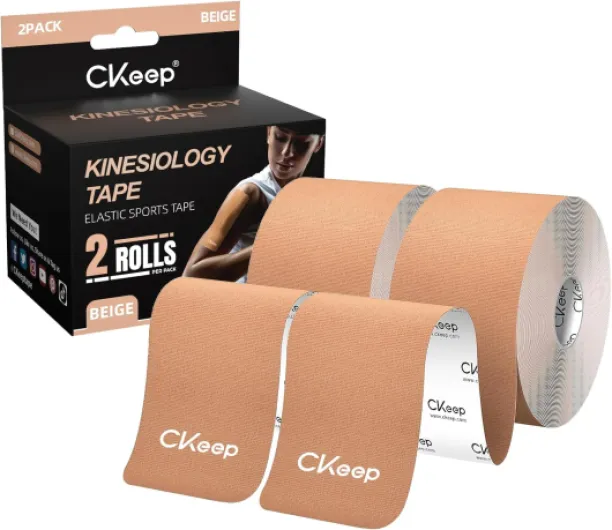
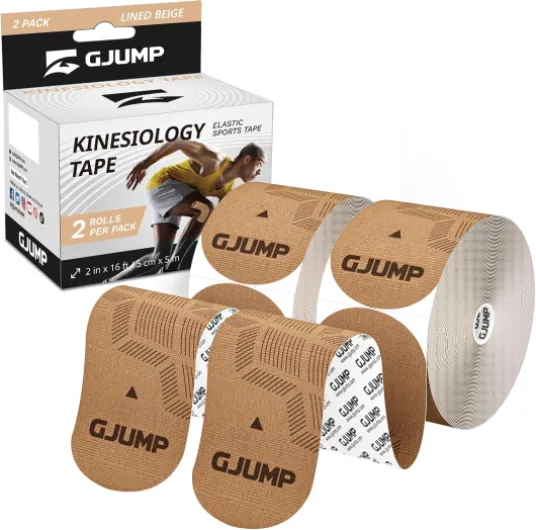
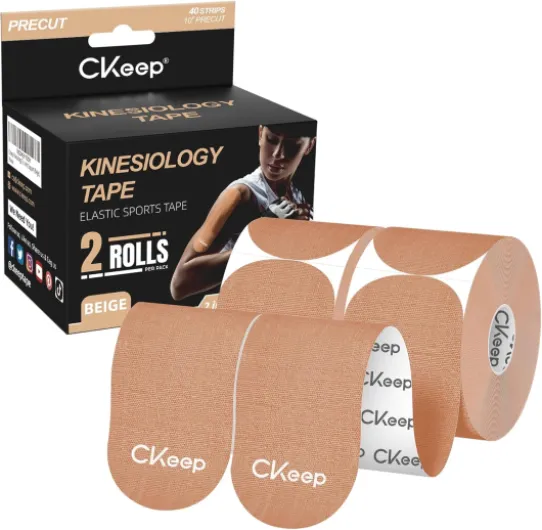

What is kinesiology tape and why is it used
Exploring the Basics of Kinesiology Tape
Kinesiology tape, sometimes called kinesio tape, is a stretchy, adhesive tape designed to mimic the elasticity of human skin. This unique property allows it to move with your body, making it a popular tool in physical therapy and sports settings. The tape is applied directly to the skin, often over muscles or joints, to provide support without restricting movement. Its use has grown among athletes, patients in rehabilitation, and people seeking to manage pain or prevent injury during physical activity.
Unlike traditional athletic tape, which is usually rigid and used to immobilize joints, kinesiology taping aims to facilitate natural movement. The tape helps by gently lifting the skin, which can create space between the skin and underlying tissues. This effect is believed to support lymphatic drainage, reduce swelling, and improve blood flow in the taped area. Many physical therapists and clinicians use kinesiology taping as part of a broader manual therapy or rehabilitation plan, especially for conditions like shoulder pain, knee pain, or muscle fatigue.
- Support for muscles and joints: Kinesiology tape is often used to help stabilize muscles and joints during activity, potentially reducing the risk of injury.
- Pain management: People with chronic or acute pain, such as from sports injuries or overuse, may find relief with proper taping techniques.
- Physical therapy applications: In clinical practice, tape kinesiology is used to assist patients recovering from injury, surgery, or muscle imbalances.
As you read further, you’ll discover more about the science behind how this tape works, common taping techniques, and tips for safe use. If you’re interested in optimizing your fitness journey, understanding the right tools and methods is essential. For those exploring other supportive gear, you might find this guide on choosing the right ruck plate for your fitness goals helpful as well.

The science behind kinesiology tape
How does kinesiology tape interact with your body?
Kinesiology tape, often called kinesio tape, is designed to mimic the elasticity of human skin. When tape is applied, it gently lifts the skin, creating microscopic spaces between the skin and the underlying tissues. This action is believed to help with several physical processes that are important for both athletes and people in physical therapy.
- Support for muscles and joints: The tape helps support muscles and joints without restricting movement. This can be especially useful for people dealing with shoulder pain, knee pain, or other joint discomfort.
- Pain reduction: By lifting the skin, kinesiology taping may reduce pressure on pain receptors. This can help decrease the sensation of pain, making it easier for patients to move and continue their physical activities.
- Lymphatic drainage: The lifting effect of the tape also creates more space for lymphatic fluid to flow. Improved lymphatic drainage can help reduce swelling and inflammation after an injury.
- Improved movement: Kinesio taping can help guide and support movement patterns, which is why it’s often used in clinical practice and by physical therapists. The tape works by providing feedback to the body, helping people maintain better posture and movement during activity.
Research on kinesiology tape is ongoing, and while some studies show benefits for pain relief and support, others suggest the effects may be modest or vary between individuals. The effectiveness of tape kinesiology can depend on how the tape is applied, the specific injury or condition, and the overall treatment plan, which may include manual therapy or other interventions.
It’s important to note that while kinesiology tape can help with injury prevention and recovery, it is not a cure-all. Some people may experience skin irritation or discomfort, especially if the tape is left on too long or applied incorrectly. Always consult a physical therapist or healthcare professional for guidance on proper taping techniques and to ensure the tape helps rather than hinders your recovery.
For a deeper dive into how kinesiology tape works for fitness tracking and injury support, you can read this detailed guide.
How kinesiology tape can support your fitness tracking goals
Integrating kinesiology tape into your fitness tracking routine
When it comes to fitness tracking, many people focus on data from wearables, but physical support and injury prevention are just as important. Kinesiology tape, often called kinesio tape, can play a valuable role in helping you reach your fitness goals by supporting muscles and joints during activity. This support can help reduce pain and discomfort, allowing you to maintain your movement and stay consistent with your training.
For those using fitness trackers to monitor progress, incorporating kinesiology taping can help you stay active even when dealing with minor injuries or muscle fatigue. Tape works by gently lifting the skin, which may improve blood flow and lymphatic drainage. This can be particularly helpful for people experiencing issues like knee pain or shoulder pain, as it can reduce swelling and provide a sense of stability without restricting movement.
- Support for muscles and joints: Kinesiology tape helps stabilize muscles joints, making it easier to perform exercises with proper form.
- Pain management: Many patients in physical therapy use tape to help manage pain from injuries or overuse, which can keep you on track with your fitness goals.
- Injury prevention: By providing extra support, kinesio taping can help prevent common injuries, especially during intense workouts or repetitive movements.
Clinical practice and research suggest that kinesiology taping, when applied correctly, can complement manual therapy and other rehabilitation techniques. Physical therapists often recommend tape for people recovering from injury or looking to enhance their performance. However, it’s important to note that while tape helps, it is not a cure-all and should be used as part of a broader fitness and therapy plan.
For those interested in optimizing their fitness tracking, combining kinesiology tape with modern tracking technology can offer a more holistic approach. For example, tracking hydration is crucial for muscle recovery and performance. You can read about how hydration tracking is evolving to further support your fitness journey.
Common applications and techniques for kinesiology tape
Popular Ways to Use Kinesiology Tape in Fitness and Recovery
Kinesiology tape is widely used in both athletic and clinical practice to help support muscles and joints during movement. The tape is designed to mimic the elasticity of human skin, allowing for a full range of motion while providing targeted support. Here are some of the most common applications and techniques for kinesiology taping:
- Muscle Support: Tape helps reduce fatigue and promote proper muscle function. For example, taping along the quadriceps or hamstrings can help athletes maintain muscle alignment and reduce the risk of strain during intense workouts.
- Joint Stability: Kinesio tape is often applied around joints like the knee, ankle, or shoulder to provide extra stability without restricting movement. This can be especially helpful for people recovering from injury or those with chronic joint pain.
- Pain Relief: Many patients use kinesiology taping to help manage pain, such as shoulder pain or knee pain. The tape works by lifting the skin slightly, which may help reduce pressure on pain receptors and improve circulation in the affected area.
- Lymphatic Drainage: Some taping techniques are designed to support lymphatic flow and reduce swelling. By applying the tape in a specific pattern, physical therapists can help patients manage post-injury swelling or bruising.
- Posture Correction: Tape kinesiology can be used to encourage better posture by providing gentle reminders to keep the shoulders back or the spine aligned during daily activities or exercise.
Basic Taping Methods and Considerations
There are several ways to apply kinesiology tape, depending on the goal and the area of the body. Here are a few common techniques:
- I-strip: A single strip of tape applied along the length of a muscle or joint to provide general support.
- Y-strip: The tape is cut into a "Y" shape to wrap around muscles or joints, often used for larger muscle groups or areas like the shoulder.
- Fan strip: Used for lymphatic drainage, this technique involves multiple thin strips to cover a broader area and help with swelling.
Physical therapists often tailor the taping technique to the individual, considering factors like skin sensitivity, the specific injury, and the desired outcome. It’s important to ensure the tape is applied to clean, dry skin to minimize the risk of skin irritation. People with sensitive skin should monitor for any adverse reactions and consult a healthcare professional if needed.
In summary, kinesiology taping is a versatile tool in both fitness and therapy settings. Whether you are an athlete, a patient in physical therapy, or someone looking for extra support during movement, understanding how tape works and the best ways to apply it can help you get the most benefit while minimizing potential risks.
Potential benefits and limitations of kinesiology tape
What kinesiology tape can do for your fitness journey
Kinesiology tape is widely used in physical therapy and sports settings, but its benefits and limitations are often misunderstood. When tape is applied correctly, it can help support muscles and joints during movement, which may reduce discomfort and improve function for some people. Many patients use kinesio tape to manage pain, especially in areas like the shoulder, knee, or back. The tape works by gently lifting the skin, which is thought to promote lymphatic drainage and decrease swelling after injury or intense activity.Potential benefits of kinesiology taping
- Pain relief: Kinesiology taping can help reduce pain by supporting injured muscles and joints, and by improving circulation under the skin.
- Support during movement: The tape helps stabilize muscles and joints without restricting range of motion, making it a popular choice for athletes and people in physical therapy.
- Swelling and inflammation: By lifting the skin, kinesio tape may assist with lymphatic drainage, which can help decrease swelling after injury.
- Injury prevention: Some clinical practice guidelines suggest that tape kinesiology can help prevent re-injury by providing extra support during physical activity.
Limitations and considerations
- Not a cure-all: While kinesiology tape can help with pain and support, it is not a replacement for proper medical care or manual therapy. It should be used as part of a broader physical therapy plan.
- Mixed evidence: Research on the effectiveness of kinesio taping is mixed. Some studies show benefits for pain and function, while others find little to no difference compared to other treatments (source: National Institutes of Health, "Kinesio Taping in Treatment and Prevention of Sports Injuries").
- Skin irritation: Some people may experience skin irritation or allergic reactions from the adhesive. It’s important to monitor the skin under the tape and remove it if irritation occurs.
- Proper application required: For tape to work as intended, it must be applied correctly. Consulting a physical therapist or trained professional is recommended, especially for complex injuries or sensitive areas like the shoulder or knee.
When kinesiology tape helps most
Kinesiology taping is most effective when used for mild to moderate support, such as managing shoulder pain, knee pain, or minor muscle strains. It can be a valuable tool for people who want to stay active during recovery, but it’s not a substitute for a comprehensive injury prevention or rehabilitation program. In clinical practice, tape helps many patients, but results can vary depending on the individual, the injury, and how the tape is applied.Tips for safe and effective use of kinesiology tape
Practical steps for safe taping
- Always clean and dry your skin before applying kinesiology tape. Oils, lotions, or sweat can prevent the tape from sticking and reduce its effectiveness.
- Trim excess hair in the area where the tape will be applied. This helps the tape adhere better and makes removal less uncomfortable.
- Cut the tape with rounded edges. This simple step can prevent the corners from peeling up prematurely during movement or exercise.
When to seek professional guidance
If you are new to kinesiology taping or have a specific injury, consulting a physical therapist or trained professional is recommended. They can show you proper taping techniques for your muscle or joint needs, especially for complex areas like the shoulder or knee. Clinical practice shows that correct application is crucial for optimal support and pain relief.
Recognizing and preventing skin irritation
- Monitor your skin for any signs of irritation, redness, or itching. If you notice discomfort, remove the tape immediately.
- Some people may be sensitive to the adhesive. Test a small patch of tape on your skin before full application, especially if you have sensitive skin or a history of allergies.
- Do not apply tape over open wounds, rashes, or broken skin. This can increase the risk of infection and worsen irritation.
Maximizing tape benefits and avoiding misuse
- Follow recommended guidelines for how long to keep the tape applied. Most kinesiology tapes are designed to stay on for three to five days, but this can vary depending on your activity level and skin type.
- Do not overstretch the tape during application. Too much tension can cause skin irritation and reduce the tape's effectiveness in supporting muscles and joints.
- Be mindful of your body’s response. If you experience increased pain, swelling, or restricted movement, discontinue use and consult a healthcare professional.
Integrating kinesiology taping with your fitness routine
Kinesio taping can be a helpful addition to your fitness tracking and injury prevention strategies. It is not a substitute for proper warm-up, cool-down, or manual therapy. Use tape as part of a broader approach that includes physical therapy, strength training, and movement education. Remember, tape helps support muscles and joints, but it should not replace medical advice or treatment for serious injuries.