
What is KT tape and why is it used in fitness?
Understanding the Role of Kinesiology Tape in Fitness and Recovery
Kinesiology tape, often called kinesio tape or simply "tape," is a stretchy, water resistant adhesive strip designed to mimic the elasticity of human skin. Unlike traditional athletic tape, which restricts movement, kinesiology tape allows for a full range of motion while providing targeted support to muscles and joints. This unique property makes it popular among athletes, fitness enthusiasts, and patients in physical therapy.
The main purpose of taping in fitness is to offer support to muscles and joints without limiting movement. When tape is applied correctly, it can help reduce pain, improve circulation, and support the body's natural healing processes. Many physical therapists and trainers recommend kinesiology tape for issues like knee pain, muscle fatigue, or joint instability, as it can help relieve discomfort and promote better movement patterns during workouts.
Another reason for the popularity of kinesiology tape is its versatility. It can be used for a variety of physical concerns, from minor strains to chronic pain relief. The tape works by gently lifting the skin, which is believed to enhance lymphatic drainage and decrease pressure on pain signals. This mechanism is often discussed in physical therapy and supported by some research, including meta analyses that explore its effectiveness for pain relief and improved function.
For those interested in optimizing their fitness routine, combining supportive tools like kinesiology tape with other equipment can be beneficial. For example, using neoprene dumbbell weights alongside taping techniques may help enhance both strength and recovery. As you explore the science behind how tape works and learn how to apply tape correctly, you'll find that kinesiology taping can be a valuable addition to your fitness and injury prevention toolkit.
The science behind KT tape: how does it work?
How does kinesiology tape interact with the body?
Kinesiology tape, often called kinesio tape, is designed to mimic the elasticity of human skin. When applied, the tape gently lifts the skin, creating a small space between the skin and the underlying tissues. This action is believed to help reduce pressure on pain receptors and improve blood and lymphatic flow. The tape works by providing support to muscles and joints without restricting movement, which is crucial for athletes and patients in physical therapy.
Mechanisms behind pain relief and support
Research suggests that the tension created by taping can help with pain relief by altering pain signals sent to the brain. The gentle lifting effect of kinesiology tape may also promote lymphatic drainage, reducing swelling and inflammation in the affected area. This is particularly helpful for knee pain or joint discomfort, where maintaining range of motion is important. While some studies and meta-analyses show positive effects, the scientific community continues to debate exactly how much benefit tape provides beyond placebo. Still, many physical therapists and athletic trainers use kinesiology tape as part of their therapy routines.
Why tape is water resistant and flexible
Kinesiology tape is water resistant, allowing it to stay on the skin during physical activity, showers, or sweating. Its flexibility means it moves with the body, supporting muscles and joints during dynamic movement. This is different from traditional athletic tape, which is usually more rigid and restricts motion. The ability of kinesio tape to stretch and contract with the skin and muscles is key to its supportive function.
What does the evidence say?
While many athletes and patients report positive experiences with kinesiology taping, scientific evidence is mixed. Some studies highlight benefits in pain relief and improved range of motion, while others find minimal effects. The effectiveness of tape often depends on proper application, the specific condition being treated, and individual response. For those interested in optimizing their fitness routines, understanding how to choose the right ruck plate for your fitness goals can also play a role in injury prevention and support, complementing the use of kinesiology tape.
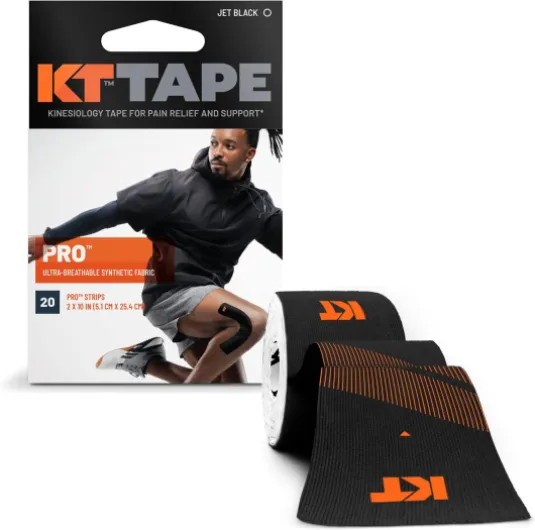

Common uses of KT tape for fitness tracking
Tracking Movement and Recovery with Kinesiology Tape
When it comes to fitness tracking, kinesiology tape—often called kinesio tape or athletic tape—plays a unique role. While it’s not a digital tracker, the way tape is applied can support your physical activity and help monitor your body’s response to exercise. Physical therapists and athletes use kinesiology tape to provide targeted support to muscles and joints, which can be especially helpful during workouts or recovery periods.
- Monitoring Pain and Relief: Many patients use tape to manage pain, especially knee pain or muscle soreness. By observing how pain changes when tape is applied, you can track your body’s response and adjust your training or therapy accordingly.
- Supporting Range of Motion: Kinesiology taping helps maintain a healthy range of motion while offering support. This is important for tracking progress in flexibility and mobility, especially after injury or during physical therapy.
- Observing Swelling and Lymphatic Drainage: Tape works by gently lifting the skin, which can help with lymphatic drainage and reduce swelling. Noting changes in swelling or bruising can be a valuable part of your fitness tracking routine.
- Identifying Muscle Activation: The way tape is applied can highlight which muscles are being supported or activated during movement. This feedback can help you and your physical therapist fine-tune your exercise plan for better results.
- Water Resistant for Active Lifestyles: Many kinesiology tapes are water resistant, so you can track your activity and recovery even during intense workouts or swimming sessions.
While tape does not replace digital fitness trackers, it complements them by providing physical feedback and support. For a deeper look at how technology is changing the way we monitor our health, check out this article on how connected fitness is changing the way we track our health.
Remember, proper application is key for tape to help with pain relief, support, and movement. If you’re unsure how to apply tape or interpret your body’s response, consulting a physical therapist or athletic trainer is always a good idea.
How to apply KT tape correctly
Step-by-step guide to taping for optimal support
Applying kinesiology tape correctly is crucial for achieving the intended support, pain relief, and improved movement. Whether you are using tape for knee pain, muscle support, or to aid lymphatic drainage, following a careful process helps maximize the tape's benefits and minimize skin irritation.- Prepare the skin: Clean and dry the area where the tape will be applied. Remove any oils, lotions, or sweat. If needed, trim excess hair to ensure better adhesion and reduce discomfort during tape removal.
- Measure and cut the tape: Cut the kinesiology tape to the desired length, rounding the edges to prevent peeling. The length and shape depend on the muscle or joint you are targeting. For example, a "Y" or "I" strip is common for knees and larger muscles.
- Apply with the right tension: Remove the backing paper and apply the tape to the skin with the recommended stretch. Too much tension can cause skin irritation, while too little may not provide enough support. Most physical therapists suggest a 10-50% stretch, depending on the therapy goal.
- Anchor the ends: The ends of the tape should be applied with no stretch to avoid skin pulling and to ensure the tape stays in place during movement.
- Smooth and activate the adhesive: Rub the tape gently to activate the adhesive, which is often heat-sensitive. This step helps the tape work better and last longer, even during physical activity or exposure to water.
Tips for effective taping and comfort
- Consult a physical therapist or athletic trainer for your first application, especially if you are new to kinesiology taping or have sensitive skin.
- Test a small patch of tape on your skin before full application to check for any allergic reactions.
- Do not apply tape over open wounds, irritated skin, or areas with poor circulation.
- Kinesio tape and other brands are designed to be water resistant, so you can shower or sweat without losing support. However, pat the tape dry after exposure to water.
- Remove tape gently by soaking it in warm water or using oil to reduce discomfort and protect the skin.
Benefits and limitations of KT tape
Key advantages of kinesiology tape in fitness and therapy
Kinesiology tape, often called kinesio tape, is widely used in physical therapy and athletic settings for its unique properties. When tape is applied correctly to the skin, it can provide gentle support to muscles and joints without restricting movement. This is different from traditional athletic tape, which tends to limit range of motion. Many patients and athletes appreciate that kinesiology taping allows them to continue physical activity while still receiving support.- Pain relief: Kinesiology tape may help reduce pain by lifting the skin slightly, which can decrease pressure on pain signals and nerve endings. Some studies suggest this mechanism can offer temporary relief, especially for conditions like knee pain or muscle soreness.
- Support without restriction: Unlike rigid tape, kinesio tape moves with the body. This means it supports muscles and joints while still allowing for natural movement, which is crucial for both therapy and athletic performance.
- Improved circulation and lymphatic drainage: The lifting effect of the tape can help promote better blood flow and lymphatic drainage. This may assist in reducing swelling and bruising after injury or intense exercise.
- Water resistant and long-lasting: Most kinesiology tapes are water resistant, so they stay on during workouts, showers, and even swimming. This makes them practical for athletes and patients with active lifestyles.
Limitations and considerations for kinesiology taping
Despite its popularity, kinesiology tape is not a cure-all. Evidence from meta analyses and clinical studies shows mixed results. While some patients report pain relief and improved function, others experience minimal benefit. The effectiveness of tape often depends on the condition being treated, how the tape is applied, and individual response.- Not a replacement for manual therapy: Tape works best as part of a broader physical therapy plan. It should not replace exercises, manual therapy, or medical treatment for serious injuries.
- Application matters: The way tape is applied—including the amount of tension and the direction—can influence its effectiveness. Incorrect taping may provide little or no benefit.
- Temporary results: Most benefits, such as pain relief or improved range of motion, are usually short-term. Long-term management of injuries or conditions requires a comprehensive approach.
- Skin sensitivity: Some people may develop irritation or allergic reactions to the adhesive. It’s important to monitor the skin, especially during the first uses.
Mistakes to avoid when using KT tape
Common errors that reduce tape effectiveness
- Incorrect skin preparation – Applying kinesiology tape to oily, sweaty, or unclean skin can prevent the adhesive from sticking properly. This reduces the tape’s ability to provide support and may lead to early peeling, especially if the tape is water resistant.
- Improper tension – Using too much or too little tension when applying tape can impact how well it supports muscles and joints. Too much stretch may irritate the skin or restrict movement, while too little may not provide enough support or pain relief.
- Poor placement – Placing the tape incorrectly over the muscle, joint, or area of pain can limit its effectiveness. For example, taping the knee for knee pain requires precise alignment to support the joint and facilitate proper movement.
- Ignoring range of motion – Overlapping or wrapping tape too tightly can restrict range of motion, which goes against the principles of kinesiology taping. The goal is to support, not immobilize, the area.
- Leaving tape on too long – Kinesio tape is designed to be worn for several days, but leaving it on for too long can irritate the skin, especially for patients with sensitive skin or allergies.
- Not consulting a physical therapist – Self-applying tape without guidance from a physical therapist or athletic trainer can lead to mistakes in taping technique. Proper application is crucial for effective muscle support, pain relief, and lymphatic drainage.
Misunderstandings about what tape can do
- Expecting instant pain relief – While kinesiology tape can help reduce pain signals and provide support, it is not a cure-all. Results may vary depending on the injury, the way the tape is applied, and the patient’s overall physical condition.
- Using tape as a substitute for therapy – Kinesio tape should complement, not replace, manual therapy, physical therapy, or other rehabilitation methods. Relying solely on tape may delay proper treatment for muscle or joint issues.
- Overestimating tape’s role in injury prevention – While taping can support muscles and joints during movement, it does not eliminate the risk of injury. A meta analysis of studies suggests that tape works best as part of a broader injury management plan.
Tips for better taping results
- Always clean and dry the skin before you apply tape.
- Follow instructions or seek advice from a physical therapist to ensure proper technique.
- Monitor your skin for irritation, especially if you are new to kinesiology tape or have sensitive skin.
- Remember that athletic tape and kinesiology tape serve different purposes. Choose the right tape for your needs.