
What is an rpm sensor in fitness trackers
Understanding the Role of RPM Sensors in Fitness Trackers
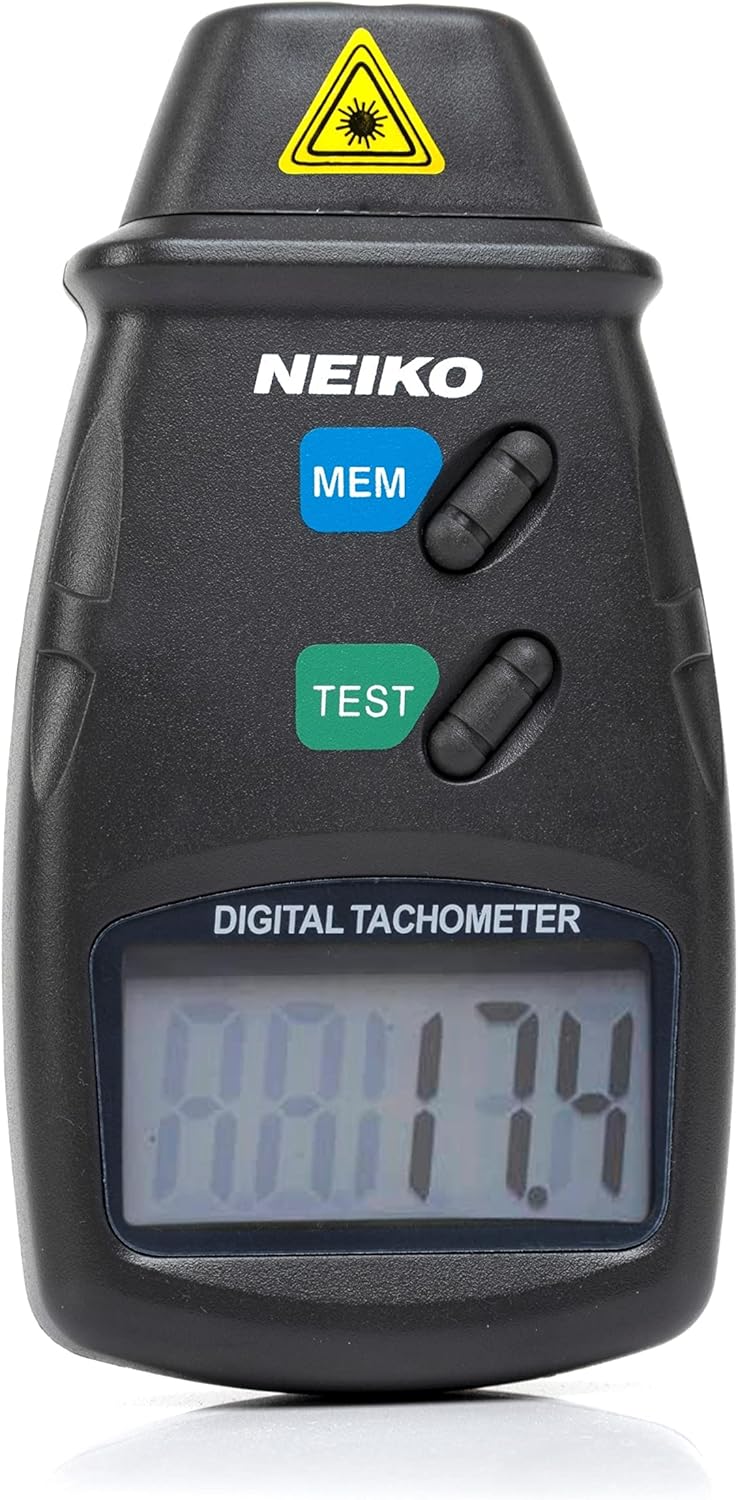
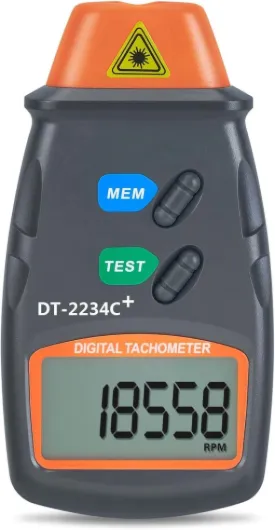
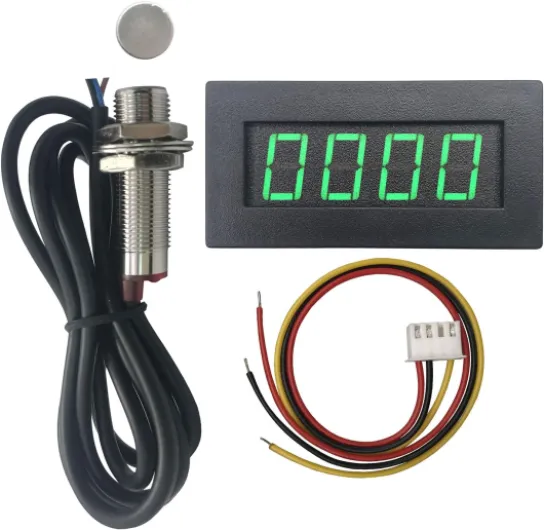
When exploring fitness trackers, you might come across the term rpm sensor. RPM stands for revolutions per minute, and these sensors play a key role in measuring rotational speed. In the context of fitness trackers, an rpm sensor is a specialized device that detects and records how fast something is spinning or rotating—think of a bike wheel, a treadmill motor, or even certain gym equipment. These sensors are often magnetic or hall effect types, which means they use a magnet and a sensor to detect movement and generate an rpm signal.
RPM sensors are not just limited to fitness; they are widely used in other systems like garage door openers, chain drive mechanisms, and even in industrial tachometers. However, in fitness trackers, their main job is to provide accurate data about your workout intensity, speed, and performance. For example, when cycling, the sensor measures how fast the pedals are turning, giving you real-time feedback on your cadence and effort. This information can be crucial for tracking progress and setting new goals.
- Types of rpm sensors: Magnetic, hall effect, and proximity sensors are common in fitness devices.
- Accessories and support: Some trackers offer installation support or additional accessories to help you get the most accurate readings.
- Integration: RPM sensors often work alongside other speed sensors and systems to deliver a comprehensive overview of your activity.
When shopping for a fitness tracker, you may notice that some products highlight their rpm sensor capabilities, sometimes bundled with other features like speed sensors or installation accessories. The essential barbell accessories guide can also help you understand how different accessories can enhance your overall workout experience, especially if you use equipment that benefits from rpm data.
As you continue reading, you'll learn more about how these sensors work, their benefits, and tips for choosing the right product for your needs. Whether you're interested in tracking your cycling cadence, monitoring a treadmill's motor, or just want to get the most accurate speed data, understanding rpm sensors is a great first step.

How rpm sensors work in fitness trackers
How sensors capture and process rpm data
RPM sensors in fitness trackers are designed to measure rotational speed, often in activities like cycling or using gym equipment. These sensors detect how many times a component, such as a bike wheel or a gym machine's motor, completes a full rotation per minute. The technology behind these sensors is similar to what you might find in a tachometer or a garage door opener system, where rotational speed is a key metric.
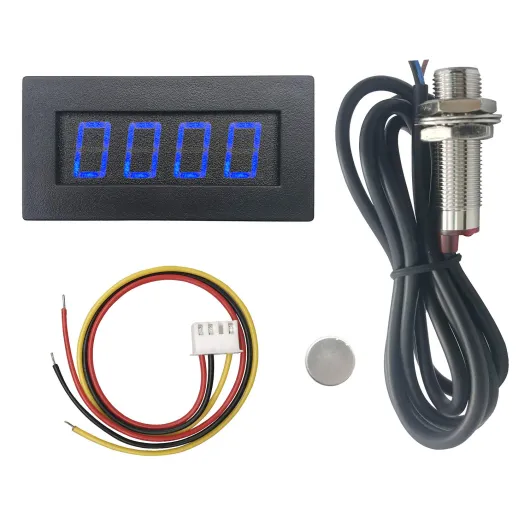
Most rpm sensors use magnetic or hall effect technology. A magnet sensor is attached to a rotating part, and each time it passes by the sensor, it generates an rpm signal. This signal is then processed by the fitness tracker’s internal system to calculate speed and distance. Some advanced models may use proximity sensors or speed sensors for more accurate readings, especially in chain drive or opener garage mechanisms.
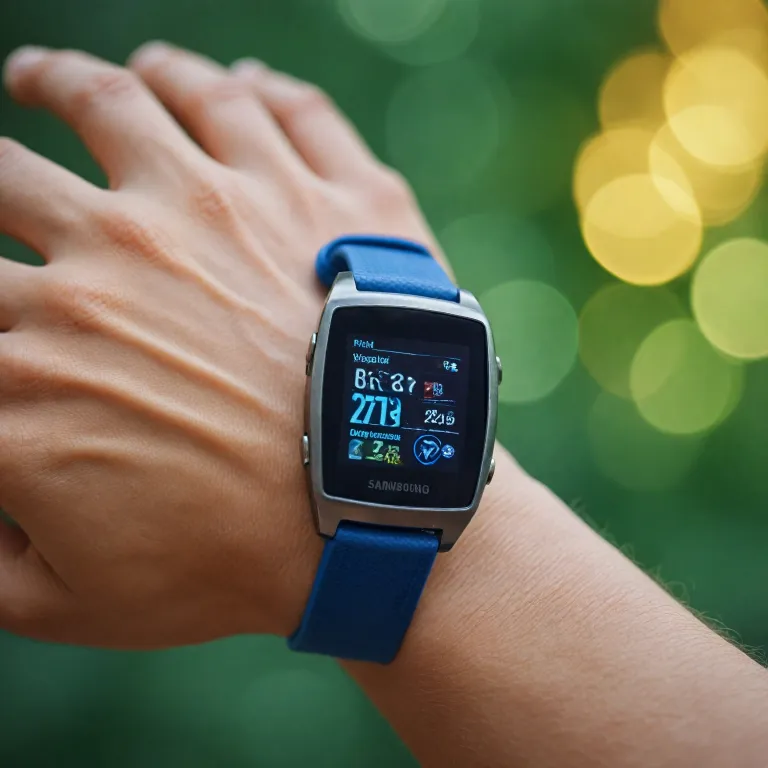
Fitness trackers with rpm sensors often support a range of accessories, such as speed sensors or installation support kits, to enhance accuracy and compatibility. The data collected is displayed in real time, allowing users to monitor their performance and adjust their workouts accordingly. For those interested in the technical side, rpm sensors are similar to those used in garage door openers, where the sensor high accuracy is crucial for the door’s operation and safety.
If you want to dive deeper into how these sensors work in fitness tracking and related products, you can read more about the T-R belt and its role in fitness tracking.
- Magnetic and hall sensors measure rotational speed by detecting movement of a magnet or metal part
- Data is processed to show rpm speed, distance, and sometimes cadence
- Accessories and installation support can improve sensor accuracy
- Similar technology is used in other products, like garage door openers and chain drive systems
Understanding how these sensors measure and process rpm data helps users make informed decisions when shopping for a new fitness tracker or evaluating product reviews. The right sensor can make a big difference in the accuracy and usefulness of your fitness data.
Benefits of using rpm sensors for your workouts
Unlocking More Accurate Workout Insights
When you use a fitness tracker equipped with an rpm sensor, you gain access to a new level of data accuracy. These sensors measure rotational speed, which is essential for activities like cycling or using gym equipment with a motor or chain drive system. The rpm signal generated by the sensor provides real-time feedback on your speed and effort, allowing you to adjust your workout intensity on the fly.
Personalized Training and Progress Tracking
RPM sensors help you tailor your workouts based on actual performance. By tracking rpm speed, your fitness tracker can offer personalized recommendations, whether you’re aiming to increase your cadence or maintain a steady pace. This level of detail supports better goal setting and progress monitoring, especially when paired with accessories like speed sensors or magnet sensors for enhanced accuracy.
Enhanced Motivation and Engagement
Seeing tangible data—such as how your rotational speed improves over time—can be highly motivating. Many fitness trackers with rpm sensors integrate with apps that provide reviews, training plans, and even installation support for new accessories. This ecosystem encourages you to stay engaged and push your limits, whether you’re training for a race or just trying to beat your personal best.
Broader Compatibility and Versatility
Modern rpm sensors are often compatible with a wide range of products, from garage door openers to gym equipment. This versatility means you can use the same sensor technology across different activities, making it a valuable addition to your fitness toolkit. Some series of fitness trackers even offer support for proximity sensors and tachometers, expanding the ways you can measure and analyze your workouts.
Long-Term Value and Upgrade Potential
Investing in a fitness tracker with a high-quality rpm sensor can offer excellent long-term value. As new accessories and sensor upgrades become available, you can enhance your device’s capabilities without needing to buy a whole new product. If you’re interested in maximizing durability and comfort, consider exploring why a titanium wristband could be your next fitness tracker upgrade.
Common activities that use rpm sensors
Popular Workouts and Everyday Uses for RPM Sensors
RPM sensors are not just for cyclists or gym enthusiasts. These sensors measure rotational speed and are integrated into a wide range of fitness activities and daily routines. Here’s a closer look at where you’ll find rpm sensors making a difference:
- Indoor Cycling and Spin Classes: RPM sensors are essential for tracking your pedaling speed, helping you maintain a consistent pace and monitor your progress over time. Many stationary bikes come with built-in speed sensors or support accessories that connect to your fitness tracker.
- Outdoor Biking: Cyclists use rpm sensors to measure cadence and rpm speed, which is crucial for optimizing performance and endurance. These sensors often work with magnetic or hall effect systems to detect wheel or pedal rotations.
- Rowing Machines: In rowing, rpm sensors help track the number of strokes per minute, giving you real-time feedback to adjust your workout intensity.
- Elliptical Trainers: Many ellipticals use speed sensors to measure stride rate, allowing users to monitor their workout data and set goals based on rpm signal feedback.
- Garage Door Openers and Home Automation: While not a fitness activity, rpm sensors are also found in opener garage systems, where they monitor the rotational speed of the motor or chain drive. This ensures the door opens and closes smoothly and safely. Some smart home fitness setups even integrate these sensors for multi-purpose use.
RPM sensors aren’t limited to exercise equipment. They’re also used in various products like tachometers, proximity switches, and even in shopping cart item tracking systems. The versatility of these sensors makes them a valuable accessory for anyone looking to get more detailed data from their workouts or daily routines. When shopping for a fitness tracker, consider the types of activities you do most and check product reviews to see how well the rpm sensor performs in those scenarios. Some trackers offer installation support or come with free accessories to enhance your experience.
Choosing a fitness tracker with an rpm sensor
Key Considerations When Selecting an RPM-Equipped Fitness Tracker
When shopping for a fitness tracker that includes an rpm sensor, it’s important to look beyond just the price or brand name. The right product can make a big difference in how accurately your workouts are tracked and how useful the data is for your goals.- Sensor Quality and Type: Check if the tracker uses a magnetic or hall effect sensor. These sensors measure rotational speed and rpm signal with high precision, which is crucial for activities involving repetitive motion, like cycling or using a stationary bike.
- Compatibility with Accessories: Some trackers support additional accessories, such as speed sensors or magnet sensors, which can enhance rpm data collection. If you already own a garage door opener or chain drive system with rpm sensors, look for compatibility to avoid extra purchases.
- Data Accuracy and Reviews: Read product reviews to see how well the rpm sensor performs in real-world scenarios. Look for feedback on rpm speed tracking, proximity sensor accuracy, and installation support. Reliable data is essential for tracking progress and adjusting your workouts.
- Integration with Other Systems: Consider if the tracker can sync with your existing fitness apps or devices. Some products offer free installation support or gift cards as incentives, but the main focus should be on how well the rpm sensor integrates with your workout system.
- Price and Value: Compare the price of different models, but also factor in the included features, such as tachometer functions, speed sensors, and support for multiple activities. Sometimes, a slightly higher price brings better sensor quality and longer-term value.
- Shopping Cart and Series Options: When adding items to your shopping cart, check if the tracker is part of a series with interchangeable accessories or sensors. This can make it easier to upgrade or replace parts like the rpm sensor or speed sensor in the future.
Tips for getting the most out of your rpm sensor
Maximizing the Value of Your RPM Sensor
To get the most out of your fitness tracker’s rpm sensor, it’s important to understand how these sensors measure rotational speed and how you can use the data to improve your workouts. Here are some practical tips to help you optimize your experience:- Calibrate Regularly: Ensure your rpm sensor is properly calibrated according to the manufacturer’s instructions. This helps the sensor deliver accurate rpm speed and rotational speed readings, whether you’re cycling or using a stationary bike.
- Pair with Compatible Accessories: Many fitness trackers support additional accessories like speed sensors or magnet sensors. These can enhance the accuracy of your data, especially if you use chain drive systems or want to track rpm signal more precisely.
- Monitor Data Trends: Use your tracker’s app or dashboard to review rpm data over time. Look for patterns in your speed and performance during different activities. This can help you adjust your training intensity or rest periods for better results.
- Check Reviews Before Upgrading: If you’re considering a new product or accessory, read reviews to compare price, installation support, and product reliability. Some sensors are easier to install or offer better support for specific activities like indoor cycling or using a drive garage system.
- Use in Multiple Activities: Don’t limit your rpm sensor to just one activity. Sensors can be used in various scenarios, from cycling to monitoring the motor in a garage door opener. This versatility adds value to your investment.
- Maintain Your Equipment: Keep your sensor and related accessories clean and free from dust or debris. For magnetic sensors or hall effect sensors, ensure the magnet and sensor are aligned and securely attached to avoid inaccurate readings.
- Explore Additional Features: Some fitness trackers offer proximity sensors, tachometer functions, or integration with smart home systems like opener garage or door opener devices. Explore these features to see how they can support your fitness or daily routines.