
Understanding dexa scans and their role in fitness tracking
What is a DEXA Scan and Why is it Used?
DEXA, also known as DXA (Dual-Energy X-ray Absorptiometry), is a medical imaging test that measures your body composition. This scan uses low-dose X-rays to estimate the percentage of fat, lean mass, and bone density in your body. Originally developed to assess bone health and diagnose osteoporosis, DEXA scans are now widely used in fitness and health settings to provide a detailed breakdown of body fat, muscle mass, and bone mass.
How DEXA Scans Measure Body Composition
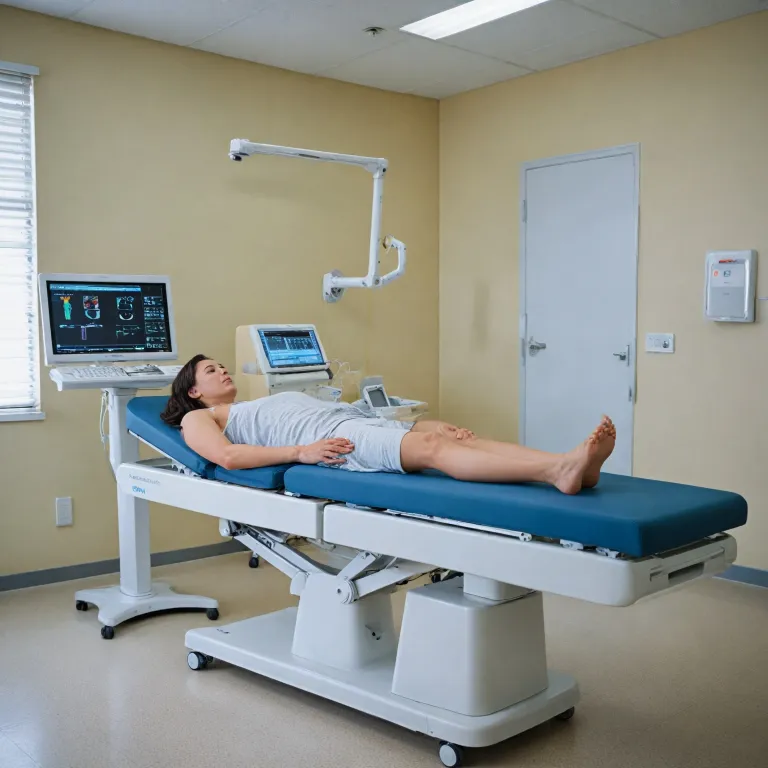
During a DEXA scan, you lie on a table while a scanner passes over your body. The device emits two X-ray beams at different energy levels. By analyzing how these beams are absorbed by different tissues, the scan calculates the mass and percentage of fat, lean tissue (including skeletal muscle), and bone. This method is considered the gold standard for body composition analysis due to its high accuracy compared to classic methods like skinfold calipers or bioelectrical impedance analysis.
- Fat Mass: The scan quantifies both total and regional body fat, giving you a precise fat percentage.
- Lean Mass: DEXA measures muscle mass and other lean tissues, helping track changes in muscle from training or diet.
- Bone Density: The scan provides a full assessment of bone health, which is important for understanding overall fitness and metabolic rate.
Why DEXA is Trusted for Fitness Tracking
Many fitness professionals and researchers rely on DEXA scans because of their accuracy and ability to differentiate between fat, muscle, and bone. Calibration is key to this accuracy. For example, the NHANES calibration (used in large health studies) and classic calibration methods can influence results. Understanding these calibration differences is important for interpreting your scan results, which will be discussed further in the article.
While DEXA scans are highly accurate, it’s important to know what factors can affect your results and how DEXA compares to other methods. For a deeper look at how DEXA scans stack up against other body composition tests like impedance analysis, you can read more in this guide to body composition testing accuracy.

Factors that influence dexa scan accuracy
What Can Affect the Precision of a Dexa Scan?
While dexa scans are widely considered the gold standard for measuring body composition, several factors can influence how accurate the results are. Understanding these variables is important if you want to trust the numbers you see for body fat, lean mass, bone density, and overall health.
- Calibration and Equipment Differences: Not all dexa machines are calibrated the same way. Some use classic calibration, while others use NHANES calibration, which is based on large population studies. This can lead to small but meaningful differences in fat percentage, bone mass, and lean mass readings. Regular dexa calibration and maintenance are essential for accurate results.
- Operator Technique: The skill and experience of the technician running the scan matter. Proper positioning and following the full scan protocol help ensure the test captures true body composition, including skeletal muscle and bone health.
- Hydration and Recent Activity: Your hydration status can affect the way your body absorbs X-rays, which may impact the measurement of fat mass and lean tissue. Intense exercise or dehydration before a scan can slightly alter results, so consistency is key.
- Body Size and Shape: Dexa scans are highly accurate for most people, but individuals with very high body mass or unique body shapes may experience less precise readings. The scan’s algorithms are based on population averages, which may not fit everyone perfectly.
- Clothing and Metal Objects: Even small things like wearing jewelry, metal zippers, or thick clothing can interfere with the scan and affect the accuracy of your body composition report.
For those tracking changes in fat, muscle, and bone density over time, it’s important to use the same machine and calibration method for each scan. This helps minimize variability and gives a clearer picture of your progress. If you’re interested in how connected fitness technology is enhancing health tracking, you might want to read about how connected fitness is changing the way we track our health.
Ultimately, while dexa scans offer a detailed look at your body composition, being aware of these influencing factors will help you interpret your results with more confidence.
Comparing dexa scans to other body composition methods
How DEXA Scans Stack Up Against Other Body Composition Tests
When it comes to tracking body composition, DEXA scans are often called the gold standard. But how do they compare to other classic methods like bioelectrical impedance analysis, skinfold calipers, or hydrostatic weighing?- DEXA (DXA) Scans: DEXA scans use low-dose X-rays to measure fat mass, lean mass, and bone density. This method provides a full breakdown of body fat percentage, skeletal muscle, and bone health. DEXA calibration, including NHANES calibration, ensures results are consistent and reliable. Clinical studies and health professionals widely recognize DEXA for its accuracy in assessing body composition and bone density.
- Bioelectrical Impedance Analysis (BIA): This test estimates body composition by sending a small electrical current through the body. While convenient and non-invasive, BIA can be influenced by hydration, recent meals, and even skin temperature. It often struggles to match the accuracy of a DEXA scan, especially for tracking subtle changes in fat percentage or lean mass.
- Skinfold Calipers: Skinfold measurements are a classic approach to estimating body fat. However, results can vary depending on the skill of the person taking the measurements and the specific sites chosen. This method does not provide insights into bone mass or internal fat distribution.
- Hydrostatic Weighing: Sometimes called underwater weighing, this test measures body density by comparing weight on land and underwater. While accurate, it’s less accessible and more cumbersome than a DEXA scan. It also does not provide detailed information about bone density or regional fat distribution.
Why DEXA Remains the Gold Standard
DEXA scans stand out for their ability to deliver a comprehensive view of body composition, including fat mass, lean mass, and bone density, all in one test. The use of NHANES calibration and classic calibration protocols helps ensure that results are both accurate and comparable across different machines and clinics. This level of detail is especially valuable for tracking changes over time, assessing metabolic rate, and monitoring bone health. For those who want the most accurate body composition data, DEXA scans are hard to beat. However, it’s important to remember that even the best technology has limitations, as discussed in other sections. If you’re interested in maximizing the accuracy of your fitness tracking, pairing DEXA scans with other tools—like a chest belt for heart rate monitoring—can provide a more complete picture. You can learn more about why a chest belt is a game changer for accurate fitness tracking here.Common misconceptions about dexa scan results
Misunderstandings About What Dexa Scans Really Measure
Dexa scans are often called the gold standard for body composition analysis, but there are some common misconceptions about what these scans actually provide. Many people believe a dexa scan gives a direct measurement of body fat, muscle mass, and bone density, but the reality is a bit more nuanced.
- Fat Percentage vs. Fat Mass: Dexa scans estimate your body fat percentage and fat mass by analyzing how X-rays pass through your body. However, the scan does not distinguish between different types of fat (like visceral and subcutaneous) with perfect accuracy. The reported fat percentage is an estimate based on algorithms and calibration standards, such as classic calibration or nhanes calibration.
- Lean Mass and Muscle Mass: The term "lean mass" in a dexa scan includes everything in your body that isn’t fat or bone—this means muscle, water, organs, and connective tissue. Some people mistakenly interpret lean mass as muscle mass alone, but that’s not the case. This can lead to overestimating actual skeletal muscle gains or losses.
- Bone Density and Bone Health: Dexa scans are highly accurate for measuring bone density, which is crucial for assessing bone health. However, the scan’s precision can be affected by factors like hydration status and calibration settings. For example, nhanes calibration and classic calibration may yield slightly different bone density results, so it’s important to know which calibration was used in your test.
- Metabolic Rate: Some assume that a dexa scan can directly measure metabolic rate. While the scan provides data on fat mass and lean mass, it does not calculate your metabolic rate. Instead, you can use the information from the scan to estimate your metabolic rate using separate formulas.
Assumptions About Accuracy and Consistency
Another misconception is that dexa scans are always perfectly accurate and consistent. While dexa is considered highly reliable compared to methods like impedance analysis, several factors can influence the results:
- Calibration Differences: The accuracy of your scan can depend on whether the machine uses classic calibration, nhanes calibration, or another standard. This affects how your body composition is interpreted.
- Hydration and Recent Activity: Your hydration status and recent exercise can impact the scan’s estimation of lean mass and fat mass. For example, dehydration can make your lean mass appear lower, while recent exercise can temporarily increase it.
- Test Conditions: Differences in clothing, meal timing, and even the time of day can cause small variations in your results. For the most accurate dexa scan, it’s best to follow consistent test conditions each time.
Expectations About Full Body Analysis
Some users expect a dexa scan to provide a full breakdown of every aspect of body composition, including detailed muscle group analysis or metabolic health insights. In reality, while the scan offers a comprehensive overview of fat, lean, and bone mass, it does not provide detailed analysis of individual muscles or metabolic rate. For a more complete picture of your health, it’s helpful to combine dexa scan data with other fitness tracking tools and regular health assessments.
Tips for getting the most accurate dexa scan results
Steps to Ensure Reliable Dexa Scan Results
Getting an accurate dexa scan for body composition, bone density, and fat percentage requires more than just showing up for the test. Several practical steps can help you get the most precise and consistent results possible.- Choose a reputable facility. Not all dexa scan centers use the same equipment or follow the same procedures. Look for clinics that use up-to-date machines, follow NHANES calibration protocols, and have experienced technicians. Ask about their calibration nhanes or classic calibration methods, as these can affect your results.
- Consistency is key. Try to schedule your scans at the same time of day, under similar conditions. Hydration, recent meals, and physical activity can all influence body composition readings, especially lean mass and fat mass. For example, being dehydrated may falsely lower your lean mass percentage.
- Wear appropriate clothing. Light, non-metallic clothing is best. Heavy clothing or items with metal can interfere with the scan and skew bone density or fat percentage measurements.
- Follow pre-scan instructions. Some facilities may ask you to avoid eating or exercising for a few hours before your appointment. This helps standardize your metabolic rate and fluid balance, which can impact the accuracy of your dxa scan results.
- Understand the limitations. While dexa scans are considered the gold standard for measuring body composition, they are not perfect. Factors like machine calibration, operator skill, and even your body shape can introduce small errors. Comparing your results to NHANES reference data can provide context, but always consider trends over time rather than a single test.
- Track changes, not absolutes. The real value of dexa scans is in monitoring changes in fat mass, lean mass, and bone health over time. Use the same facility and machine whenever possible to minimize variability.
What to Discuss With Your Technician
Before your scan, ask about the calibration method (classic or nhanes), how often the machine is serviced, and what reference standards are used. This transparency helps you understand how your body composition, skeletal muscle, and bone health are being assessed. If you’re using other methods like impedance analysis, discuss how these compare to your dexa scan results for a fuller picture of your health and fitness progress.How fitness trackers and dexa scans can work together
Bringing Together Real-Time Tracking and Gold Standard Testing
Fitness trackers and dexa scans each offer unique insights into your body composition and health. When used together, they can provide a more complete picture of your progress and well-being. Fitness trackers are excellent for monitoring daily activity, heart rate, and even estimating calorie burn. They help you stay consistent with your exercise and give you feedback on your habits. However, they cannot directly measure body fat percentage, bone density, or lean mass. That’s where dexa scans come in. Dexa scans, often referred to as the gold standard for body composition analysis, provide detailed data on fat mass, lean mass, and bone density. This level of detail is not possible with classic impedance analysis or most consumer devices. By combining the strengths of both tools, you can:- Track changes in your fat percentage and muscle mass over time with dexa scans, while using your fitness tracker to monitor daily habits that influence these changes.
- Use dexa scan results to calibrate your fitness tracker’s estimates for calorie burn and metabolic rate, making your daily data more accurate.
- Monitor bone health and skeletal muscle development with periodic dexa scans, while your tracker keeps you motivated and accountable between scans.
- Compare your progress against established standards like NHANES calibration, which is often used in dexa scan analysis, to see how your body composition aligns with population data.
Practical Tips for Integrating Both Tools
- Schedule a dexa scan every few months to get a full assessment of your body composition, including fat mass, lean mass, and bone density.
- Use your fitness tracker daily to log workouts, steps, and sleep. This helps you understand how lifestyle changes impact your body between scans.
- After each dexa scan, review your results and adjust your fitness goals or routines as needed. For example, if your lean mass has increased but your fat percentage remains high, you might focus more on nutrition or cardio.
- Keep in mind that while dexa scans are highly accurate, factors like calibration (including classic calibration and NHANES calibration) and test conditions can influence results. Consistency in testing conditions is key.