
Understanding adaptive motion trainers
What Makes Adaptive Motion Trainers Unique?
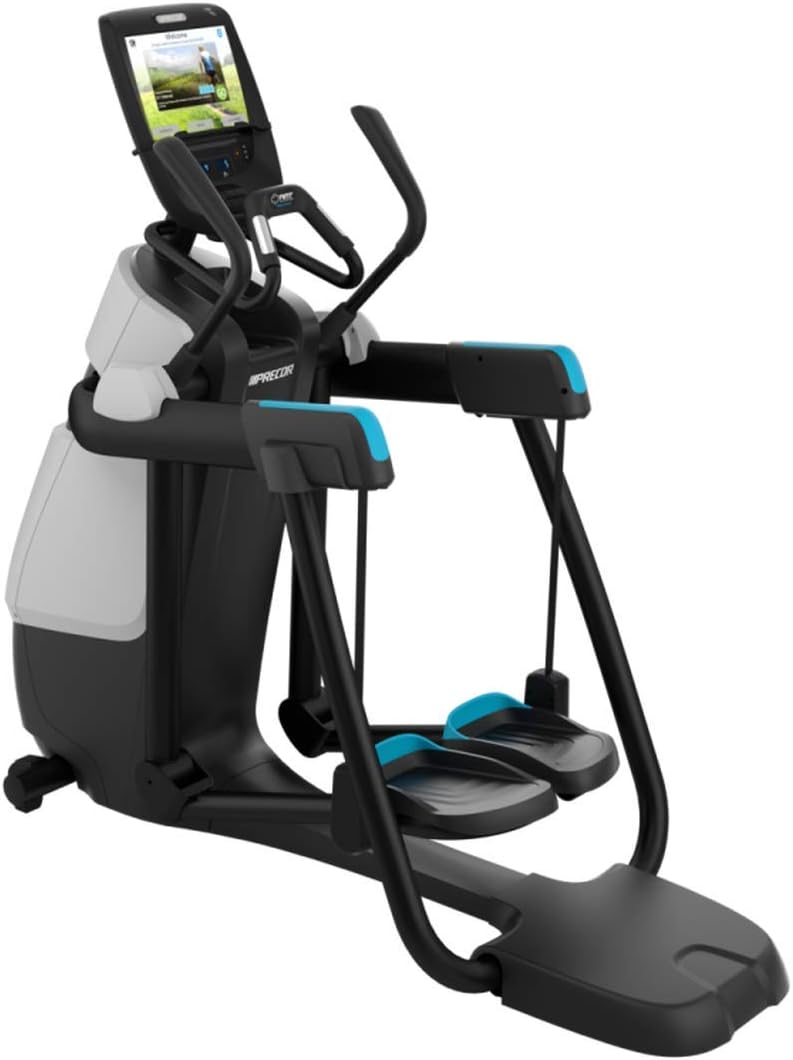
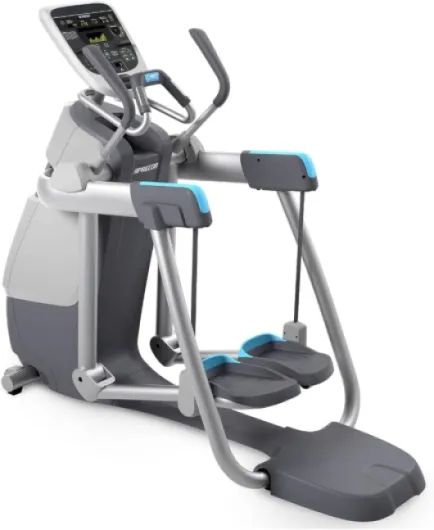
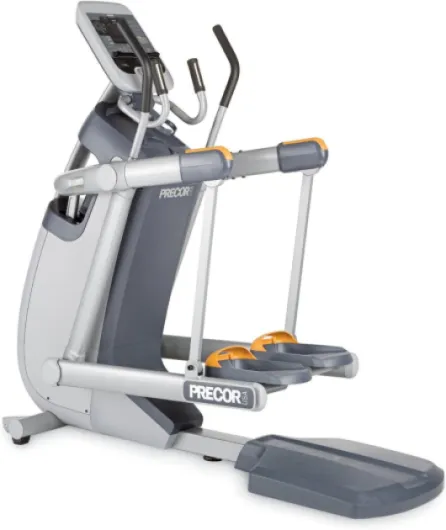
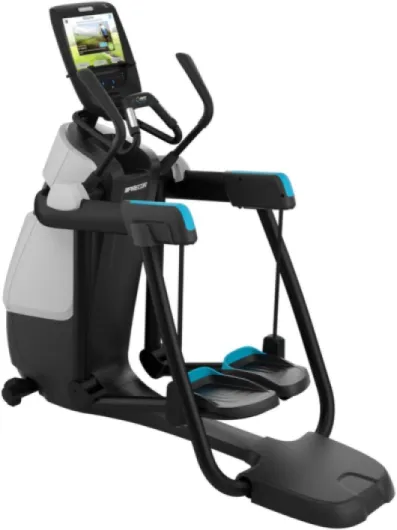
Adaptive motion trainers, often called AMTs, have brought a new level of flexibility to fitness equipment. Unlike traditional machines that lock you into a fixed stride or motion, these trainers adjust to your natural movement. This means you can change your stride length, foot position, and workout intensity in real time, making each session more personalized. The open stride design, especially in models like the Precor AMT, allows users to move from short, step-like motions to long, running strides—sometimes up to 36 inches—without stopping or adjusting the machine manually.
How Adaptive Motion Trainers Work
At the core of an adaptive motion trainer is its ability to sense and respond to your body’s movement. The foot pedals move both vertically and horizontally, adapting to your stride and workout style. This technology supports a total body workout, engaging multiple muscle groups while tracking key metrics like heart rate, calories burned, and time spent. The console displays real-time feedback, helping you monitor your progress and adjust your workout as needed.
- Stride length: Adjustable from short steps to long strides (up to 36 inches on some units)
- Open stride: No fixed path, allowing for natural movement
- Foot pedals: Designed for comfort and stability
- Console: Tracks heart rate, calories, time, and more
Why Adaptive Motion Trainers Stand Out in Fitness
Compared to regular equipment like ellipticals or treadmills, AMTs offer unmatched versatility. Whether you’re looking to target specific muscle groups or simply want a low-impact, full-body workout, the adaptive motion trainer can meet those needs. The price of these machines varies, with regular price and sale price options depending on the model and store locations. For those considering the investment, it’s important to compare unit price, features, and the benefits of adaptive motion before making a decision.
For anyone interested in maximizing their fitness routine without stimulants, check out this guide on choosing a stim-free pre-workout for your fitness routine.

How adaptive motion trainers enhance fitness tracking
Tracking More Than Just Steps
Adaptive motion trainers (AMTs) are redefining how we monitor our fitness progress. Unlike traditional equipment, these machines adjust to your natural movement, capturing a wider range of motion data. This means they don't just count steps or calories—they analyze stride length, foot placement, and the way your body moves in real time. For those seeking a more complete picture of their workout, AMTs offer a unique advantage.
Comprehensive Data for Every Body Type
One of the standout features of AMTs is their ability to adapt to different users. Whether your height is 60 inches or over 75 inches, the open stride design allows for a customizable stride length. This flexibility ensures that people of various heights and weights can track their workouts accurately. The foot pedals and console work together to provide feedback on stride, motion, and total body engagement, helping you target multiple muscle groups with each session.
Real-Time Metrics and Motivation
With an AMT, you get instant access to key metrics like heart rate, min calories burned, and time spent in motion. The console displays this data clearly, making it easier to adjust your workout on the fly. For those interested in how wearable tech is influencing fitness tracking, check out this insightful article on wearable tech and fitness tracking. AMTs bridge the gap between traditional gym equipment and modern fitness trackers, offering a more adaptive and interactive experience.
Comparing Price and Value
When considering an AMT, factors like unit price, regular price, and sale price come into play. While the initial investment may be higher than some plate loaded or regular cardio equipment, the versatility and data-driven feedback often justify the price. Many store locations offer price comparisons and sales, so it’s worth checking for the best deal. Brands like Precor are known for their quality, and the Precor AMT line is a popular choice for those seeking adaptive motion and open stride features.
- Tracks stride length and foot motion for personalized feedback
- Adapts to user height and weight, supporting a wide range of body types
- Offers real-time data on heart rate, calories, and total body movement
- Often available at a range of price points, especially during sales
Personalized workouts and real-time feedback
Customizing Every Step for Your Body
One of the standout features of adaptive motion trainers (AMTs) is their ability to personalize workouts in real time. Unlike regular fitness equipment, AMTs automatically adjust stride length and motion based on your body’s movement and workout intensity. This means whether you are tall or short, your stride—measured in inches—adapts to your height and foot placement. The open stride design, especially in models like the Precor AMT, allows you to shift from short, step-like motions to long, running strides without stopping to make manual adjustments.
Real-Time Feedback for Better Results
AMTs are equipped with advanced consoles that provide instant feedback on key metrics such as heart rate, calories burned, stride length, and total body engagement. This real-time data helps you track your progress and make immediate adjustments to your workout. For example, if your goal is to target specific muscle groups or maximize min calories burned, the console will guide you to modify your motion or stride accordingly. Many units also feature foot pedals designed for comfort and stability, supporting a wide range of motion and weight capacities.
- Adaptive stride length: Adjusts automatically to your movement, accommodating users of different height inches and weight.
- Open stride technology: Enables a full range of motion, from walking to running, without changing equipment settings.
- Heart rate monitoring: Integrated sensors track your heart rate, helping you stay within your target zone for optimal results.
- Console feedback: Displays real-time stats, including calories, stride, and time, to keep you motivated and informed.
With these adaptive features, AMTs provide a more personalized and efficient workout experience compared to regular plate loaded or stationary equipment. This adaptability is especially useful for those looking to improve total body fitness and engage multiple muscle groups in a single session. For those interested in expanding their workout options, consider reading about enhancing your workout with a lat pull down attachment for even more versatility in your fitness routine.
Comparing adaptive motion trainers to other fitness equipment
Key Differences with Traditional Fitness Equipment
Adaptive motion trainers (AMTs) stand out from regular fitness equipment by offering a unique open stride design. Unlike treadmills or ellipticals, which have a fixed stride length and motion path, AMTs allow users to adjust their stride in real time. This means you can move from a short step to a long stride, or even simulate climbing, all on the same machine. The flexibility in stride length, often ranging from a few inches up to over 30 inches, supports a wide range of body heights and workout styles.
Comparing Features: AMT vs. Other Equipment
- Stride Adaptability: Most traditional machines have a set stride length, which may not suit everyone. The adaptive motion of AMTs, like the Precor AMT, lets users customize their stride to match their height and preferred workout intensity.
- Total Body Engagement: AMTs engage more muscle groups by allowing both upper and lower body movement. Foot pedals and moving handlebars help target the total body, unlike some equipment that isolates specific areas.
- Console and Feedback: AMTs often feature advanced consoles that display real-time data such as heart rate, calories burned, and stride length. This level of feedback is more comprehensive compared to many regular cardio machines.
- Price Considerations: The unit price of an AMT is typically higher than regular ellipticals or treadmills. However, the price reflects the versatility and technology offered. Many stores list both regular price and sale price, so it’s worth checking store locations for the best deal.
- Space and Weight: AMTs can be heavier and take up more floor space due to their adaptive design. It’s important to consider the equipment’s weight and dimensions (height in inches, length, and width) before purchasing, especially if space is limited.
Why Adaptive Motion Matters
The open stride and adaptive motion features of AMTs provide a more personalized and effective workout. Whether you want to burn minimum calories or push for a high-intensity session, the flexibility in stride and motion helps you target different muscle groups and adapt the workout to your fitness goals. Plate loaded machines and other traditional equipment may offer resistance, but they lack the dynamic movement and real-time adaptability of an AMT.
Who can benefit from adaptive motion trainers
Who Finds Value in Adaptive Motion Trainers?
Adaptive motion trainers (AMTs) are designed to be versatile, making them suitable for a wide range of users. Whether you are new to fitness or an experienced athlete, these machines offer features that can be tailored to your needs. The ability to adjust stride length, from just a few inches up to a full running stride, means that people of different heights and body types can find a comfortable and effective workout. The open stride design, available on models like the Precor AMT, allows for natural movement patterns and supports various workout styles.
- Beginners: The intuitive console and guided programs make it easy for those just starting their fitness journey. Real-time feedback helps track progress and motivates users to stay consistent.
- Seasoned Athletes: For those seeking a challenge, the AMT adaptive technology lets you target different muscle groups by changing your stride and motion. This flexibility is ideal for cross-training and total body conditioning.
- People with Joint Concerns: The low-impact motion and adjustable foot pedals reduce stress on joints compared to traditional plate loaded equipment or treadmills. This makes AMTs a smart choice for rehabilitation or those managing weight and joint issues.
- Gyms and Fitness Centers: With a wide range of stride lengths and open stride options, AMTs can accommodate users of varying heights (measured in inches) and fitness levels. The equipment’s durability and adaptability make it a valuable addition to any store location or gym floor.
- Home Users: If you are looking for a single piece of equipment that offers a total body workout, the AMT’s ability to switch between walking, running, and climbing motions saves space and maximizes value. Considering unit price, sale price, and regular price, AMTs can be a cost-effective investment for long-term fitness at home.
When comparing AMTs to regular fitness equipment, the adaptive motion and customizable stride length provide a unique advantage. The console tracks key metrics like heart rate, min calories burned, and workout time, helping users monitor their progress. Whether you are shopping at a store or online, be sure to check for price sale offers and compare the price unit to ensure you are getting the best value for your needs.
Tips for choosing the right adaptive motion trainer
Key Features to Consider Before Buying
When searching for the right adaptive motion trainer (AMT) for your fitness journey, it’s important to weigh several factors. These machines offer a unique blend of stride flexibility and total body engagement, but not all models are created equal. Here are some tips to help you make an informed decision:
- Stride Length and Open Stride: Look for equipment that offers an adjustable stride length. Some AMTs, like the Precor AMT, feature open stride technology, allowing you to change your stride from short to long (measured in inches) for a more adaptive workout. This is especially helpful if multiple users of different heights and body types will use the machine.
- Console and Real-Time Feedback: A quality console should display key metrics such as heart rate, calories burned (min calories), time, and workout intensity. Real-time feedback helps you track progress and adjust your workout for better results.
- Foot Pedals and Comfort: Check the design of the foot pedals. Wide, cushioned pedals can reduce foot fatigue and accommodate various foot sizes, supporting a more comfortable motion for longer sessions.
- Muscle Groups and Total Body Engagement: Some AMTs are designed for total body workouts, engaging both upper and lower muscle groups. Plate loaded options may offer additional resistance for strength training.
- Unit Price and Sale Offers: Compare the regular price, sale price, and unit price across store locations. Some stores may offer price sales or discounts, so it’s worth checking both online and in-store options.
- Equipment Size and User Compatibility: Consider the equipment’s dimensions, including height in inches and weight capacity. Make sure the machine fits your available space and supports your body weight and height.
- Brand Reputation: Brands like Precor are known for their durable and innovative AMT adaptive motion trainers. Research customer reviews and warranty options for added peace of mind.
Making the Most of Your Investment
Take time to test different models if possible. Try adjusting the stride, check the console’s ease of use, and see how the motion feels for your body. If you’re shopping at a store, ask about return policies and after-sales support. Remember, the right adaptive motion trainer should fit your fitness goals, body type, and budget, helping you enjoy regular, effective workouts for years to come.