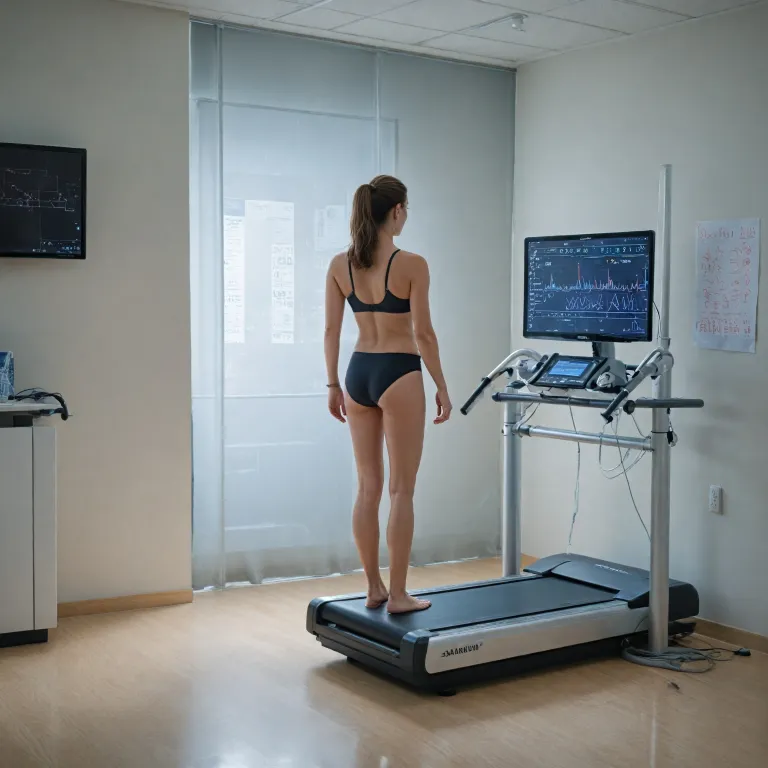
How InBody scans measure your body composition
Breaking Down the InBody Scan Process
InBody scans have become a popular tool for those serious about understanding their body composition and tracking fitness progress. Unlike basic scales that only show weight, an InBody scan offers a detailed breakdown of your body’s makeup, including fat, muscle, and water mass. This technology uses bioelectrical impedance analysis (BIA) to measure how your body responds to a small, safe electrical current. The current travels at different speeds through fat, muscle, and water, allowing the device to estimate your body composition with impressive accuracy.
What Does an InBody Test Measure?
- Body Fat Percentage: The scan provides an estimate of how much of your body is made up of fat. This is key for those tracking fat loss or aiming for specific health fitness goals.
- Muscle Mass: InBody scans give you data on your muscle mass, which is essential for anyone focused on building strength or monitoring muscle health over time.
- Body Water: Hydration levels are also measured, helping you understand the balance between fat water and muscle in your body.
- Segmental Analysis: The scan breaks down composition by body part, so you can see differences in muscle and fat distribution in your arms, legs, and trunk.
How InBody Technology Stands Out
One of the main advantages of InBody technology is its ability to provide a quick, non-invasive, and detailed analysis without the need for prior testing or preparation. Unlike other methods such as DEXA scans, which use X-rays and require more time and specialized equipment, InBody scans are accessible in many gyms and clinics. The data from an InBody test can be used to tailor your fitness journey, set realistic goals, and monitor changes in your body composition over time.
For those interested in maximizing their fitness tracking experience, integrating supportive tools can make a difference. For example, using insoles designed for fitness trackers can enhance comfort and accuracy during testing and workouts.
Understanding how InBody scans measure your body is the first step in making informed decisions about your health and fitness. The next sections will explore what influences scan accuracy, how InBody compares to other testing methods, and how to interpret your results for the best outcomes.
Factors that influence InBody scan accuracy
What Can Affect Your InBody Scan Results?
When it comes to body composition analysis, InBody scans use advanced technology to provide a detailed breakdown of your muscle mass, fat, and water levels. However, several factors can influence the accuracy of these scans, making it important to understand what might impact your results.
- Hydration Levels: Your body’s water content plays a major role in scan accuracy. Dehydration or overhydration can skew the results, especially when measuring fat and muscle mass. For the most accurate InBody test, try to maintain consistent hydration before each scan.
- Recent Food and Drink Intake: Eating or drinking right before your scan can alter your body’s water distribution, affecting the composition analysis. It’s best to fast or avoid large meals for a few hours prior to testing.
- Physical Activity: Exercise can temporarily change your body’s water and electrolyte balance. For consistent data, avoid intense workouts just before your InBody scan.
- Time of Day: Your body composition can fluctuate throughout the day due to natural changes in hydration and food intake. Try to schedule your scans at the same time each session for more reliable tracking.
- Clothing and Accessories: Wearing heavy clothing or accessories can add extra weight and interfere with the scan’s sensors. Always follow the recommended guidelines for attire during testing.
- Medical Conditions: Certain health issues, like high blood pressure or fluid retention, can impact scan accuracy. If you have any medical concerns, discuss them with your health fitness professional before testing.
It’s also worth noting that different devices and technologies, such as DEXA scans, may provide slightly different results due to variations in testing methods. Consistency in your approach is key for tracking progress over time. For those interested in optimizing their fitness journey during colder months, check out this guide on choosing the best winter running gear to support your health and fitness goals year-round.
Understanding these factors will help you get the most accurate data from your InBody scan and make informed decisions about your body composition and overall health.
Comparing InBody scans to other fitness trackers
How InBody Scans Stack Up Against Other Fitness Trackers
When it comes to tracking your body composition and health fitness progress, InBody scans offer a detailed breakdown that goes beyond what most wearable fitness trackers provide. While both technologies aim to help you understand your body, the methods and data they deliver can be quite different.
- InBody Scans: These use bioelectrical impedance analysis (BIA) to estimate muscle mass, body fat, water, and other key metrics. The scan provides a comprehensive composition analysis, including muscle fat and hydration levels, which can be crucial for setting and tracking fitness goals.
- Wearable Fitness Trackers: Devices like smartwatches or heart rate monitors focus on tracking activity, heart rate, calories burned, and sometimes estimate body fat percentage using algorithms. However, they generally lack the accuracy and depth of data that an InBody scan or dexa scan can offer.
- DEXA Scans: Dual-energy X-ray absorptiometry (DEXA) is often considered the gold standard for body composition testing. It provides highly accurate measurements of bone density, fat, and muscle mass, but is less accessible and more expensive than InBody scans.
One key difference is the level of detail. InBody scans provide a segmental analysis, showing muscle and fat distribution in different parts of your body. Most fitness trackers, while useful for daily activity and health monitoring, do not offer this granularity. If you’re looking for a more accurate picture of your body composition, especially for muscle mass and fat water balance, InBody scans are a strong choice.
However, wearable trackers excel in continuous monitoring, making them ideal for tracking trends over time and supporting your fitness journey. For example, a heart rate monitor for fitness tracking can give real-time feedback during workouts, which InBody scans cannot do.
Ultimately, combining the detailed composition analysis from an InBody scan with the ongoing data from a fitness tracker can give you a more complete view of your health. This approach helps you make informed decisions about your training, nutrition, and overall wellness, using both accurate testing and real-time tracking.
Common misconceptions about InBody scan results
Misunderstandings About What InBody Scans Actually Measure
One of the most common misconceptions is that an InBody scan provides a complete picture of your overall health. While the technology offers a detailed breakdown of body composition—such as muscle mass, body fat, and water levels—it does not directly measure other important health markers like blood pressure or cardiovascular fitness. The scan focuses on composition analysis, not every aspect of your health fitness profile.
Expecting Absolute Precision From Every Scan
Another misunderstanding is believing that every InBody test is 100% accurate. In reality, scan accuracy can be influenced by several factors, including hydration, recent exercise, and even the time of day. For example, drinking a lot of water before your test can affect the fat water balance and skew results. The technology is advanced, but no body composition analysis method is perfect. Even gold-standard methods like DEXA scans have their own limitations.
Confusing Muscle Mass With Muscle Strength
Many people think that higher muscle mass on an InBody scan automatically means greater muscle strength. However, the scan measures the amount of muscle tissue, not how strong those muscles are. For a complete picture of your fitness journey, it’s important to combine composition data with performance testing and other health metrics.
Assuming Results Are Static Over Time
Some users expect their InBody scan results to remain consistent from test to test. In reality, your body composition can change due to factors like diet, hydration, and prior testing routines. Small fluctuations are normal and do not necessarily indicate a major shift in health or fitness. Tracking trends over time, rather than focusing on a single scan, provides more meaningful insights for your fitness goals.
Believing InBody Scans Replace All Other Testing
It’s a mistake to think that InBody scans provide all the answers. While scans provide valuable data about fat, muscle, and water distribution, they should be used alongside other health and fitness assessments. For example, DEXA scans offer a different perspective on bone density and fat distribution, while blood tests can reveal information about metabolic health that composition analysis cannot.
Tips for getting the most accurate InBody scan
Best practices before your scan
- Stay hydrated but avoid drinking excessive water just before your InBody scan. Hydration levels can influence the accuracy of body composition analysis, especially for fat and muscle mass readings.
- Fast for a few hours prior to testing. Eating or drinking immediately before your scan may affect the results, particularly your body fat and water measurements.
- Avoid exercise right before scanning. Physical activity can temporarily alter your body’s hydration and blood pressure, impacting scan accuracy.
- Wear light clothing and remove shoes, socks, and metal accessories. Extra weight or conductive materials can interfere with the technology used in InBody scans.
- Schedule scans at the same time of day for consistency. Your body composition can fluctuate throughout the day, so testing at a consistent time helps track progress more accurately.
What to consider during the scan
- Stand still and follow instructions. Movement can disrupt the electrical currents used in the scan, leading to less accurate data.
- Ensure proper contact with electrodes. The InBody device relies on skin contact for precise measurements of muscle, fat, and water composition.
After your scan: interpreting and tracking
- Compare results over time rather than focusing on a single test. Trends in muscle mass, fat mass, and hydration provide a more reliable picture of your fitness journey.
- Consider prior testing conditions. If you changed your routine or testing time, note these factors when reviewing your data.
- Use your detailed breakdown to set realistic fitness goals. InBody scans provide a comprehensive view of your body composition, helping you tailor your health and fitness strategies.
By following these steps, you can maximize the accuracy of your InBody test and gain more meaningful insights into your health fitness progress. Consistency and attention to detail are key for reliable composition analysis, whether you’re tracking muscle fat, body fat, or hydration levels. For those comparing InBody scans to other methods like DEXA scans, remember that each technology has its strengths, but preparation and repeatability are essential for trustworthy results.
Interpreting your InBody scan for better fitness tracking
Making Sense of Your InBody Results
When you receive your InBody scan report, it can be overwhelming to see so many numbers and charts. The key is to focus on the main components: muscle mass, body fat, and water content. These values give you a detailed breakdown of your current body composition and can help guide your fitness journey.
What the Numbers Mean for Your Health and Fitness
- Muscle Mass: This shows how much muscle you have in your body. Tracking changes over time helps you see if your training is effective.
- Body Fat Percentage: This is a crucial metric for health fitness. High body fat can increase health risks, while too little may impact energy and recovery.
- Body Water: Hydration levels affect scan accuracy. Low hydration can make your body fat appear higher, so consider your water intake before testing.
Using Data for Better Tracking
InBody scans provide more than just a snapshot. By comparing results from prior testing, you can spot trends in muscle gain, fat loss, or changes in hydration. This ongoing composition analysis is more valuable than a single test result. For example, if your muscle mass increases while your body fat drops, it’s a strong sign your fitness plan is working.
Comparing InBody Data with Other Methods
While InBody technology offers a convenient way to track body composition, it’s important to remember that no method is perfect. DEXA scans are often considered the gold standard for accuracy, but they are less accessible and more expensive. InBody scans are accurate for most people, but factors like hydration and recent exercise can affect results. Comparing data from different testing methods can give you a fuller picture of your health.
Setting Realistic Fitness Goals
Use your InBody scan data to set achievable goals. For example, if your muscle fat ratio is not where you want it, adjust your training and nutrition accordingly. Regular scans provide feedback, helping you stay motivated and make informed decisions about your health fitness journey.
