

Understanding telemonitoring in fitness tracking
What is Telemonitoring and How Does it Work in Fitness Tracking?
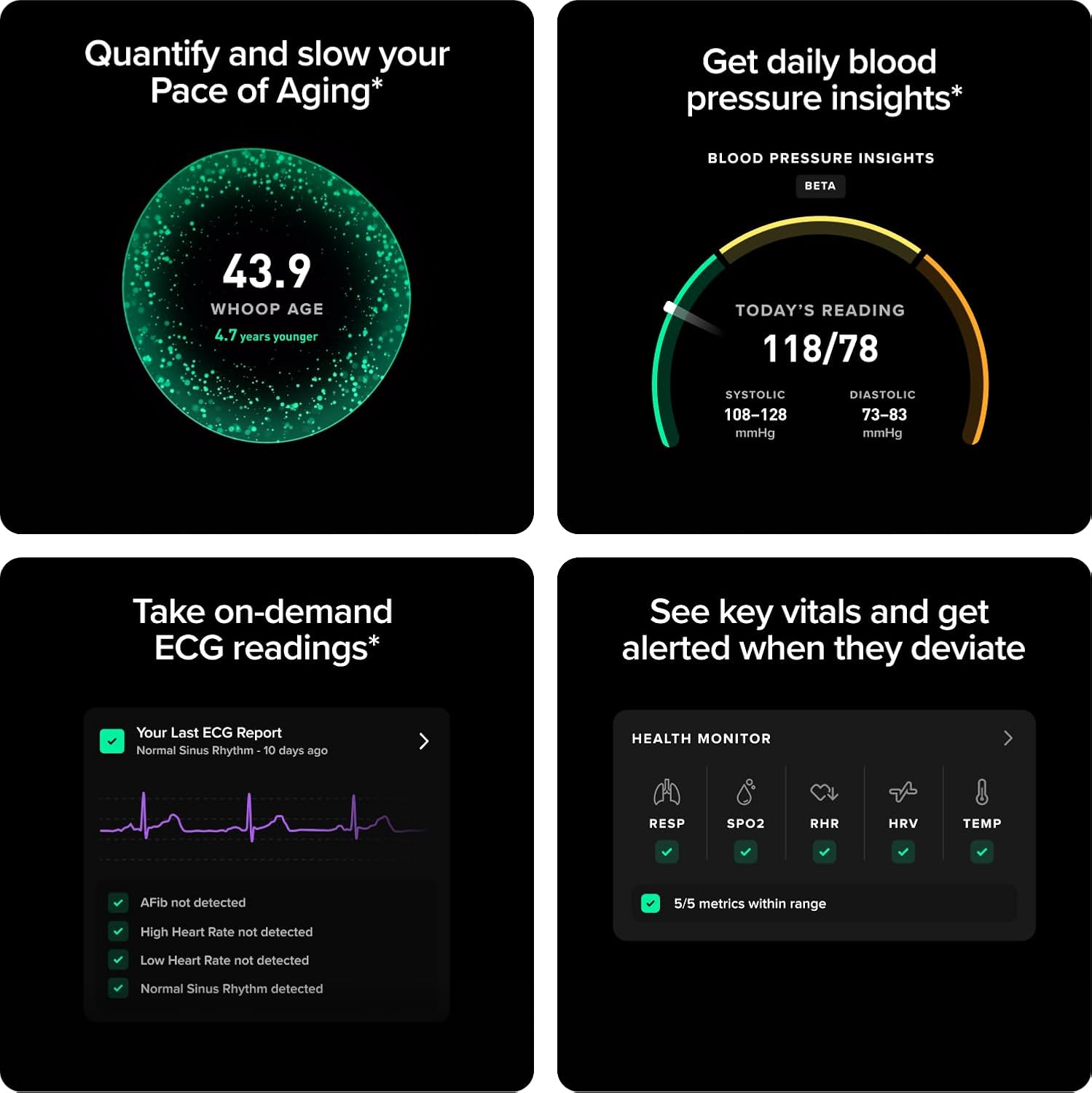
Telemonitoring is a method of using digital technology to remotely monitor health data, allowing both individuals and healthcare providers to track key health metrics outside of traditional medical settings. In the context of fitness tracking, telemonitoring involves wearable devices and smart sensors that collect real-time data such as heart rate, blood pressure, and physical activity. This information is then transmitted securely to electronic medical records or apps, where it can be reviewed by patients and, when necessary, by healthcare professionals.
From Hospitals to Home: The Evolution of Telemetry in Fitness
Originally, telemetry and telemetry monitoring were used in hospitals, especially in telemetry units and emergency departments, to monitor patients with cardiac conditions like heart failure or atrial fibrillation. These systems allowed for continuous cardiac monitoring, helping healthcare providers detect rhythm changes or disease exacerbation quickly. Today, the same principles are being adapted for consumer fitness trackers, bringing hospital-grade monitoring to everyday life. This shift means that monitoring heart health is no longer limited to the hospital or medical center; it can now be part of daily routines, supporting proactive care and early intervention.
What Data is Collected and Why Does it Matter?
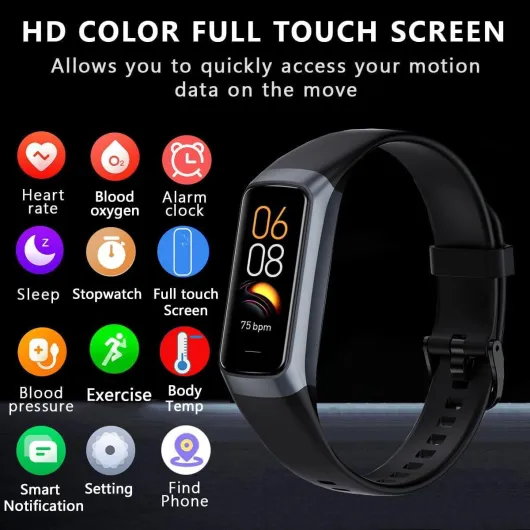
Modern fitness trackers equipped with telemonitoring features can measure a range of metrics, including:
- Heart rate and rhythm monitoring
- Blood pressure
- Physical activity and step count
- Sleep patterns
For patients with chronic conditions, such as cardiac issues, remote monitoring can help detect early signs of problems like chest pain or irregular rhythms. For fitness enthusiasts, these devices provide insights into workout intensity, recovery, and overall health trends. The accuracy and reliability of these measurements are crucial, as they inform both personal health decisions and, in some cases, medical care.
How Telemonitoring Connects Patients and Providers
One of the main advantages of telemonitoring is the ability to share health data with healthcare providers in real time. This can be especially valuable for those managing chronic conditions or recovering from cardiac events. Providers can review telemetry data, monitor for warning signs, and adjust care plans without requiring frequent hospital visits. This approach is supported by research published in medical journals and articles indexed in PubMed, which highlight the benefits of remote monitoring for improving patient outcomes and reducing hospital readmissions.
As telemonitoring becomes more integrated into fitness tracking, it is important to understand how these technologies work and what they can offer. If you are curious about how your daily steps translate into distance, you can find out how far 20,000 steps really is and how accurate your fitness tracker might be.

Key benefits of telemonitoring for fitness enthusiasts
Why Telemonitoring Matters for Your Fitness Progress
Telemonitoring is changing the way people track their fitness and health. By using telemetry and remote monitoring, fitness trackers now offer more than just step counts. They provide real-time data on heart rate, blood pressure, and even rhythm monitoring, which can be crucial for patients with cardiac concerns or those at risk of heart failure. This technology, once reserved for hospital telemetry units and emergency departments, is now available for everyday users.
- Continuous health insights: Telemonitoring allows for ongoing monitoring of key health metrics. For example, cardiac telemetry can detect irregular heart rhythms, such as atrial fibrillation, before symptoms become severe. This level of care was previously only possible in a medical center or under the supervision of healthcare providers.
- Early detection of problems: Studies published on PubMed and other medical articles highlight how remote monitoring can alert users and providers to disease exacerbation, such as sudden changes in blood pressure or chest pain. This can prompt timely intervention and potentially prevent emergencies.
- Improved accuracy and reliability: Modern telemetry monitors are designed to provide accurate and reliable data, which is essential for both patients and healthcare providers. This is especially important for those managing chronic conditions or recovering from cardiac events.
- Empowering patients and enthusiasts: With access to their own electronic medical records and telemetry data, users can take a more active role in their health. This supports a collaborative approach with healthcare providers, making it easier to find the right care or provider when needed.
For those interested in how their daily activity translates into real-world results, understanding the accuracy of fitness tracker mileage is key. Learn more about how far is 20,000 steps: understanding your fitness tracker mileage and how telemonitoring can enhance your personal fitness journey.
As telemonitoring becomes more integrated into fitness tracking, it bridges the gap between personal wellness and professional healthcare. This shift not only benefits fitness enthusiasts but also supports patients who require ongoing monitoring heart and cardiac care outside of traditional hospital settings.
Challenges and limitations of telemonitoring
Barriers to Accuracy and Reliability in Telemonitoring
While telemonitoring has brought significant advances to fitness tracking and remote health monitoring, it is not without its challenges. One of the most discussed issues in recent articles and studies is the accuracy and reliability of telemetry data. Fitness trackers and telemetry monitors can sometimes misinterpret heart rhythms or blood pressure, especially in patients with pre-existing cardiac conditions like atrial fibrillation or heart failure. This can lead to false alarms or missed alerts, which may affect timely care decisions by healthcare providers.
Data Privacy and Integration Concerns
Another challenge is the secure integration of telemonitoring data into electronic medical records. Patients and providers must ensure that sensitive health information, such as cardiac telemetry or rhythm monitoring results, is protected. Hospitals and medical centers often use different systems, making it difficult to find a seamless way to share telemetry monitoring data between providers. This can delay diagnosis or treatment, particularly in emergency department settings or when monitoring heart conditions remotely.
Accessibility and Usability Issues
Not all patients have equal access to telemonitoring technology. Some may struggle with the technical aspects of setting up a telemetry monitor or understanding how to use remote monitoring devices effectively. This can be especially true for older adults or those with limited experience in digital health. Additionally, the cost of advanced cardiac monitoring devices or subscriptions for remote care services may be prohibitive for some individuals, limiting the reach of these innovations.
Clinical Limitations and Overreliance
While telemonitoring offers valuable insights, it cannot fully replace in-person assessments by healthcare providers. For example, chest pain or disease exacerbation may require immediate physical examination and intervention, which remote monitoring cannot provide. Overreliance on telemetry data without clinical context may result in missed nuances that only a trained provider can detect during a face-to-face visit.
Fatigue and Motivation
Continuous monitoring can sometimes lead to alert fatigue, where patients or providers become desensitized to frequent notifications. This can reduce the effectiveness of telemetry monitoring and impact patient engagement. For those using fitness trackers to monitor sleep quality, understanding the limitations of device accuracy is important. If you want to learn more about how wearable devices can support better sleep, check out this article on improving sleep quality with wearables.
How telemonitoring motivates healthier habits
Building Consistency Through Real-Time Feedback
One of the most powerful ways telemonitoring supports healthier habits is by providing immediate, actionable feedback. When a fitness tracker uses telemetry to monitor heart rate, blood pressure, or rhythm, users receive instant updates about their physical activity and health status. This real-time monitoring helps people recognize patterns, adjust workouts, and stay motivated. For example, a patient with a history of cardiac issues can see how their heart responds during exercise, which can encourage safer and more consistent routines.
Accountability With Healthcare Providers
Telemonitoring bridges the gap between patients and healthcare providers. Data from fitness trackers can be shared with a provider, hospital, or medical center, allowing for remote monitoring and timely interventions. Studies published in PubMed and other medical articles show that remote telemetry monitoring can help detect early signs of disease exacerbation, such as heart failure or atrial fibrillation. This ongoing connection creates a sense of accountability, as users know their progress is being monitored by professionals who can offer support or adjust care plans as needed.
Encouraging Preventive Care and Early Detection
Fitness trackers equipped with telemetry monitoring are not just about tracking steps. They play a role in preventive medicine by alerting users and healthcare providers to irregularities, like sudden changes in blood pressure or chest pain. Early detection of issues through cardiac telemetry or rhythm monitoring can prompt timely visits to the emergency department or follow-up with a healthcare provider, reducing the risk of complications. This proactive approach helps users take charge of their health before problems escalate.
Personal Motivation and Progress Tracking
Seeing progress in a medical record or electronic medical system can be highly motivating. Fitness trackers allow users to monitor trends over time, such as improvements in heart rate variability or increased activity levels. This visual evidence of progress, combined with the accuracy and reliability of telemetry monitors, reinforces positive behaviors and helps users stay committed to their goals. Whether recovering from a cardiac event or simply aiming for better health, telemonitoring empowers individuals to find motivation in their own data.
Personalizing your fitness journey with telemonitoring
Tailoring Fitness Goals with Telemonitoring Data
One of the most significant advantages of telemonitoring in fitness tracking is the ability to personalize your fitness journey. Telemetry data collected by your fitness tracker—such as heart rate, blood pressure, and rhythm monitoring—offers a detailed view of your health status. This information can be shared with healthcare providers, allowing for a more informed approach to your exercise routine and overall care.
How Remote Monitoring Supports Individual Needs
Remote monitoring goes beyond simple step counts. For patients with cardiac conditions like heart failure or atrial fibrillation, telemetry monitoring can alert both the user and their healthcare provider to any concerning changes. This level of monitoring helps in early detection of disease exacerbation, such as sudden increases in blood pressure or irregular heart rhythms, which can be crucial for timely intervention.
- Custom exercise plans: Telemonitoring data allows providers to recommend exercise intensity and duration based on your unique cardiac telemetry readings.
- Progress tracking: Patients and providers can review electronic medical records and telemetry monitor data to assess improvements or setbacks.
- Adaptive goals: If a patient experiences chest pain or abnormal readings, the fitness plan can be adjusted quickly to prioritize safety.
Integrating Healthcare Expertise into Your Routine
Fitness trackers with telemonitoring capabilities bridge the gap between personal fitness and professional healthcare. Hospitals and medical centers are increasingly using telemetry units and remote monitoring to support patients outside the emergency department. This approach not only improves accuracy and reliability of health data but also fosters a collaborative relationship between patients and healthcare providers.
Recent articles and studies published on PubMed highlight the benefits of integrating telemetry monitoring into daily routines, especially for those at risk of cardiac events. By leveraging remote monitoring, individuals can find tailored advice and support from their healthcare provider, ensuring that their fitness journey is both effective and safe.
What to consider before choosing a telemonitoring-enabled fitness tracker
Factors to Evaluate Before Buying
When considering a telemonitoring-enabled fitness tracker, it’s important to look beyond just the basic features. These devices are now used not only by fitness enthusiasts but also by patients managing chronic conditions like heart failure or atrial fibrillation. The right tracker can support remote monitoring, telemetry, and even integrate with your healthcare provider’s systems. Here’s what you should keep in mind:
- Accuracy and Reliability: Not all trackers offer the same level of precision in monitoring heart rate, blood pressure, or rhythm monitoring. Look for devices validated in clinical studies or referenced in reputable medical articles, such as those found on PubMed.
- Integration with Healthcare Providers: Some trackers can sync data directly with your electronic medical record or be reviewed by your healthcare provider. This is especially valuable for patients with cardiac conditions who need continuous telemetry monitoring or cardiac telemetry.
- Type of Monitoring Needed: Consider whether you need basic activity tracking or more advanced features like chest pain alerts, disease exacerbation detection, or emergency department notifications. Telemetry monitors used in hospital telemetry units offer a higher level of monitoring, but consumer devices are catching up in terms of remote monitoring capabilities.
- Data Privacy and Security: Since these devices handle sensitive health data, check how your information is stored and shared. Make sure the provider follows healthcare data regulations and offers secure connections to medical centers or hospitals.
- Ease of Use and Comfort: A device that’s uncomfortable or difficult to use won’t help you stick to your health goals. Try to find a tracker that fits your lifestyle and is easy to wear throughout the day.
- Support and Updates: Choose a provider known for regular software updates and responsive customer care. This ensures your device stays current with the latest in medicine and remote healthcare technology.
Comparing Features: A Quick Table
| Feature | Why It Matters | What to Look For |
|---|---|---|
| Telemetry Monitoring | Continuous data for healthcare providers | Integration with medical record, real-time alerts |
| Cardiac Monitoring | Tracks heart rhythm, detects arrhythmias | ECG, atrial fibrillation detection, accuracy |
| Remote Monitoring | Supports care outside the hospital | Data sharing with provider, emergency notifications |
| Blood Pressure Tracking | Helps manage hypertension and cardiac risk | Clinical validation, accuracy reliability |
| Healthcare Provider Support | Professional guidance and intervention | Provider network, hospital or medical center compatibility |
Ultimately, finding the right telemonitoring fitness tracker means balancing your health needs, comfort, and the level of care you want from your device. Take time to compare options, read recent studies, and consult with your healthcare providers to ensure your choice supports your health journey.