
Understanding carpal tunnel syndrome and its impact
What is Carpal Tunnel Syndrome?
Carpal tunnel syndrome (CTS) is a common condition that affects the hand and wrist. It happens when the median nerve, which runs from your forearm into your hand, gets compressed or squeezed at the wrist. This nerve passes through a narrow passageway called the carpal tunnel. When there is too much pressure in this tunnel, it can lead to pain, numbness, tingling, or weakness in the hand and wrist. Many people experience these symptoms more at night or after repetitive hand movements.
How Does Carpal Tunnel Syndrome Affect Daily Life?
CTS can make everyday tasks challenging. Simple actions like typing, gripping objects, or even holding a phone can become uncomfortable. The pain and tingling may disrupt sleep, especially if you bend your wrist at night. Over time, untreated tunnel syndrome can lead to decreased hand strength and coordination, making it harder to perform work or hobbies. It’s important to recognize these symptoms early and seek advice from a healthcare professional to prevent long-term nerve damage.
Why Early Management Matters
Early intervention is key for managing carpal tunnel pain and preventing further nerve damage. Medical devices like wrist braces, splints, and supports can help keep your wrist in a neutral position, reducing pressure on the median nerve. These devices are often recommended for night use or during activities that trigger symptoms. If you’re experiencing wrist pain or numbness, consider consulting a healthcare professional to discuss medical devices and other treatment options.
For more on how technology can support your health journey, check out this guide on why your fitness app might not be tracking steps correctly.

Types of medical devices for carpal tunnel syndrome
Common Devices for Carpal Tunnel Relief
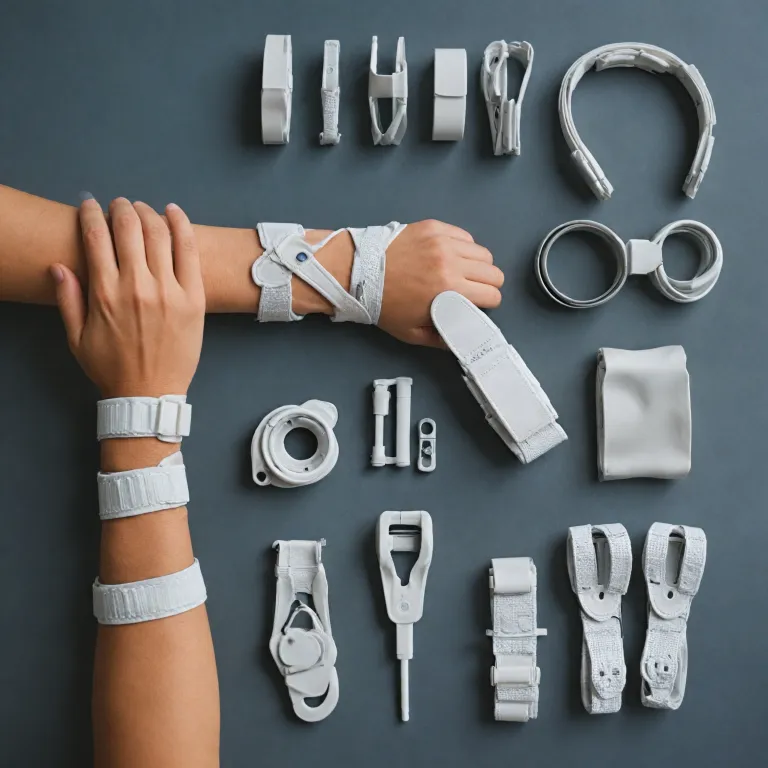
For people dealing with carpal tunnel syndrome, medical devices can play a key role in managing symptoms and supporting wrist health. The most widely used options are designed to reduce pressure on the median nerve, keep the wrist in a neutral position, and provide pain relief during daily activities or at night.
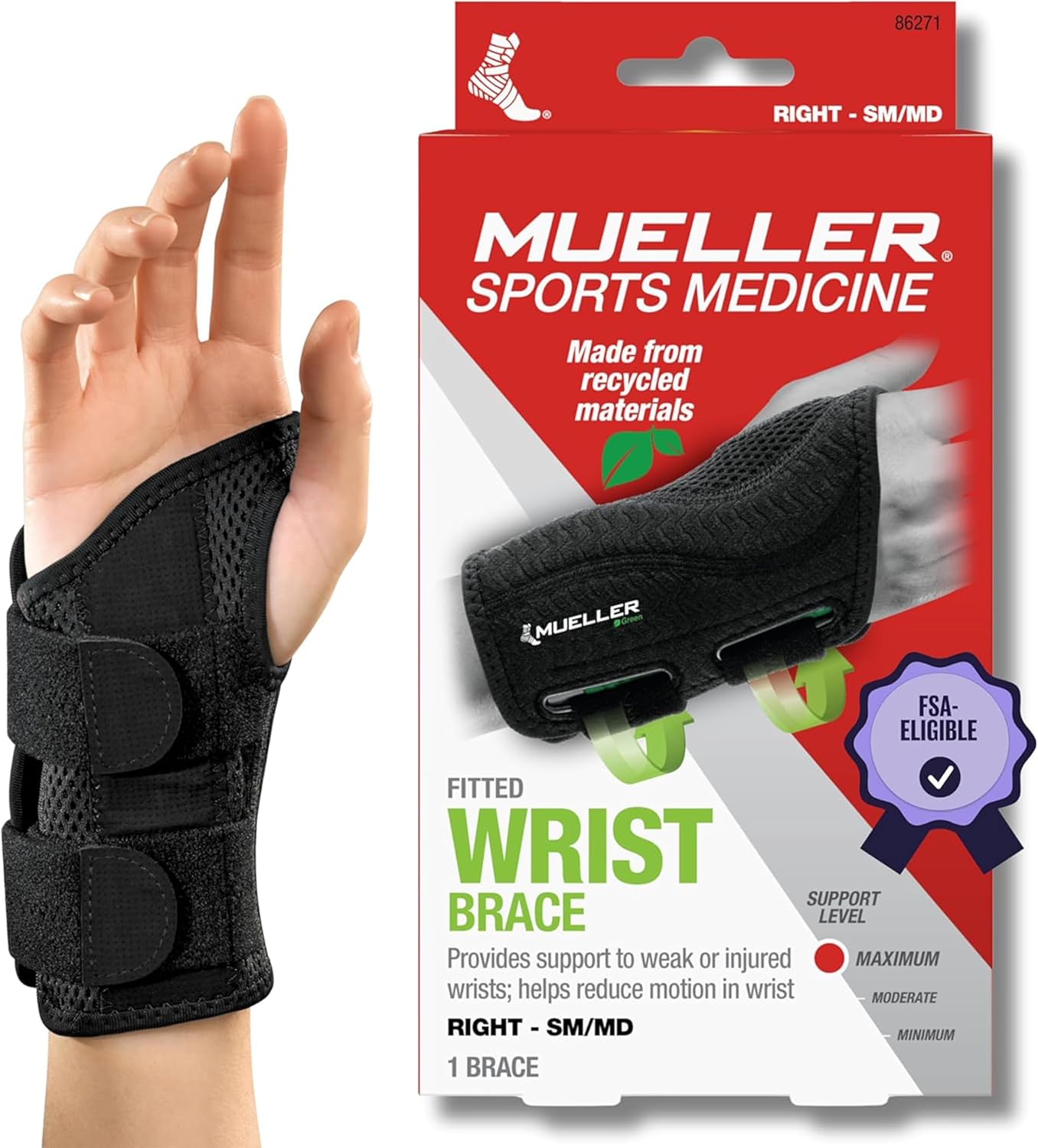
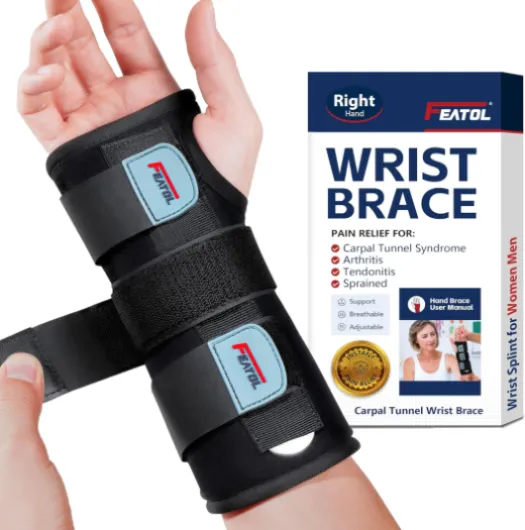
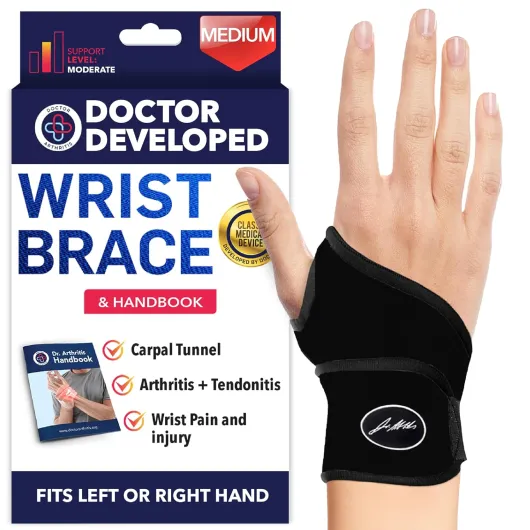
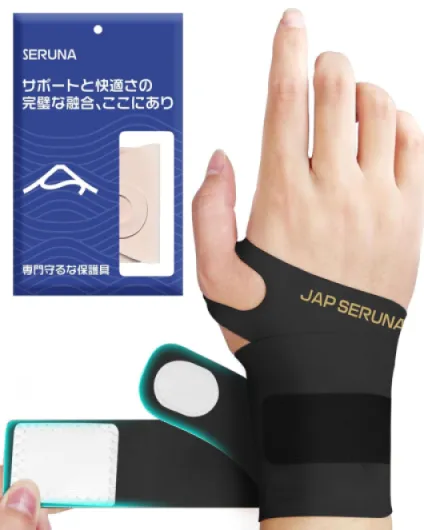
- Wrist Braces and Splints: These are the most recommended devices for carpal tunnel. A wrist brace or wrist splint helps keep the hand and wrist in a neutral position, especially during sleep. By limiting movement, they reduce irritation of the median nerve and can ease tunnel pain. Many braces feature velcro straps for easy adjustment and a metal splint for extra support. Some are designed for night use, while others are suitable for daytime wear.
- Compression Gloves: These gloves provide gentle compression and support for the wrist hand area. They can help reduce swelling and discomfort, though they may not offer the same level of immobilization as a wrist brace.
- Ergonomic Supports: Products like ergonomic mouse pads or keyboard supports can help maintain a wrist neutral position during work. These devices aim to reduce repetitive strain that contributes to carpal tunnel symptoms.
What to Look for in a Good Brace
When choosing a brace good for carpal tunnel syndrome, comfort and fit are essential. Look for a wrist support that is comfortable to wear for long periods, with breathable materials and adjustable straps. A metal splint can provide extra stability, while soft padding helps prevent skin irritation. Some popular options are available on Amazon, making it easy to compare features and reviews.
It's important to remember that not all medical devices are suitable for every case of CTS. Consulting a healthcare professional can help determine which type of wrist brace, splint, or support is best for your specific symptoms and lifestyle. For more guidance on connecting with support resources, check out this guide to customer support.
Using Devices for Day and Night Relief
Many people experience the worst tunnel pain at night. Night splints are designed to keep the wrist in a neutral position while sleeping, reducing pressure on the median nerve. During the day, lighter wrist braces or supports can help manage wrist pain and prevent further irritation. Consistent use of these medical devices, combined with adjustments to your daily routine, can make a significant difference in managing carpal tunnel syndrome symptoms.
How fitness trackers interact with carpal tunnel syndrome
How fitness trackers fit into carpal tunnel management
Fitness trackers are becoming more common for people managing carpal tunnel syndrome (CTS). These devices can help you monitor your activity levels, sleep patterns, and even hand and wrist movements. For those with CTS, understanding how your daily habits affect your symptoms is crucial for long-term health and pain relief.
- Activity monitoring: Many fitness trackers record steps, hand movements, and wrist activity. This data helps you identify patterns that might trigger tunnel pain or worsen median nerve pressure. For example, repetitive wrist hand motions can increase symptoms, so tracking these can guide you to adjust your routine.
- Sleep tracking: Nighttime is often when tunnel syndrome symptoms flare up. Some trackers can detect restless sleep or frequent waking, which may be linked to wrist pain or poor wrist neutral position. This information can help you decide if a wrist brace or splint with velcro straps and a metal splint might improve your comfort at night.
- Reminders and alerts: Certain devices can remind you to take breaks, stretch, or adjust your wrist position. These gentle prompts support a more comfortable and healthy approach to daily tasks, reducing the risk of aggravating the median nerve.
When using a fitness tracker alongside medical devices like a wrist brace or wrist splint, it's important to ensure the tracker fits comfortably and does not interfere with your brace good support. Some people find that wearing a tracker on the opposite wrist or adjusting the straps helps maintain a neutral position and avoids extra pressure on the tunnel wrist area.
For those interested in combining fitness tracking with injury support, this guide on KT tape and fitness tracking offers more insights into how wearable tech can work with medical devices for better pain management and symptom relief.
Always consult a healthcare professional before making changes to your routine or choosing new medical devices. They can help you select the most comfortable and effective wrist support, brace, or splint for your specific symptoms and health needs.
Choosing the right device for your needs
Key factors when selecting a device for carpal tunnel management
When you’re dealing with carpal tunnel syndrome, choosing the right medical device can make a real difference in your comfort and recovery. The right wrist brace, splint, or support can help relieve pain, reduce pressure on the median nerve, and support your hand and wrist in a neutral position. Here are some important points to consider:- Comfort and fit: Look for braces or splints that feel comfortable for long periods, especially at night. Adjustable velcro straps and soft, breathable materials can help prevent irritation and keep your wrist in a neutral position.
- Support level: Some people need a rigid metal splint for maximum support, while others may prefer a flexible wrist support for daily activities. Consider your symptoms and how much restriction you need to relieve tunnel pain.
- Ease of use: Devices that are easy to put on and take off, especially with one hand, are more likely to be used consistently. Check for simple closures like velcro straps.
- Intended use: Night braces are designed to keep your wrist neutral while you sleep, while day braces or supports may allow for more movement. Think about when your symptoms are worst and choose accordingly.
- Quality and reviews: Look for medical devices with positive reviews on trusted sites like Amazon. Feedback from others with carpal tunnel syndrome can help you find a brace good for your needs.
- Consult a healthcare professional: Before buying a wrist brace or splint, it’s wise to discuss your symptoms and health history with a healthcare professional. They can recommend the best type of support for your specific case of CTS.
| Device Type | Main Features | Best For |
|---|---|---|
| Wrist Brace | Adjustable straps, metal splint, keeps wrist neutral | Night use, severe symptoms, pain relief |
| Wrist Support | Flexible, lightweight, mild compression | Daytime activities, mild symptoms |
| Wrist Splint | Rigid support, immobilizes wrist, velcro straps | Acute flare-ups, post-surgery, medical guidance |
Adapting your fitness routine with medical devices
Making Exercise Safer with the Right Wrist Support
Adapting your fitness routine when dealing with carpal tunnel syndrome (CTS) is essential for managing symptoms and preventing further injury. Medical devices like wrist braces, splints, and supports can play a big role in keeping your hand and wrist in a neutral position during workouts. This helps reduce pressure on the median nerve, which is often the source of tunnel pain and numbness.Tips for Comfortable and Effective Workouts
- Choose the right brace: Look for a wrist brace or splint that offers firm support but is still comfortable. Many options on Amazon feature adjustable velcro straps and a metal splint for extra stability. A good brace keeps your wrist neutral, reducing strain during activities like weightlifting, yoga, or even daily tasks.
- Prioritize comfort: A comfortable fit is key. If your brace is too tight, it may cause more pain or restrict blood flow. If it's too loose, you lose the benefit of proper support. Try different models to find what works best for your hand and wrist size.
- Night support: Wearing a wrist splint at night can help keep your wrist in a neutral position while you sleep, reducing symptoms in the morning. Many people find that night braces with soft padding and breathable materials are most comfortable.
- Modify your routine: Avoid exercises that put direct pressure on your wrist hand area, especially if you feel tunnel pain or numbness. Focus on low-impact activities and stretches that don't aggravate your symptoms.
- Use medical devices as needed: Some people only need a wrist support during certain activities, while others benefit from wearing a brace good part of the day. Listen to your body and adjust as needed for pain relief and health.
When to Seek Professional Guidance
If you notice increased wrist pain, numbness, or other symptoms despite using medical devices, it's important to consult a healthcare professional. They can help you choose the best wrist support, recommend specific exercises, and ensure your fitness routine supports your recovery from carpal tunnel syndrome. Regular check-ins with a medical expert can also help you monitor progress and adjust your approach as needed.Monitoring progress and seeking professional advice
Tracking Your Recovery and Adjusting Your Approach
Monitoring your progress is essential when managing carpal tunnel syndrome with medical devices. Using a fitness tracker alongside a wrist brace or splint can help you notice patterns in your symptoms and daily activities. Many people find that tracking their hand and wrist movements, sleep quality, and activity levels gives them valuable insights into what might trigger pain or discomfort.- Keep a daily log of your wrist pain and any numbness or tingling in your hand. Note when you use your wrist brace, especially at night, and how comfortable it feels.
- Pay attention to how often you wear your wrist support or splint, and whether it keeps your wrist in a neutral position. Devices with velcro straps or a metal splint can offer extra stability and pressure relief for the median nerve.
- Use your fitness tracker to monitor your sleep and activity. Poor sleep can worsen tunnel pain, so a comfortable night brace or splint may help improve your rest and overall health.
When to Seek Guidance from a Healthcare Professional
Even with the best medical devices and careful self-monitoring, it’s important to consult a healthcare professional if your symptoms persist or worsen. Signs that you should reach out include:- Increasing pain or numbness in your wrist or hand, despite using a wrist brace or splint
- Difficulty performing daily tasks, even with support from medical devices
- Loss of strength or coordination in your hand or wrist