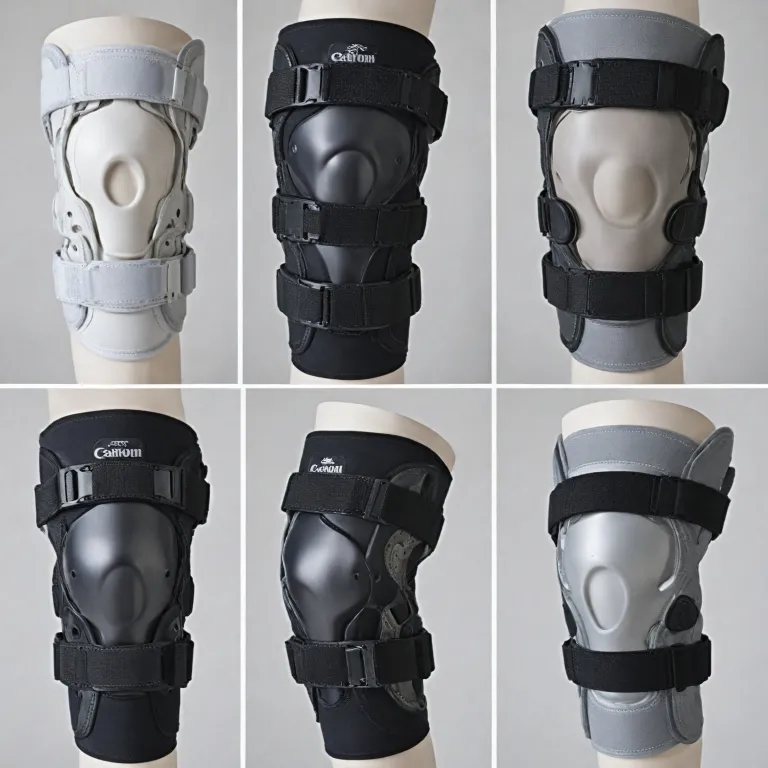
Understanding meniscus injuries and their impact
What Happens When the Meniscus Is Injured?
The meniscus is a crucial cartilage in your knee joint, acting as a shock absorber between the thigh bone and shin bone. When a meniscus tear occurs, it can cause significant knee pain, swelling, and a feeling of instability. Everyday movements like walking, squatting, or climbing stairs may become difficult, and in some cases, the knee may even lock or catch. Meniscus injuries are common among athletes, but they can also affect anyone, especially as we age or after a sudden twist or impact.
Understanding the Impact on Daily Life
Living with a meniscus injury can be frustrating. The pain and limited mobility often lead people to seek effective knee support and pain relief solutions. Without proper care, a meniscus tear can worsen, potentially leading to chronic joint pain or even early arthritis. That’s why finding the right knee brace is so important for recovery and ongoing joint stability.
Why Choosing the Right Knee Brace Matters
Not all knee braces are created equal. The right brace can provide targeted compression, support, and stability, helping to reduce pain and speed up recovery. With so many options on the market—like the Bauerfeind GenuTrain, hinged knee braces, or compression knee sleeves—it’s essential to understand how each type addresses meniscus tears and joint support. Price, original design, and added features like pads or adjustable straps can all influence your decision.
If you’re exploring ways to support your knee injury, you might also be interested in learning about choosing the right cable machine attachments for your fitness goals, which can complement your recovery and overall joint health.
How knee braces support meniscus recovery
How a Knee Brace Helps After a Meniscus Injury
When you’re dealing with a meniscus tear or other knee injuries, the right knee brace can make a big difference in your recovery. Meniscus injuries often lead to joint pain, swelling, and instability. A quality knee brace is designed to provide targeted support and compression, which can help reduce pain and promote healing.
- Stability and Support: Braces like the Bauerfeind GenuTrain or hinged knee braces add stability to the joint, limiting movements that could worsen the injury. This is especially important for meniscus tears, where the knee needs protection from twisting or sudden shifts.
- Pain Relief: Compression knee sleeves and braces with integrated pads help manage swelling and provide pain relief by improving blood flow and reducing pressure on the meniscus.
- Enhanced Recovery: By supporting the knee and reducing unnecessary movement, braces allow the meniscus to recover more efficiently. Some models, such as unloader knee braces, are designed to shift weight away from the injured area, further aiding recovery.
- Versatility: There are different types of knee braces for various needs, from simple knee sleeves for mild pain to advanced braces for severe meniscus tears. The original price and features can vary, so it’s important to compare options before you shop.
Choosing the right brace meniscus support isn’t just about pain relief. It’s about ensuring your knee gets the stability and joint support it needs for a safe return to activity. If you’re also interested in optimizing your overall fitness recovery, check out this guide on how insoles can improve your fitness tracker experience.
In the next section, we’ll look at the different types of knee braces available for meniscus injuries, including options like the Bauerfeind GenuTrain and other compression knee supports.
Types of knee braces for meniscus injuries
Exploring the Main Types of Knee Braces for Meniscus Injuries
When dealing with a meniscus tear or ongoing knee pain, choosing the right knee brace can make a big difference in your recovery and daily comfort. There are several types of knee braces designed for meniscus injuries, each offering different levels of support, stability, and pain relief. Understanding these options helps you compare features and prices, so you can shop for the best fit for your needs.
- Knee Sleeves: These provide mild compression and warmth to the joint, which can help reduce swelling and offer light support. Knee sleeves are often used for mild meniscus injuries or for ongoing knee pain during activity. They are easy to wear and usually come at a lower price point.
- Hinged Knee Braces: Designed for moderate to severe meniscus tears, hinged knee braces add stability and limit side-to-side movement. This type of brace is ideal if you need extra joint support during recovery or after surgery. The hinges help protect the meniscus from further injury while allowing controlled movement.
- Unloader Knee Braces: These braces are made to shift pressure away from the injured part of the knee, which can be especially helpful for meniscus tears that cause joint pain on one side. Unloader braces are more specialized and may come at a higher original price, but they can offer significant pain relief and support for certain injuries.
- Compression Knee Braces: Combining elements of sleeves and structured braces, compression knee braces offer both gentle compression and targeted support. Some models, like the Bauerfeind GenuTrain, include a pad that massages the knee area to improve circulation and speed up recovery.
Brands like Bauerfeind and their GenuTrain knee brace are often recommended for meniscus injuries due to their advanced design and proven joint support. When you add compare features or shop for braces meniscus solutions, consider the level of injury, your activity level, and the price range. Some original designs focus on stability, while others prioritize comfort or compression.
For those looking to maximize comfort during recovery, pairing your knee brace with supportive insoles can also help reduce joint pain and improve overall movement. You can learn more about this in our guide on how insoles can improve your fitness tracker experience.
Remember, the right knee brace for meniscus tears should provide the right balance of support, stability, and pain relief, while fitting comfortably into your daily routine and recovery plan.
Key features to look for in a knee brace
Essential elements for effective knee support
When looking for a knee brace to help with meniscus injuries, it’s important to focus on features that directly contribute to pain relief, stability, and recovery. Not all knee braces are created equal, and the right combination of support and comfort can make a big difference in your daily life and rehabilitation process.
- Support and stability: A good knee brace should offer targeted support to the joint, especially around the meniscus area. Look for braces with reinforced side stays or hinges, such as a hinged knee brace, which can help prevent unwanted movement and reduce the risk of further injury.
- Compression: Compression knee sleeves or braces help reduce swelling and improve blood flow, which is crucial for meniscus tear recovery. Compression also provides a sense of joint stability and can ease knee pain during activity.
- Padding and comfort: Integrated pads, like those found in the Bauerfeind Genutrain knee brace, cushion the knee and offer extra protection. Soft, breathable materials help prevent irritation and allow for longer wear, which is important for ongoing pain relief and joint support.
- Adjustability: Straps or adjustable closures let you customize the fit, ensuring the brace stays in place and delivers consistent support. This is especially useful for managing swelling that can change throughout the day.
- Type of brace: Depending on the severity of your meniscus injury, you may need a specific type of brace. For example, an unloader knee brace is designed to shift pressure away from the injured area, while a compression knee sleeve is better for mild support and daily comfort.
- Durability and quality: Original products from reputable brands like Bauerfeind or Genutrain are often more reliable. Check for quality stitching, robust materials, and a design that can withstand regular use.
- Price and value: While price is a factor, it’s important to balance cost with the level of support and features offered. Sometimes, investing in a higher-quality brace can mean better long-term pain relief and faster recovery. Compare options and consider the original price versus the benefits you’ll receive.
Comparing key features at a glance
| Feature | Why it matters | Common options |
|---|---|---|
| Support level | Stabilizes the joint, prevents further injury | Hinged knee, unloader knee, braces meniscus |
| Compression | Reduces swelling, aids recovery | Compression knee, knee sleeve |
| Padding | Enhances comfort, protects meniscus | Genutrain knee, bauerfeind genutrain |
| Adjustability | Ensures proper fit, accommodates swelling | Straps, Velcro closures |
| Durability | Long-lasting support, better value | Original, shop reputable brands |
| Price | Matches budget with needs | Original price, add compare |
Choosing the right knee brace means considering your specific meniscus injury, the level of pain relief you need, and your daily activities. The right features can help you move with confidence and support your recovery journey.
Tips for choosing the right knee brace for your needs
Finding the Best Fit for Your Meniscus Recovery
When selecting a knee brace for a meniscus tear or injury, it’s important to match your needs with the right features. The right knee support can make a big difference in pain relief, stability, and recovery. Here are some practical tips to help you choose wisely:
- Assess Your Injury and Activity Level
Consider the severity of your meniscus injury and your daily activities. For mild pain or early recovery, a knee sleeve or compression knee brace may provide enough support. For more severe meniscus tears or joint instability, a hinged knee brace or unloader knee brace can offer targeted relief and stability. - Prioritize Comfort and Fit
A brace that fits well is crucial for effective joint support and pain relief. Look for adjustable straps, ergonomic pads, and breathable materials. Bauerfeind Genutrain and similar braces are known for their anatomical design and comfort, making them suitable for long-term wear. - Compare Features and Price
Don’t just focus on the original price. Compare the features of different knee braces, such as compression, stability, and the type of support pad. Some braces, like the Genutrain knee, offer advanced compression and targeted joint support, which may justify a higher price. Use shop tools to add compare options and check reviews for real-world feedback. - Check for Medical-Grade Quality
Choose braces made from high-quality, medical-grade materials. Brands like Bauerfeind are trusted for their durability and effectiveness in managing knee pain and aiding recovery from meniscus injuries. - Consult a Professional
If you’re unsure which brace is right for your meniscus tear or ongoing knee pain, consult a healthcare provider. They can recommend the best type of knee support for your specific injury and recovery goals.
Remember, the right knee brace can help you manage pain, improve stability, and support your recovery journey. Take time to compare options, focus on comfort and support, and don’t hesitate to seek expert advice if needed.
Caring for your knee brace and maximizing its benefits
Keeping Your Knee Brace in Top Shape
Proper care of your knee brace is essential for maintaining its support and ensuring it continues to provide pain relief during your recovery from a meniscus tear or other knee injuries. Whether you use a compression knee sleeve, a hinged knee brace, or a specialized bauerfeind genutrain model, following a few simple steps can help extend the life of your brace and maximize its benefits.
- Regular Cleaning: Most knee braces, including those with pads or joint support features, should be cleaned according to the manufacturer’s instructions. Gentle hand washing with mild soap and air drying is usually recommended. This prevents odors and keeps the compression material effective.
- Check for Wear and Tear: Inspect your brace regularly for signs of damage, such as stretched straps, worn-out pads, or weakened compression. Early detection helps you avoid a sudden loss of knee support or stability.
- Proper Storage: Store your knee brace in a cool, dry place away from direct sunlight. This helps preserve the original material and prevents the brace from losing its shape or elasticity.
- Follow Usage Guidelines: Only wear your knee brace as recommended by your healthcare provider. Overuse or incorrect use can reduce its effectiveness and may even cause joint pain or discomfort.
- Replacement Timing: Even the best braces, like the bauerfeind genutrain knee or unloader knee models, will eventually need replacing. If you notice decreased compression, reduced pain relief, or instability, it may be time to shop for a new brace. Compare the original price and features to ensure you get the right support for your meniscus injury.
Maximizing the Benefits of Your Knee Brace
To get the most out of your knee brace, integrate it into your daily routine as part of your overall recovery plan. Combine the use of your brace with recommended exercises, physical therapy, and rest. This approach helps reduce knee pain, supports the joint, and promotes healing after a meniscus tear.
If you experience persistent discomfort or your brace no longer provides adequate relief, consult a medical professional. Sometimes, adding or comparing different types of braces—like a compression knee sleeve versus a hinged knee brace—can make a significant difference in your recovery journey.
Remember, investing in the right knee support is about more than just the price. The original quality, fit, and features of your brace meniscus solution play a crucial role in your long-term joint health and pain relief.
