
Understanding the latest trends in fitness trackers
What’s New in Fitness Tracker Technology?
Fitness trackers have evolved far beyond simple step counters. Today’s wearable devices offer a range of health monitoring features, from heart rate and blood pressure tracking to advanced sleep analysis and even mental health insights. The integration of machine learning and real-time data processing means these devices can provide more accurate and personalized feedback than ever before. Wearable technology is now a key player in digital health, enabling users to monitor their health in real time and make informed decisions about their care.
Emerging Features and Innovations
Recent updates in wearable tech include the rise of smart glasses and other non-traditional form factors, expanding the possibilities for health monitoring. Devices like the Apple Watch continue to push boundaries with features such as ECG, blood oxygen monitoring, and fall detection. There’s also a growing focus on disease management, with some wearables now supporting clinical trials and enabling researchers to collect health data outside of traditional settings. This shift is making it easier to track health trends over time and support more personalized care.
- Continuous heart rate and blood pressure monitoring
- Integration with health care apps for disease management
- Smart glasses and other innovative wearable devices
- Real-time alerts for abnormal health readings
- Support for mental health tracking and stress management
Why These Trends Matter
For anyone interested in the latest in health tech, understanding these trends is crucial. Wearable devices are not just about fitness anymore; they are becoming essential tools for health care, enabling better disease management and supporting researchers in clinical trials. As technology advances, expect to see even more integration of wearables in daily life and health care systems. For a deeper dive into how fitness trackers are being used alongside other health tools, you can read about kinesiology tape and fitness tracking.

How wearables are changing personal health management
Personalized Health Insights with Wearable Devices
Wearable technology is transforming how people manage their health every day. Devices like fitness trackers, smartwatches, and even smart glasses now offer real time monitoring of heart rate, blood pressure, and activity levels. This constant stream of data enables users to make informed decisions about their health and fitness routines. The integration of machine learning in these devices means that the feedback is becoming more personalized, adapting to each individual's habits and goals.
From Daily Tracking to Disease Management
Wearable devices are no longer just step counters. They are evolving into essential tools for health care and disease management. For example, many wearables now track sleep quality, stress levels, and even early signs of chronic conditions. Researchers and clinicians are using data from wearables in clinical trials to better understand how lifestyle impacts health outcomes. This shift is making digital health more accessible, allowing for early intervention and improved mental health support.
- Continuous health monitoring helps users spot trends and make changes before issues become serious.
- Wearables enable remote care, reducing the need for frequent in-person visits.
- Smart devices like the Apple Watch can alert users to irregular heart rhythms, supporting proactive health management.
Expanding the Role of Wearables in Health Tech
The latest health tech innovations are pushing the boundaries of what wearable devices can do. Smart glasses and other new form factors are being tested for hands-free health monitoring. Real time data collection is also helping researchers gather insights for large-scale studies, making it easier to track population health trends over time. As wearable technology becomes more advanced, its role in both personal and clinical settings will only grow.
For those interested in maximizing their wearable device experience, exploring how Goruck plates can enhance your fitness tracker experience is a practical next step. These accessories can add a new dimension to your workouts and help you get more out of your health monitoring routine.
Privacy and data security concerns with fitness trackers
Why your health data matters more than you think
Fitness trackers and wearable devices have become a staple in digital health, enabling real time health monitoring and disease management. These devices, from smart watches to smart glasses, collect a wide range of data—heart rate, blood pressure, sleep patterns, and even mental health indicators. While this technology offers significant benefits for personal health care and clinical trials, it also raises important questions about privacy and data security.
How your information is used and shared
Wearable technology companies often store your health data on cloud servers. This enables features like real time monitoring and machine learning analysis, which can help researchers and health care providers track trends and improve care. However, it also means your personal information could be vulnerable to unauthorized access or misuse. According to a 2021 review in the Journal of Medical Internet Research, many wearable devices lack robust privacy protections, making it crucial for users to understand what data is collected and how it is shared.
- Some devices, like the Apple Watch, offer advanced encryption, but not all brands provide the same level of security.
- Health tech companies may share anonymized data with third parties for research or marketing, but there is always a risk of re-identification.
- Wearables clinical studies rely on large datasets, which can be valuable for disease management but also increase exposure to privacy risks.
What you can do to protect your privacy
To get the most out of your wearable device while keeping your data safe, consider these steps:
- Read the privacy policy of your device and app to understand what information is collected and how it is used.
- Enable two-factor authentication and use strong passwords for your health monitoring accounts.
- Limit data sharing with third parties unless it is necessary for your health care or research participation.
- Regularly update your device’s software to ensure you have the latest security features.
For those looking to enhance their experience and comfort with wearable devices, consider reading about improving your fitness tracker experience with specialized insoles. This can help you maximize the benefits of your health tech while staying mindful of privacy and security.
Comparing popular fitness tracker brands and models
Key Features and Differences Among Leading Fitness Trackers
When comparing popular fitness tracker brands and models, it’s clear that wearable technology has evolved rapidly. Today’s devices go far beyond simple step counting, offering real time health monitoring, advanced sensors, and integration with digital health platforms. Here’s a breakdown of how some of the most recognized wearable devices stack up in terms of health tech, usability, and data accuracy.
- Apple Watch: Known for its seamless integration with iOS, the Apple Watch offers comprehensive health monitoring, including heart rate, blood pressure trends, and even blood oxygen levels. Its ECG feature is FDA-cleared, making it a strong choice for those interested in disease management and clinical trials. The device also supports mental health tracking and can enable users to share data with health care providers.
- Fitbit: Fitbit devices focus on user-friendly interfaces and long battery life. They provide real time monitoring of heart rate, sleep, and activity, and some models now include blood pressure estimation. Fitbit’s community features and compatibility with both Android and iOS make it a versatile option for those new to wearables.
- Garmin: Garmin wearables are favored by athletes and outdoor enthusiasts. These devices excel in GPS accuracy, advanced activity tracking, and offer in-depth data for runners, cyclists, and swimmers. Garmin’s health monitoring features include stress tracking and VO2 max estimation, making them valuable for both fitness and health care applications.
- Samsung Galaxy Watch: Samsung’s wearable devices combine smart features with robust health tech. They offer blood pressure monitoring (in select regions), heart rate tracking, and integration with Samsung Health. The watches are compatible with Android and iOS, and their AMOLED displays make data easy to read in any lighting.
- Emerging Wearables: Beyond wrist-based devices, smart glasses and other wearable technology are gaining traction. These new devices aim to provide hands-free health data access and real time monitoring, expanding the possibilities for digital health and disease management.
What Sets Each Device Apart?
While all these wearables offer core health monitoring, differences emerge in their approach to data, ecosystem compatibility, and specialized features. For example, the Apple Watch’s integration with health care systems and researchers is a major advantage for those interested in clinical trials and machine learning applications. Garmin’s focus on sports and outdoor activity makes it ideal for performance-driven users. Fitbit’s simplicity and affordability appeal to those prioritizing ease of use and basic health tracking.
| Brand | Best For | Key Health Features | Battery Life | Compatibility |
|---|---|---|---|---|
| Apple Watch | Comprehensive health, disease management | ECG, blood oxygen, heart rate, mental health | 1-2 days | iOS |
| Fitbit | Everyday health, community features | Heart rate, sleep, blood pressure (select models) | 5-7 days | iOS, Android |
| Garmin | Sports, outdoor activity, advanced data | VO2 max, stress, heart rate, GPS | Up to 2 weeks | iOS, Android |
| Samsung Galaxy Watch | Smart features, health monitoring | Blood pressure, heart rate, sleep | 2-4 days | iOS, Android |
As wearable devices continue to advance, researchers and health care professionals are leveraging the data collected for real time monitoring, disease management, and even mental health support. The choice between devices often comes down to which health tech features matter most to you, how you plan to use the data, and which ecosystem best fits your lifestyle.
The role of fitness trackers in medical research
Wearables as a Source of Real-World Health Data
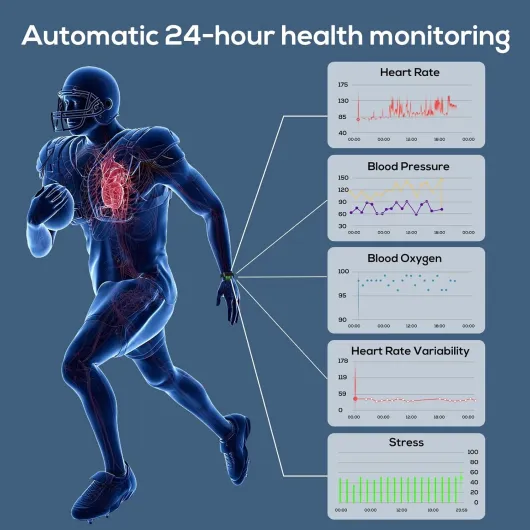
Fitness trackers and wearable devices have become valuable tools for researchers in the health tech field. These devices, from smartwatches to smart glasses, collect real-time data on heart rate, blood pressure, sleep patterns, and even mental health indicators. This continuous health monitoring enables researchers to access a wealth of digital health information outside traditional clinical settings, offering a more accurate picture of daily life and disease management.
Enabling Large-Scale Clinical Trials
Wearable technology has transformed the way clinical trials are conducted. By using wearable devices, researchers can monitor participants remotely, track their activity levels, and gather data over extended periods. This approach not only reduces the need for frequent in-person visits but also increases the diversity and size of study populations. For example, wearables clinical studies have leveraged devices like the Apple Watch to monitor heart rate and detect irregularities, supporting early intervention in cardiovascular care.
Machine Learning and Advanced Analytics
The integration of machine learning with wearable data is pushing the boundaries of health research. Algorithms analyze massive datasets collected by wearables to identify patterns related to chronic conditions, mental health, and disease progression. This technology enables more personalized health care and supports the development of predictive models for early detection and intervention.
| Device Type | Health Metrics Monitored | Research Applications |
|---|---|---|
| Smartwatches (e.g., Apple Watch) | Heart rate, blood pressure, activity, sleep | Cardiovascular studies, disease management |
| Smart glasses | Movement, visual cues, mental health | Behavioral research, mental health monitoring |
| Fitness bands | Steps, calories, sleep, heart rate | Physical activity, metabolic studies |
Challenges and Considerations
- Data accuracy: While wearable devices provide valuable real-time data, researchers must account for potential inaccuracies in consumer-grade devices.
- Privacy: Handling sensitive health data requires strict protocols to ensure participant confidentiality and compliance with health care regulations.
- Integration: Combining wearable data with traditional medical records and other digital health sources remains a technical challenge.
As wearable technology continues to evolve, its role in medical research is expected to expand, enabling more precise, timely, and patient-centered health care solutions. The ongoing collaboration between tech developers, health care professionals, and researchers is key to unlocking the full potential of these devices in improving health outcomes.
Tips for getting the most out of your fitness tracker
Making the Most of Your Fitness Tracker
Getting real value from your wearable device goes beyond simply strapping it on your wrist. Today’s fitness trackers and smartwatches, like the Apple Watch and other leading wearable technology, offer a range of features that can help improve your health, monitor your activity, and even support mental health and disease management. Here are some practical ways to maximize your experience with these devices:
- Set Clear Goals: Use your device’s app to set achievable targets for steps, heart rate, or sleep. Regularly reviewing your progress can keep you motivated and help you make informed decisions about your health care routine.
- Enable Real-Time Monitoring: Take advantage of real-time health monitoring features. Many wearables now track heart rate, blood pressure, and even blood oxygen levels, providing valuable data for both daily wellness and long-term health management.
- Personalize Your Device: Adjust notifications and reminders to fit your lifestyle. Whether you use smart glasses, a fitness band, or a smartwatch, customizing alerts can help you stay on track without feeling overwhelmed by constant pings.
- Sync With Other Health Tech: Integrate your wearable with other digital health tools and apps. This can enable a more comprehensive view of your health data, making it easier to share information with health care providers or researchers involved in clinical trials.
- Stay Informed About Updates: Wearable technology evolves quickly. Regularly check for software updates to access the latest features, improved data accuracy, and enhanced privacy controls. These updates often address concerns raised by researchers and users alike.
- Understand Your Data: Take time to read and interpret the insights your device provides. Many wearables now use machine learning to offer personalized recommendations, but understanding the basics of your activity, sleep, and heart rate trends can empower you to make smarter choices.
- Protect Your Privacy: Review your device’s privacy settings and data sharing options. With the growing use of wearable devices in health monitoring and clinical research, it’s important to know how your information is stored and used.
Whether you’re using your fitness tracker for everyday activity tracking, health monitoring, or even participating in wearables clinical research, these tips can help you get the most out of your investment in wearable devices. As wearable tech continues to advance, staying engaged with your device’s features and updates will ensure you benefit from the latest in digital health innovation.