
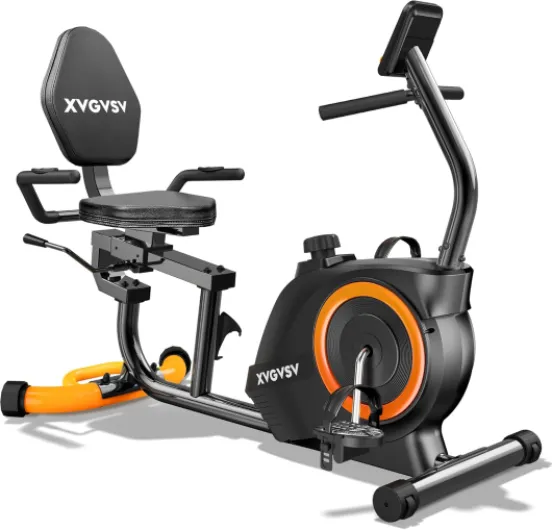
Understanding the importance of proper bike fitting
Why a Good Bike Fit Matters for Your Fitness Journey
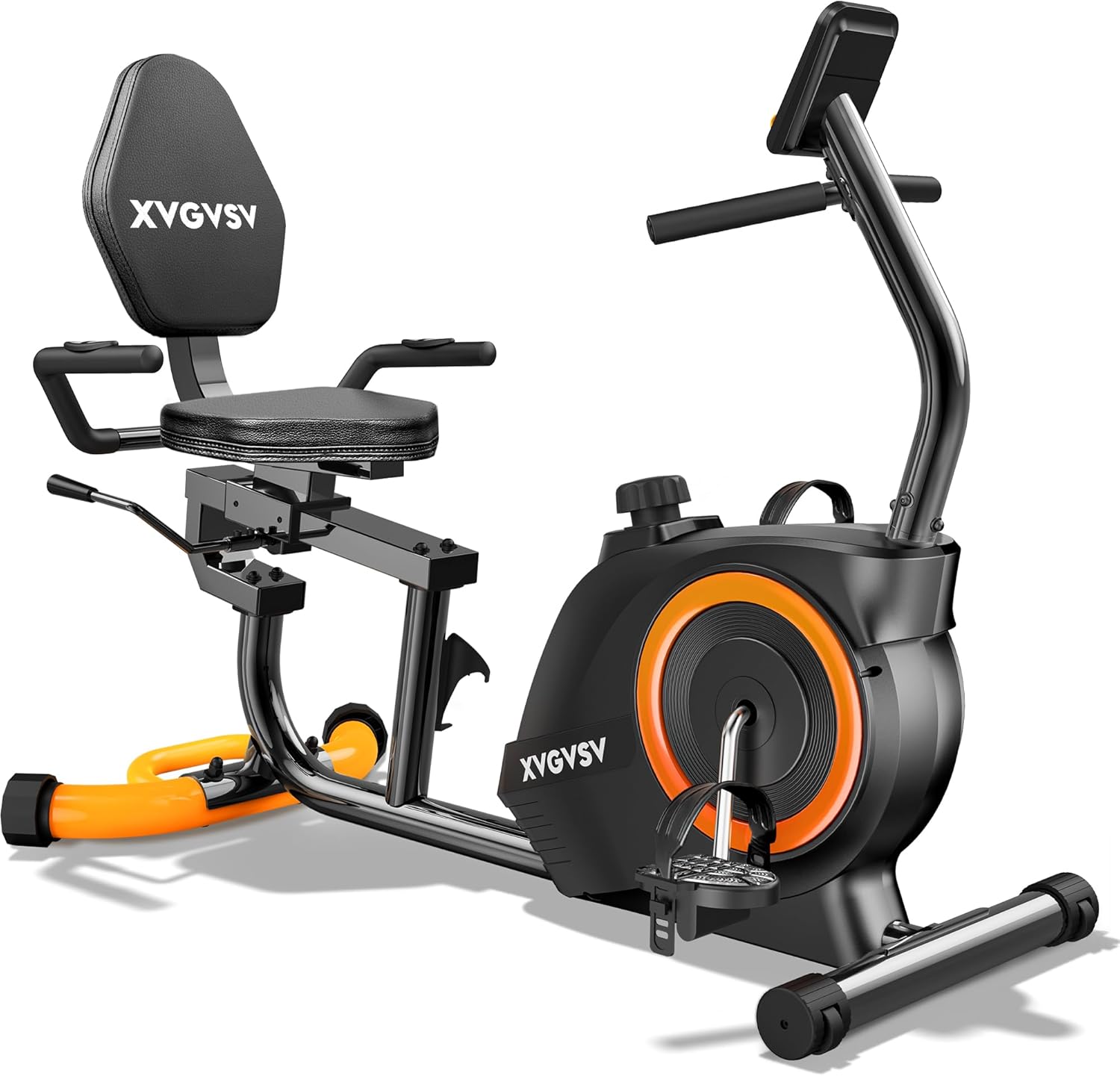
Getting the right fit on your stationary recumbent bike is more than just a comfort issue. The way your seat, pedals, and handlebars are set up can make a big difference in your exercise experience and results. If your position feels off, you might notice discomfort in your back, knees, or hips. Over time, a poor bike fit can even increase the risk of injury, especially if you spend a lot of time riding stationary bikes for indoor cycling or fitness health goals.
When your bike is properly adjusted, you’ll find it easier to maintain good posture, pedal efficiently, and enjoy longer workouts without pain. A comfortable seat height and correct handlebar height help you stay focused on your fitness, not on nagging aches. This is true whether you’re using a recumbent exercise bike, a spin bike, or even a road bike on a stationary trainer.
- Comfort: A well-fitted bike reduces pressure on your joints and allows you to ride for longer periods.
- Efficiency: The right seat and pedal position help you get the most out of every pedal stroke.
- Safety: Proper bike fit reduces risk of overuse injuries and muscle strain.
Many bikes are adjustable, letting you move the seat forward or backward, change seat height, and tweak handlebar height. Taking the time to set up your exercise bike for your body size and riding style pays off in both comfort and performance. If you’re serious about your fitness, don’t overlook the importance of a proper bike fit. It’s a key step before you start tracking your progress or diving into longer indoor cycling sessions.
For those looking to optimize every aspect of their fitness routine, including how you fuel your workouts, you might find this guide on choosing a stim-free pre-workout helpful as well.

Key measurements to consider before adjusting your bike
Essential Measurements for a Comfortable Ride
Getting the right fit on your stationary recumbent bike is all about knowing which measurements matter. A proper bike fit not only makes your exercise sessions more comfortable but also reduces risk of injury and helps you get the most out of your indoor cycling workouts. Here are the key measurements to focus on:- Seat height: Your seat height affects your pedal stroke and overall comfort. When sitting, your feet should reach the pedals with a slight bend in your knee at the lowest point. If the seat is too low, you may strain your knees. Too high, and you might overextend your legs, which can lead to discomfort over time.
- Seat forward-backward position: Adjusting the seat forward or backward ensures your knees are aligned with your feet pedals. This position feels different for everyone, so take time to find what feels comfortable and supports your fitness health goals.
- Handlebar height and distance: The handlebars should be at a height and distance that allows you to maintain a relaxed posture. If they’re too far or too low, you might hunch your back or strain your shoulders, which can affect your riding experience.
- Pedal distance: Make sure the pedals are positioned so you can complete a full pedal stroke without locking your knees or feeling cramped. This is especially important for recumbent bikes, where your legs extend forward rather than down like on a road bike or spin bike.
Why These Measurements Matter
A good fit on your stationary bike is more than just comfort. It helps you maintain proper cycling form, which can improve your fitness results and reduce the risk of injury. The right seat and handlebar positions support your back and joints, making longer exercise sessions more enjoyable. If you’re using an exercise bike for fitness or rehabilitation, these adjustments are even more important. For those who want to enhance their fitness tracker journey, paying attention to these measurements can also help you track progress more accurately. If you’re interested in additional support for your fitness tracker experience, check out this guide on how an IT band strap can support your fitness tracker journey. Remember, every bike and body is different. Take your time to make small adjustments and test how each change affects your comfort and performance. This will set you up for a better, safer, and more effective stationary bike riding experience.Step-by-step guide to adjusting your stationary recumbent bike
Getting Your Seat Height and Position Right
Start by adjusting the seat height so your legs are almost fully extended at the bottom of your pedal stroke. This helps you maintain a comfortable riding position and reduces risk of knee strain. When sitting on your stationary recumbent bike, your feet should rest flat on the pedals, and your knees should have a slight bend—never locked or overly bent. If your seat is too low, you may feel discomfort in your knees or hips. If it’s too high, you might overextend and lose power during your exercise.
Fine-Tuning the Seat Forward and Backward
Next, check the seat’s forward and backward position. Slide the seat so your knees are directly above the pedal axle when the pedals are parallel to the floor. This alignment supports a more efficient pedal stroke and makes your indoor cycling sessions more effective. A seat that’s too far forward can cause knee pain, while too far back may strain your lower back. Adjust until the position feels natural and you can pedal comfortably for extended periods.
Handlebar Height and Distance
Handlebar height is crucial for comfort and posture. On most recumbent bikes, handlebars should be within easy reach without forcing you to lean forward or hunch your shoulders. Adjust the handlebars so your arms are relaxed and your back stays supported against the seat. This setup helps you maintain a comfortable position and reduces fatigue during long stationary bike rides.
Checking Pedal and Foot Placement
Proper foot placement on the pedals is essential for both comfort and safety. Make sure your feet are centered on the pedals, with the balls of your feet over the pedal axle. This allows for a smooth pedal stroke and helps prevent foot numbness or discomfort. If your stationary bike has adjustable straps, secure them snugly but not too tight, so your feet stay in place throughout your exercise bike session.
Testing and Adjusting for Comfort
Once you’ve made these adjustments, take a few minutes to ride. Pay attention to how your position feels. If you notice discomfort in your back, knees, or hips, stop and readjust the seat or handlebars. Remember, a good bike fit should feel comfortable and support your fitness health goals. Don’t hesitate to make small tweaks over time as your flexibility or riding style changes.
For those interested in monitoring their progress and ensuring their position supports optimal heart health, consider using a heart rate monitor for cycling during your workouts. This can help you track your fitness improvements and make informed adjustments to your stationary bike setup.
Common mistakes to avoid when fitting your recumbent bike
Frequent Fitting Errors That Impact Comfort and Performance
Getting your stationary recumbent bike fit right is essential for comfort, safety, and effective exercise. However, many people make common mistakes that can lead to discomfort or even injury. Here are some of the most frequent errors to watch out for:- Incorrect seat height: If the seat is too low or too high, your pedal stroke will be inefficient and may strain your knees or hips. Your feet should be able to reach the pedals with a slight bend in the knee at the bottom of the stroke, ensuring a comfortable and effective cycling position.
- Seat too far forward or backward: Placing the seat too close or too far from the pedals can affect your riding position and reduce comfort. Ideally, your knee should be aligned over the pedal axle when the pedal is at its furthest point forward. This position reduces risk of joint pain and helps you feel comfortable during longer sessions.
- Ignoring handlebar height and position: Handlebars that are too low or too high can cause you to hunch over or overstretch, leading to back, neck, or shoulder discomfort. Adjust the handlebars so your arms are relaxed and your back is supported, especially for indoor cycling or longer rides on your exercise bike.
- Not checking pedal alignment: Misaligned pedals or using worn-out pedal posts can create an uneven pedal stroke and increase the risk of injury. Make sure the pedals are secure and level, and that your feet are positioned comfortably on the pedals throughout your ride.
- Overlooking adjustability features: Many bikes, especially spin bikes and recumbent models, offer multiple adjustment points for seat height, seat forward-backward position, and handlebar height. Failing to use these features can prevent you from achieving the best fit for your body and fitness goals.
- Setting and forgetting: Your bike fit may need to change over time as your fitness level, flexibility, or riding style evolves. Regularly reassess your position to ensure ongoing comfort and performance.
How to use fitness trackers to monitor your bike workouts
Tracking Your Progress with Fitness Devices
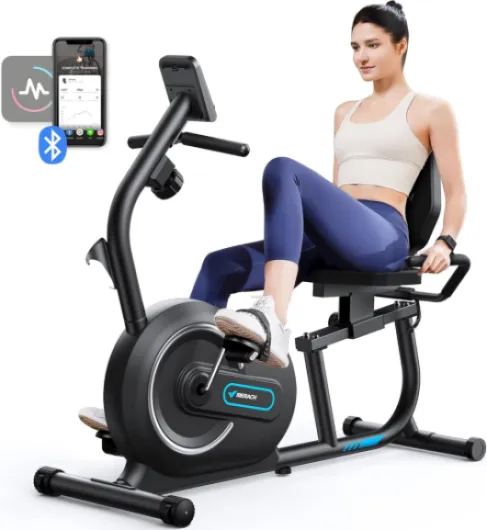
Using a fitness tracker during your stationary recumbent bike workouts can make a real difference in how you monitor and improve your exercise routine. These devices help you keep an eye on key metrics like heart rate, calories burned, distance, and even your pedal stroke efficiency. This data is valuable for anyone wanting to make sure their bike fit and riding position are truly supporting their fitness goals.- Heart Rate Monitoring: A fitness tracker lets you see if your workout intensity matches your goals. If your seat height or handlebar position is off, you might notice your heart rate is higher than expected for a comfortable ride.
- Calories and Distance: Tracking calories burned and distance covered helps you understand if your current bike fit is allowing you to ride longer and more efficiently. If you feel uncomfortable or your position feels awkward, you may cut your session short, reducing your fitness benefits.
- Cadence and Pedal Stroke: Some trackers measure cadence (pedal revolutions per minute). A smooth, consistent cadence often means your seat and pedals are set at the right height and distance. If you notice irregularities, it might be time to adjust your seat forward or backward, or check your handlebar height.
- Posture Feedback: Advanced fitness trackers can alert you if your posture changes during your ride. If you start to slouch or your feet slip off the pedals, it could be a sign your bike isn’t fit properly for your body.
Making the Most of Your Tracker Data
When you review your fitness tracker data after each session, look for patterns. Are you consistently feeling discomfort in your seat or handlebars? Is your heart rate higher than it should be for a low-intensity ride? These clues can help you fine-tune your stationary bike setup for maximum comfort and reduced risk of injury. If you’re using an adjustable exercise bike, try small changes in seat height, handlebar height, or pedal position, then check your tracker data again. Over time, you’ll find the fit that feels comfortable and supports your fitness health. Remember, the right bike fit isn’t just about comfort—it’s about making every minute of your indoor cycling count. Fitness trackers are a practical tool to help you get there, whether you’re riding a recumbent, spin bike, or any stationary bike.When to seek professional help for bike fitting
Recognizing When Expert Guidance Is Needed
Sometimes, despite your best efforts to adjust your stationary recumbent bike for comfort and performance, you might still feel discomfort or notice that your position feels off. If you experience persistent pain in your knees, hips, or lower back during or after riding, it’s a sign that your bike fit may not be optimal. This can happen even after carefully measuring seat height, handlebar height, and pedal position.Benefits of Professional Bike Fitting
A professional bike fit specialist has the expertise to assess your body mechanics and cycling style. They use precise tools to measure your flexibility, leg length, and riding posture. This process ensures your seat, pedals, and handlebars are adjusted to reduce risk of injury and maximize comfort. For those using their stationary bike for long periods or intense indoor cycling, a professional fitting can make a significant difference in both performance and fitness health.- If you have a history of injuries or chronic pain, professional help is strongly recommended.
- When you can’t achieve a comfortable position after multiple adjustments, an expert can identify subtle issues with your bike or your riding technique.
- Serious cyclists or those training for events often benefit from a detailed assessment to ensure every aspect of their exercise bike is tailored to their needs.
What to Expect During a Professional Fitting
A fitting session usually involves:- Assessment of your current bike setup, including seat forward or backward position, seat height, and handlebar height.
- Observation of your pedal stroke and foot placement on the pedals.
- Adjustments to ensure your knees, hips, and back are aligned for low-impact, comfortable cycling.
- Advice on how to maintain your bike adjustable features for ongoing comfort.