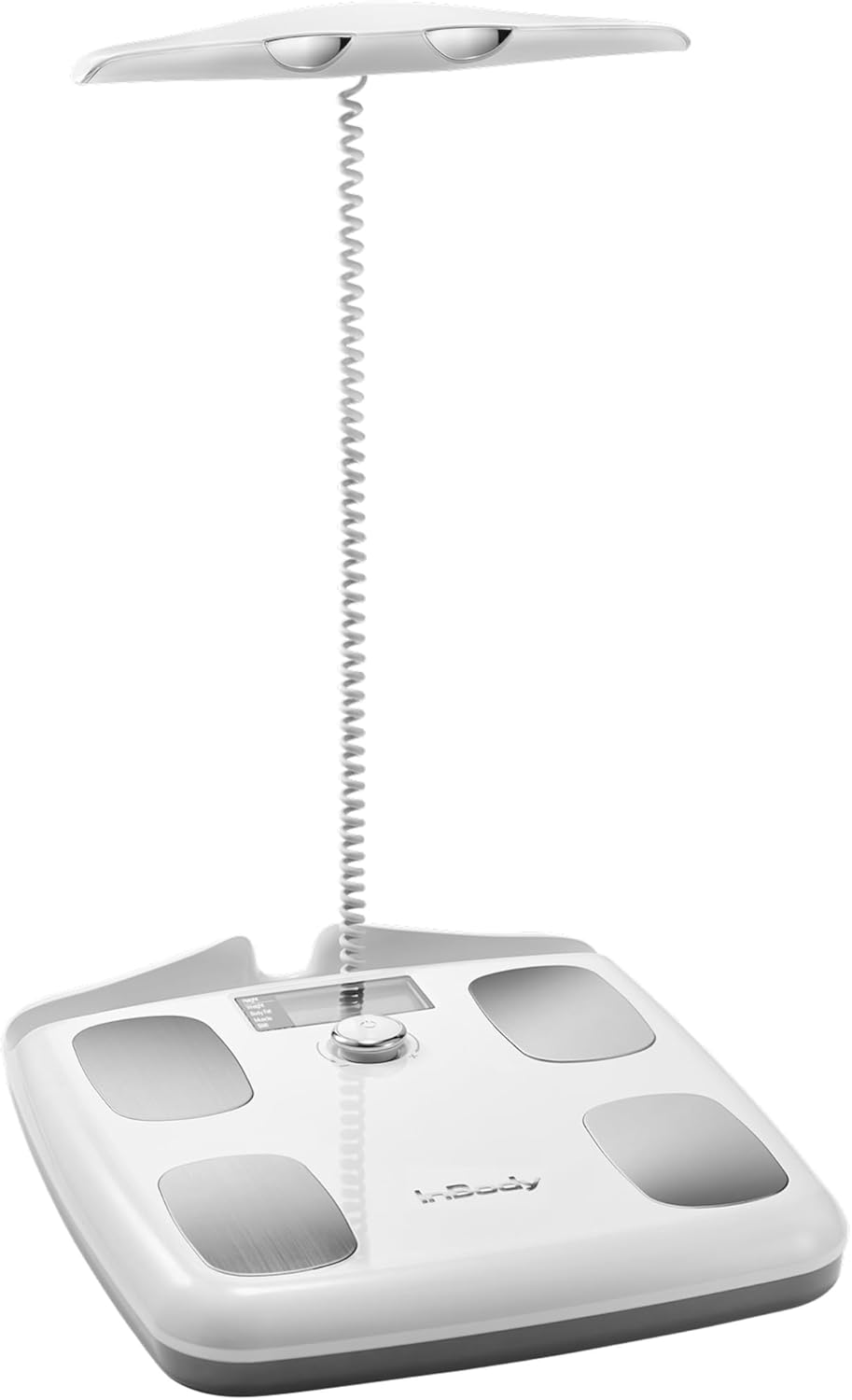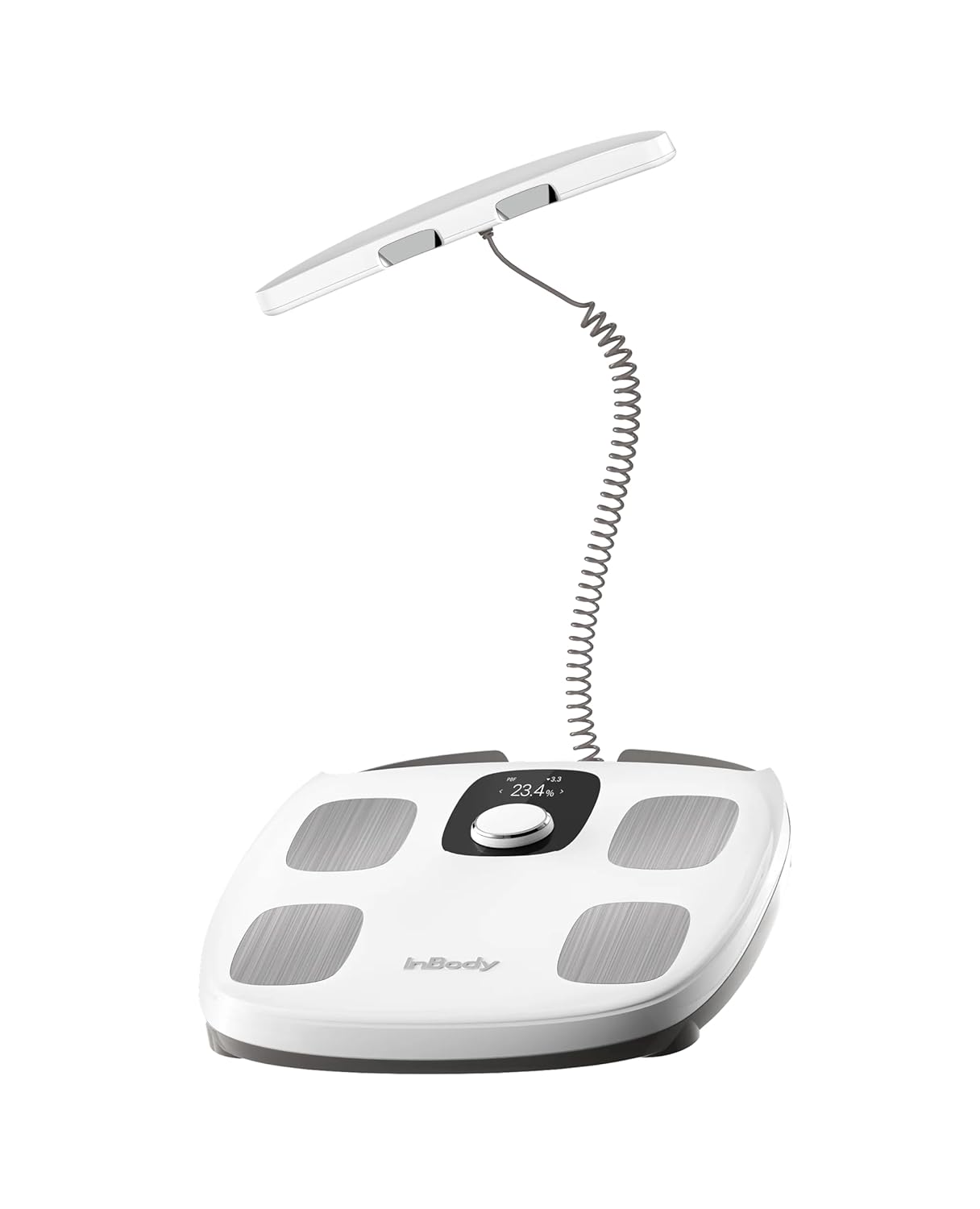


What is an InBody scanner and how does it work
How InBody Scanners Analyze Your Body Composition
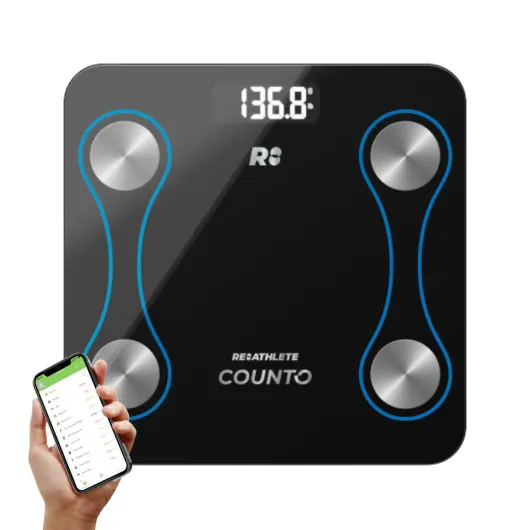
InBody scanners are advanced devices designed to measure your body composition, giving you a detailed breakdown of fat, muscle, and water levels. Unlike traditional scales that only show your total weight, an InBody scan provides a more complete picture of your health fitness by analyzing fat mass, muscle mass, and other key metrics. This information can help you set realistic fitness goals and track your progress over time.
The technology behind InBody scanners is called bioelectrical impedance analysis (BIA). During a scan, you stand on the device and hold onto hand electrodes. The scanner sends a safe, low-level electrical current through your body. Because fat, muscle, and water conduct electricity differently, the device can estimate your body composition based on how the current travels. The results include data on body fat percentage, muscle mass, and even segmental analysis, which shows how fat and muscle are distributed in different parts of your body.
InBody scans are popular in gyms, clinics, and wellness centers because they offer quick, non-invasive, and personalized composition analysis. The scan itself takes less than a minute, making it easy to fit into your routine. Many people use InBody scans to monitor changes in fat muscle balance, especially when starting a new workout or nutrition plan.
- What you get from an InBody scan: Detailed breakdown of fat mass, muscle mass, and water content
- Why it matters: Helps you understand your health beyond the scale and supports more personalized fitness strategies
- How it compares: While DEXA scans are considered the gold standard for accuracy, InBody scanners offer a convenient and accessible alternative for regular tracking
For those interested in integrating body composition analysis into their home fitness routine, consider exploring smart home workout equipment that complements your InBody scan data. This combination can help you make more informed decisions about your workouts and overall health.

Factors that influence InBody scanner accuracy
Why InBody Scan Results Can Vary
When using an InBody scanner to measure your body composition, it’s important to understand that several factors can influence the accuracy of your results. InBody scans provide detailed data on fat mass, muscle mass, and overall body composition, but these numbers can shift depending on your habits and circumstances. Here’s what can affect your scan accuracy:
- Hydration levels: Water content in your body can significantly impact the readings. Dehydration or overhydration may cause your fat percentage and muscle mass results to be less accurate.
- Food intake and meal timing: Eating or drinking before your scan can alter your body’s water distribution, which may affect the composition analysis. For the most accurate InBody scan, it’s best to scan at the same time of day and under similar conditions.
- Physical activity: Recent exercise can temporarily change your body’s water balance and muscle tone, leading to fluctuations in your scan data. Try to avoid intense workouts right before your scan.
- Age and sex: Your age and biological sex influence how your body stores fat and muscle. InBody scanners use these factors to personalize your results, but variations can still occur, especially when comparing across different individuals.
- Device calibration and model: Not all InBody scanners are created equal. Differences in calibration, model, and maintenance can impact scan accuracy. Regular servicing helps ensure reliable results.
- Body position and clothing: Standing posture and what you wear during the scan can also affect the readings. Consistency in how you position yourself and what you wear is key for tracking progress over time.
For those interested in optimizing their scan experience, understanding the importance of proper setup and consistency can make a difference in your health fitness journey. These factors are just as crucial as the technology itself when it comes to getting accurate InBody data and tracking your fitness goals.
While InBody scanners are a popular method for body composition analysis, it’s helpful to remember that even the most advanced devices, including dexa scans, can be influenced by similar variables. Recognizing these factors will help you interpret your results with more confidence and use them to guide your progress effectively.
Comparing InBody scanners to other fitness trackers
How InBody Scanners Stack Up Against Other Fitness Trackers
When it comes to tracking your body composition, there are several methods available. InBody scanners have become popular for their quick, non-invasive scans, but how do they compare to other fitness trackers and measurement tools?
- InBody Scanners: These devices use bioelectrical impedance analysis (BIA) to estimate your body fat, muscle mass, and water content. The scan provides a detailed breakdown of your body composition, including fat percentage and muscle mass. InBody scans are valued for their speed and the personalized data they deliver, making them a favorite in gyms and health clinics.
- DEXA Scans: Dual-energy X-ray absorptiometry (DEXA) is often considered the gold standard for body composition analysis. DEXA scans provide highly accurate measurements of fat mass, lean mass, and bone density. However, they require specialized equipment, take more time, and are usually more expensive than an InBody scan.
- Wearable Fitness Trackers: Devices like smartwatches and fitness bands focus on tracking steps, heart rate, and calories burned. While some claim to estimate body composition, their accuracy is generally lower compared to dedicated scanners. For those seeking precise body fat or muscle mass data, these wearables are less reliable.
- Manual Methods: Tools like calipers or tape measures can estimate body fat or track progress over time. These methods are affordable but depend heavily on the user’s skill and consistency, which can affect accuracy.
Each method has its strengths and limitations. InBody scanners offer a balance between convenience and detailed composition analysis, but factors like hydration, food intake, and time of day can influence scan accuracy. DEXA scans are more accurate but less accessible for regular use. Wearables and manual methods are useful for tracking general fitness progress but lack the detailed breakdown of an InBody scan.
For those who prioritize accurate fitness tracking and want to monitor changes in fat muscle and body composition over time, combining InBody scans with other methods can provide a more complete picture of your health fitness journey. Remember, understanding the factors that influence scan results is key to interpreting your data and making informed decisions about your fitness goals.
Common misconceptions about InBody scanner results
Misunderstandings About Body Composition Numbers
Many people assume that an InBody scan delivers a perfectly accurate snapshot of their body composition, but this is not always the case. The numbers you see for body fat percentage, muscle mass, and fat mass are estimates based on bioelectrical impedance analysis (BIA). This method, while advanced, is influenced by several factors, such as hydration, recent food intake, and even the time of day the scan is performed. Believing that a single scan gives a definitive answer about your health or fitness progress can be misleading.Expecting Medical-Grade Precision
It’s a common misconception that InBody scanners are as precise as medical-grade devices like DEXA scans. While InBody technology offers valuable insights for tracking fitness goals and monitoring changes in body composition, it does not match the clinical accuracy of a DEXA scan for measuring fat and muscle distribution. InBody scans provide a practical, accessible method for regular monitoring, but should not be used as a substitute for clinical assessments when medical decisions are involved.Overlooking the Impact of Personal Factors
Some users believe that InBody scan results are unaffected by personal variables. In reality, factors such as age, sex, hydration status, and recent exercise can all impact scan accuracy. For example, dehydration can lead to an overestimation of body fat percentage, while a recent workout may temporarily alter muscle mass readings. Understanding these influences is crucial for interpreting your results and making informed decisions about your health fitness journey.Assuming All Scans Are Comparable
Another misconception is that results from different InBody scanners, or even from other body composition analysis methods, are directly comparable. In practice, variations in device calibration, model differences, and measurement protocols can lead to discrepancies. Comparing your InBody scan to a DEXA scan or to results from another fitness tracker may not provide a clear picture of your progress. Consistency in the method and timing of your scans is key for tracking changes over time.Misinterpreting Small Changes
Small fluctuations in body fat or muscle mass readings are often mistaken for significant progress or setbacks. However, minor changes can result from normal day-to-day variations in hydration, food intake, or measurement conditions. It’s important to focus on long-term trends rather than individual scan results to accurately assess your health and fitness progress.Tips for getting the most reliable InBody scan results
How to Prepare for the Most Accurate InBody Scan
Getting reliable data from your InBody scan is essential for tracking your health fitness progress. The accuracy of your body composition analysis depends on several factors, from your food intake to the timing of your scan. Here are practical steps to help you get the most accurate InBody results:
- Schedule your scan at a consistent time – Your body’s hydration and food intake can affect the results. Try to do your scans at the same time of day, ideally in the morning before eating or drinking.
- Avoid heavy meals and exercise before scanning – Eating or working out can temporarily change your body’s water balance, which impacts fat mass and muscle mass readings.
- Stay hydrated, but don’t overdo it – Dehydration or excessive water intake can skew your body composition results. Drink a normal amount of water before your scan.
- Wear light, consistent clothing – Heavy or different clothing can affect the accuracy of your body fat and muscle measurements. Remove shoes, socks, and jewelry if possible.
- Be mindful of your menstrual cycle – For women, hormonal changes can influence water retention and fat percentage readings. Try to scan at the same point in your cycle for consistency.
- Consider age and sex – These factors naturally influence body composition. While InBody scanners adjust for these, being aware of their impact helps you interpret your results more accurately.
Tracking Progress Over Time
One single scan does not tell the whole story. For a more personalized and accurate picture of your health, focus on trends over time rather than isolated numbers. Regular InBody scans provide valuable data on changes in fat muscle, muscle mass, and fat percentage, helping you adjust your fitness goals and methods as needed.
Other Factors to Keep in Mind
- Compare with other methods – While InBody scanners are convenient, you might want to compare results with DEXA scans or other composition analysis tools for a broader perspective.
- Understand the limitations – No scan is perfect. Factors like hydration, recent activity, and even the scanner model can affect scan accuracy. Use your InBody scan as one tool among many to monitor your health and fitness progress.
By following these steps, you can maximize the accuracy InBody scanners provide and make more informed decisions about your health and fitness journey.
When to trust InBody scanner data and when to be cautious
Recognizing When InBody Data Reflects Real Progress
InBody scans provide a detailed look at your body composition, including muscle mass, fat percentage, and overall health fitness markers. When you use the scanner under consistent conditions—like similar food intake, hydration, and time of day—the data can be a reliable indicator of your progress. For example, if you’re following a structured fitness plan and see gradual changes in muscle mass or fat mass over several scans, this likely reflects real changes in your body.
Situations That Call for Caution
It’s important to remember that scan accuracy can be influenced by several factors. Variations in hydration, recent exercise, or even your age and sex can affect the results. If you notice sudden, dramatic shifts in your body fat or muscle readings from one scan to the next, it’s wise to question the data. These fluctuations might be due to temporary changes in water retention or measurement inconsistencies, not actual changes in your body composition.
- Always compare results over time, not just from a single scan
- Be aware of factors like food intake and hydration before each scan
- Understand that inbody scans are most accurate when used as part of a long-term tracking strategy
How InBody Scanners Compare to Other Methods
While InBody scanners offer a convenient way to track your body composition, they are not the only method available. DEXA scans, for example, are often considered the gold standard for composition analysis. If you need highly accurate data—such as for medical reasons or advanced fitness goals—comparing your InBody results with a DEXA scan can provide additional confidence in your progress.
Making Informed Decisions with Your Data
Ultimately, the value of your InBody scan results depends on how you interpret them. Use the data as a personalized tool to guide your fitness journey, but don’t let a single scan dictate your approach. Look for consistent trends over time and consider other health indicators, like how you feel during workouts or changes in your physical appearance. By combining InBody data with other methods and being mindful of influencing factors, you can make smarter decisions for your health and fitness goals.