Key features that define the best fitness trackers with sleep tracking
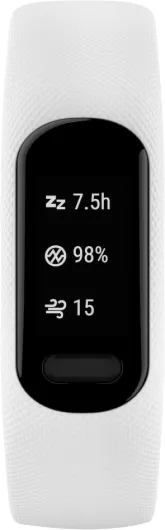
To identify the best fitness trackers with sleep tracking, start with sensor quality. A reliable fitness tracker should track heart rate continuously, estimate blood oxygen at night and log sleep stages with enough precision to show trends. These data points let the device connect daytime fitness tracking with night time recovery, giving a fuller picture of your health.
Battery life is another decisive factor for any sleep tracker or smart watch. If your fitness tracker or watch needs charging every day, you will eventually skip nights and lose valuable sleep tracking data. Look for fitness trackers that offer several life days of use with continuous heart rate and sleep tracking enabled, especially if you also rely on GPS or bright screens.
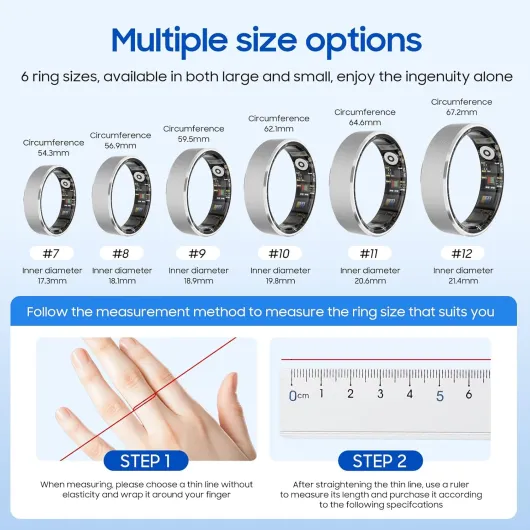
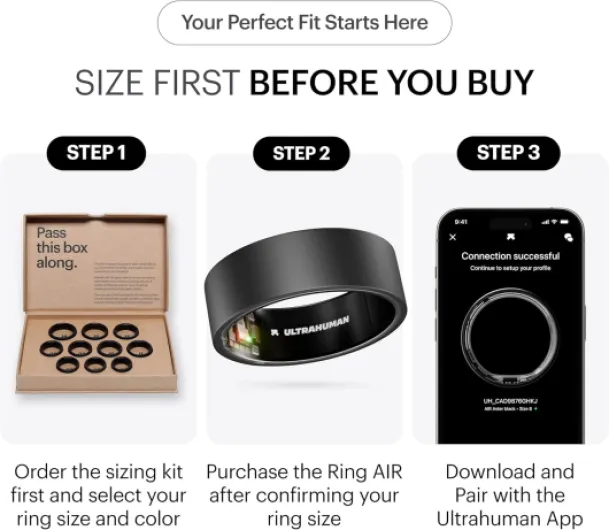
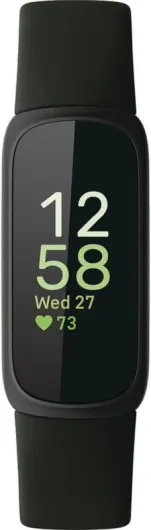
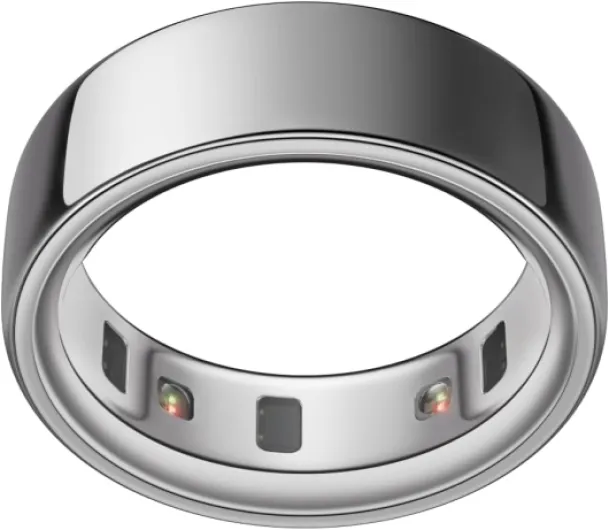
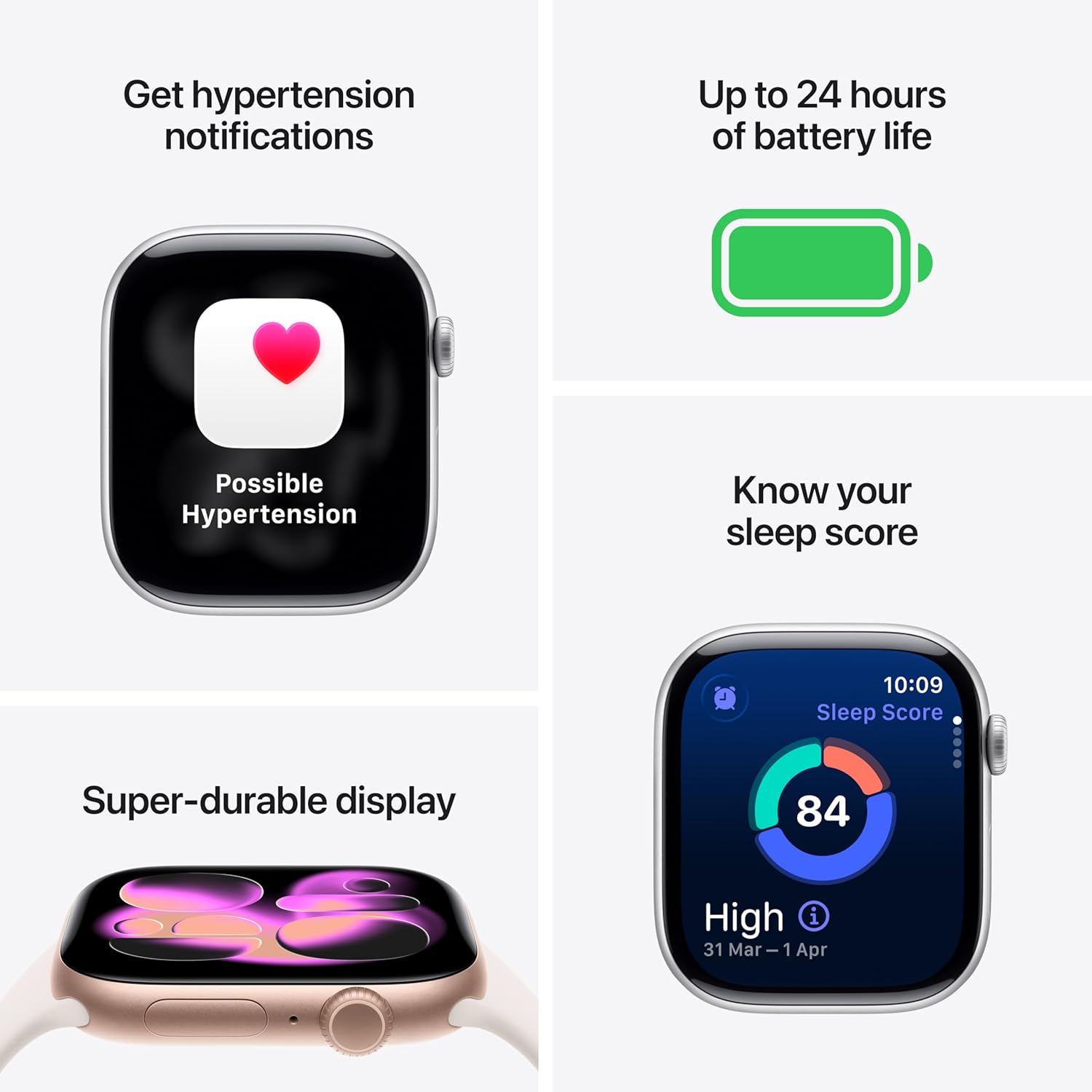
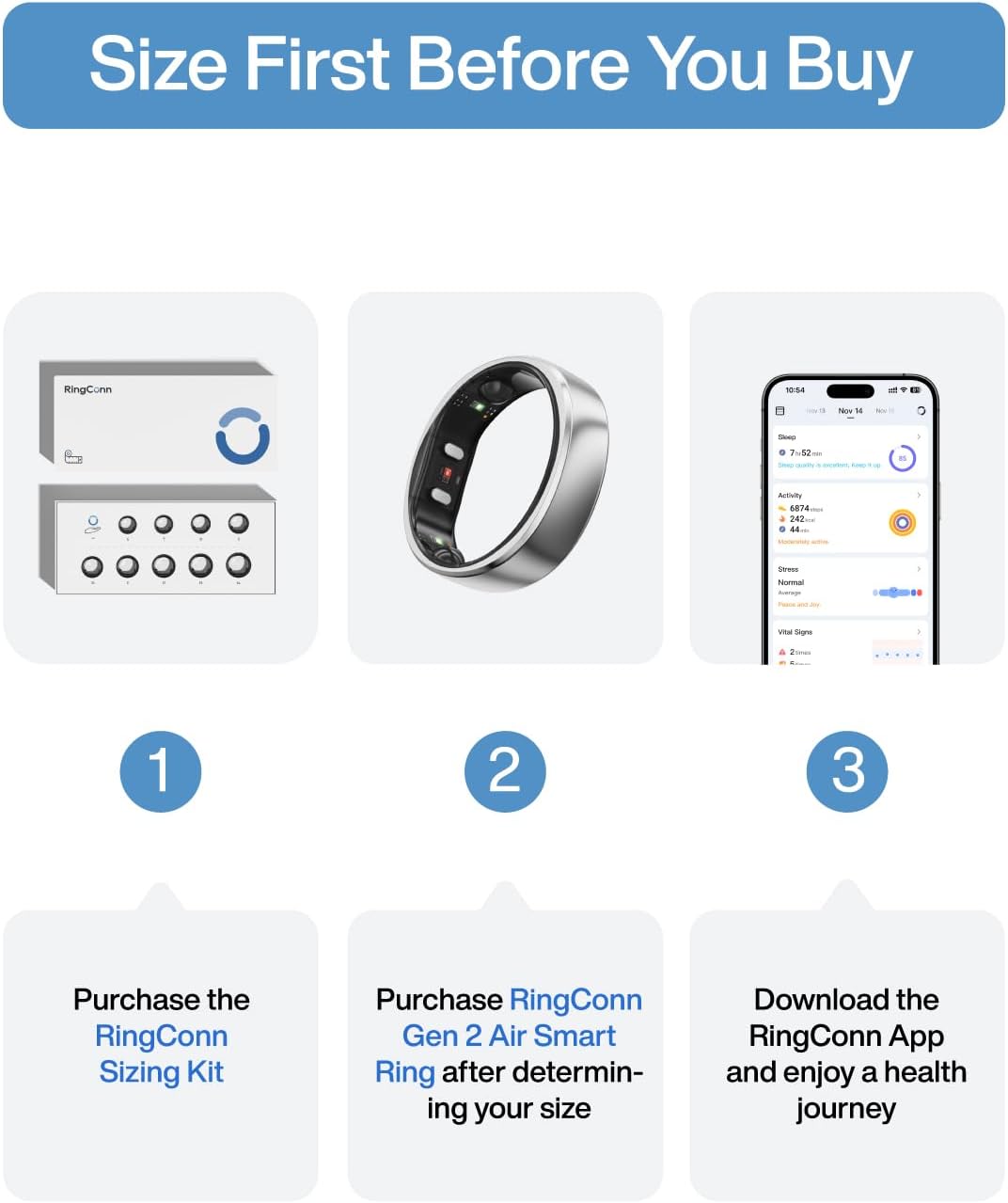
Comfort and design strongly influence whether you actually wear the device. Some people prefer a lightweight ring such as the Oura ring, while others like a slim band such as a Fitbit Charge or a more capable watch like a Garmin Forerunner or Apple Watch. Water resistance matters if you swim, shower or sweat heavily, and a robust strap or band is essential for long term fitness tracking. For Apple users, choosing the right waterproof band for an Apple Watch can also improve comfort and durability, as explained in this guide on selecting the best waterproof band for your Apple Watch.
Comparing rings, watches and bands for all night sleep tracking
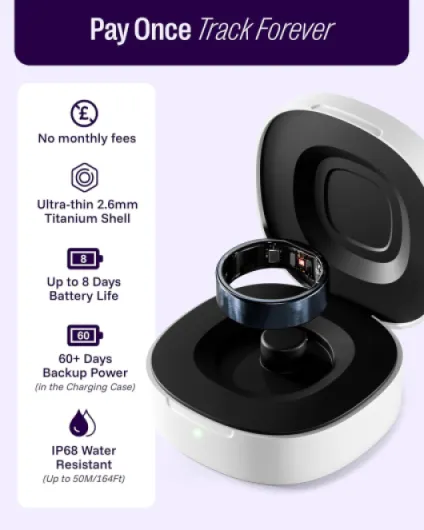
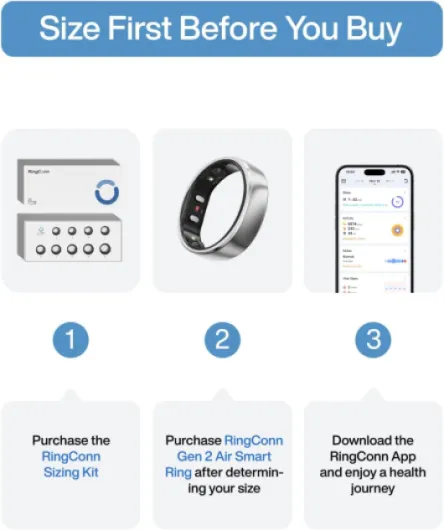
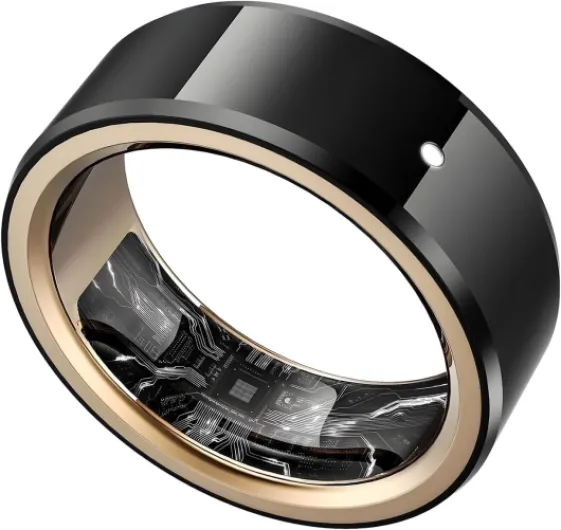
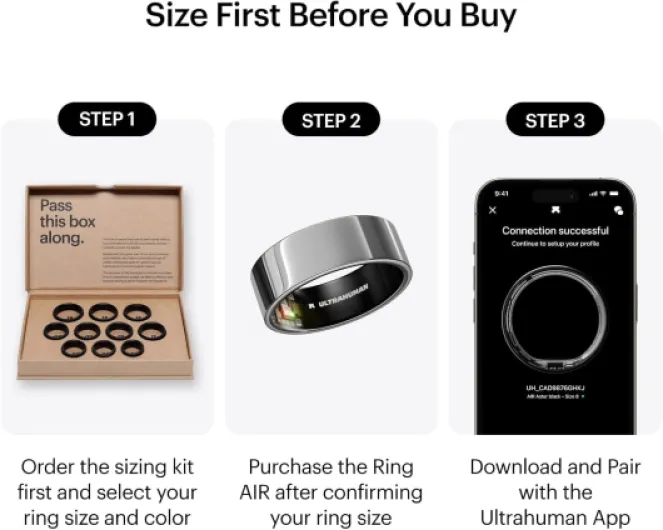
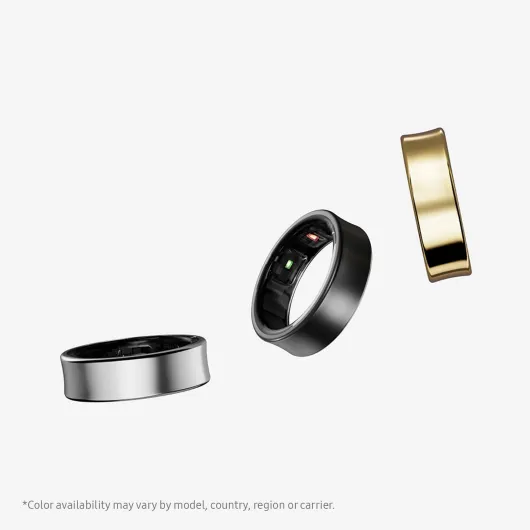
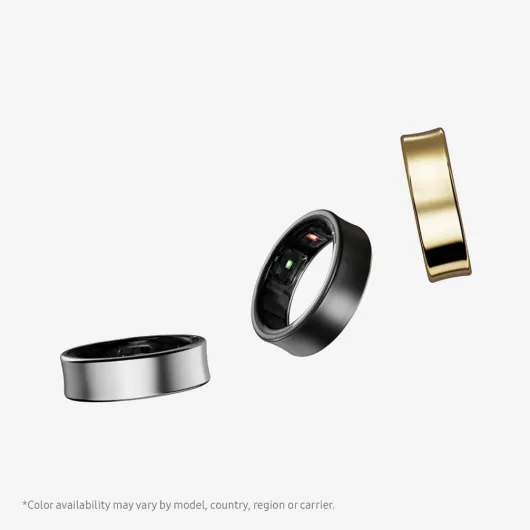
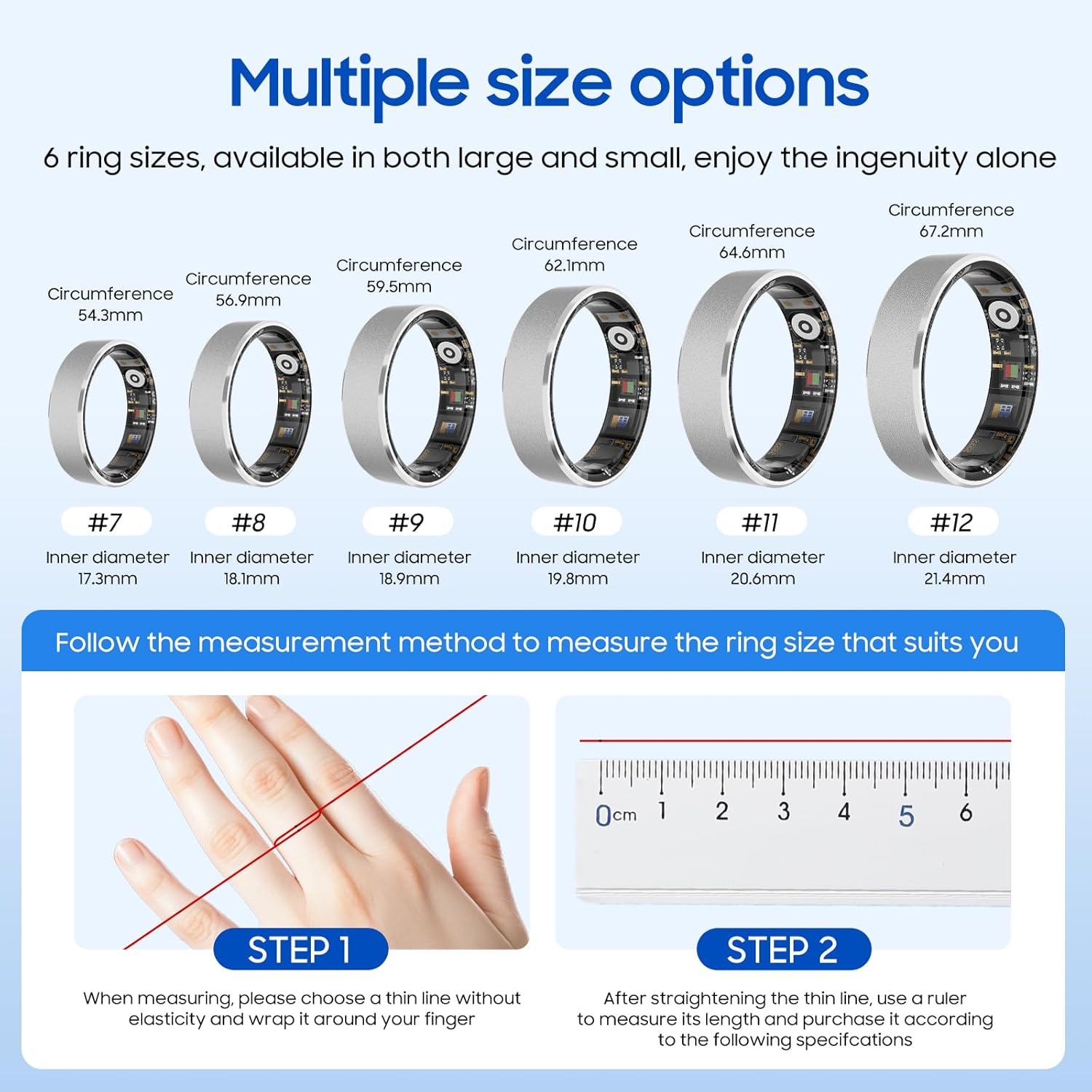
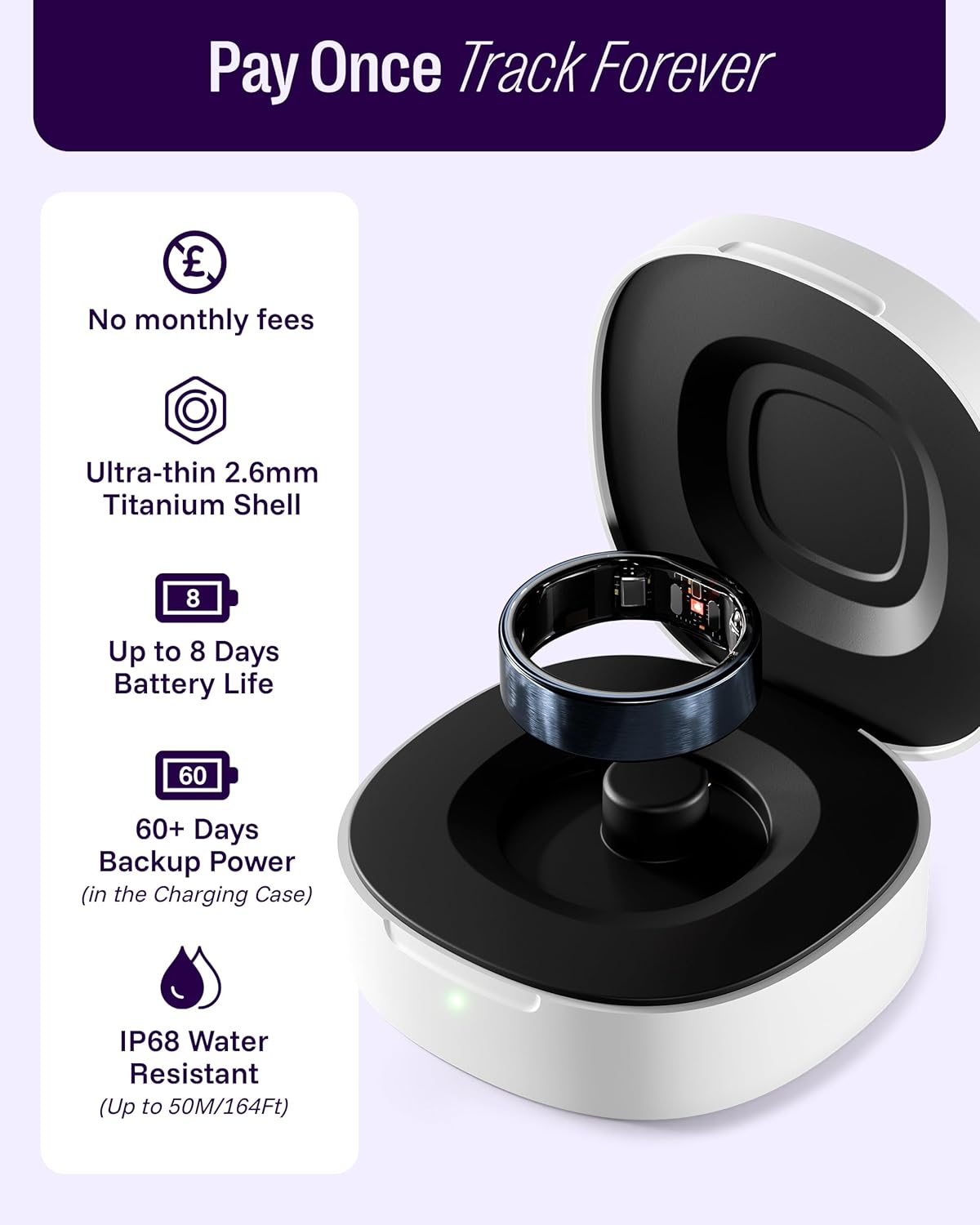
Different types of fitness trackers with sleep tracking suit different sleepers. A ring such as the Oura ring feels almost invisible at night, which helps people who dislike a watch or band in bed. This kind of sleep tracker focuses on heart rate, heart rate variability, temperature and movement to estimate sleep stages and overall recovery.
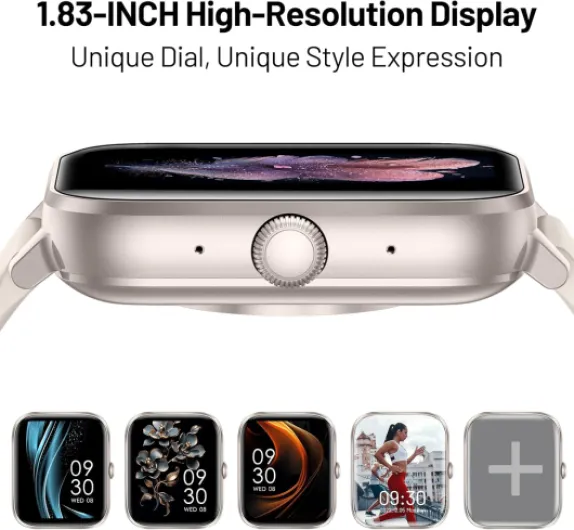
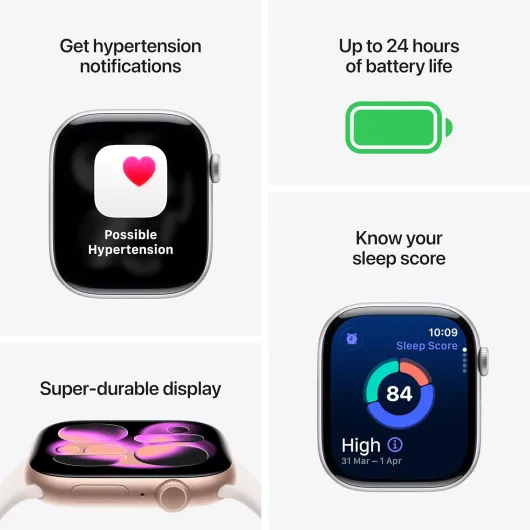
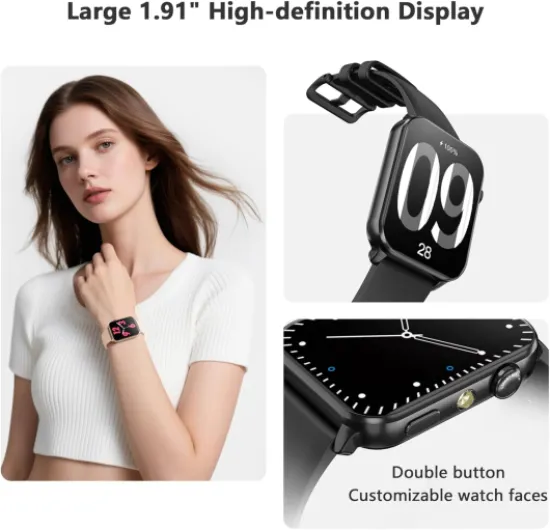
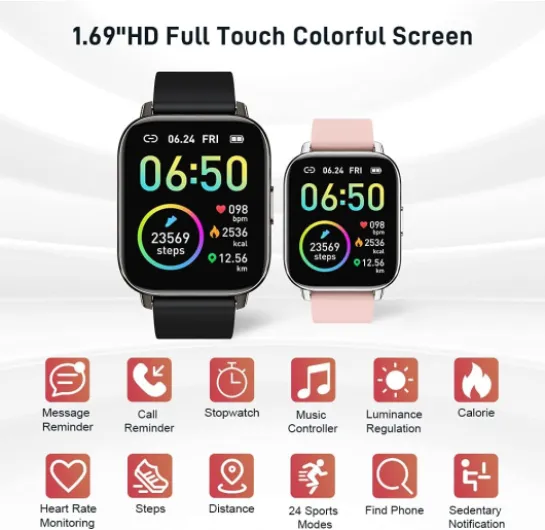
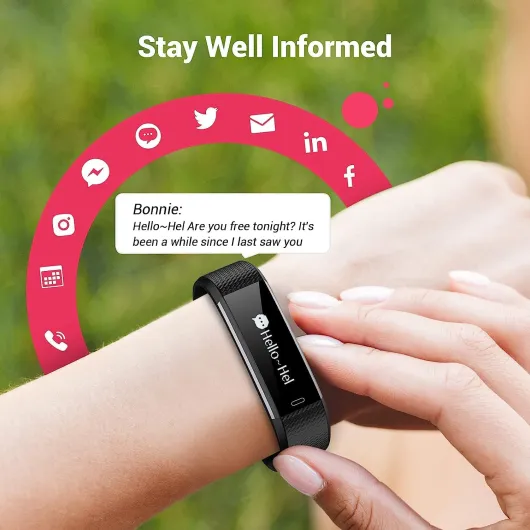
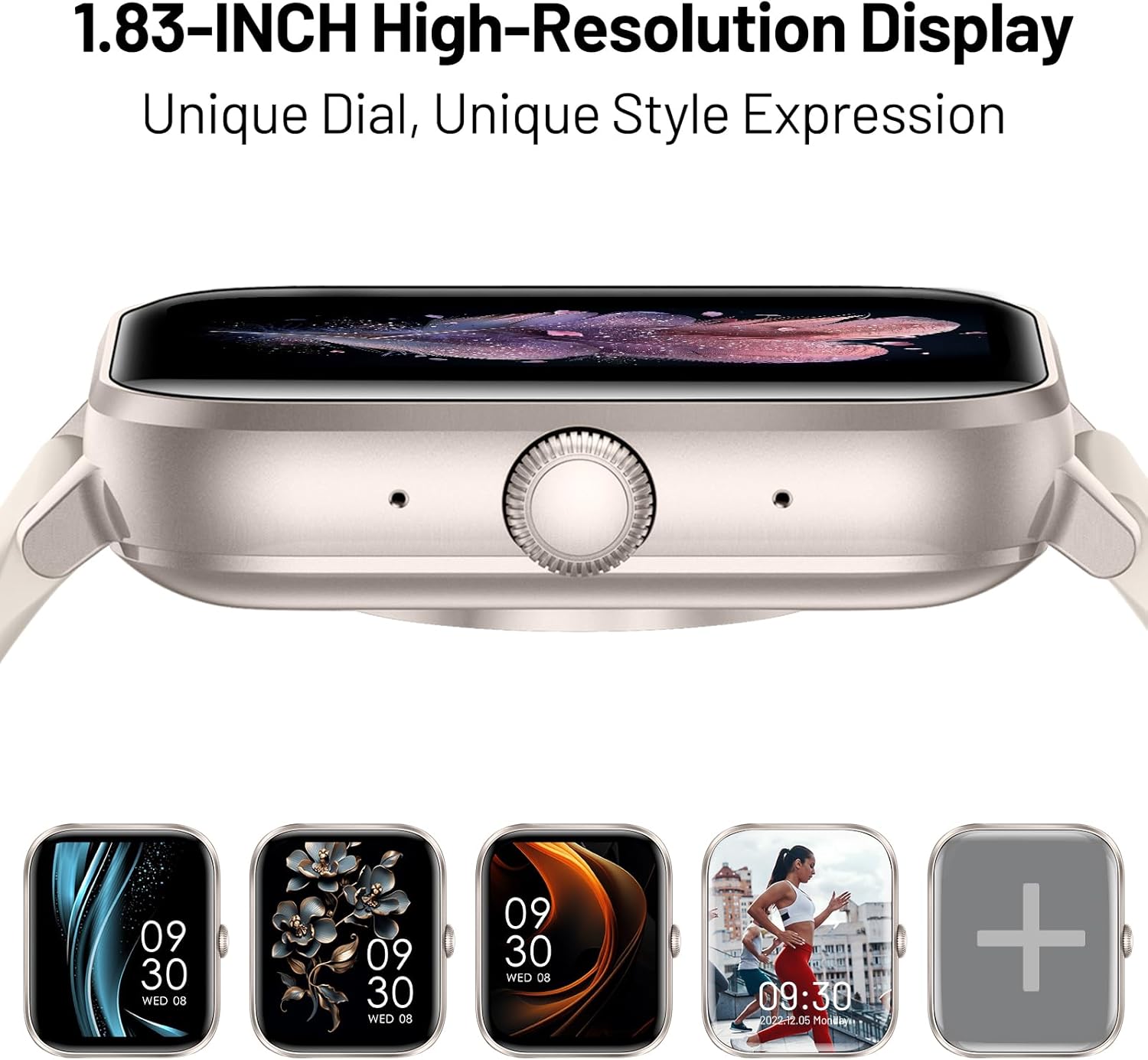
Wrist based fitness trackers and watches offer more obvious screens and richer fitness tracking features. A Garmin Forerunner, a Pixel Watch, an Apple Watch or a Fitbit Charge can combine daytime training metrics with detailed sleep tracking and health data. These devices often include water resistance suitable for swimming, and some models integrate advanced metrics for runners, cyclists or swimmers, especially when paired with tools like the Garmin Swim 2 as described in this article on enhancing your swimming experience with Garmin Swim 2.
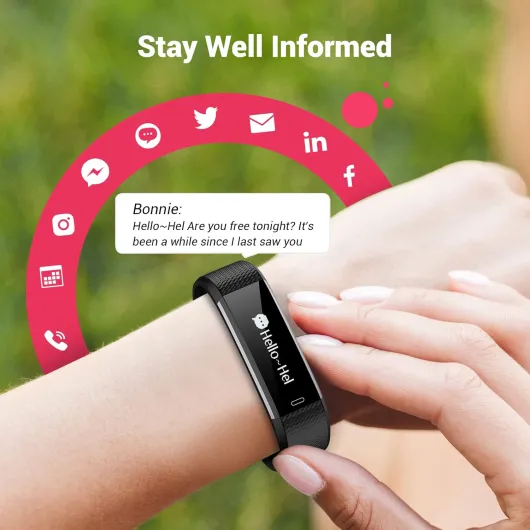
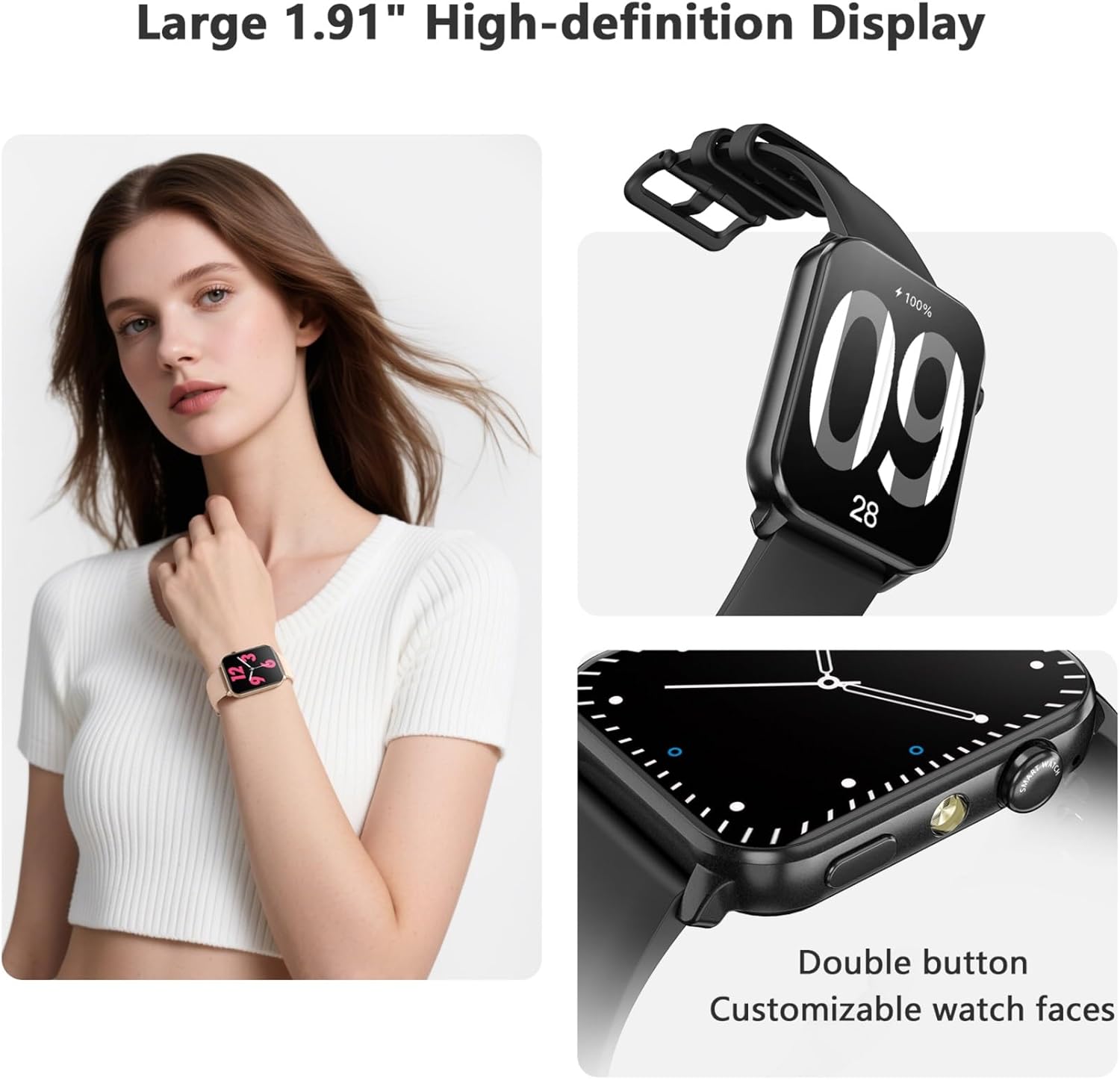
Bands and watches usually provide more direct interaction through buttons and touchscreens. You can check your heart rate, sleep stages, fitness tracking summaries and app notifications in real time, which many users appreciate. However, a ring style sleep tracker may offer better battery life and comfort, so the best fitness trackers with sleep tracking for you will balance device size, battery, water resistance and the type of app ecosystem you prefer.
How leading brands handle sleep tracking, apps and health data
When evaluating the best fitness trackers with sleep tracking, it helps to understand how major brands treat your health data. Fitbit, Garmin, Apple, Oura and Whoop each use slightly different algorithms to interpret heart rate, blood oxygen and movement during sleep. Their apps then translate this complex data into sleep stages, readiness scores and personalised coaching.
Fitbit devices such as the Fitbit Charge line are known for approachable sleep tracking summaries. Garmin Forerunner watches and other Garmin fitness trackers lean toward athletes who want detailed fitness tracking, training load and recovery metrics alongside nightly sleep tracker reports. Apple Watch and Pixel Watch models integrate tightly with their respective ecosystems, linking sleep tracking with broader health and productivity features.
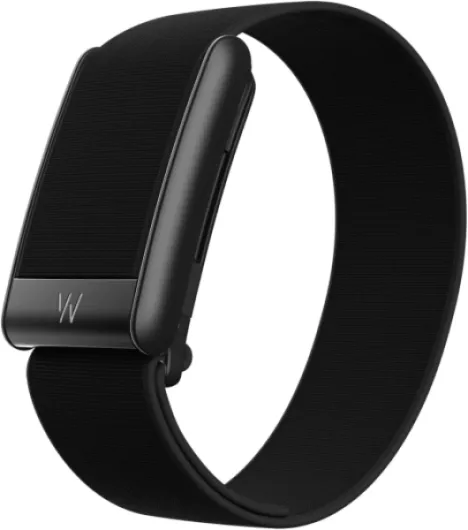
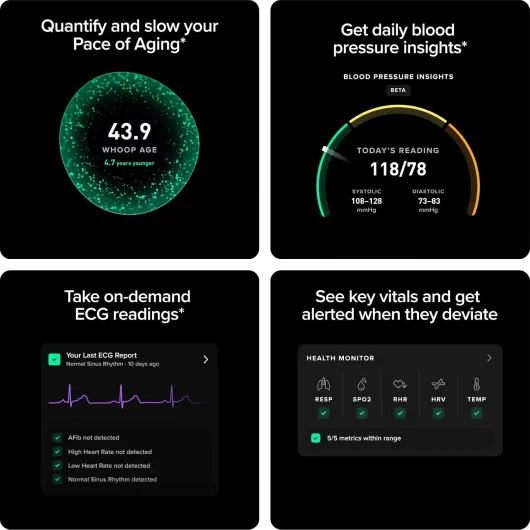
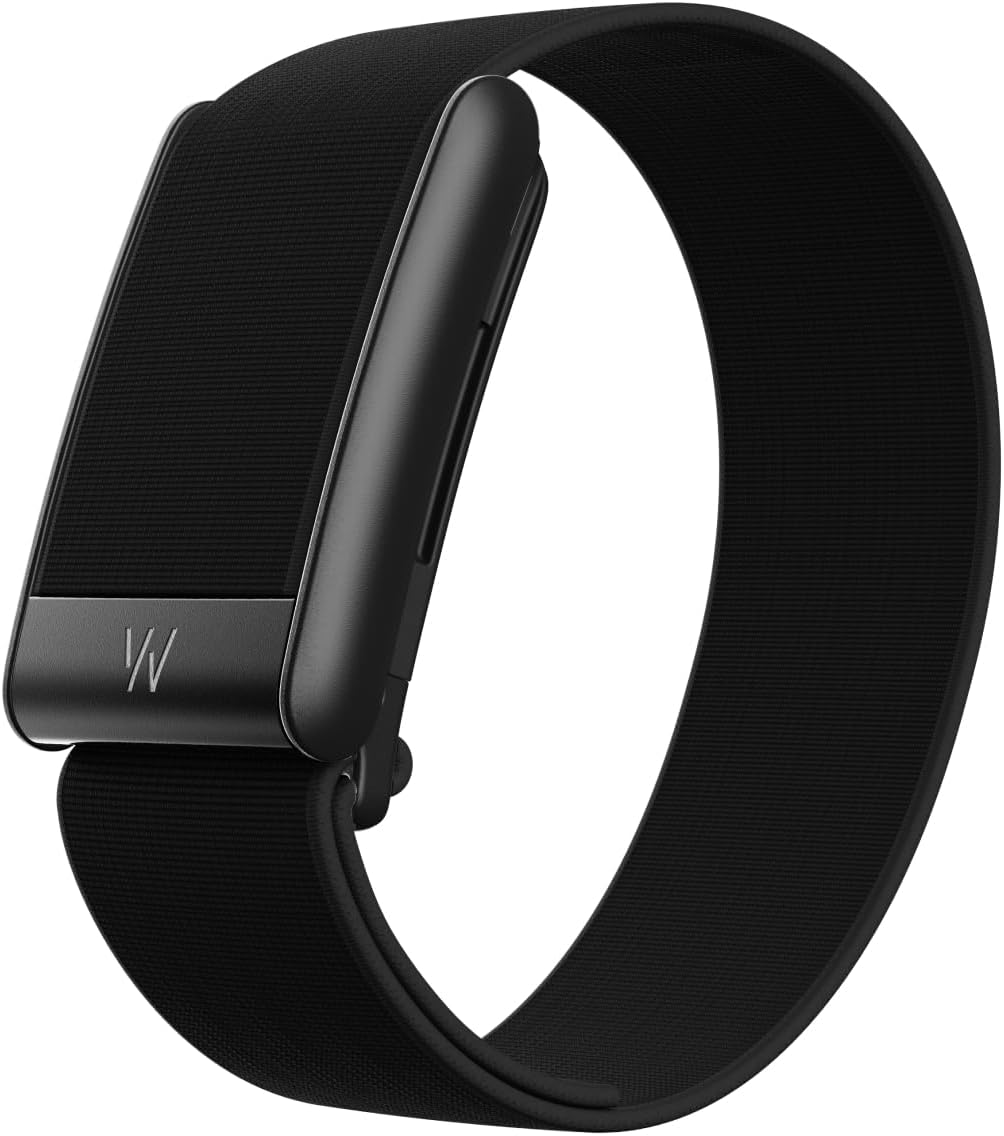
Oura ring and Whoop straps focus heavily on recovery and long term trends. They emphasise how sleep quality, heart rate variability and strain interact over time, which can guide training intensity and rest days. Whatever brand you choose, check how the app presents sleep trackers data, whether you can export information, and how clearly it explains heart rate, sleep stages and battery life expectations. For a deeper look at a practical sports watch that balances real battery performance and everyday usability, you can review this analysis of a no nonsense fitness watch with real battery life.
Practical tips to get the best sleep tracking from any device
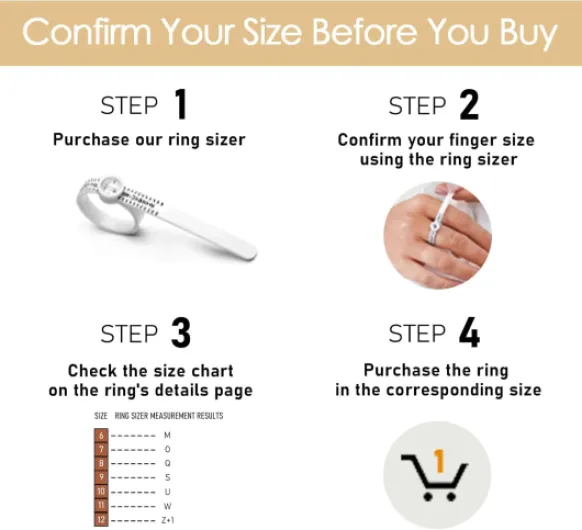
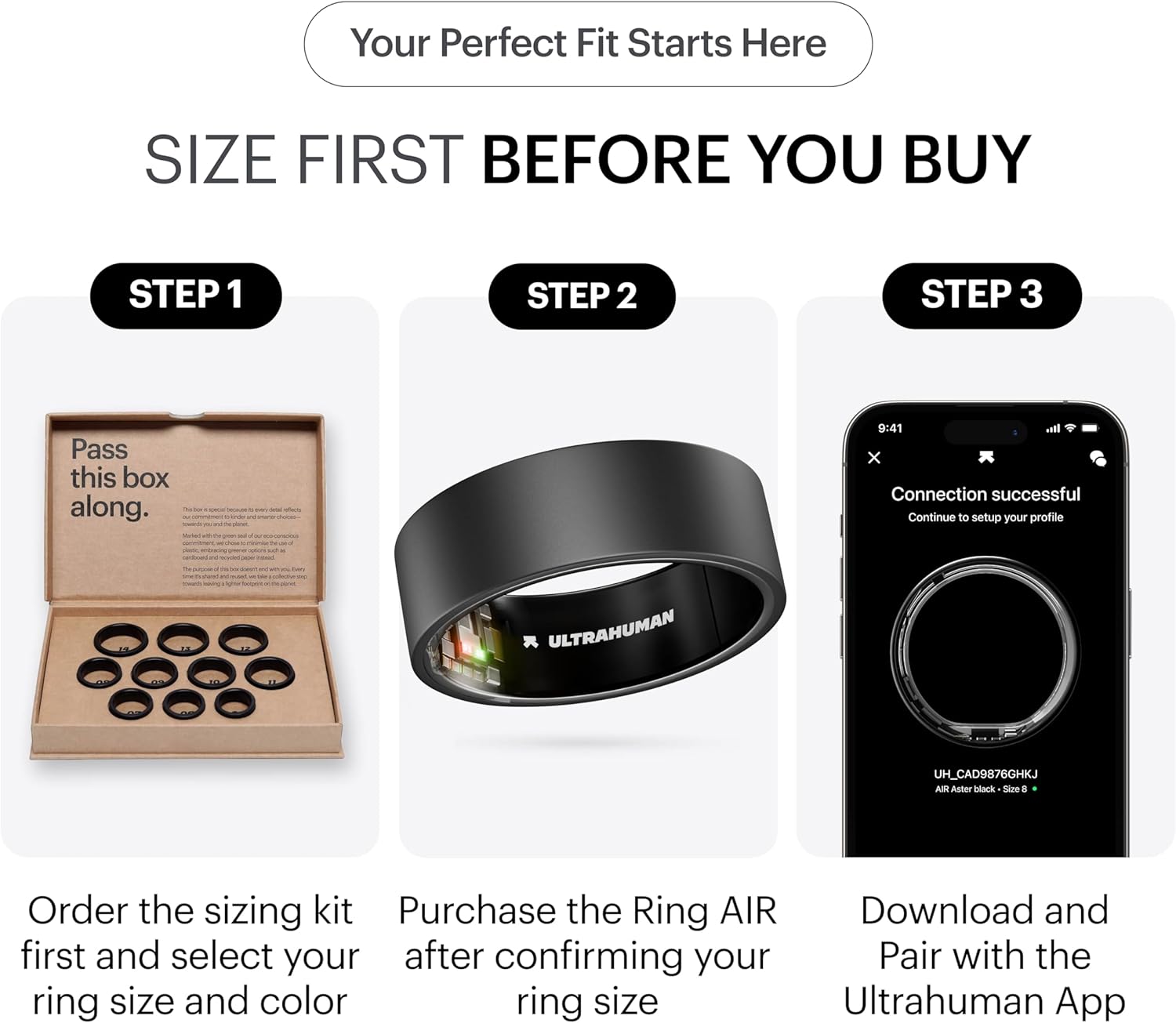
Even the best fitness trackers with sleep tracking need proper setup to perform well. First, ensure your fitness tracker, watch or ring fits snugly but comfortably, so the heart rate sensor maintains good contact all night. A loose device can corrupt sleep tracker readings, heart rate data and blood oxygen estimates, leading to misleading sleep stages.
Next, spend time configuring the app that accompanies your fitness tracker or sleep tracker. Set realistic bedtimes, enable heart rate and blood oxygen tracking, and allow the device to collect several life days of baseline data before judging results. Avoid comparing single nights, and instead look at weekly or monthly patterns in sleep tracking, resting heart rate and time spent in different sleep stages.
Remember that no consumer device replaces medical evaluation. Fitness trackers, sleep trackers, watches and rings are best used as trend monitors that highlight potential issues with sleep, stress or training load. If your tracker or app repeatedly flags very low blood oxygen, irregular heart rate or extremely fragmented sleep, discuss these findings with a qualified health professional. Used thoughtfully, the best fitness trackers with sleep tracking can support better fitness, more restorative sleep and more informed conversations with your care team.
Choosing the right fitness tracker for your lifestyle and budget
Selecting the best fitness trackers with sleep tracking means balancing features, comfort and cost. Some people want a simple sleep tracker with strong battery life and minimal distractions, while others prefer a full featured fitness tracker that replaces a traditional watch. Think about whether you prioritise heart rate accuracy, blood oxygen monitoring, water resistance, GPS, or a bright screen for daytime use.
If you mainly care about sleep and recovery, a ring like the Oura ring or a dedicated Whoop strap may suit you better than a large watch. If you want all in one fitness tracking, a Garmin Forerunner, Fitbit Charge, Apple Watch, Pixel Watch or similar fitness trackers can combine training metrics, health data and sleep tracking in one device. Check how many life days the battery can last with continuous heart rate and sleep tracking, and whether the device supports your preferred sports or activities.
Retail options range from specialist online shops to mainstream outlets such as Best Buy and brand websites. Compare prices, warranty terms and app subscription requirements, because some sleep trackers and fitness trackers need ongoing fees for full data access. Ultimately, the best fitness tracker or best sleep tracker for you is the one you will wear consistently, understand clearly through its app, and trust to guide your health and fitness decisions over time.
Key statistics about sleep tracking and fitness trackers
- Up to one third of adults report regular sleep difficulties, making accurate sleep tracking from a fitness tracker or sleep tracker increasingly valuable.
- Users who wear fitness trackers or sleep trackers consistently for at least ninety life days tend to show more stable bedtimes and wake times.
- Continuous heart rate and sleep tracking can reveal resting heart rate reductions of several beats per minute after sustained fitness improvements.
- Devices with longer battery life and strong water resistance show higher long term adherence, because users rarely need to remove the tracker.
- People who regularly review sleep stages and health data in their app are more likely to adjust lifestyle habits such as caffeine timing and screen use.
Common questions about the best fitness trackers with sleep tracking
Are fitness trackers accurate enough for serious sleep tracking ?
Most modern fitness trackers and sleep trackers provide reasonably accurate trends for sleep duration and timing. Their estimates of sleep stages and blood oxygen are less precise than clinical tools, but still useful for spotting patterns. For medical concerns about sleep or heart rate, always consult a healthcare professional.
Should I choose a ring, a band or a watch for sleep ?
A ring such as the Oura ring usually feels least intrusive at night. Bands and watches like Fitbit Charge, Garmin Forerunner, Apple Watch or Pixel Watch offer broader fitness tracking features and easier on device controls. Your best choice depends on comfort, desired features, water resistance needs and how much you value a visible screen.
How important is battery life for a sleep tracker ?
Battery life is critical because frequent charging interrupts sleep tracking and fitness tracking. A device that lasts several life days with continuous heart rate and sleep tracking makes it easier to maintain consistent data. Look for fitness trackers or sleep trackers that can handle both day time workouts and night time monitoring without daily charging.
Can a fitness tracker replace a medical sleep study ?
No consumer fitness tracker, sleep tracker, ring or watch can replace a formal sleep study. These devices estimate sleep stages, heart rate and blood oxygen using simplified sensors and algorithms. They are best used as supportive tools that highlight trends, not as diagnostic instruments.
What is the best way to use sleep tracking data in daily life ?
Focus on long term patterns rather than single nights of data. Use your app to relate sleep duration, sleep stages and resting heart rate to how you feel and perform. Adjust bedtime, light exposure, caffeine and training load gradually, and reassess how your fitness tracker or sleep tracker trends respond over several weeks.