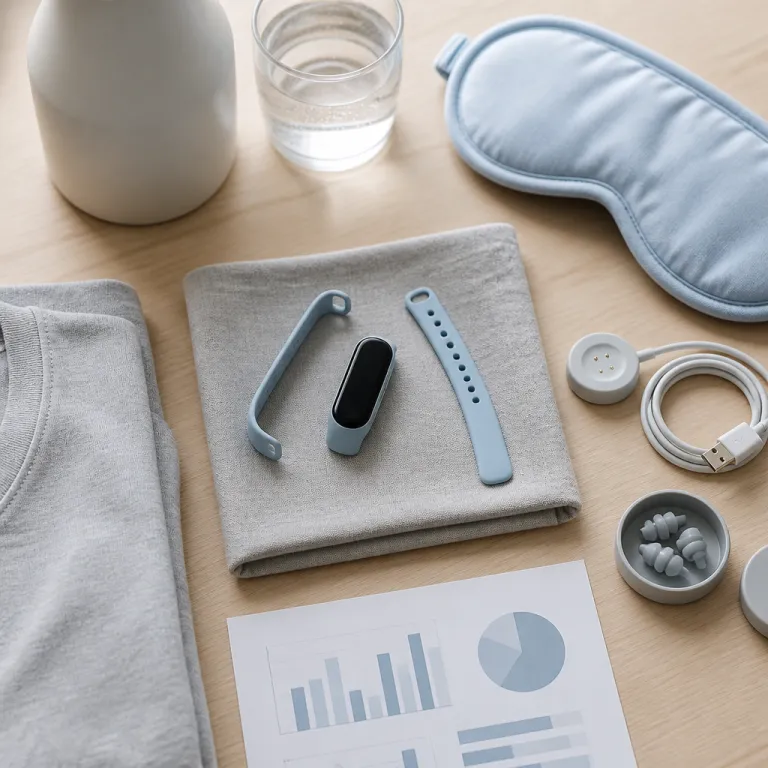
Why deep sleep matters more than you think
Deep sleep is the stage when your brain and body repair most intensively. During this slow wave phase, your body restores muscles, consolidates memories, and resets many core health systems such as immune, metabolic, and cardiovascular function. If you want to understand how to get more deep sleep, you must first understand why this phase plays such a dominant role in long term health and next day performance.
Across a typical night, your total sleep is divided into several sleep stages that repeat in sleep cycles of about 90 minutes. Light sleep, deep sleep, and REM sleep each support different brain functions, and fitness trackers estimate these sleep patterns from movement and heart rate. When deep slow wave sleep is cut short, people often feel more tired, more stressed, and less focused the next day, even when total sleep duration looks reasonable on a device.
Researchers in sleep medicine link short deep stages to higher risks of sleep disorders and metabolic disease. During slow wave sleep, the brain clears waste products, the body releases growth hormone, and stress hormones fall to healthier levels. That is why improving sleep quality at night is not just about more hours in bed, but about getting more deep, restorative time in the right stage so your brain and body can complete essential overnight maintenance.
How fitness trackers estimate sleep stages and where they fall short
Most consumer fitness trackers estimate sleep stages by combining movement, heart rate, and sometimes skin temperature or blood oxygen. They label segments of your night as light sleep, deep sleep, and REM sleep, then show total sleep time and the proportion of each stage. These devices cannot read your brain waves directly, but they approximate slow wave sleep using patterns that correlate with laboratory measurements from clinical sleep studies.
In clinical sleep medicine, technicians use polysomnography to measure brain activity, eye movements, and muscle tone. That gold standard test identifies every sleep stage, including precise slow wave sleep and REM sleep, with far higher accuracy than a wrist device. Validation studies comparing popular trackers such as Fitbit, Apple Watch, and Oura with polysomnography often report around 80 to 90 percent agreement for total sleep time, but substantially lower accuracy for individual stages, so consumer data is better for trends than for minute by minute details.
Still, trackers are powerful tools for spotting changes in sleep quality over time. If your deep stages drop after a stressful week or late night screen use, the pattern can help you adjust habits before sleep disorders develop. For a clear primer on what light, deep, and REM labels really mean on your device, see this explanation of what your tracker’s sleep stages mean and which stage you are probably missing.
Choosing the right tracker to increase deep sleep
Not every fitness tracker measures sleep with the same precision or features. Some watches track heart rate variability and skin temperature, which can help estimate circadian rhythm shifts and stress levels that affect deep sleep. Rings and bands may be more comfortable in bed, which matters when you want accurate data across every night and every stage without feeling distracted by the device.
When your goal is how to get more deep sleep, look for devices that show time in deep sleep, REM sleep, and light sleep separately. A clear breakdown of sleep stages and total sleep hours lets you see whether you need more deep slow wave time or simply more hours overall. Some trackers also flag irregular sleep cycles that might suggest sleep disorders and prompt a conversation with a sleep medicine specialist about formal testing.
Comfort and battery life influence sleep quality more than many people expect. If a device feels heavy on the body or needs charging every day, you may remove it before the most important slow wave stage. To compare how rings, watches, and bands handle sleep tracking at night, review this detailed sleep tracking face off that outlines what each form factor gets right and wrong.
Using your data to train your brain and body for deeper sleep
Once your tracker collects several weeks of data, patterns in your sleep cycles start to emerge. You might see that deep sleep peaks in the first half of the night, while REM sleep dominates the early morning hours. That pattern is normal, and it shows why going to bed later often cuts the most restorative slow wave stage and leaves you with lighter, less refreshing sleep.
To increase deep sleep, use your tracker’s charts to test specific changes. For a simple two week experiment, shift your bedtime earlier by 15 minutes every three nights until you are 30 to 45 minutes earlier than usual, and keep wake time fixed. Each morning, log total sleep, minutes in deep stages, and next day energy in the app or a short note, then compare the second week with your baseline to see whether the new schedule supports better sleep quality and more slow wave minutes.
Many devices now estimate stress through heart rate variability and link it to overnight recovery scores. High stress during the day often predicts shorter deep stages at night, even when total sleep hours look normal. When your tracker shows repeated nights of low deep sleep after stressful days, that feedback can help you prioritise relaxation practices before you fall asleep, such as a short breathing exercise, stretching, or a consistent wind down routine.
Habits that help you get more deep sleep, validated by trackers
Fitness tracker data consistently shows that regular bed times support more deep sleep. When your circadian rhythm stays stable, your brain enters slow wave sleep more quickly after you fall asleep. People who shift their schedule every weekend often see fragmented sleep stages and lower overall sleep quality, even if they try to “catch up” with longer lie ins.
Light exposure is another powerful lever you can track. Bright daylight early in the day strengthens your circadian rhythm, while dim light in the evening signals the body to prepare for night. If your tracker shows long periods of light sleep before the first deep stage, try reducing screen light and heavy meals in the two hours before bed, and consider using warmer, lower intensity lighting in your bedroom.
Exercise timing also shapes deep sleep and REM sleep balance. Moderate activity during the day tends to increase deep slow wave time, but intense late night workouts can raise stress hormones and delay the first deep stage. Use your tracker to compare nights after morning training with nights after evening sessions, then adjust the time of your workouts to support more deep, restorative hours and better recovery scores.
When to worry about sleep disorders and seek medical help
Fitness trackers are not diagnostic tools, but they can highlight patterns that deserve medical attention. If your device repeatedly shows very low deep sleep or REM sleep despite enough total sleep hours, that may signal an underlying problem. Fragmented sleep cycles with many awakenings can also point toward sleep disorders such as sleep apnoea or restless legs syndrome that disrupt slow wave stages.
Clinical resources from organisations like the American Academy of Sleep Medicine, the National Library of Medicine, and Cleveland Clinic emphasise that persistent daytime sleepiness, loud snoring, or pauses in breathing at night require professional evaluation. When your tracker data aligns with these symptoms, bring several weeks of sleep stage reports to a sleep medicine specialist. They can order tests that measure brain waves and confirm whether slow wave sleep or other stages are being disrupted by conditions such as obstructive sleep apnoea.
Medical teams sometimes use sleep medicine such as melatonin or other prescriptions, but these should never be started solely on the basis of tracker graphs. Instead, think of your device as a tool that supports conversations about health, stress, and lifestyle. If you notice sudden changes in sleep patterns after illness, this guide on what your fitness tracker really shows when you are sick can help you interpret shifts in heart rate and recovery.
Key statistics about deep sleep and fitness tracking
- In laboratory studies, healthy adults typically spend about 13 to 23 percent of total sleep time in deep slow wave sleep, while REM sleep accounts for roughly 20 to 25 percent, highlighting how both stages are essential for brain and body recovery. These ranges are reported in controlled polysomnography research published through the National Library of Medicine and related sleep science journals.
- Research indexed in NCBI shows that even a reduction of 10 to 20 percent in slow wave sleep over several nights can impair memory consolidation and increase next day sleepiness, demonstrating why relatively small losses in deep stages matter for cognitive performance and learning.
- Clinical reviews available via NLM indicate that chronic sleep restriction to fewer than 6 hours per night is associated with higher risks of cardiovascular disease and metabolic disorders, underlining the importance of both sufficient hours and good sleep quality that includes adequate deep and REM sleep.
- Analyses summarised by Cleveland Clinic report that people with untreated sleep apnoea can lose up to 60 percent of their normal deep sleep, which explains why effective treatment often leads to dramatic improvements in daytime energy, alertness, and blood pressure control.
- Consumer surveys of fitness tracker users show that people who regularly review their sleep stage data are more likely to adjust bed times and reduce evening screen use, suggesting that feedback from devices can help increase deep sleep over time by nudging healthier routines.
FAQ about deep sleep and fitness trackers
How much deep sleep should I aim for each night ?
Most adults benefit when deep sleep makes up roughly 15 to 25 percent of total sleep time. For someone sleeping 7 to 8 hours, that often means about 60 to 110 minutes of slow wave sleep. Use your tracker to watch trends over weeks rather than worrying about a single night or one unusually short deep stage.
Can my fitness tracker accurately diagnose sleep disorders ?
No consumer tracker can diagnose sleep disorders, because they do not measure brain waves directly. They estimate sleep stages from movement and heart rate, which is useful for patterns but not for medical decisions. If your data and symptoms raise concerns, consult a sleep medicine specialist for formal testing such as overnight polysomnography.
What habits most reliably increase deep sleep ?
Going to bed and waking up at consistent times is one of the strongest ways to support your circadian rhythm and increase deep sleep. Regular daytime exercise, bright morning light, and a dark, quiet bedroom also help your brain enter slow wave sleep more quickly. Track changes for at least two weeks to see how your sleep quality responds and which habits move your deep minutes upward.
Why does my deep sleep vary so much from day to day ?
Deep sleep is sensitive to stress, alcohol, late meals, and irregular schedules. A single late night or heavy drink can reduce slow wave sleep and shift more time into light stages. Look for patterns across several nights, then adjust the behaviours that consistently precede poor sleep quality, such as late screen use or very intense evening workouts.
Should I worry if my tracker shows very little REM sleep ?
Occasional nights with low REM sleep are common and usually not a problem. Persistent patterns of very low REM sleep or deep sleep, especially with daytime fatigue, warrant a discussion with a healthcare professional. Remember that trackers estimate REM stages, so clinical testing is needed if serious concerns arise or symptoms suggest a sleep disorder.
