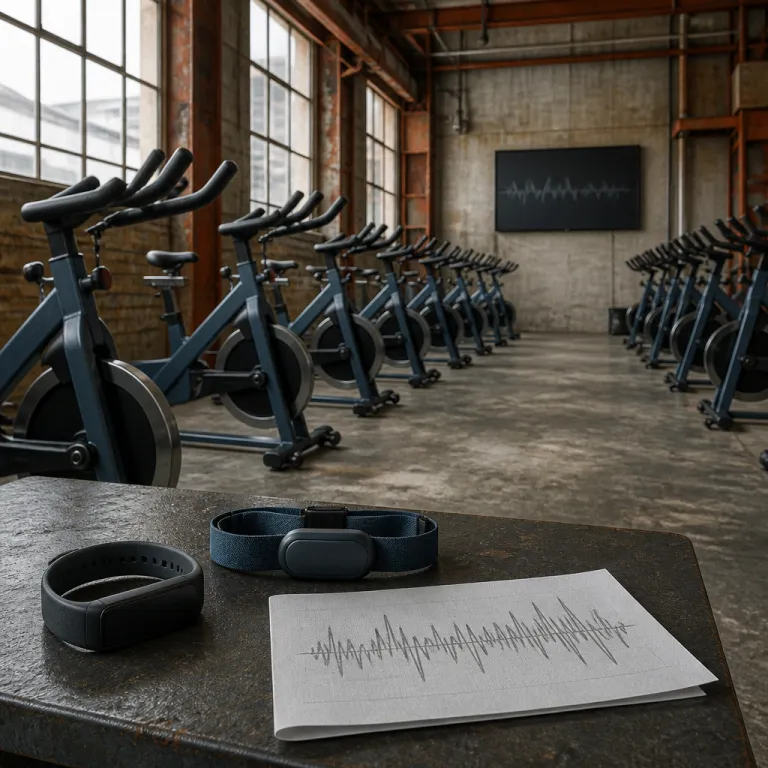
Why heart rate recovery is the missing link in your workout data
Heart rate recovery is the drop in heart beats after exercise stops. During a workout your cardiovascular system pushes to a high effort, then your autonomic nervous system rapidly slows the rate to a safer resting level. A fitness tracker user who understands this recovery pattern can read far more than a simple average heart rate number and see how the heart responds to training stress.
Sports cardiologists view the rate of decline in the first minute as a powerful health marker, because a faster rate recovery usually reflects stronger parasympathetic control and better overall fitness. Classic work by Cole et al. (New England Journal of Medicine, 1999) found that a heart rate recovery of 12 beats per minute or less after a supervised treadmill test was linked with higher mortality in a large clinical population, while later studies in generally healthy adults suggest that a fall of at least 18–20 beats per minute in the first minute after running or cycling is associated with more favorable outcomes. More recent wearable research also shows that slower post‑exercise rate recovery and a higher resting heart rate trend are associated with increased cardiovascular risk over time. These clinical thresholds, however, come from controlled lab protocols and may not map directly to wrist‑based trackers, so your own normal pattern and long‑term trend matter more than any single cut‑off. If the recovery is unusually slow for your typical workout, that can signal fatigue, illness, or a need to adjust your training plan before problems start.
What sets heart rate recovery apart from other metrics is that it links performance and health in a single, easy to track number. A user can finish a brisk walk, note the peak heart rate, then check the rate one minute later to see how quickly the beats have dropped toward resting values. Over several weeks you will see whether your recovery trend is getting better, staying flat, or quietly slipping in the wrong direction, which is far more informative than looking at one isolated rate minute after a single workout.
How fitness trackers actually measure heart rate recovery
Most modern fitness trackers use optical sensors on the wrist to estimate heart rate from tiny changes in blood volume. During a workout the device records every beat, then calculates the highest rate reached and the rate minute by minute as you move into recovery. The difference between the peak and the value at one or two minutes after you have stopped is what the app usually calls heart rate recovery, although the displayed curve is often smoothed by algorithms that filter out brief spikes and motion noise.
To get reliable rate recovery data, you need to control your pace and your posture when the session ends, because sudden arm movements or loose straps can confuse the optical sensor. The best approach is to finish your running interval or brisk walk, then stand or sit still while breathing calmly for at least two minutes, letting the tracker log each rate minute without interruption. As a simple, standardised protocol, you can perform a 20‑minute steady run or walk at a comfortable but purposeful pace, note the peak heart rate in the last few minutes, then stop and record the rate exactly one and two minutes into recovery. If your device offers a rate notification feature for abnormal readings, make sure it is enabled so you will be alerted when the heart behaves in a way that sits far apart from your normal pattern.
Some trackers struggle with very high intensity efforts or with activities like cycling on rough roads, where vibration makes the rate signal noisy and the recovery curve less clear. For those situations, brands often recommend pairing a chest strap to capture more accurate heart rate data, especially when you train above zone three where optical readings can fall apart during hard efforts. When the raw signal is clean and motion artifact is low, the algorithm can calculate a precise rate recovery curve that reflects how quickly your cardiovascular system is shifting from high exertion back toward resting balance, but device variability means that clinical decisions should still rely on medical testing rather than consumer wearables alone.
Interpreting your recovery numbers for smarter training decisions
Once your tracker has recorded several weeks of heart rate recovery values, patterns begin to emerge. A user who sees a steady improvement in the rate of decline after similar workouts can be confident that the current training load is pushing fitness in a better direction. When the same running route at the same pace produces a faster recovery, your heart is adapting and your resting state between sessions will usually feel calmer.
If the rate recovery suddenly worsens for two or three sessions in a row, especially after what should be a normal workout, that is a sign to pause and ask why. Poor sleep, dehydration, heat, or emotional stress can all keep heart rate elevated, slowing the drop from high effort back toward resting levels. In those cases you will benefit from reducing training intensity, adding an easy walk instead of intervals, and checking whether your average resting heart rate has also crept upward.
For endurance athletes, pairing heart rate recovery with structured zone two running is particularly effective for building a stronger aerobic base. When you keep most training in lower zones and still see recovery improving, you are gaining fitness without excessive strain on the heart or nervous system. Over time, your tracker will show that you can hold a faster pace at the same heart rate, then return to a calm rate within a minute or two after stopping, which is exactly what long term cardiovascular health requires.
Practical steps to improve heart rate recovery with your tracker
Improving heart rate recovery starts with consistent habits rather than extreme workouts. Aim for at least 150 minutes per week of moderate intensity activity, such as brisk walking, light running, or cycling, and let your tracker guide the heart rate zones. During these sessions you will want to stay mostly in a comfortable range where conversation is possible, then occasionally add short high intensity bursts to challenge the system.
Each time you finish a workout, build a simple routine that makes the recovery measurement reliable and repeatable. Slow your pace gradually for two or three minutes, then stop and stand or walk very slowly while watching how many beats your heart rate drops in the first rate minute and the second. Make sure the strap is snug, the watch face is clean, and the workout mode stays active until at least two minutes of recovery are recorded. If your device supports a rate notification for unusually high readings after exercise, keep it turned on so you will be sure to catch any abnormal delay in recovery that might otherwise pass unnoticed.
Outside of formal training, lifestyle choices have a powerful effect on rate recovery and on your resting heart rate baseline. Regular sleep, limited alcohol, and stress management techniques such as breathing exercises or short walks can all help your nervous system shift more quickly from high alert back to a normal state. Over several weeks your tracker will show that both your average resting rate and your post workout recovery numbers are improving together, confirming that these small daily decisions are moving your cardiovascular health in a better direction.
Using alerts, trends, and context to protect your heart
Fitness trackers now combine heart rate recovery with smart alerts that help the user react quickly to unusual patterns. A rate notification for a very high resting value, or for a heart rate that stays elevated long after a workout, can be an early warning that something is not right. When such an alert appears, you will want to compare the current rate recovery curve with your normal trend and consider whether illness, medication, or overtraining might be playing a role.
Trends over weeks matter more than any single rate minute or isolated workout, because the cardiovascular system naturally fluctuates from day to day. If your average recovery after similar running sessions is gradually slowing, even while pace and distance stay the same, that pattern should not be ignored. In that situation it is wise to reduce training load, prioritize sleep, and speak with a healthcare professional if the heart rate remains unusually high or if you feel chest discomfort, dizziness, or shortness of breath.
Context from other metrics on your tracker can also explain why heart rate recovery looks better or worse on a given day. Poor sleep quality, especially reduced deep sleep, often leaves the nervous system in a stressed state that keeps the rate elevated and slows recovery. By checking sleep stages, resting heart rate, and daytime stress scores alongside your post workout rate recovery, you will see a fuller picture of how your body is coping with life beyond the gym.
What counts as normal heart rate recovery for different users
Normal heart rate recovery is not a single number, but a range that depends on age, fitness level, and health status. For many healthy adults, a drop of at least 20 beats per minute in the first rate minute after moderate to high intensity exercise is considered a reasonable target, while values below about 12 beats per minute in clinical treadmill tests have been associated with higher risk in older or cardiac populations. Highly trained endurance athletes often show a faster rate recovery, while beginners or people with cardiovascular conditions may see a slower decline that still represents progress for their situation.
When you first get started with a fitness tracker, focus on establishing your own baseline rather than chasing someone else’s numbers. Perform the same type of workout, such as a steady 20 minute run or brisk walk, at a similar pace on several days, then record the heart rate at peak effort and at one and two minutes into recovery. Over time you will learn what is normal for your body, which makes it easier to notice when the rate stays unusually high or when the recovery suddenly improves after a period of consistent training.
Different users will also see variation between activities, because running, cycling, and walking place different demands on the muscles and the heart. A hilly run may push your heart rate higher than a flat walk, yet the recovery can still be healthy if the rate drops quickly once you stop climbing. The key is to compare like with like, tracking rate recovery for the same workout type and intensity, so you will be sure that any change you see reflects a real shift in cardiovascular fitness rather than random noise.
Key statistics on heart rate recovery and cardiovascular health
- Research by Cole et al. in the New England Journal of Medicine (1999) reported that a heart rate recovery of 12 beats per minute or less after a treadmill test was associated with a significantly higher risk of mortality compared with faster recovery, highlighting the clinical importance of this simple metric in middle aged and older adults referred for testing.
- Studies on endurance athletes and recreational runners show that structured aerobic training can improve first minute heart rate recovery by around 5 to 15 beats per minute over several months, reflecting enhanced parasympathetic activity and better cardiovascular efficiency.
- Population data indicate that each 10 beat per minute increase in resting heart rate is linked to a measurable rise in cardiovascular risk, which is why combining resting rate trends with post exercise recovery offers a more complete risk profile.
- Observational research on wearable users suggests that consistent moderate intensity activity, such as 7 000 to 10 000 steps per day, is associated with both lower average resting heart rate and faster rate recovery compared with more sedentary patterns.
FAQ about heart rate recovery and fitness trackers
How is heart rate recovery calculated on most fitness trackers ?
Most devices calculate heart rate recovery by subtracting the heart rate one or two minutes after exercise from the peak rate reached during the workout. The first minute drop is often the primary value shown, because it reflects how quickly your nervous system shifts from high effort back toward resting balance. Some apps also display a two minute value to give a fuller picture of the recovery curve.
What is considered a good heart rate recovery value ?
For many healthy adults, a drop of 20 beats per minute or more in the first minute after moderate to vigorous exercise is often considered a good heart rate recovery. Fitter individuals may see larger drops, while beginners may start lower and improve with training. The most important factor is how your own numbers change over time with consistent workouts and healthy habits.
Can poor sleep affect heart rate recovery after workouts ?
Yes, poor sleep can significantly slow heart rate recovery because it keeps the nervous system in a more stressed state. When you are sleep deprived, your resting heart rate often runs higher and your body takes longer to shift from high exercise intensity back to a calm baseline. Tracking sleep quality alongside recovery values helps explain day to day fluctuations in your workout data.
Should I worry if my heart rate recovery suddenly gets worse ?
A single slow recovery after an unusually hard workout is not necessarily a problem, but a consistent decline over several similar sessions deserves attention. If your heart rate stays high for longer than usual and you feel unwell, reduce training intensity and consider speaking with a healthcare professional. Sudden, unexplained changes in recovery can sometimes signal illness, overtraining, or cardiovascular issues that need medical evaluation.
How often should I check heart rate recovery to track progress ?
Checking heart rate recovery once or twice per week after a standardised workout is usually enough to follow long term trends. Use the same activity, duration, and approximate pace each time so the comparison is meaningful. Over several weeks you should see whether your cardiovascular system is adapting positively to your training plan.
