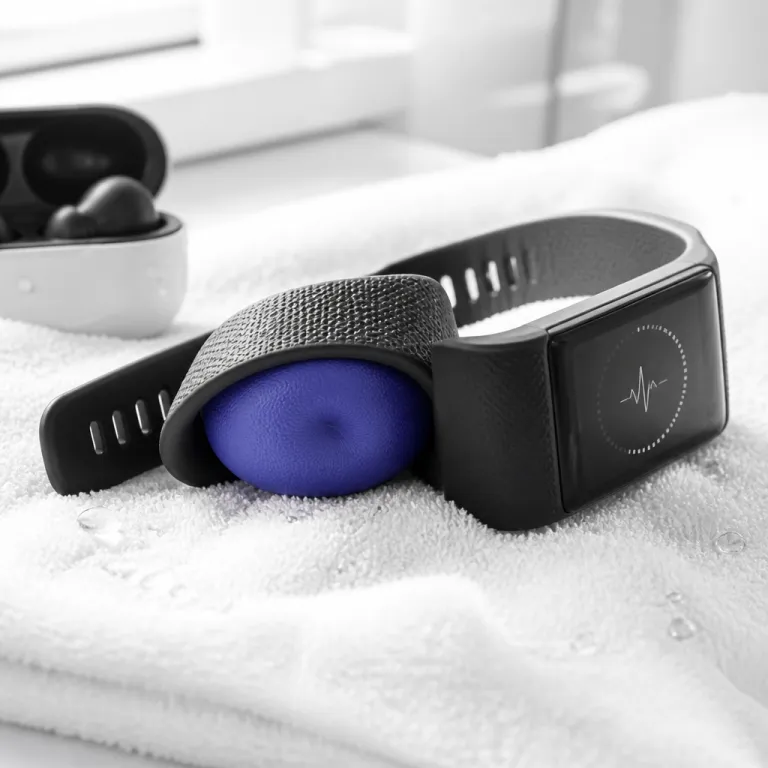
When wearable stress tracking is genuinely useful
TL;DR: Wearable stress metrics are most helpful when you treat them as a weather report for your nervous system, use weekly trends instead of obsessing over single scores, and let the data nudge specific decisions about sleep, training load and workload. They are least helpful when you check them compulsively, treat every alert as a crisis, or ignore what your own body is telling you.
Your tracker says your stress levels are high, and you wonder why. In that moment, wearable stress tracking is useful only if it turns raw data into a decision you can actually make, such as going to bed earlier, cancelling a late meeting, or swapping intervals for a walk. The promise of modern wearable devices is not just more numbers about your heart and body, but timely nudges that help you manage stress before it quietly erodes your long term health.
Most mainstream wearables now estimate stress from heart rate variability, which is the tiny variation in time between beats. Garmin, Fitbit, Samsung, the Oura Ring and the Apple Watch all use optical PPG sensors on the wrist or finger to track heart rate in real time, then infer sympathetic activation from that rate variability pattern. In practice, this means your stress tracker is constantly turning your breathing, your sleep, your movement and even your skin temperature into a rolling stress score that claims to reflect how hard your nervous system is working.
Used well, this kind of stress tracking can highlight patterns you would otherwise miss. You might see that your stress levels spike every Tuesday afternoon, which lines up with a recurring meeting, or that your wearable tech flags poor recovery after two glasses of wine, even when you feel fine. Over a few weeks, the data from these wearable devices can show how late night emails, skipped meals or heavy workouts interact with your sleep tracking metrics and your daytime heart rate to shape your overall stress management capacity.
Garmin’s Body Battery is a good example of wearable technology that tries to summarise complex data into one simple gauge. It blends heart rate variability, resting heart rate, activity and sleep into a single number that tells users how charged their body feels at any given time. When that Body Battery stays low despite an easy day, the stress tracking algorithms are effectively saying that your nervous system is still paying off a recovery debt, and that pushing harder is not the best idea.
Fitbit takes a slightly different route with its Stress Management Score on devices like the Fitbit Sense and Fitbit Charge 6. The score combines heart rate variability, resting heart rate, sleep stages and activity balance, then pushes you toward short breathing sessions in the app when stress levels look high. For some users, this active coaching makes wearable stress tracking useful because it links the abstract idea of stress management to a concrete action, such as a three minute guided breathing break between meetings.
Ring based wearables such as the Oura Ring lean heavily on night time data to frame daytime stress. Oura’s Resilience metric looks at multi night heart rate variability trends, resting heart rate, sleep duration and skin temperature to estimate how robust your body is against daily stressors. When that resilience score drops, the message is clear for users who want to manage stress more intelligently, as the device is telling them that their body is less able to buffer spikes in stress levels, even if their calendar looks light.
Across brands, the best use case for stress trackers is early warning. If your Apple Watch, your Fitbit Sense and your Oura Ring all show falling heart rate variability, rising resting heart rate and shorter sleep over several days, you are probably heading toward a wall, whether that is overtraining, burnout or a brewing infection. In that scenario, wearable devices give you objective data that supports what your body is whispering, and they make it easier to justify rest in a culture that often glorifies constant activity and poor boundaries.
For people who care deeply about health and performance metrics, the nuance lies in how often they check these numbers. Looking at weekly trends in heart rate variability, sleep tracking and stress levels can guide training loads and work schedules without turning every hour into a referendum on your worth. That is when wearable stress tracking is useful, because it becomes a quiet background signal that shapes better choices over time instead of a loud siren that hijacks your day.
When the numbers backfire and raise your stress
There is a darker side to constant stress detection that most marketing glosses over. For some users, wearable stress tracking is useful only on paper, because in real life the stream of alerts and red scores becomes another source of anxiety layered on top of work, family and health worries. This is the stress awareness paradox, where knowing more about your stress levels can actually make you feel worse, not better.
Research on heart rate variability based stress scores shows moderate correlation with lab measures, but very high individual variability. In plain language, that means your wearable device might be directionally right about your stress tracking trends, while still being wrong about any single stressful moment. If you treat every dip in rate variability or every spike in heart rate as a crisis, you risk turning helpful data into a nocebo, where the expectation of harm amplifies your mental health burden.
Health anxious users are especially vulnerable here. If you already worry about every bodily sensation, a wearable that pings you about elevated stress levels or a low stress management score can feel like a constant medical alarm. Over time, that can lead to compulsive checking of the app, repeated manual heart rate readings and a spiral where the stress tracker becomes the main driver of stress, rather than a tool to manage stress in a grounded way.
Different brands handle this tension with varying success. Garmin tends to keep stress tracking and Body Battery in the background, surfacing them as quiet widgets rather than urgent notifications, which can be kinder for anxious users. Fitbit, by contrast, often pushes more active prompts on the Fitbit Sense, nudging you toward breathing exercises whenever the device detects higher stress, and that constant coaching can feel intrusive if you are already overwhelmed.
There is also the problem of false precision. When your Apple Watch or your Oura Ring shows a stress score of 73, it feels scientific, yet that number is built on noisy optical heart rate data, imperfect motion filtering and assumptions about your breathing and sleep that may not hold for your body. Treating such scores as absolute truths can make wearable technology feel like a judge handing down daily verdicts, instead of a fallible assistant offering rough guidance.
Battery life and design quirks can quietly worsen this relationship. If your wearable devices need charging every day, you may end up obsessing over gaps in your data, worrying about what your stress levels were doing during that untracked afternoon. Users who juggle an Apple Watch by day and an Oura Ring by night sometimes report that the constant handoffs, sync issues and slightly different stress tracking narratives leave them more confused than calm.
Wrist versus finger based heart rate variability adds another layer of doubt. Studies comparing HRV on the wrist and on the finger, such as those summarised in this analysis of HRV accuracy on different wearables, suggest that finger based devices like the Oura Ring often capture cleaner rate variability signals at night than typical smartwatch sensors. If you know that your wrist based wearable tech is less precise, you might start second guessing every stress detection alert, which again raises stress instead of helping you manage it.
For some people, the healthiest move is to turn off real time stress alerts entirely. Leaving the sensors running but checking stress trackers only once a day, or even once a week, can preserve the value of long term trends without feeding the urge to micromanage every heartbeat. If you notice that your mood sinks every time you open the app, that is your cue that wearable stress tracking is useful only if you change how, and how often, you engage with the numbers.
Who really benefits from stress metrics, and who should be cautious
Not everyone needs a stress tracker, and not everyone should wear one. The people who get the most from wearable stress tracking are those with clear, modifiable stressors and a willingness to experiment with their routines over time. If you are an office worker with erratic hours, a parent juggling care duties, or an amateur athlete flirting with overtraining, then wearable devices can turn vague hunches about fatigue into concrete patterns you can act on.
A runner using a Garmin Forerunner or Fenix, for example, can watch how heart rate variability, resting heart rate and Body Battery respond to back to back hard workouts. When the device shows falling rate variability, rising resting heart rate and poor sleep tracking, that is a strong signal to cut volume, even if motivation feels high. In that context, wearable stress tracking is useful because it protects long term health and performance by flagging when the body is not keeping up with the training plan.
Shift workers and frequent travellers are another group who can benefit. Wearables that track sleep, skin temperature and heart rate in real time can show how late flights, hotel beds and irregular meals push stress levels up and recovery down. Over a few trips, users can test different strategies, such as earlier bedtimes, short breathing exercises or light morning workouts, and then use the app data to see which changes actually help them manage stress better.
People with chronic conditions such as hypertension, anxiety disorders or long COVID sometimes find that wearable technology offers a sense of agency. By watching how their heart rate, sleep and stress levels respond to medication changes, therapy sessions or new routines, they can have more informed conversations with clinicians. In these cases, wearable stress tracking is useful not because the device is perfectly accurate, but because it provides a shared, visual language for discussing how the body is coping over time.
On the other side, there are users who should approach stress trackers with caution. If you have a history of health anxiety, obsessive tendencies or disordered eating, the combination of constant data, perfectionist streaks and vague stress management scores can be combustible. For these individuals, it may be safer to use wearables only for step counts or simple sleep duration, while avoiding detailed heart rate variability and stress tracking dashboards that invite endless rumination.
Budget also shapes who benefits. The best stress trackers, such as the Oura Ring, the Fitbit Sense line and higher end Garmin wearables, cost real money and sometimes add subscription fees for advanced data. If you are mainly curious about whether wearable stress tracking is useful for you, starting with a mid range Fitbit or a basic Apple Watch and focusing on simple heart rate and sleep tracking may offer enough insight without locking you into an expensive ecosystem.
Home fitness setups add another dimension to this decision. When you pair a smartwatch or ring with a smart bike or rower, such as the recumbent bike reviewed in this test of a connected recumbent bike and its companion app, you can see how different workout intensities affect your stress levels and sleep that same night. For some users, that closed loop between effort, recovery and stress management makes wearable devices feel like a practical coach rather than a nagging critic.
The key is fit, not hype. Wearable stress tracking is useful when it aligns with your personality, your mental health profile and your actual willingness to change behaviour based on the data. If you are not ready to adjust bedtime, caffeine, screen time or training loads, then more numbers about your heart and body will only add noise to an already loud life.
How to use stress data without letting it run your life
Once you have decided to keep wearing a stress tracker, the real work begins. The central question is not whether wearable stress tracking is useful in theory, but how you can turn its data into calmer days and better nights without becoming a slave to the app. That requires a few deliberate habits that separate measuring stress from actually practising stress management in your daily routine.
First, shift your focus from single scores to trends. Instead of reacting to every spike in stress levels or every low heart rate variability reading, look at seven to fourteen day patterns in your wearable app. If your average rate variability is drifting down, your resting heart rate is creeping up and your sleep tracking shows shorter deep sleep, then your body is telling a consistent story that deserves a response.
Second, pair data with experiments. When your Fitbit Sense or Apple Watch flags a rough week, try one change at a time, such as adding a ten minute breathing session before bed, cutting late caffeine or protecting one evening from screens. Then watch how your wearable devices respond over the next few nights, using heart rate variability, sleep duration and next day stress tracking as feedback on whether that tweak helped your body manage stress more effectively.
Third, use alerts sparingly. Real time stress detection can be helpful during acute phases, such as a crunch week at work or the first month with a newborn, when you genuinely need reminders to pause and breathe. Outside those windows, consider turning off stress notifications and checking your stress tracker only once or twice a day, so that wearable technology remains a background tool rather than a constant critic.
Fourth, choose hardware that matches your tolerance for friction. If charging every night makes you anxious about gaps in data, prioritise battery life and pick a device like the Oura Ring or a Garmin with multi day endurance over a daily charge Apple Watch. If you hate sleeping with a watch, a ring based device or a light band will give you better long term sleep and stress data because you will actually wear it consistently.
Fifth, remember that no wearable owns the truth about your body. When your subjective sense of calm clashes with a red stress score, give your lived experience at least equal weight, and treat the device as one opinion in the room. If you want deeper context on how different form factors handle heart rate variability and stress metrics, long form reviews such as this detailed analysis of a ring based health tracker for deeper insights can help you decide whether a change of hardware might better match your physiology.
Finally, set a clear role for the numbers. Decide that you will use stress tracking to guide bedtimes, training loads and big work weeks, but not to judge your worth or predict every bad day. When you treat wearable stress tracking as a weather report rather than a destiny, it becomes easier to manage stress with practical steps like breathing, movement and boundaries, instead of chasing perfect scores that no human body can sustain.
Key figures on stress, wearables and health
- Global surveys from the World Health Organization report that more than 25 % of adults experience high perceived stress at least several days per week, which explains why demand for wearable devices with stress tracking features has surged in recent product cycles. For example, WHO’s World Mental Health Surveys and related epidemiological reports consistently show substantial proportions of adults reporting frequent stress and psychological distress.
- Large scale analyses of consumer wearables suggest that users who regularly achieve at least seven hours of sleep per night show heart rate variability values that are roughly 15 to 20 % higher on average than chronically sleep deprived users, highlighting the tight link between sleep tracking metrics and long term stress resilience. These findings echo controlled sleep restriction experiments in which reduced sleep duration reliably lowers HRV and raises resting heart rate.
- Independent testing of wrist based and finger based wearables has found that resting heart rate measurements are typically accurate to within about 2 to 3 beats per minute compared with chest straps, while short term heart rate variability readings can deviate more substantially, which supports using HRV mainly for trends rather than single moment decisions. Validation studies comparing optical sensors with ECG chest straps repeatedly show this pattern of solid average heart rate accuracy but noisier beat to beat variability.
- Studies on biofeedback and breathing exercises guided by wearables show that eight to twelve weeks of regular practice can significantly improve stress management outcomes, with participants reporting lower perceived stress and showing higher heart rate variability during standardized stress tests. Randomised trials of paced breathing, HRV biofeedback and mindfulness apps all point in the same direction: consistent practice matters more than the specific brand of device.
- Analyses of user behaviour indicate that many people stop checking detailed stress dashboards after the first month, yet continue wearing the device for step counts and notifications, suggesting that stress tracking features must translate into clear, actionable insights to remain part of long term health routines. Usage data from commercial platforms and independent surveys both show this early enthusiasm followed by a shift toward simpler metrics.