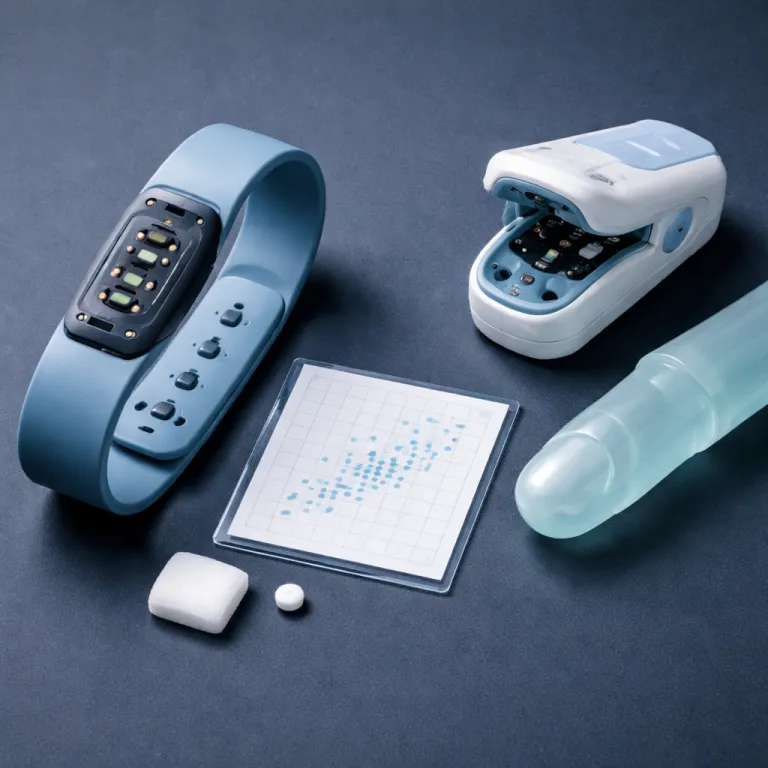
Why your ring and watch show different HRV numbers
Heart rate variability looks like a single number, yet every brand treats that HRV data differently. The same night of sleep can yield different variability values because wearable devices use distinct algorithms, sampling rates and averaging windows. That is why comparing HRV accuracy across devices without context usually misleads more than it helps.
Most wrist wearables from Garmin, Polar, Apple and Fitbit rely on optical sensors that infer heart rate from light, while smart rings such as the Oura Ring or RingConn sit closer to the arteries in your finger. That anatomical difference improves the raw pulse signal, so ring based HRV readings often show higher accuracy at rest and during sleep. Chest strap monitors still come closest to an electrocardiogram because they read the electrical signal directly, which makes them the practical gold standard for many athletes.
When you see one device report a higher resting heart rate and lower rate variability than another, it does not always mean your health changed overnight. It usually reflects how that specific wearable defines the HRV metric, which time window it uses and how aggressively it filters motion artefacts. To make sense of HRV devices, you need to treat each ecosystem as its own language rather than chasing a universal truth across rings, watches and chest straps.
What the latest validation studies really say about HRV accuracy
Recent peer reviewed work comparing HRV accuracy across wearable devices finally gives everyday athletes something firmer than marketing claims. In controlled settings, ring based HRV from the latest Oura Ring generations reached near laboratory level concordance with ECG based measurements during sleep, while some wrist devices from Garmin and Polar showed lower agreement. That pattern matches what many runners notice anecdotally when their watch’s heart rate variability jumps around but their ring’s nightly analysis stays stable.
Researchers consistently find that HRV accuracy is highest when you are still, relaxed and not talking, which is why night time sleep tracking remains the most reliable window. During physical activity, optical sensors on the wrist struggle with motion, sweat and muscle tension, so real time rate variability hrv estimates deteriorate quickly. Even heart rate itself can show a mean bias of several beats per minute, especially for darker skin tones or high cadence intervals, which matters when you are trying to train in precise zones.
Context also matters for any HRV analysis because different studies use different definitions, such as rMSSD or SDNN, and different averaging periods. If you want a deeper dive into how body composition methods face similar challenges, a guide on how accurate DEXA scans are for tracking body composition shows the same theme of method specific bias. The lesson carries over to HRV devices, where the goal is not perfect accuracy in the abstract but consistent, transparent error that still opens a useful window into your nervous system and recovery.
Choosing between ring, watch and chest strap for HRV
For most recreational athletes, the best HRV accuracy wearable is the one that fits your life and budget while still respecting the science. Smart rings such as the Oura Ring, RingConn or Ultrahuman Ring Air excel at nightly HRV monitoring, long battery life and low friction wear, which encourages continuous monitoring of sleep and resting heart rate. Wrist wearables from Garmin, Polar, Apple and Coros add training metrics, maps and workout prompts, but their variability hrv estimates are more sensitive to movement and strap fit.
If you care about the most accurate heart rate and rate variability during workouts, a Bluetooth chest strap such as the Polar H10, Garmin HRM Pro or Wahoo Tickr still beats any optical sensor. These chest devices use an ECG based signal that captures each heartbeat precisely, then send that data in real time to your watch or phone for analysis. Many runners pair a ring for sleep tracking with a chest strap for intervals, then let the watch act as the hub that merges training load, physical activity and health metrics.
There is also a comfort and durability angle that spec sheets rarely mention, from flaking silicone straps to metal clasps that irritate the skin during long runs. If your current band feels clammy or causes chafing, upgrading to a silicone watch band for your fitness tracker can stabilise the sensor and subtly improve both heart rate and HRV accuracy. When you combine a secure fit, a realistic view of each device’s strengths and a shoe that matches your training volume, such as a cushioned daily trainer tested in depth like the New Balance Fresh Foam X 1080, you give your variability data the best chance to reflect your real recovery rather than strap quirks.
How to get consistent HRV data from any wearable
Whatever HRV devices you own, protocol matters more than brand if you want meaningful trends. Pick one primary wearable for HRV monitoring, whether that is a ring, a watch or a chest strap used with a validated app, and stick to it for at least several weeks. Changing devices or switching between finger, wrist and chest every few days introduces more variability than your nervous system itself.
The simplest protocol for most people is a nightly HRV reading taken automatically during sleep, because that minimises conscious effort and captures long, artefact free segments. If your wearable does not support robust sleep tracking, a morning reading works well when you sit upright, breathe normally and avoid talking for at least one minute while the device records heart rate and rate variability. Try to keep caffeine, alcohol and late night high intensity physical activity consistent across days, because those factors can shift HRV more than any training tweak.
Battery life and sampling rates also influence how clean your HRV data looks over time, especially for smaller devices such as smart rings. A ring or watch that can run several nights between charges is more likely to capture full sleep cycles without gaps, while higher sampling rates give the algorithm more precise intervals between beats. When you respect those limits and avoid chasing free hacks or constantly resetting your setup, even mid range wearable devices can provide stable HRV trends that guide training and recovery decisions.
Turning HRV trends into smarter training and better health
Once your HRV accuracy is good enough and your readings are consistent, the real value comes from how you act on the data. A gradual upward trend in nightly heart rate variability, paired with a lower resting heart rate and solid sleep, usually signals that your nervous system is adapting well to training. Sharp drops in HRV, especially when combined with poor sleep and a rising resting heart rate, often flag accumulated fatigue, illness risk or life stress before you feel obviously unwell.
Modern wearable devices translate those patterns into readiness scores, training load suggestions and health nudges, but you should still sanity check them against your own body. If your ring or watch says you are primed for a hard session yet your legs feel heavy and your mood is flat, treat that as a sign to keep physical activity easier and focus on recovery. Conversely, when your HRV, sleep data and subjective energy all line up positively, that is a green light for intervals, long runs or strength work.
Remember that HRV is one lens on your nervous system, not a moral score or a replacement for medical ECG tests when something feels wrong. Use HRV accuracy wearable insights as a daily conversation with your body, not a dictator of every decision. In the long run, what matters is not the exact number on the screen but how you use that variability information to train smarter, sleep deeper and protect your health.
FAQ
Why does my Oura Ring show higher HRV than my Garmin watch?
The Oura Ring sits on the finger, where blood vessels provide a stronger optical signal than the wrist, so its HRV readings during sleep often look smoother and slightly higher. Garmin watches rely on wrist based PPG sensors that are more affected by movement, strap tension and skin characteristics, which can lower apparent heart rate variability. Both devices can still be useful if you track trends within each ecosystem rather than comparing absolute numbers between them.
Are chest straps really more accurate for HRV than wearables?
Chest straps such as the Polar H10 or Garmin HRM Pro read the electrical signal of each heartbeat, which is closer to a clinical ECG than optical sensors in rings or watches. That makes chest strap HRV particularly reliable during exercise, intervals and high intensity work where motion artefacts are common. For sleep and resting measurements, high quality smart rings and some watches can approach chest strap accuracy, but they still rely on more complex signal processing.
Should I track HRV during workouts or only at rest?
For most recreational athletes, resting or nightly HRV provides the clearest signal about recovery and nervous system balance. HRV during workouts is harder to interpret because it naturally drops as intensity rises and optical sensors struggle with motion, so the numbers can look noisy. If you want to use HRV for training decisions, focus on consistent readings at the same time each day rather than chasing in workout variability.
How long does it take to see useful HRV trends?
You usually need at least two to four weeks of consistent HRV readings from the same device and protocol before patterns become reliable. Shorter windows can be dominated by random day to day fluctuations from sleep, stress or alcohol rather than true fitness changes. Once you have a month of data, rolling averages and weekly comparisons start to show whether your training load and recovery are moving in a healthy direction.
Can low HRV mean I have a heart problem?
Low HRV on a wearable does not automatically mean you have a heart disease, because many benign factors such as stress, poor sleep or a recent hard workout can reduce variability. However, if you notice a persistent drop in HRV combined with symptoms such as chest pain, palpitations or shortness of breath, you should seek medical evaluation. Wearables are designed for wellness monitoring, not for diagnosing cardiac conditions, so any worrying pattern deserves a professional ECG based assessment.
