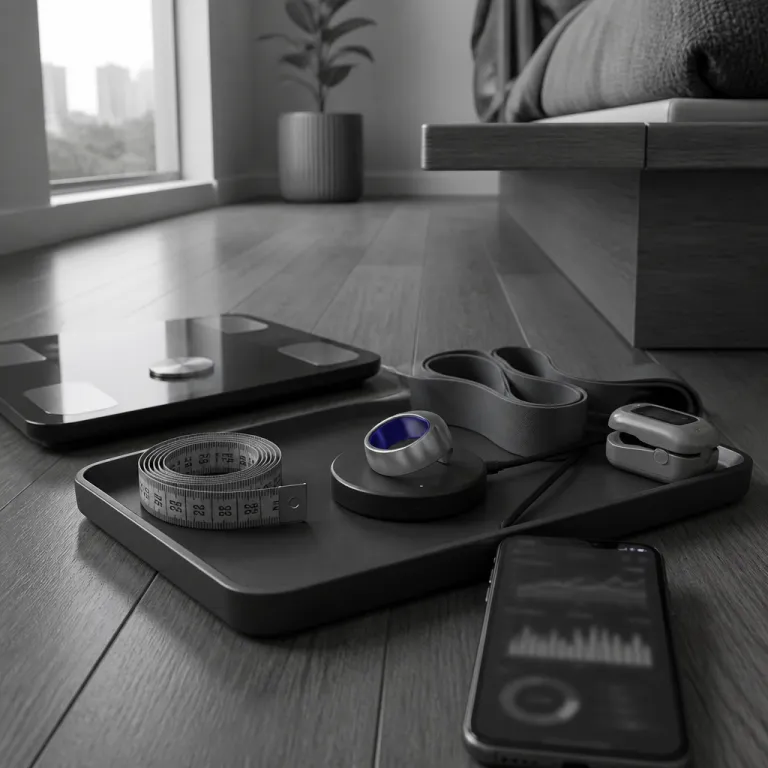
Samsung Galaxy Ring review long term: living with a smart ring every day
The Samsung Galaxy Ring review long term story starts with a simple idea. A discreet smart ring that tracks your health quietly while you sleep, walk, and work, without the distraction of a glowing watch screen. Over two years of wearing this titanium ring on my ring finger, the question became less about features and more about whether the galaxy of promises from Samsung actually holds up over time.
From the first week, the Galaxy Ring felt almost invisible, weighing only about 3 grams yet feeling more substantial than plastic smart rings that scuff quickly. The inner sensors sit in a shallow window that hugs the finger, so the ring stays stable during walking running sessions and overnight sleep tracking, which is critical for accurate heart rate and skin temperature readings. If you have only used a Galaxy Watch or another smartwatch before, the absence of a screen seems odd for a day or two, then quickly becomes a relief for anyone who wants health tracking without another device demanding attention.
Price is where this Samsung Galaxy Ring review long term diverges sharply from the Oura Ring and other smart rings. Samsung charges around 400 dollars up front, but there is no subscription for Samsung Health or the health app features, while Oura charges a monthly fee to unlock detailed sleep score and readiness metrics. Over two years, that no subscription bet means the Samsung Galaxy smart ring can cost significantly less than an Oura ring, especially if you keep the ring battery alive long enough to enjoy that long battery advantage in the early months.
Battery life and degradation: when the long battery stops being long
Battery life is the elephant in every Samsung Galaxy Ring review long term, because the ring battery defines how often you think about the device. In the first months, my review unit comfortably hit six to seven days battery on a single charge, even with continuous heart rate tracking, frequent syncs to the Samsung Health app, and nightly sleep tracking enabled. That long battery window made the Galaxy Ring feel more like a piece of jewelry than a gadget, since I could forget the charging case at home for a weekend trip and still wake up to a working smart ring.
After roughly a year of wearing the Samsung Galaxy Ring day and night, the story changed, and this is where long term buyers need clear numbers. The same review unit that once lasted close to a week dropped to around two days battery, even with similar usage patterns and the same Samsung smartphone, which mirrors what other long term testers have reported. That kind of battery degradation is not unique to this galaxy ring, because lithium batteries in smart rings and smartwatches all age, but the speed of the decline puts Samsung closer to Oura than to more conservative devices like the RingConn Gen 2.
For a person seeking information, the practical question is simple and brutally honest. Are you comfortable charging a ring every two days once the battery life curve drops, or do you expect a smart ring to behave more like a traditional ring that you never remove from your finger. If you already charge a Galaxy Watch or another Samsung Galaxy wearable nightly, adding a ring to the same charging case routine may feel acceptable, but if you wanted a set and forget health companion, this long term battery rate of decline will feel like a step backward.
To get the most from the Samsung ecosystem despite this, it helps to lean into the software side, especially Samsung Health. A detailed guide on how to enhance your fitness journey with Samsung Health can show you how to turn raw heart rate and sleep score data into daily decisions about training, recovery, and stress. When the hardware ages, the value increasingly comes from how the health app interprets your data, not from squeezing one more day of battery life from a tired cell.
Samsung Health integration and the Galaxy ecosystem lock in
The strongest argument in favor of the Samsung Galaxy Ring review long term is not the ring itself, but how deeply it plugs into Samsung Health and the wider Galaxy ecosystem. When paired with a recent Samsung smartphone, the Galaxy Ring syncs through the Wear Manager and Samsung Health apps, feeding sleep tracking, heart rate, skin temperature, and activity data into the same health app that already powers your Galaxy Watch or earbuds. That means your sleep score, daily steps, and heart rate variability sit beside your walking running workouts and stress metrics in one coherent dashboard.
In daily use, this integration feels polished, especially if you already own a Galaxy Watch and want a lighter option for sleep. You can wear the smart ring overnight for more comfortable sleep tracking, then switch back to the watch for GPS workouts, while Samsung Health quietly merges the data so your health trends remain continuous. The app lets you share basic summaries with a doctor or trainer, which is helpful when you want to show a long term pattern of resting heart rate or sleep score without handing over your entire Samsung smartphone.
The catch is that this galaxy ring is unapologetically built for Samsung Galaxy phones first. On non Samsung devices, you lose some smart features and may face setup friction, which makes the Samsung Galaxy Ring review long term far less compelling for people using iPhone or other Android brands. If you are already deep into the Galaxy ecosystem, this ring behaves like a natural extension of your existing watch and phone, especially when you use a dedicated Galaxy Ring titanium smart ring test guide to fine tune sizing, fit, and wearing habits for better tracking accuracy.
What the Galaxy Ring tracks well, and where it falls behind a watch
Two years in, the Samsung Galaxy Ring review long term verdict on tracking is clear. The ring excels at passive metrics like sleep tracking, resting heart rate, skin temperature trends, and basic step counting, but it is not a replacement for a full featured Galaxy Watch or Garmin Forerunner when you care about structured workouts. Think of it as a quiet health sentinel on your finger, not a coach shouting splits from your wrist.
Sleep is where this smart ring earns its keep, especially for people who hate wearing a watch in bed. The sleep score and energy style metrics in Samsung Health have proven consistent over time, lining up well with how rested I actually felt after nights of fragmented sleep or deep recovery, and the ring rarely lost contact with my ring finger even when I tossed around. Compared with Oura rings, the Galaxy Ring feels slightly less aggressive in its readiness recommendations, but the overall pattern of sleep stages, heart rate, and skin temperature changes across the night tracks in the same direction.
During the day, the Galaxy Ring handles walking running detection and basic activity tracking reliably, but it does not offer on device GPS or detailed workout screens like a watch. If you care about interval sessions, pace alerts, or advanced training metrics such as VO2max, a Galaxy Watch, Apple Watch, or Garmin Forerunner 265 will serve you far better than any current smart rings. This is why many long term users end up with a hybrid setup, wearing the ring for sleep and quiet days, then strapping on a watch for serious training, and using Samsung Health or another health app to share and merge the data streams.
For a deeper sense of where the Galaxy Ring sits in the broader wearable landscape, it helps to compare it with mid priced fitness trackers. A detailed analysis of how an affordable Amazfit can cover most of what a premium Garmin offers shows how much value you can get from non ring devices when you prioritize workout features over jewelry like form factors. The Samsung Galaxy Ring review long term therefore becomes less about raw tracking capability and more about whether the comfort and subtlety of a ring outweigh the compromises you accept versus a traditional watch.
How it stacks up against Oura, RingConn, and traditional watches
Any honest Samsung Galaxy Ring review long term has to wrestle with Oura, because Oura rings defined the modern smart ring category. Oura still leads in some advanced metrics and offers a mature app with detailed readiness, but much of its best content sits behind a monthly subscription, which adds up quickly over the same two year window. Samsung took the opposite route, charging more up front for the galaxy ring but keeping Samsung Health and the core health app features free, which makes the long term cost picture very different.
In terms of hardware, the titanium construction of the Samsung Galaxy Ring has held up well, with minimal scratches and no flaking, even after frequent hand washing and occasional swimming within its 10 ATM rating. Oura rings and RingConn smart rings also use durable materials, but some users report more visible wear on darker finishes, while the Samsung ring finish has stayed surprisingly clean on my review unit. Where Samsung falls behind is battery life stability, because Oura and RingConn owners often report more gradual declines, while the Galaxy Ring shifted from a long battery champion to a two day device in a relatively short time.
Compared with a Galaxy Watch or other smartwatches, the ring is both more and less smart. It is more comfortable for sleep and long term wearing, and it keeps you away from constant notifications, but it lacks real time workout screens, on device controls, and the rich app ecosystems that watches enjoy. For many everyday buyers, the best setup is a combination, using a Galaxy Watch for active days and the Samsung Galaxy Ring for nights and quiet office hours, while letting Samsung Health share and aggregate heart rate, sleep score, and activity tracking into one long term health record.
Who should buy the Galaxy Ring now, and who should wait
The final piece of any Samsung Galaxy Ring review long term is helping you decide whether to buy now or hold out for the rumored Samsung Galaxy Ring 2. If you already own a recent Samsung smartphone and perhaps a Galaxy Watch, the current galaxy ring makes sense as a sleep first companion that deepens your Samsung Health data without adding another screen to your life. You will appreciate the comfortable wearing experience, the accurate sleep tracking, and the freedom from subscriptions, as long as you accept that the ring battery may shrink from a week to a couple of days over its lifetime.
If you are platform agnostic or use an iPhone, the calculus changes, and Oura or RingConn may serve you better. Oura rings still offer some of the best sleep and readiness analytics, albeit behind a paywall, while RingConn smart rings emphasize long battery life and cross platform support, which matters if you switch phones often. People who care most about structured workouts, real time heart rate zones, and GPS accuracy should skip smart rings entirely and look at a dedicated watch, because no ring today can match a Garmin Forerunner, Apple Watch, or Galaxy Watch for training depth.
For the overwhelmed first time buyer, the safest path is to start with your priorities, not the marketing. If you want a subtle device that focuses on sleep, resting heart rate, and gentle nudges about your daily activity, the Samsung Galaxy Ring remains a good option inside the Galaxy ecosystem, especially if you value a one time purchase over ongoing fees. If you want a coach on your wrist, or you are already curious about future features rumored for a Samsung Galaxy Ring 2, waiting a product cycle and watching how Samsung addresses battery degradation and cross platform support may be the smarter long term move, because in wearables it is not the step count, but what you do with it.
Key numbers and statistics for smart rings and fitness trackers
- Market research from Counterpoint Research reported that smart ring shipments grew by more than 100 percent year over year recently, reflecting how quickly rings like the Samsung Galaxy Ring and Oura Ring have moved from niche gadgets to mainstream health tools.
- Oura publicly states that its typical battery life ranges from four to seven days per charge, which is similar to the early days battery performance of the Galaxy Ring before long term degradation reduced that to around two days for many users.
- Samsung rates the Galaxy Ring at 10 ATM water resistance, meaning it is designed to withstand pressures equivalent to a depth of 100 meters, which is higher than the 5 ATM rating found on many fitness trackers and smartwatches.
- Oura charges a monthly subscription of roughly 5 to 6 dollars for full access to its advanced readiness and sleep insights, which over two years can add more than 120 dollars to the initial price of the ring, while Samsung keeps Samsung Health features free for Galaxy Ring owners.
- Studies on consumer wearables have shown that resting heart rate measurements from optical sensors in devices like smart rings and watches can be accurate within a few beats per minute compared with chest straps, especially during sleep and low intensity activities.
FAQ about the Samsung Galaxy Ring and long term smart ring use
How accurate is the Samsung Galaxy Ring for sleep tracking compared with Oura
In long term use, the Samsung Galaxy Ring delivers sleep tracking that broadly aligns with Oura in terms of total sleep time, sleep score trends, and resting heart rate patterns. Both rings can misclassify some light sleep and wake periods, but the overall nightly picture is usually consistent with how rested you feel. If you want the deepest sleep stage breakdowns and readiness scores, Oura still offers more granularity, while Samsung focuses on clear, easy to read summaries in Samsung Health.
Does the Galaxy Ring replace a Galaxy Watch or other smartwatch
The Galaxy Ring does not fully replace a Galaxy Watch or other smartwatch for most people. It is excellent for passive health tracking such as sleep, resting heart rate, and daily steps, but it lacks on device GPS, workout screens, and advanced training metrics. Many users end up wearing the ring for sleep and quiet days, then using a watch for structured workouts and real time exercise data.
How often will I need to charge the Samsung Galaxy Ring over time
When new, many users report that the Samsung Galaxy Ring lasts around six to seven days per charge, assuming continuous heart rate and sleep tracking. After a year or more of daily wearing, that battery life can drop to around two days, which is similar to what some reviewers have experienced. You should plan for more frequent charging as the ring ages, and keep the charging case accessible if you travel often.
Can I use the Galaxy Ring with a non Samsung smartphone
The Galaxy Ring can connect to some non Samsung Android phones, but the experience is more limited and less polished than with a Samsung smartphone. Certain features and deep Samsung Health integration work best inside the Galaxy ecosystem, and setup can be more complex on other brands. If you use an iPhone or switch phone brands frequently, a more platform agnostic ring like Oura or RingConn may be a better long term choice.
Is a smart ring better than a fitness tracker band for everyday users
A smart ring like the Samsung Galaxy Ring is better for people who prioritize comfort, subtle design, and sleep tracking, and who dislike wearing a watch or band at night. A fitness tracker band or smartwatch is better for users who want on screen stats, workout controls, and features like GPS and music. The right choice depends on whether you care more about passive health insights or active training tools, and many health focused users eventually combine a ring with a watch to cover both needs.