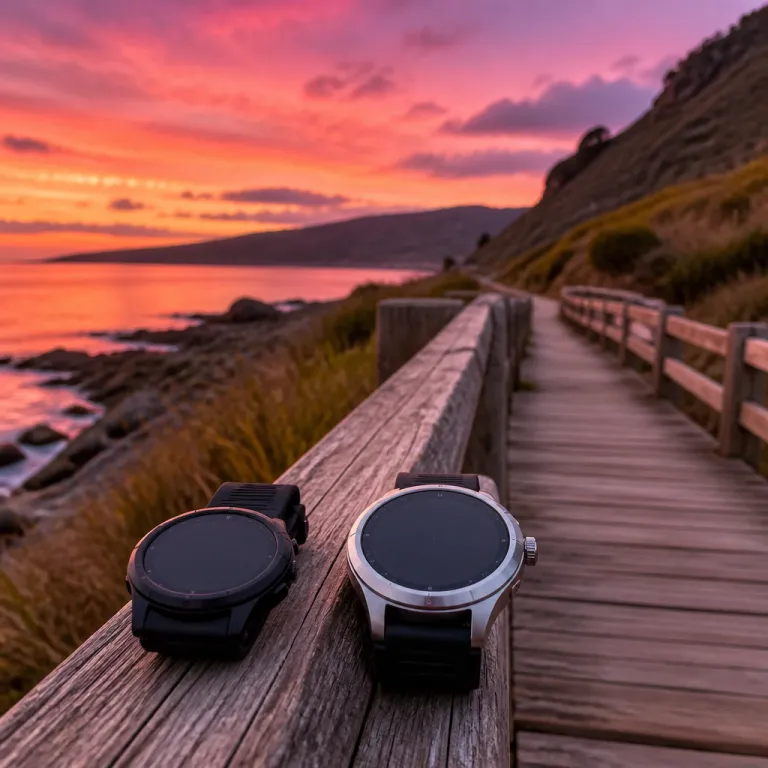
The Amazfit vs Garmin comparison: what feels the same day to day
Put a recent Amazfit watch on one wrist and a midrange Garmin watch on the other, and for everyday life they look surprisingly similar. Both brands now offer bright AMOLED screens, continuous heart rate tracking, all day fitness metrics, and notification mirroring that make each device feel like a small dashboard for your body. For a person seeking information who mainly wants steps, sleep, and simple gps walks logged, a $60 Amazfit active model already covers most of what a $400 watch Garmin model does.
In this Amazfit vs Garmin comparison, the shared core starts with basic tracking that just works. Step counts from Amazfit watches such as the Amazfit Active or Amazfit Bip usually land within a few hundred steps of a Garmin Forerunner or a Garmin Vivoactive during normal walking, and both devices handle casual runs and bike rides with similar gps route maps. If your main goal is to move more, see your heart rate zones, and get a gentle nudge to stand or breathe, either device family will help you build a healthier life without demanding that you become a data analyst.
Sleep tracking is another area where Amazfit and Garmin devices feel closer than their price gap suggests. Both ecosystems give you sleep duration, sleep stages, and a nightly score, and both use optical sensor arrays to estimate heart rate, heart rate variability, and sometimes breathing rate while you rest. For many users reading user reviews, the difference between an Amazfit Balance or Amazfit Active and a Garmin Vivoactive or Garmin Forerunner in nightly summaries feels small, especially if they only glance at the app once over breakfast.
Where Garmin earns its price: training intelligence and sensors under stress
The real separation in any honest Amazfit vs Garmin comparison appears when your workouts stop being gentle. During easy walks and light activity, the heart rate sensor in an Amazfit device usually tracks close to a Garmin device, but once you add intervals, hills, or indoor cycling, Garmin’s more mature algorithms and extra sensor tuning start to matter. If you are pushing hard enough to taste blood on a track session, you want a rate monitor that does not panic when your cadence spikes.
Garmin’s higher end Forerunner and Venu lines use multi band gps, refined wrist based heart rate, and long tested training load models that feed features like Training Readiness, Body Battery, and HRV Status. These metrics do not just show a heart rate number ; they interpret how your nervous system and recovery are coping with stress, sleep, and daily activity, which helps serious runners and triathletes decide whether to rest or push. Amazfit watches such as the Amazfit Balance or Amazfit Active offer training load and recovery scores too, but in repeated testing they feel more like broad hints than precise coaching, especially when compared directly with a Garmin Forerunner on the other wrist.
If you care about structured workouts, multisport events, or long term performance trends, Garmin Connect becomes a real advantage. The Garmin Connect app lets you build complex interval sessions, sync plans from Garmin Coach, and export detailed data to third party tools, while Amazfit’s Zepp app keeps you mostly inside its own garden. For people who mainly want health tracking and a simple rate monitor, that closed approach may be fine, but athletes who already use platforms like Strava or who are curious about advanced wearables such as a smart ring with heart rate and SpO2 tracking will feel the limits quickly, as shown when comparing a Garmin Forerunner to a dedicated portable fitness and health tracker ring.
Battery life, comfort, and the quiet 80 % that shapes your habits
Battery life is one of the reasons a cheap Amazfit watch feels so satisfying in daily use. Many Amazfit watches, from the Amazfit Bip to the Amazfit Active and Amazfit Balance, can stretch to around two weeks between charges if you avoid always on display and heavy gps, while a comparable Garmin watch often lands closer to a week with similar settings. When you are trying to build a fitness habit, not having to think about a charger every few days quietly removes friction from your life.
Garmin has improved battery life in newer models like the Garmin Vivoactive series and the latest Forerunner devices, especially when using efficient gps modes, but the gap with Amazfit remains noticeable for casual users. If you mostly track walks, occasional runs, and sleep, the longer battery life of an Amazfit device means more complete data and fewer gaps in your tracking history, which matters more than a slightly better heart rate curve during a rare sprint. For many people reading user reviews, that reliability feels like value, even if they know that a balance Garmin model or a pro Garmin multisport watch would handle extreme events better.
Comfort and design also sit in that 80 % overlap where Amazfit and Garmin watches both do well enough for most wrists. Lightweight plastic cases, soft silicone straps, and compact sensors mean that both devices disappear under a shirt cuff and stay comfortable overnight, which is essential if you want accurate heart rate and sleep tracking. If you care about contactless payments or smart features, some Amazfit watches now support NFC in selected regions, and guides such as this overview of which Amazfit models support NFC payments can help you check whether a specific Amazfit Balance or Amazfit Active variant matches what a Garmin Vivoactive or an Apple Watch already offers.
Software ecosystems, data freedom, and the hidden cost of closed doors
Once you move beyond steps and sleep, the Amazfit vs Garmin comparison becomes less about sensors and more about ecosystems. Garmin Connect has grown into a central hub that talks to many other services, from MyFitnessPal and Strava to training platforms and health research projects, while the Zepp app for Amazfit watches keeps most data inside its own walls. That difference matters if you want your device to help you manage weight, monitor long term heart rate trends, or share fitness data with a coach or clinician.
Garmin’s open approach means that a Garmin Vivoactive, a Garmin Forerunner, or even a more lifestyle focused watch Garmin model can plug into a wider digital life without much effort. You can export .FIT files, use the Connect IQ store to add niche apps, and rely on regular firmware updates that keep older devices feeling fresh, as detailed in analyses of how many changes Garmin pushes to models like the Venu series in each cycle, for example in this breakdown of Garmin software changes that actually matter. Amazfit’s Zepp OS has improved, with two or three updates per year and a growing app catalog, but long term support for a specific Amazfit device often stops sooner than for a comparable Garmin device.
Data portability is the quiet 20 % that many first time buyers overlook. If you ever switch from Amazfit to Garmin, or from Garmin to another ecosystem like Samsung Galaxy watches or Apple Watch models, having clean exports from Garmin Connect makes the transition smoother, while moving long histories out of Zepp can be awkward. For a casual user who upgrades yearly and mainly wants a cheap fitness watch with a decent rate monitor, that may not matter, but for someone who wants to see five years of heart rate and activity trends, the balance Garmin strikes between hardware, app, and open data is a real part of what you are paying for.
Who should buy Amazfit, who should buy Garmin, and where other brands fit
When you strip away marketing, the Amazfit vs Garmin comparison comes down to how serious you are about training and how long you plan to keep your device. If you are mainly walking more, tracking sleep, and checking heart rate during occasional workouts, a $60 Amazfit Active or Amazfit Bip Pro gives you almost everything you need, with long battery life and simple tracking that help you stay consistent. For this group, paying for a $400 Garmin Forerunner or Garmin Vivoactive often means buying features that will sit unused behind pretty graphs.
On the other hand, if you are training for a marathon, juggling triathlon disciplines, or using metrics like VO2max, HRV, and structured intervals to guide your weeks, Garmin earns its premium. A balance Garmin choice such as a midrange Forerunner or an active Garmin model with advanced training tools turns your watch into a coach, not just a passive recorder, and the combination of accurate heart rate, robust gps, and deep analytics can help prevent overtraining. In that scenario, a forerunner Amazfit alternative might look cheaper, but the missing recovery insights, limited export options, and shorter software support window become real costs over the life of the device.
Other ecosystems sit between these poles. Samsung Galaxy watches and Apple Watch models offer rich smart features, strong app stores, and polished rate monitor hardware, but their battery life often lags behind both Amazfit and Garmin, especially with always on displays and cellular features enabled. If you mostly care about notifications, calls, and smart home control with some fitness tracking on the side, those devices can make sense, but for pure fitness and health tracking value, the Amazfit Garmin spectrum still defines the main trade offs, and the right choice is less about the watch on your wrist than about the kind of life you want it to quietly support.
FAQ
Is a cheap Amazfit watch accurate enough for serious running training ?
For steady pace runs and general fitness tracking, a cheap Amazfit watch is usually accurate enough, but it struggles more with rapid pace changes and high cadence intervals than a Garmin Forerunner. If you rely on precise heart rate zones and lap by lap pacing to structure workouts, a Garmin device with better gps and heart rate algorithms will serve you more reliably. Casual runners who mainly want distance, time, and a rough heart rate curve can safely choose Amazfit without losing essential information.
How does battery life compare between Amazfit and Garmin watches ?
Most Amazfit watches prioritize long battery life, often reaching around two weeks of typical use, while many Garmin watches with similar features last closer to one week. Garmin’s more advanced metrics, brighter screens, and heavier gps use can shorten runtime, especially on smaller devices. If you hate charging and mainly track light activity, Amazfit offers better endurance, but heavy gps users may still prefer Garmin’s efficiency modes.
Can I move my fitness data easily from Amazfit to Garmin or other platforms ?
Garmin Connect is designed to export data in standard formats and sync with many third party services, which makes moving or sharing your history relatively simple. Amazfit’s Zepp app is more closed, and while some exports are possible, long term data migration can be patchy and incomplete. If owning your data and keeping multi year histories intact matters to you, Garmin currently offers a more flexible ecosystem.
Are Garmin watches better than Amazfit for heart rate monitoring ?
At rest and during light activity, both Amazfit and Garmin watches provide similar heart rate readings, but Garmin pulls ahead during intense or erratic exercise. Its sensors and algorithms handle motion noise and high cadence better, which keeps heart rate zones and calorie estimates more trustworthy for athletes. For everyday health checks and gentle workouts, Amazfit remains perfectly adequate, especially given its lower price.
How do Amazfit and Garmin compare with Apple Watch and Samsung Galaxy watches ?
Apple Watch and Samsung Galaxy watches excel at smart features, app ecosystems, and seamless phone integration, but they usually offer shorter battery life than Amazfit and sometimes less training depth than Garmin. Garmin focuses on endurance, multisport tracking, and advanced recovery metrics, while Amazfit emphasizes value, long battery life, and straightforward fitness tracking. Your choice should depend on whether you prioritize smart functions, pure fitness tools, or maximum days away from a charger.