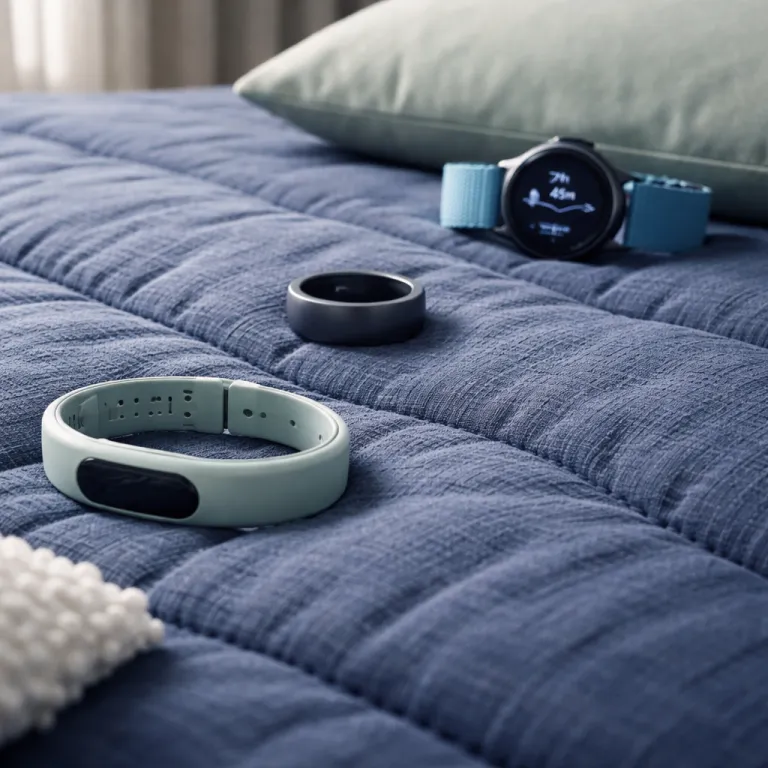
Why the best fitness tracker for sleep starts with form factor
Choosing the best fitness tracker for sleep begins with how you actually rest. A slim watch or a subtle ring can feel very different on your body during deep sleep stages, and that comfort gap matters more than any marketing about smart metrics or artificial intelligence. If a fitness tracker keeps you aware of your wrist or finger all night, your sleep tracking data will be worse than using no devices at all.
Ring based sleep trackers such as the Oura Ring and RingConn sit low on the finger, so many people forget the ring is there after a few nights. A larger smart watch like the Apple Watch Series 9 or a chunky Garmin Fenix can press into the side of your hand when you roll over, which subtly fragments sleep and quietly undermines the promise of best sleep insights. Some sleepers do better with very light fitness trackers such as the Fitbit Inspire or Xiaomi Smart Band, because these devices barely move the skin while still capturing heart rate and basic sleep stages.
If you mainly care about overnight health metrics, a ring or very slim band is usually the best form factor. When you also want daytime activity tracking, real time notifications and contactless payments, a more capable smart watch or hybrid tracker becomes easier to justify. The best fitness tracker for sleep is the one you can wear every night without thinking about the device, the strap, the ring or the app on your phone.
Rings versus watches for sleep tracking accuracy
For pure sleep tracking accuracy, ring based sensors currently hold a small but meaningful edge over most wrist devices. The Oura Ring uses a snug fit around the finger to read heart rate, heart rate variability and temperature with less motion noise than many watches, which helps it estimate sleep stages and recovery metrics more reliably. In independent validation studies, Oura sleep data has tracked closer to clinical polysomnography than several mainstream smart watches, especially during stable deep sleep.
That does not mean wrist based sleep trackers are useless, because Apple Watch, Garmin and Fitbit have all improved their optical heart sensors and algorithms. Apple Watch models with the latest sensors can now track blood oxygen saturation overnight, while Garmin and Fitbit estimate breathing rate and stress from the same PPG light that measures heart rate. If you want more detail on which fitness trackers with blood oxygen sensors perform best, you can read this guide on top fitness trackers with a blood oxygen sensor and then compare those devices against ring based options.
Where rings still win is comfort and consistency, because a ring such as the Oura Ring or RingConn rarely shifts position once sized correctly. Many watches loosen overnight, which degrades sleep tracking and can make sleep stages look more chaotic than they really are, especially if you toss and turn. If you want the best fitness tracker for sleep and you do not need on wrist apps or haptic alarms, a ring oura style device remains my top pick for long term sleep tracking.
What sleep data actually matters for your health
Most sleep trackers now throw a wall of numbers at you every morning, but only a few metrics consistently help real people change behaviour. Total sleep time, sleep efficiency and a simple sleep score are the first data points to watch, because they show whether your bedtime and wake time are giving your body enough recovery. When a fitness tracker also tracks resting heart rate, heart rate variability and overnight temperature, you gain a clearer picture of how stress, illness and late night activity affect your health.
Sleep stages such as light, deep and rapid eye movement are seductive but often less accurate than the marketing suggests, especially on cheaper devices. Even the best sleep trackers can misclassify short awakenings or confuse light sleep with quiet wakefulness, so treat those colourful charts as trends rather than precise medical data. Focus instead on whether your sleep tracker shows more deep sleep and lower resting heart rate after you cut late caffeine, reduce alcohol or shift intense activity earlier in the day.
Blood oxygen and blood pressure features deserve careful scrutiny, because they sound clinical but vary widely in reliability. Wrist based blood pressure estimates are not a substitute for a cuff, and even good SpO2 sensors on watches or rings can drift when the device fits poorly or the battery life runs low. The best fitness tracker for sleep uses these advanced metrics to flag patterns over weeks, not to diagnose disease in real time or replace professional health care.
For screen quality and night time readability, some buyers also care about display technology. If you want a bright but gentle always on screen that will not blast your eyes when you check the time at 03:00, look at this overview of top fitness trackers with AMOLED display panels and then balance that against comfort and battery life. A sharp display can make sleep data easier to read, but it should never come at the cost of wearing a bulky watch that ruins your sleep in the first place.
Apps, subscriptions and how much you should pay
Once you have narrowed the form factor, the next decision is how much app complexity and subscription cost you are willing to tolerate. The Oura App, Fitbit Premium and Whoop all lock some advanced metrics behind a monthly subscription, which can quietly double the long term price of your chosen sleep tracker. If you hate ongoing fees, a Garmin watch, a basic Xiaomi band or a one time purchase ring without subscription will feel more honest over several years.
The Oura App is one of the most polished sleep tracking platforms, with clear readiness scores, long term trends and helpful education about sleep hygiene. Apple Watch users get solid sleep data inside the Apple Health ecosystem without a mandatory subscription, but the native app is still relatively simple compared with Oura or Whoop. Google Pixel phone owners often prefer trackers that sync smoothly with Google Fit, though the Pixel Watch itself still trails Oura Ring and high end Garmin devices for battery life and overnight comfort.
Price should reflect not only hardware quality but also how often you will actually use the features. Paying more for a smart watch with dozens of activity modes, third party apps and on wrist music makes sense only if you will use those tools during the day as much as you rely on sleep tracking at night. For many people who mainly care about best sleep and basic activity, a mid range fitness tracker or a ring oura style device offers the best balance of price, comfort and long term health insights.
Comfort, battery life and real world nightly use
Battery life is the quiet deal breaker for many sleep trackers, because a dead device at bedtime gives you no sleep data at all. Oura Ring, RingConn and many slim fitness trackers can run for several days between charges, which makes it easy to top up the battery during a shower or short break. Apple Watch and Google Pixel Watch models often need daily charging, so you must plan carefully if you want both daytime activity tracking and full night sleep tracking.
Comfort is just as critical, and it is more personal than any spec sheet can show. Some people cannot stand a ring on their finger but forget a light watch is there, while others find even a small watch unbearable against the pillow and only tolerate a ring such as the Oura Ring. If you already know that jewellery bothers you, a very slim band or compact smart watch might be the best fitness tracker for sleep, even if ring based devices offer slightly better heart rate stability.
Think about your nightly routine and how a device fits into it. If you often fall asleep on the sofa or in a sleep pod style recliner, a big metal watch case can catch on fabric or dig into your wrist, while a ring or tiny tracker disappears into the background. For people training for events, pairing a comfortable sleep tracker with a separate daytime sports watch and using a distance guide such as this article on how many miles a 15K really is can give you the best of both worlds without sacrificing nightly comfort.
How to choose your personal best fitness tracker for sleep
Start by writing down what you actually want from sleep tracking, not what the marketing promises. If your main goal is to improve long term health by going to bed earlier, reducing late night screen time and managing stress, you need clear trends for total sleep, resting heart rate and maybe heart rate variability, not a dozen experimental metrics. A simple fitness tracker or ring that nails those basics will beat a complex smart watch that overwhelms you with charts you never use.
Next, match the device to your ecosystem and daily activity. Apple Watch works best for iPhone owners who want tight integration with Apple Health, while Google Pixel phone users may prefer a Pixel Watch or a third party tracker that syncs smoothly with Google Fit. Oura Ring and similar sleep trackers stay mostly platform agnostic, but you still need to check whether the app supports your phone and whether the subscription model fits your budget.
Finally, test comfort and routine before you commit fully. Wear the tracker or ring for several nights, pay attention to any red marks, and notice whether you wake more often or feel tempted to remove the device in the middle of the night. The best fitness tracker for sleep is not the one with the longest spec sheet or the flashiest smart features, but the quiet companion that vanishes on your body while still giving you honest, actionable sleep data every morning.
FAQ
Are sleep trackers accurate enough to trust?
Most consumer sleep trackers are reasonably accurate for total sleep time and resting heart rate, but less precise for detailed sleep stages. Rings and high quality watches tend to perform better than very cheap bands, especially when they fit snugly and maintain good skin contact. Treat the data as helpful trends rather than exact medical measurements.
Is a ring or a watch better for sleep tracking?
Rings such as Oura Ring usually offer better comfort and slightly cleaner heart rate signals during the night, which can improve sleep stage estimates. Watches add features like alarms, notifications and daytime activity tracking, but some people find them intrusive in bed. Your best choice depends on whether you prioritise overnight comfort or all day smart features.
Do I need a subscription for good sleep insights?
Some platforms, including Oura and Whoop, reserve advanced readiness scores and long term insights for paying subscribers. Other brands such as Garmin and Apple provide strong sleep tracking without mandatory monthly fees, though they may offer optional premium services. Decide whether you prefer a one time purchase or are comfortable with ongoing subscription costs.
Can a fitness tracker detect sleep apnea or serious problems?
Many trackers estimate blood oxygen and breathing patterns, and some watches flag possible breathing irregularities, but they are not diagnostic tools. If your device suggests frequent low oxygen events or you notice loud snoring and daytime sleepiness, you should speak with a healthcare professional. Only clinical tests can confirm conditions such as sleep apnea.
How long should the battery last on a sleep focused tracker?
For comfortable nightly use, a sleep focused tracker should last at least three to five days between charges. That window lets you charge briefly during the day without sacrificing overnight data. Devices that require daily charging can still work, but they demand more planning and discipline.