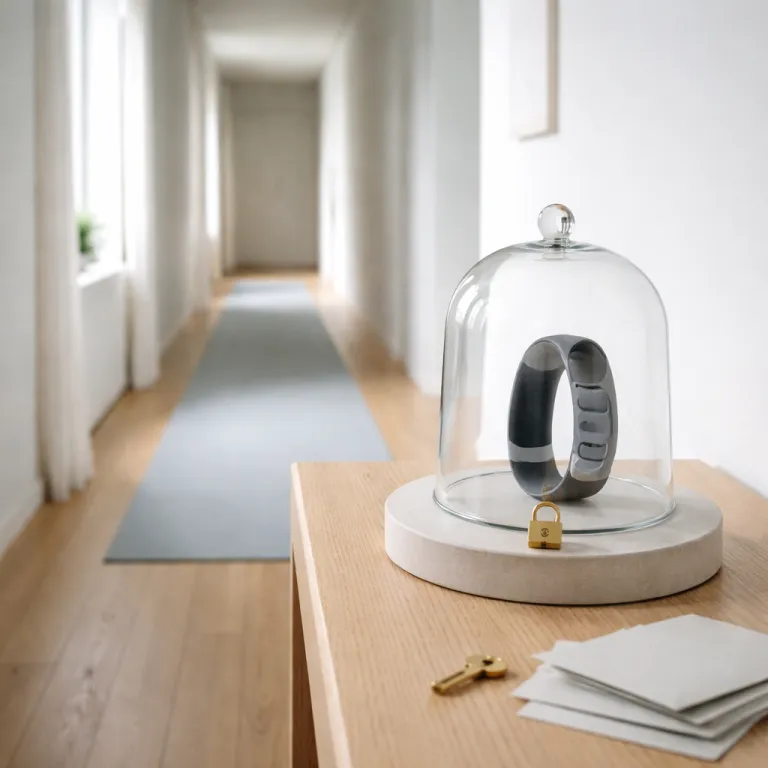
Why fitness tracker subscription cost matters more than specs
When you compare any fitness tracker today, the headline price often hides the real bill. Over three years, the fitness tracker subscription cost can easily exceed the hardware itself, especially when a monthly membership locks core health data behind a paywall. For a data driven runner or cyclist, that long tail of recurring payments matters more than one flashy launch discount or a short term promotion.
I have tested fitness trackers from Fitbit, Apple, Garmin, Oura and Whoop on the same wrist, on the same runs, and the pattern is clear. The brands that keep heart rate, sleep tracking and activity tracking free on device, like a Garmin Vivoactive or an Apple Watch, feel like a one time investment, while subscription heavy platforms feel like renting your own health metrics. That difference shapes how you use each smart watch or smart band on a tired Tuesday night, not just how the features look in a press release or spec sheet.
Think about what you actually need from a fitness tracker, not what the marketing promises in glossy ads. If you mainly want reliable activity tracking, basic sleep data and a solid heart rate monitor for intervals, a subscription free Garmin Vivoactive or Apple Watch SE already covers the essentials. Paying extra every month for another smart ring or band that locks insights behind a subscription only makes sense when those insights change your training decisions, not just your graphs or daily scores.
Take the Oura Ring as a concrete example of how fitness tracker subscription cost compounds. As of early 2024, the Oura Ring hardware sits around 320 euros on the official pricing page for the European Union, but the mandatory subscription of roughly 6 euros per month pushes the three year total close to 535 euros before local taxes, which is more than many high end Garmin watches with built in GPS and multi sport features. You are not just buying a sleek ring for sleep tracking and blood oxygen estimates, you are committing to a recurring fee for access to readiness scores based on HRV, resting heart rate and temperature trends.
Whoop flips the model entirely and turns the tracker into a pure subscription product. The band itself feels almost free, yet the monthly subscription of about 30 euros in many European markets, according to the 2024 membership page, means you pay more than 1 000 euros over three years for continuous activity tracking, heart rate monitoring and strain scores. That is a serious cost compared with a best buy like a Garmin Vivoactive or a mid range Apple Watch that offers similar health tracking without any mandatory subscription at all.
Fitbit sits in the middle with its Premium subscription layered on top of devices like the Fitbit Charge 6. You can use the Fitbit Charge 6 as a normal fitness tracker without paying, but the more advanced sleep tracking, long term health trends and some workout suggestions live behind a subscription that costs around 10 euros per month on the 2024 Fitbit Premium pricing page for the euro area. Over three years, that turns a seemingly best budget band into a package that rivals a premium Garmin or Apple Watch in total cost.
Garmin and Apple have taken a different stance so far, and it shows in how athletes talk about loyalty. A Garmin Vivoactive, Forerunner or Venu, and an Apple Watch Series or Ultra, give you full access to heart rate, blood oxygen, VO2max, training load and sleep data without any extra subscription. That makes the fitness tracker subscription cost effectively zero beyond the initial purchase, and it is one reason these brands feel like safer long term bets for serious training and everyday health tracking.
There are warning signs though, and they matter if you hate subscriptions. Newer concepts like the hypothetical Garmin Cirqa or a future Fitbit Air suggest that even these brands are exploring subscription revenue, because investors love predictable monthly subscription income. If that shift happens widely, the best fitness trackers might no longer be the ones with the longest battery life or best water resistance, but the ones that give you the most health data and training insights for the lowest ongoing cost.
What you really lose without a subscription
Before you sign up for any subscription, you should know exactly what disappears when you cancel. With Oura Ring, for example, the ring still tracks steps, heart rate and sleep, but you lose detailed readiness scores, long term trends and many smart features that justify buying a smart ring in the first place. That turns an elegant ring into a basic step counter, which is a poor fitness tracker subscription cost trade for most athletes and serious exercisers.
Fitbit Premium follows a similar pattern on devices like the Fitbit Charge 6 or a Fitbit Versa watch. Without the subscription, you keep core activity tracking, heart rate monitoring and basic sleep stages, yet you lose deeper health metrics, guided programs and some advanced sleep tracking insights that many people thought were included. The hardware still works, but the experience feels intentionally limited, which can make a once best buy feel like a compromised smart band or entry level sports watch.
Whoop is the most extreme case, because the band becomes almost useless without an active subscription. The strap still sits on your wrist or arm, but the app gates all meaningful activity tracking, strain, recovery and sleep data behind the monthly subscription wall. You are not just paying for extra features, you are paying for the right to see the data your own body generated and to access the coaching layer built on top of it.
By contrast, Garmin and Apple treat subscriptions as optional extras around the edges rather than the core of the product. A Garmin Vivoactive or Forerunner gives you full access to heart rate, blood oxygen, training load, Body Battery and sleep tracking without any subscription, and the same is true for an Apple Watch with watchOS health features. You might pay for Apple Fitness Plus or a third party coaching app, but the underlying health and activity tracking remains free and fully functional for the lifetime of the device.
That difference matters when you are choosing the best fitness tracker for long term use and deciding whether to accept recurring fees. If you plan to keep a Garmin Vivoactive or Apple Watch for four or five years, the effective fitness tracker subscription cost is still zero, while an Oura Ring or Whoop band keeps charging you every month just to stay useful. Over time, the supposedly best budget subscription device can become the most expensive option in your drawer or on your nightstand.
Sleep is where many brands try to justify subscriptions, because sleep tracking feels mysterious and valuable. Oura Ring, Whoop and Fitbit Premium all promise deeper insights into sleep stages, recovery and readiness, yet their algorithms often disagree with each other and with how rested you actually feel. If you want a clear overview of the best fitness trackers with sleep tracking, you can read a detailed guide on top fitness trackers with sleep tracking and then decide whether a subscription adds enough value beyond that baseline.
In my testing, the free sleep tracking on a Garmin watch or Apple Watch is usually accurate enough for recreational athletes. You still see total sleep, resting heart rate, basic sleep stages and sometimes HRV trends, which are the metrics that actually help you adjust training load or bedtime. Paying a monthly subscription for slightly prettier graphs or another proprietary score rarely changes how many intervals you should run tomorrow or how early you should go to bed.
There is one area where subscriptions can genuinely add value, and that is structured coaching. Platforms like Whoop use your continuous heart rate, HRV and activity tracking to suggest when to push and when to rest, and some Fitbit Premium plans offer guided programs that can help beginners. If you know you will follow that guidance consistently, then the fitness tracker subscription cost might be justified, but only if you treat it like a training plan rather than a fancy dashboard or novelty app.
Three year cost comparison for real world devices
To cut through the marketing noise, you need to compare fitness tracker subscription cost over a realistic ownership period. Three years is a sensible window, because most fitness trackers still have decent battery life, software support and strap integrity after that time. When you run the numbers, the gap between subscription heavy devices and subscription free watches becomes impossible to ignore, even if the upfront prices look similar.
For clarity, the table below uses manufacturer list prices as of early 2024 for euro area markets and assumes continuous membership for three years with no discounts, billed monthly in euros and excluding country specific sales tax. Local taxes, promotions and regional pricing can change the exact totals, so treat these figures as ballpark comparisons rather than fixed quotes that apply in every country.
| Device / platform | Approx. upfront cost | Approx. monthly fee | Estimated 3-year total |
|---|---|---|---|
| Oura Ring | €320 | €6 | ~€535 |
| Whoop band | €0–€30 | €30 | ~€1 080 |
| Fitbit Charge 6 + Premium | €160 | €10 | ~€520 |
| Garmin Vivoactive / Venu | €350–€400 | €0 | €350–€400 |
| Apple Watch SE / Series | €300–€450 | €0 (health features) | €300–€450 |
Start with Oura Ring, which many people buy as a dedicated sleep and recovery tracker. The ring itself costs around 320 euros on the official Oura pricing page for Europe, and the mandatory subscription of about 6 euros per month adds roughly 215 euros over three years, bringing the total to around 535 euros. For that money, you could buy a Garmin Vivoactive or Garmin Venu with built in GPS, strong water resistance and multi sport features, and still avoid any ongoing subscription for core metrics.
Whoop is even more expensive when you look beyond the free band. At 30 euros per month on the 2024 Whoop membership page for European customers, the three year subscription cost reaches about 1 080 euros, which is more than two high end Garmin watches or an Apple Watch Ultra plus a mid range Garmin Vivoactive. You are paying a premium for continuous strain and recovery scores, yet many recreational athletes can get 90 percent of that value from a good heart rate monitor and a structured training plan.
Fitbit Charge 6 offers a useful middle case for budget conscious buyers. The band itself might cost around 160 euros on the Fitbit store, and if you add Fitbit Premium at roughly 10 euros per month from the 2024 subscription overview, the three year total climbs to about 520 euros, which is similar to the Oura Ring package. Without the subscription, the Fitbit Charge 6 remains a capable fitness tracker with solid activity tracking, heart rate monitoring and water resistance, so you need to decide whether the extra insights justify almost tripling the effective price.
Now compare those totals with a subscription free Garmin or Apple Watch. A Garmin Vivoactive or Garmin Venu typically sits around 350 to 400 euros at list price, and that is the entire three year cost unless you choose optional mapping or music services. An Apple Watch SE or standard Apple Watch model might cost a similar amount, and while you can pay for Apple Fitness Plus, all core health, sleep and activity tracking features remain free and do not require any ongoing subscription.
Battery life and charging habits also influence real world value more than most spec sheets admit. A Garmin Vivoactive or Forerunner often delivers five to seven days of battery life with continuous heart rate and activity tracking, while an Apple Watch usually needs daily charging but compensates with richer smart features. Many smart ring devices like Oura Ring land in the middle with four to six days of battery life, yet their subscription cost keeps ticking even when the ring sits on a charger or in a drawer.
For outdoor athletes, built in GPS is another key factor that can save you from extra gadgets and subscriptions. A Garmin Vivoactive, Forerunner or Fenix with built in GPS and strong water resistance can replace a separate bike computer or hiking device for many people, especially when paired with a good wireless speed sensor as explained in a guide to choosing the right wireless bike speedometer. If you hike regularly, you might also want to check a curated list of top fitness trackers for hiking and then weigh their one time cost against any ongoing subscription demands.
When you lay all these numbers side by side, a pattern emerges. Subscription free devices like Garmin Vivoactive or Apple Watch models usually win on three year total cost, even if their sticker price looks higher on day one. The supposed best budget options that rely on a monthly subscription often become the most expensive choices once you factor in the full fitness tracker subscription cost and the way small monthly fees accumulate.
How to decide if a subscription is worth it for you
Choosing the best fitness tracker for your life starts with an honest audit of your habits. If you already ignore half the notifications on your current watch or band, adding another subscription will not magically turn you into a data driven athlete. You should only pay a recurring fitness tracker subscription cost when it clearly supports a routine you already follow or are truly committed to building over the next few years.
Begin by listing the health and training questions you actually want answered. Maybe you care about how your heart rate responds to tempo runs, how your sleep changes after late night screens, or whether your weekly activity tracking matches your marathon plan. Then check which devices and platforms answer those questions for free, and which ones hide the answers behind a subscription paywall or premium membership tier.
If you are a recreational runner or cyclist, a Garmin Vivoactive, Forerunner or Apple Watch will usually cover your needs without any subscription. You get continuous heart rate data, basic blood oxygen readings, VO2max estimates, training load metrics and sleep tracking that is good enough to guide rest days. For many people, that combination of features, days of battery life and water resistance makes these watches the best buy over three to five years.
Subscriptions start to make more sense when you value coaching more than raw data. Whoop, for instance, turns your heart rate, HRV and sleep into a simple strain and recovery score, and some athletes find that clarity worth the monthly subscription. Fitbit Premium and similar services can also help beginners by turning complex health metrics into straightforward recommendations, though you should still weigh that against the long term fitness tracker subscription cost and your likelihood of sticking with the plan.
Smart rings and bands with subscriptions can be useful as second devices, but only if they fill a clear gap. An Oura Ring or another smart ring might be helpful if you hate sleeping with a watch yet still want detailed sleep tracking and recovery scores, while a slim smart band can be a discreet office companion when a chunky sports watch feels out of place. In those cases, the subscription cost becomes part of a broader health strategy rather than an impulse upgrade or a duplicate gadget.
Whatever you choose, treat your data as something you own, not something you rent. Favour platforms that let you export your activity tracking, heart rate and sleep data in standard formats, so you are not locked in if the subscription model changes or prices rise. In the long run, the best fitness trackers are not just the ones with the brightest screens or longest days of battery life, but the ones that respect both your budget and your autonomy.
Key figures on fitness tracker pricing and subscriptions
- Market research from Counterpoint Research indicates that more than 30 percent of new wearable devices offered some form of paid subscription for advanced health or coaching features in 2023, up from less than 10 percent around 2018, which highlights how quickly the subscription model is spreading; the figures in this article draw on Counterpoint’s global wearable tracker summaries published between 2019 and 2023.
- Oura publicly reports on its 2024 pricing page that its membership costs around 6 euros per month in the euro area, which means a typical three year ownership adds roughly 215 euros in fees on top of the initial hardware price of about 320 euros before tax, assuming uninterrupted membership and no promotional discounts.
- Whoop lists its 2024 membership at approximately 30 euros per month in many European markets on the official Whoop membership page, so a three year commitment totals about 1 080 euros, making it one of the most expensive consumer fitness platforms over time despite the low upfront hardware cost.
- Fitbit Premium is priced near 10 euros per month in many regions according to the 2024 subscription overview on Fitbit’s site, so pairing it with a mid range device like Fitbit Charge 6 can almost triple the effective cost of the tracker over a three year period when you multiply the monthly fee by 36 months.
- Garmin and Apple currently provide core health, sleep and activity tracking features without any mandatory subscription, which means the three year cost of a Garmin Vivoactive or Apple Watch is usually limited to the initial purchase price of roughly 300 to 450 euros in official European online stores, aside from optional services.
- Surveys from consumer advocacy groups in Europe published between 2022 and 2023 indicate that more than half of wearable owners underestimate their total three year spending on subscriptions by at least 25 percent, suggesting that many buyers do not fully account for recurring fees when choosing a device and reinforcing the need to check vendor pricing pages before committing.
