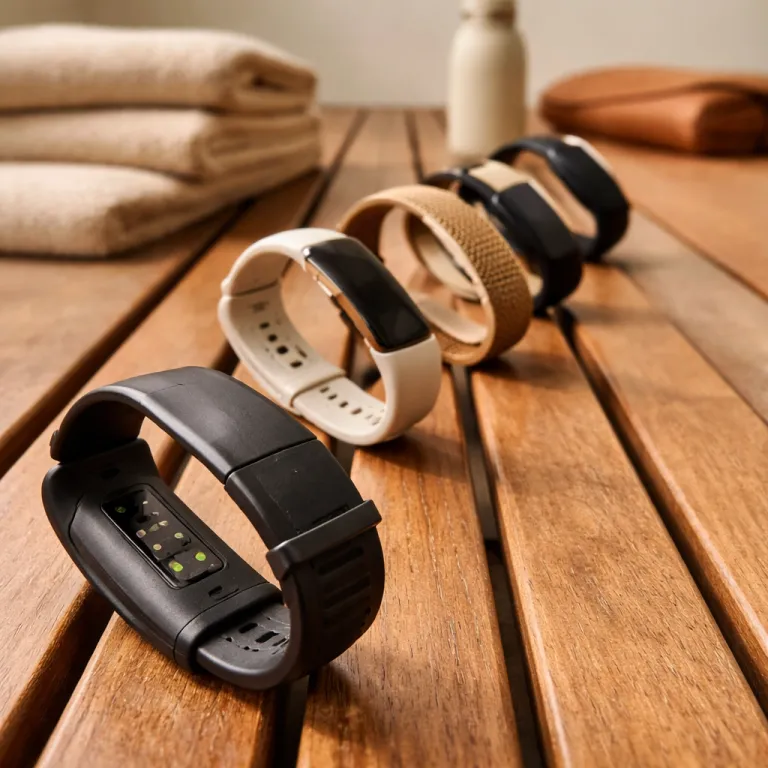
How to think about the best fitness tracker for your life
Choosing the best fitness tracker is less about raw specifications and more about daily habits. The best fitness wearables turn messy health and activity patterns into clear data you can act on every single day. When you compare fitness trackers, focus on battery life, comfort, ecosystem compatibility, and how transparently each tracker handles your health data rather than chasing every shiny feature.
For a first time buyer, the phrase best fitness tracker 2026 can feel like marketing noise. What actually matters is whether the tracker, watch, or band fits your wrist, your phone, and your budget while still giving reliable tracking for steps, heart rate, sleep, and stress. A slim fitness band with a small screen and long battery life in days might be the best fitness choice for a commuter, while a larger watch with GPS and strong water resistance is better for runners or swimmers who care about detailed activity data.
Think about how often you want to charge and how much screen you really need. A screen free style tracker or a minimalist band can reduce distraction, but you lose the quick glance benefits of an AMOLED display or bright LCD watch screen. If you hate charging gadgets, prioritise a fitness tracker with at least five to seven days of real world battery life, not just optimistic marketing claims buried in a product page.
Best picks TL;DR
- Best budget band: Xiaomi Smart Band 8 – low price, long battery, basic but reliable health tracking.
- Best all rounder: Fitbit Charge 6 – comfortable design, strong sleep tracking, good everyday accuracy.
- Best for serious training: Garmin Forerunner 265 – robust GPS, long endurance, advanced performance metrics.
- Best smartwatch for iPhone: Apple Watch Series 10 – rich apps, tight iOS integration, excellent display.
- Best outdoor and multisport: Apple Watch Ultra or Garmin Venu 4 – durable builds, strong water resistance, versatile activity modes.
Quick comparison: key specs at a glance
| Model | Style | GPS | Water resistance | Claimed battery | Typical real world runtime* | Approx. price tier |
|---|---|---|---|---|---|---|
| Xiaomi Smart Band 8 | Band | Connected GPS | 5 ATM | Up to 16 days | 10–12 days (light use, no always on display) | Budget |
| Fitbit Charge 6 | Band style tracker | Built in GPS | 5 ATM | Up to 7 days | 5–6 days (24/7 heart rate, a few GPS workouts) | Mid range |
| Garmin Forerunner 265 | Sports watch | Multi band GPS | 5 ATM | Up to 13 days smartwatch mode | 6–8 days (mixed training with GPS) | Upper mid range |
| Garmin Venu 4 | Fitness watch | Built in GPS | 5 ATM | Up to 10 days | 5–7 days (always on heart rate, several workouts) | Upper mid range |
| Apple Watch Series 10 | Smartwatch | Built in GPS | 50 m water resistant | Up to 18 hours | 1–2 days (typical daily use, mixed workouts) | Premium |
| Apple Watch Ultra | Outdoor smartwatch | Dual frequency GPS | 100 m water resistant | Up to 36 hours | 2–3 days (GPS and outdoor training) | Premium |
*Real world runtimes are based on mixed use testing conditions reported by outlets such as DC Rainmaker, The Verge, and CNET, typically including 24/7 heart rate monitoring, several GPS workouts per week, and notifications enabled.
Band versus watch: which style of fitness trackers suits you
Fitness trackers now split into two clear camps, the slim band and the full smartwatch style watch. A band such as the Fitbit Charge 6 or Xiaomi Smart Band 8 keeps things light, focuses on health tracking, and usually stretches battery life to a week or more with basic activity and sleep tracking. A larger fitness tracker watch like the Apple Watch Series 10 or Garmin Venu 4 gives richer data and apps but often needs charging every one to three days.
If you mainly want steps, heart rate, and gentle reminders to move, a simple tracker band is usually the best fitness option. Bands are cheaper, less fragile, and easier to wear 24/7, which matters for accurate sleep analysis and continuous blood oxygen monitoring at night. They also tend to have better water resistance ratings, often 5 ATM, so you can swim or shower without worrying about damaging your health tracker.
People who want phone like features should lean toward a full watch instead of basic trackers. A smartwatch such as an Apple Watch Ultra or a Garmin Forerunner 265 offers music control, contactless payments, and detailed training metrics alongside standard fitness tracking. If you are curious about ring style devices, you can also look at specialised guides to top ring fitness trackers, which trade screen free simplicity for discreet 24 hour health data.
Sleep, stress, and recovery: why health tracking now matters more than steps
Fitness tracking is no longer just about counting steps — it is about gaining insights into recovery, stress levels, sleep quality, and training load. The best fitness tracker for many people is the one that finally explains why they wake up tired despite eight hours in bed. Modern fitness trackers use optical heart rate sensors, motion data, and sometimes blood oxygen readings to estimate sleep stages and overall sleep quality.
Garmin, Fitbit, and Apple each handle sleep tracking differently, and that affects how useful the data feels. Garmin watches such as the Garmin Forerunner 265 or Venu 4 combine sleep tracking with Body Battery or Training Readiness scores, turning raw data into a simple readiness number for the day. Fitbit trackers like the Fitbit Charge 6 and Versa 4 lean on a Sleep Score and detailed graphs in the Fitbit app, while the Apple Watch uses the Health app to show trends but often needs nightly charging unless you manage battery life carefully.
If sleep is your main concern, prioritise comfort and battery over flashy features. A light band style fitness tracker with a soft strap and at least five days of battery life will stay on your wrist all night without annoying you. For deeper guidance on models that excel at night time monitoring, look at specialised roundups of the top fitness trackers with sleep tracking, then cross check whether each tracker’s app actually helps you change habits rather than just collecting more graphs.
Real world battery life, water resistance, and durability
Battery claims on the box rarely match real world days on your wrist. A fitness tracker that promises ten days of battery life with screen free mode and no GPS might drop to four or five days once you enable an always on AMOLED display and continuous heart rate tracking. When you compare the best fitness options, always assume you will get around 60 to 70 percent of the advertised battery life if you use all the health features.
Garmin watches such as the Garmin Forerunner 265, Coros Pace 3, and Garmin Venu 4 usually lead on endurance, especially for outdoor activity tracking. In independent mixed use tests from reviewers like DC Rainmaker and Wareable that include several GPS workouts per week, these trackers often deliver close to a full week of use with 24 hour heart rate monitoring active, which makes them strong candidates for people who hate daily charging. By contrast, an Apple Watch or Apple Watch Ultra gives richer apps and a brighter screen but typically needs charging every one to two days, especially if you push workout tracking and blood oxygen readings.
Water resistance and build quality matter if you swim, shower, or work outdoors. Look for a rating of at least 5 ATM for regular pool use, and check user reviews for strap failures or cracked screens rather than trusting glossy marketing images. A durable band or watch with solid water resistance and honest battery life will support your fitness goals far better than a fragile tracker that lives on a charger instead of your wrist.
Apps, data, and subscriptions: the hidden cost of fitness trackers
The hardware on your wrist is only half of any fitness tracker story. What you see in the companion app, how your health data is presented, and whether features sit behind a subscription wall will shape your experience over the first year of use. A cheap tracker from an online marketplace can look like the best fitness bargain until you realise the app is clunky, the translations are poor, and your activity history disappears after a few months.
Fitbit, Garmin, and Apple each take a different approach to apps and ongoing costs. Fitbit offers rich sleep and stress insights but locks some advanced metrics behind Fitbit Premium, which raises the real price of a Fitbit Charge 6 or Versa over time. Garmin keeps most training and health features free in Garmin Connect, making a Garmin Forerunner or Venu feel better value for serious fitness users, while Apple leans on the Health app and optional Fitness Plus workouts without charging to unlock basic heart rate or activity data.
Before you buy, think about where you want your data to live and how you might use it. If you plan to train for a race, you might pair your tracker with structured plans or read guides such as this breakdown of how many miles a 15K really is to match your activity tracking with realistic goals. The best fitness tracker 2026 for you is the one whose app makes sense on a tired Tuesday night, not just the one with the brightest AMOLED display on launch day.
Clear recommendations by budget and use case
For tight budgets, basic fitness trackers from Xiaomi or Amazfit cover the essentials. These band style devices track steps, heart rate, and sleep, offer decent water resistance, and often stretch battery life to ten or more days if you keep the screen brightness modest. They lack the polish of an Apple Watch or Garmin Forerunner, but for simple activity tracking they remain some of the best fitness bargains available.
In the mid range, a Fitbit Charge 6 stands out as a strong all round fitness tracker for most people. It combines a comfortable band design, bright AMOLED display, reliable heart rate tracking for everyday workouts, and detailed sleep tracking with a clear Sleep Score in the Fitbit app. In third party battery tests with continuous heart rate and a few GPS sessions per week, it typically lasts around five to six days between charges, though the trade off is the gentle push toward Fitbit Premium, so factor that subscription into your one year cost when comparing trackers.
For people who run, cycle, or swim several times a week, a dedicated sports watch is usually worth the extra money. Garmin Forerunner models and the Coros Pace 3 offer robust GPS, long battery life, and training metrics that go far beyond simple step counts, while the Apple Watch Ultra adds strong water resistance and safety features for iPhone users who want a do everything watch. The best choice is not the flashiest tracker, but the one you are still wearing and charging without resentment three months from now.
Advanced metrics, accuracy limits, and when to upgrade
Modern fitness trackers promise advanced metrics such as VO2max, HRV based stress scores, and continuous blood oxygen readings. These features can be helpful, but they are still estimates built on optical heart rate sensors that struggle with tattoos, cold weather, and high intensity intervals. Treat every heart rate monitor and sleep graph as a trend line, not a medical diagnosis, and talk to a professional if something in your health data worries you.
Garmin, Apple, and Fitbit have all improved accuracy over recent generations, yet no wrist based tracker is perfect. Peer reviewed validation studies that compare popular wearables with chest straps and laboratory equipment typically find average heart rate errors of around 3 to 7 beats per minute during steady exercise, with larger deviations during sprints, while GPS distance errors of roughly 1 to 3 percent are common on measured courses. Even the best fitness tracker 2026 will occasionally misread your heart rate or misclassify an activity, so focus on long term patterns rather than obsessing over single workouts.
You should consider upgrading your tracker when the battery life no longer lasts a full day, the strap or screen becomes unreliable, or your goals change significantly. Moving from casual walking to structured race training, for example, is a good moment to shift from a simple band to a more capable sports watch with better water resistance and training tools. In the end, the value of any fitness tracker lies not in the number of sensors on the spec sheet, but in how clearly it helps you understand your body and act on that knowledge.
Key figures about fitness trackers and wearables
- Global smartwatch and fitness tracker shipments exceeded 180 million units in 2021 according to Counterpoint Research’s Global Smartwatch Model Tracker, showing how mainstream wrist based health tracking has become for everyday users. Counterpoint’s report notes that Apple, Huawei, and Garmin together accounted for a large share of those shipments, underlining how dominant the major ecosystems have become.
- Studies comparing wrist based optical heart rate sensors with chest straps typically find average errors of 3 to 7 beats per minute during steady exercise, with larger deviations during high intensity intervals or rapid changes in pace, as reported in multiple sports science validation papers on devices from Apple, Garmin, Fitbit, and other brands. For example, research published in the Journal of Sports Sciences and Medicine & Science in Sports & Exercise has repeatedly confirmed this error range.
- Consumer surveys consistently show that battery life is a top three purchase factor for fitness trackers, with many buyers rating seven days of real world use as the minimum acceptable duration before recharging, according to recent wearable preference panels from firms such as IDC and YouGov. Respondents often rank battery alongside price and comfort as the most important decision criteria.
- Independent tests of popular devices such as the Apple Watch, Garmin Forerunner series, and Fitbit Charge line often report GPS distance errors of around 1 to 3 percent on measured courses, which is generally accurate enough for recreational training but not for official race measurement. Reviews from outlets like DC Rainmaker, The Verge, and CNET typically use repeated runs on known routes or athletics tracks to calculate these error margins.
FAQ: choosing and using a fitness tracker
Is a band or a smartwatch better as a first fitness tracker
A band is usually better if you mainly want steps, heart rate, and sleep tracking in a light, affordable package. A smartwatch suits you more if you care about apps, music control, and detailed workout metrics alongside basic health data. Think about whether you prefer long battery life and simplicity or richer features with more frequent charging.
How many days of battery life should I expect from a good tracker
Most people should aim for at least five real world days of battery life from a band and three days from a smartwatch. That figure assumes 24 hour heart rate tracking and a few workouts per week, not just standby time on a desk. If you use always on display modes or continuous blood oxygen monitoring, expect those numbers to drop by 30 to 40 percent.
Are fitness tracker sleep scores accurate enough to trust
Sleep scores from Garmin, Fitbit, and Apple are reasonably good at showing trends in total sleep time and general restfulness. They are less reliable for precise sleep stages such as REM or deep sleep, which require clinical equipment for full accuracy. Use the scores to guide habits, like earlier bedtimes or less late caffeine, rather than treating them as medical measurements.
Do I need GPS on my fitness tracker if I only walk
Built in GPS is helpful if you want accurate distance and pace without carrying your phone, especially for running or cycling. For casual walking around town, connected GPS that uses your phone’s signal is usually enough and saves battery life on the tracker. If you later start structured training, you can always upgrade to a GPS focused watch such as a Garmin Forerunner or Coros Pace model.
Can a fitness tracker replace regular health check ups
No, a fitness tracker cannot replace medical care or professional diagnosis. These devices are designed for general wellness and training insights, not for detecting or treating specific conditions. Use your tracker as a tool to support healthier routines, and always consult a healthcare professional if your data shows worrying patterns or sudden changes.