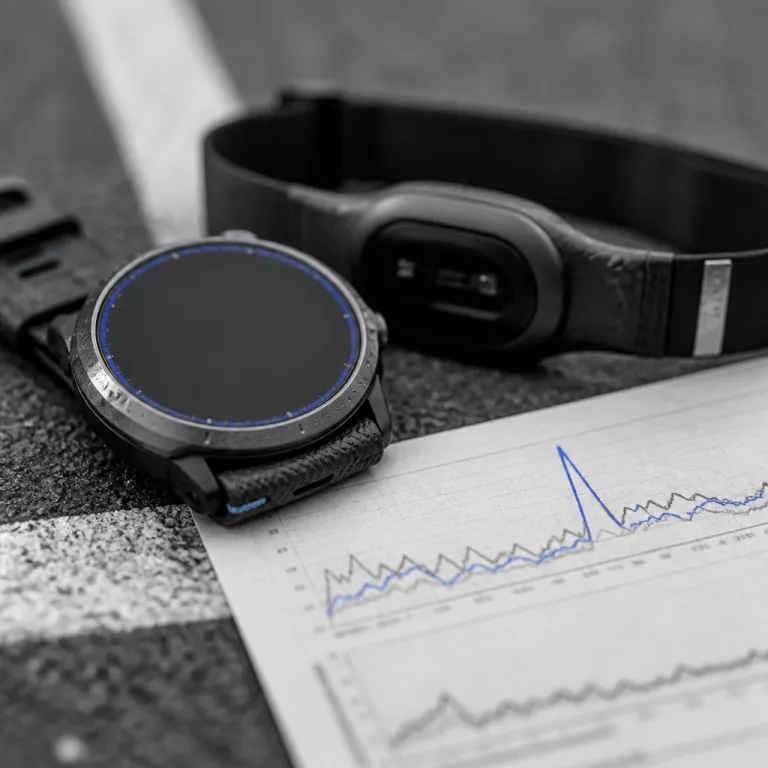
What zone 5 heart rate really means on your fitness tracker
Zone 5 heart rate represents the highest sustainable training intensity your body can briefly tolerate. At this level your pulse approaches your maximum heart capacity, and every beats per minute (bpm) recorded by your tracker reflects extreme cardiovascular effort. Most people will only hold this upper zone for 30 seconds to 3 minutes during demanding exercise.
Coaches usually define zone training with five intensity bands based on a percentage of maximum heart rate, often estimated as 220 minus age but refined by real data. This simple formula can be off by 10 to 15 bpm for individuals, so many experts also use alternatives such as 208 − 0.7 × age or, ideally, lab testing to pin down max heart more accurately. The top zone typically sits around 90 to 100 percent of your max heart value, which means your heart rates are close to your personal ceiling and your breathing becomes very hard. On a fitness tracker display this high intensity training zone often appears in red, signalling that the effort is near your physiological limits.
When your device shows you are in this highest heart rate range, it is reporting that your cardiovascular system and muscles are under maximal stress. This training intensity quickly raises lactate levels in the blood, pushing you toward your lactate threshold and beyond. Because the strain on health and recovery is significant, time spent at this effort must be carefully controlled and balanced with low intensity and moderate sessions.
Understanding how your tracker defines each rate zone is essential before you rely on its guidance. Some brands use custom algorithms that blend age, resting heart values, and recent workouts to adjust training zones dynamically. Others let you set your own maximum heart and target heart ranges, which can make zone based training more accurate when your fitness improves.
For serious running or cycling plans, the difference between zone 4 and zone 5 heart rate can change the entire training effect. Zone 4 usually targets the lactate threshold and strong but sustainable effort, while the top band focuses on short, explosive work that improves max aerobic power and neuromuscular coordination. Your fitness tracker’s graphs of bpm zone distribution after each session help you see whether your exercise matched the intended training zone or drifted too high.
How fitness trackers estimate maximum heart rate and training zones
Most fitness trackers start by estimating maximum heart rate (often called MHR or max heart rate) from your age, then refine that estimate over time. The device analyses heart rate patterns during high intensity workouts and compares your highest beats per minute with expected values for your profile. When it detects repeated peaks near the same bpm, it may quietly adjust your maximum heart setting and shift all rate zones.
This matters because the top training zone depends entirely on how accurately your maximum heart is defined. If your MHR is underestimated, your tracker will label moderate effort as a high intensity training zone and you may think you are in zone 5 when you are only in zone 4. If your MHR is overestimated, you might push too hard chasing a target heart number that your body cannot safely reach, which can compromise health and recovery.
Better devices combine wrist based optical sensors with algorithms that filter motion noise to track heart rates more reliably during running or interval exercise. Some models also use past workouts, resting heart trends, and recovery data to refine training zones, which helps them predict when a given bpm zone reflects genuine cardiovascular effort rather than sensor error. Over several weeks this adaptive approach can make your rate training guidance more personal and more useful.
Zone training accuracy also depends on how your tracker interprets lactate threshold, which is the point where your body starts accumulating lactate faster than it can clear it. Many wearables estimate this threshold from a structured running test or from long term data, then anchor training zones around that value rather than only around max heart rate. For high end efforts this means the device can better distinguish between threshold intervals in zone 4 and all out work in the top band.
If you are interested in how these algorithms interact with other metrics, it is worth reading an in depth analysis of VO2 max estimates on your wrist. The same data streams that estimate VO2 max also influence how your training zones are set and how your target heart ranges are suggested. Understanding these links helps you judge when an alert near your maximum reflects real physiological strain and when it might be a software artefact.
Why zone 5 heart rate is hard to track accurately during real workouts
The highest heart rate zone usually appears during sprints, steep hill repeats, or very intense interval workouts. These sessions combine rapid changes in effort, heavy arm movement, and sometimes cold or sweat, all of which challenge wrist based optical sensors. As a result your tracker may under report or over report beats per minute exactly when you care most about precise rate training zones.
During fast running or cycling, blood flow can shift and the watch may bounce slightly, which degrades the optical signal used to measure heart rates. This is why many athletes see a delayed rise in bpm when they start a high intensity interval, then a plateau that does not quite reach their true max heart value. The opposite can also happen when cadence lock causes the device to confuse arm swing frequency with heart rate, briefly inflating the bpm zone reading.
For work at this top intensity, a chest strap that measures electrical activity of the heart is usually more reliable than a wrist tracker alone. Chest straps respond faster to sudden changes in effort, so they capture the sharp rise in rate heart values at the start of a sprint and the quick drop during recovery intervals. Pairing a strap with your watch lets you see a cleaner picture of how much time you actually spend in each rate zone during structured exercise.
Cyclists face particular challenges because wrist position on the handlebar can reduce sensor contact and distort bpm readings at high intensity. Analyses of cycling with a wrist tracker above zone 3 show that errors grow as training intensity rises, which directly affects how the highest heart rate band is recorded. For accurate training zones on the bike, combining a chest strap with power meter data often gives a more trustworthy view of effort.
Even with perfect sensors, your body’s response time means that heart rate lags behind actual muscular effort during very short sprints. A 15 second all out burst may feel like maximal effort, but your heart rates might only reach upper zone 4 by the time the interval ends. To truly hit the top zone you usually need intervals of at least 30 to 60 seconds, with enough duration for bpm to climb into the intended training zone bpm range.
Using zone 5 heart rate safely for performance and health
Very high intensity training can significantly improve performance when used with care and structure. At this intensity your body recruits fast twitch muscle fibres, challenges the cardiovascular system near its max capacity, and stimulates adaptations that support speed and power. However the same high intensity that drives fitness gains also increases stress on the heart, joints, and nervous system.
For most recreational athletes, one or two top end workouts per week are enough to trigger progress without overwhelming recovery. These sessions might include short intervals at a target heart rate in upper zone 4 to low zone 5, followed by generous low intensity rest periods that let heart rates fall back toward resting heart levels. Over time this pattern teaches your body to tolerate high effort while still protecting long term health and reducing the risk of overtraining.
Before adding maximal intervals, it is essential to build a base of aerobic fitness with plenty of easy exercise. A strong foundation of low intensity running, cycling, or brisk walking improves resting heart rate, strengthens the heart muscle, and prepares your body for the stress of high intensity work. Without that base, jumping straight into a demanding training zone can lead to excessive fatigue, poor sleep, and stalled progress.
People with cardiovascular conditions or risk factors should always consult a healthcare professional before attempting maximum heart efforts. Medical guidance can help define safe training zones, interpret unusual rate heart responses, and decide whether a formal stress test is needed to determine MHR and lactate threshold. In some cases the safest strategy is to keep workouts below the highest zone and focus on moderate target heart ranges that still improve fitness and weight loss.
Listening to subjective effort remains as important as watching bpm numbers on your wrist. If a planned interval near your maximum feels far harder than usual at the same beats per minute, that can signal incomplete recovery or early illness. On those days it is wiser to shift to low intensity exercise and protect both performance and health rather than forcing the planned training zone.
Interpreting heart rate data: from single workouts to long term trends
A single high intensity session tells you how your body handled stress on that particular day. The more valuable insight comes from looking at patterns across weeks, comparing how often you reach each rate zone and how quickly you recover afterward. Fitness trackers excel at turning these repeated heart rate snapshots into trends that guide smarter training decisions.
One key metric is how long it takes your heart rates to drop after a high intensity interval or after a full workout. Faster recovery toward your resting heart level usually signals improved cardiovascular fitness and better autonomic balance, while sluggish recovery can indicate accumulated fatigue or poor sleep. Many devices now show a recovery time estimate in hours, which helps you space demanding workouts and avoid stacking too much time at the top end in a short period.
Another useful pattern is the relationship between perceived effort and bpm zone during similar sessions. If a familiar running route suddenly requires a higher target heart rate to maintain the same pace, your body may be under extra stress from life, heat, or lack of rest. Conversely, when you can stay in a lower training zone bpm while moving faster, that usually reflects genuine fitness gains rather than just a lucky day.
Advanced trackers and smart rings can also combine heart rate data with sleep, stress, and temperature to estimate overall readiness. Detailed reviews of smart rings for serious training feedback show how these devices highlight when your body is primed for high intensity or when it needs more low intensity exercise. Using this context, you can schedule your hardest intervals on days when your recovery score is high and stick to gentle training zones when it is low.
For weight loss goals, the data often reveals that most calories are burned in longer low intensity sessions rather than in brief bursts at maximum heart effort. Work in the top zone still has a role because it can raise post exercise oxygen consumption and support metabolic health, but it should not replace the steady volume of moderate training. Balancing time in each rate zone based on your tracker’s reports helps you align workouts with both performance and body composition objectives.
Practical tips to get more accurate zone 5 heart rate readings
To make high intensity heart rate data truly useful, you need to improve measurement quality as much as possible. Start by wearing your fitness tracker snugly, about one finger width above the wrist bone, so the optical sensor maintains stable contact during exercise. Cleaning sweat or sunscreen from the sensor surface before high intensity workouts can also reduce signal noise and improve beats per minute tracking.
When planning a session that includes a zone 5 heart rate block, add a thorough warm up with progressive intensity. Ten to fifteen minutes of easy movement followed by short strides or accelerations lets your body raise heart rates gradually and prepares the cardiovascular system for max effort. This approach not only reduces injury risk but also helps your bpm zone readings reflect true physiological strain rather than a sudden shock response.
Pairing your watch with a chest strap is the single most effective upgrade for accurate rate training at high intensity. The strap’s electrical measurement of each heart beat minute is less affected by motion, so your training zones and target heart alerts become more trustworthy during sprints and hill repeats. Many athletes use the strap only for demanding workouts while relying on the wrist sensor for everyday low intensity exercise and general health tracking.
After each session, review the heart rate graph and time spent in each rate zone to check whether the data matches your subjective experience. If a workout felt like zone 5 heart rate but the tracker shows mostly zone 3, you may need to recalibrate maximum heart settings or repeat the session with a chest strap. Over several weeks this feedback loop refines both your understanding of effort and the device’s interpretation of your training zones.
Finally, remember that even perfect numbers are only one part of the picture when you push toward maximum heart efforts. Sleep quality, nutrition, hydration, and life stress all influence how your body responds to high intensity training zone work and how quickly recovery occurs. Using heart rate data alongside these broader health signals will keep your pursuit of performance grounded, sustainable, and aligned with long term wellbeing.
Key statistics about zone 5 heart rate and training intensity
- High intensity interval training that includes short periods near zone 5 heart rate can improve maximal oxygen uptake (VO2 max) by around 5 to 15 percent over several weeks, according to controlled trials in endurance athletes reported in peer reviewed exercise physiology journals such as Medicine & Science in Sports & Exercise.
- Research on heart rate recovery shows that a drop of more than 12 beats per minute in the first minute after exercise is associated with better cardiovascular health, while slower recovery is linked with higher mortality risk in large population studies published in mainstream cardiology literature.
- Studies comparing wrist based optical sensors with chest straps report average heart rate errors of roughly 3 to 7 bpm during steady state exercise but larger deviations during sprints, which directly affects the accuracy of recorded time in the highest zone, especially for short intervals.
- Guidelines for recreational runners often recommend limiting very high intensity sessions, including zone 5 heart rate intervals, to no more than 10 to 15 percent of total weekly training time to balance performance gains and injury risk, a range echoed in many coaching manuals and consensus position statements.
- Observational data from endurance events indicate that athletes who spend excessive time above their planned training zones in the final weeks before a race have higher rates of overuse injuries and report more fatigue on race day.
FAQ: zone 5 heart rate and fitness trackers
How do I know my true zone 5 heart rate ?
The most accurate way to determine zone 5 heart rate is through a supervised maximal exercise test in a laboratory, where professionals measure your maximum heart rate and lactate threshold directly. If that is not available, you can use a field test such as a hard 3 minute effort after a thorough warm up, recording the highest stable beats per minute as an estimate of max heart. A simple protocol is: 10 to 15 minutes easy running, 3 to 4 short strides, then a 3 minute all out but even effort on flat ground, using the average bpm from the final minute as your practical max. Your fitness tracker can then calculate training zones from this value, but you should refine them over time based on how each zone feels.
Is training in zone 5 necessary for weight loss ?
Zone 5 heart rate training is not required for weight loss, although it can complement a broader program. Most fat loss comes from maintaining a calorie deficit supported by regular low intensity and moderate exercise that you can sustain for longer periods. Short high intensity intervals near maximum heart effort may slightly increase post exercise calorie burn and improve fitness, but they should not replace the bulk of your weekly activity.
How often should I do zone 5 heart rate workouts ?
For most healthy recreational athletes, one or two zone 5 focused sessions per week are enough to stimulate adaptation without overwhelming recovery. Each workout might include several short intervals in the upper training zones, separated by generous low intensity rest to let heart rates fall. A concrete example is 6 × 1 minute at 90 to 95 percent of estimated max heart with 2 to 3 minutes easy movement between efforts, kept within the 10 to 15 percent weekly high intensity guideline. More frequent high intensity efforts can increase the risk of overtraining, sleep disruption, and injury, especially if your overall fitness base is limited.
Why does my tracker show different heart rate zones than my coach ?
Fitness trackers often calculate rate zones from generic formulas based on age, while coaches may use laboratory tests, field tests, or performance data to set more individual training zones. As a result your device might label a given bpm as zone 4 while your coach calls it zone 3 or zone 5, even though your actual physiological effort is the same. You can usually edit maximum heart and target heart ranges in the app so that the tracker’s rate training zones match your coach’s plan.
Is it safe to reach zone 5 heart rate if I am new to exercise ?
People who are new to exercise or returning after a long break should focus first on low intensity and moderate training to build a base of fitness and improve resting heart rate. Jumping straight into zone 5 heart rate intervals can place excessive stress on the heart, muscles, and joints, especially if there are underlying health issues. A medical check and a gradual progression of training zones are the safest path before attempting maximum heart efforts.
