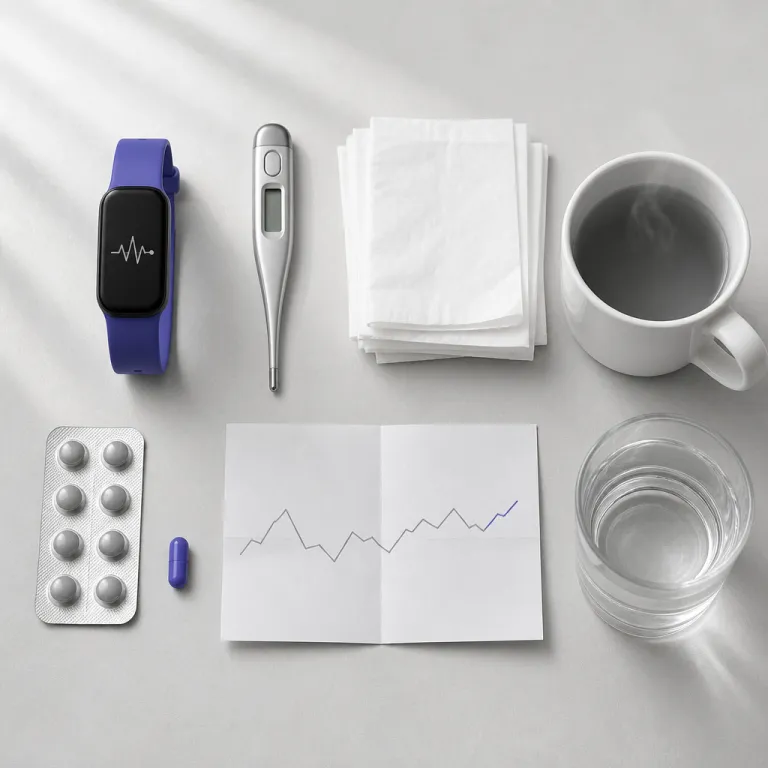
How illness changes your heart rate and what “normal” means
Many people first ask whether the heart rate increases when sick or stays stable. Your fitness tracker often shows that the heart beat seems to beat faster, and this visible rate increase can feel alarming when you already have other symptoms. A calm look at how the body reacts to illness helps you judge what is still a normal response and what signals a high risk for your heart health.
When you are sick with a common cold or flu, your immune system activates and your body temperature usually rises slightly. This higher body temperature and the chemical messengers released during illness push the heart to pump more blood each minute, so the resting heart rate when sick often climbs by 5 to 20 beats per minute compared with your usual baseline. That increased heart effort is one reason a sick body feels tired, because the elevated heart workload and higher blood pressure can drain your energy even when you are lying still.
From a medical perspective, the heart rate when sick is part of a coordinated response involving the nervous system and the circulatory system. When the immune system detects an infection, it triggers inflammation that changes blood vessel tone and blood pressure, and the nervous system then signals the heart to increase heart output to maintain oxygen delivery. This chain reaction explains why an elevated heart rate when you have a fever or flu is common, while a very low rate when you are acutely ill can sometimes be more worrying for overall health.
Fever, flu, and cold: why your resting heart rate climbs
Fever is one of the clearest reasons the heart rate increases when sick, and fitness trackers are particularly good at capturing this change. For every 1 °C rise in body temperature, the resting heart rate often shows a rate increase of roughly 8 to 10 beats per minute, which means even a mild flu with a 38 °C fever can produce a noticeably elevated heart pattern on your watch. This rule of thumb is consistent with findings from internal medicine reviews and clinical teaching texts that describe a near-linear rise in pulse with temperature in otherwise healthy adults (for example, Mackowiak et al., JAMA, 1992; Sund-Levander et al., J Clin Nurs, 2002).
During a typical flu or strong cold, the immune system releases cytokines that affect the heart, blood vessels, and nervous system. These signals make the heart beat faster to move warm blood from the core to the skin, helping to regulate body temperature while the sick body battles viruses, and they also maintain blood pressure when you are sweating or not drinking enough. As a result, an increased heart rate when you have flu symptoms such as chills, cough, and fatigue is common, although very high values or chest pain always require medical help.
Wearable data often shows that the rate when you are incubating an illness starts to rise even before you feel clearly sick. Some studies on fitness tracker users have found that elevated heart rate and subtle changes in resting heart patterns can appear one to two days before obvious flu symptoms, which makes continuous monitoring a useful early warning sign. For instance, research using large wearable datasets during flu seasons has reported that shifts in resting heart rate and sleep can anticipate influenza-like illness at both individual and population levels (e.g., Radin et al., Lancet Digital Health, 2020; Quer et al., Nat Med, 2020).
Stress, sleep, and why being sick keeps your heart working harder
Illness rarely affects only the heart and blood; it also disrupts sleep, mood, and daily routines. When you are sick and sleeping poorly, the nervous system stays more activated, which keeps the resting heart rate elevated even when the fever is low and the body temperature looks close to normal. This combination of physical stress and emotional stress can make the heart beat faster for several days, especially in people who already have high blood pressure or fragile heart health.
Psychological stress during illness, such as worrying about work or family, further stimulates the sympathetic branch of the nervous system. That branch is responsible for the fight or flight response, and it tells the heart to increase heart output, constricts some blood vessels, and raises blood pressure to prepare the body for action even though you are lying in bed, so the rate when you feel anxious can spike above the level caused by the flu itself. This is why breathing exercises, short relaxation sessions, and gentle stretching can help lower an increased heart rate when sick, because they shift the balance toward the calming parasympathetic system.
Fitness trackers that estimate heart rate recovery after light movement can show how quickly the heart beat returns toward your usual resting heart level. When you are healthy, the beats per minute drop rapidly after a short walk, but during a common illness such as a cold or flu, the rate decrease is slower and the elevated heart pattern persists longer. Simple graphs in many apps display this recovery curve, and understanding how fitness trackers turn raw beats into real training insight can also help you judge whether your rate increase when sick is simply a temporary response or a sign that your overall cardiovascular fitness needs attention.
What your fitness tracker can and cannot tell you when you are sick
Modern fitness trackers measure heart rate at the wrist using optical sensors that track changes in blood volume with each heart beat. When you are sick, these sensors can reliably show whether your resting heart rate is elevated compared with your personal baseline, and they can highlight patterns such as a sustained rate increase overnight or during daytime naps. However, they cannot diagnose the cause of illness, measure exact blood pressure, or fully explain chest pain, so they should be seen as tools that help you talk to a health professional rather than as stand alone diagnostic devices.
Most devices calculate beats per minute by counting how often the heart beat signal appears in a short time window. During a flu or cold, motion artifacts from shivering, sweating, or moving under blankets can make the rate when you are restless look higher or more erratic than it truly is, which is why checking the trend over several hours is more reliable than focusing on a single spike. If your tracker shows a sudden increase heart pattern at rest, especially combined with dizziness or chest pain, you should treat that as a reason to seek medical help rather than simply blaming the sick body for every change.
Some advanced wearables also estimate body temperature trends and stress scores, which can give a broader picture of how the immune system and nervous system are reacting. When these metrics show that your body temperature is slightly elevated, your stress index is high, and your resting heart rate when sick is consistently above your usual level, the combined data strongly suggests that the body is still fighting an illness. In that situation, using your device to track recovery and pacing your return to activity is more valuable than chasing perfect numbers, and if you use more than one device, guidance on when doubling up your trackers actually makes sense can help you interpret multiple streams of data without unnecessary stress.
When a higher heart rate while sick is a red flag
Although the heart rate often increases when sick in a harmless way, some patterns signal danger. A very high resting heart rate when sick, such as more than 120 beats per minute at rest in an adult, especially with chest pain or shortness of breath, can indicate complications like dehydration, pneumonia, or a heart rhythm problem that needs urgent medical help. You should also be cautious if the rate increase appears with very low blood pressure, confusion, or a feeling that the heart beat is irregular rather than simply faster.
People with existing heart health issues, such as coronary artery disease, heart failure, or chronically high blood pressure, must pay particular attention to how their heart responds to illness. In these groups, an elevated heart rate when they have flu or another common illness can push the heart closer to its limits, especially if the sick body is also losing fluids through fever or vomiting, and the immune system is under heavy stress. Large influenza surveillance studies and American Heart Association summaries have reported that heart related complications, including heart attacks and heart failure exacerbations, are several times more common in the week after confirmed flu infection than in control periods (for example, Kwong et al., N Engl J Med, 2018; Madjid et al., J Am Coll Cardiol, 2020), which underlines why this group should seek help early.
Another warning sign is a mismatch between how you feel and what the numbers show. For example, if your tracker reports a normal resting heart rate but you feel severe chest pain, faintness, or extreme shortness of breath, you should trust your body and seek emergency care, because devices can miss some dangerous rhythms or misread the rate when the signal is weak. Conversely, if the device shows a sudden rate increase to very high beats per minute while you feel completely well and calm, checking the strap fit, sensor contact, and recent movement can help you rule out a technical error before assuming a serious illness.
Using heart rate data to manage recovery and protect long term health
Once the worst flu or cold symptoms ease, your fitness tracker becomes a useful guide for pacing your return to normal activity. A good rule is to wait until your resting heart rate when sick has returned to within about 5 beats per minute of your usual baseline for at least two mornings in a row, because this suggests that the immune system has largely finished its acute battle and the sick body is moving back toward balance. If the rate increase persists for more than a week after other symptoms fade, especially with lingering fatigue or breathlessness, discussing this pattern with a health professional is wise.
Gradual exercise helps the heart, blood vessels, and nervous system recalibrate after illness. Start with light walking or gentle cycling while watching how many beats per minute your heart beat reaches at a given effort, and compare this with pre illness values to judge whether the elevated heart response is shrinking, because a steady improvement signals recovering heart health and cardiovascular fitness. If even very easy activity causes a sharp increase heart pattern or chest pain, stop and seek medical help, since that combination can indicate complications such as myocarditis, which is an inflammation of the heart muscle sometimes triggered by viral infections.
Preventive steps also matter for future episodes. Staying up to date with the flu vaccine, managing chronic stress, and monitoring blood pressure regularly all reduce the strain on the heart when you are sick, and they help the immune system and nervous system coordinate a more controlled response. Over time, using your tracker to understand how your heart rate increases when sick, how quickly it returns to normal, and how lifestyle changes affect these patterns can turn raw beats per minute into a practical tool for protecting long term heart health and overall well being.
Key statistics on heart rate changes during illness
- Clinical observations show that for each 1 °C rise in body temperature, adult resting heart rate typically increases by about 8 to 10 beats per minute, which explains why even a mild fever can produce a clearly elevated heart pattern on fitness trackers (data reported in internal medicine reviews and hospital-based teaching materials, such as Mackowiak et al., JAMA, 1992, and subsequent thermoregulation studies).
- Large influenza surveillance studies have found that heart related complications, including heart attacks and heart failure exacerbations, are several times more common in the week after confirmed flu infection than in control periods, with summaries from organizations such as the American Heart Association and national public health agencies highlighting this increased cardiovascular risk (for example, Kwong et al., N Engl J Med, 2018; Madjid et al., J Am Coll Cardiol, 2020).
- Population research on wearable users has reported that changes in resting heart rate and sleep patterns can predict flu like illness one to two days before people report symptoms, suggesting that continuous heart rate monitoring may help track community level illness trends as well as individual health status (e.g., Radin et al., Lancet Digital Health, 2020; Quer et al., Nat Med, 2020).
- Hypertension guidelines note that people with chronic high blood pressure have a significantly higher risk of cardiovascular events during acute infections, which is why monitoring both blood pressure and heart rate during illness is especially important for this group (see, for instance, Whelton et al., Hypertension, 2018, and related guideline updates).
FAQ: heart rate and being sick
Does the heart rate always increase when you are sick ?
Most viral and bacterial infections cause some increase in resting heart rate, especially when you have a fever or strong flu symptoms. The heart beats faster to move warm blood and immune cells around the body, which supports the immune system response. However, the exact rate increase varies between individuals, and some medications or underlying conditions can blunt or exaggerate this effect.
How much higher can my resting heart rate be and still be normal when I am ill ?
For many healthy adults, a resting heart rate that is 5 to 20 beats per minute above their usual baseline during a cold or flu is considered a normal response. This elevated heart pattern should gradually return toward baseline as the fever and other symptoms improve. If your resting heart rate stays very high or continues to rise despite feeling worse, you should seek medical help.
When should I worry about a high heart rate while sick ?
You should be concerned if your resting heart rate exceeds about 120 beats per minute at rest, especially if you also have chest pain, severe shortness of breath, dizziness, or confusion. These signs can indicate complications such as dehydration, pneumonia, or a heart rhythm problem that needs urgent evaluation. People with known heart disease or high blood pressure should contact a doctor earlier, even with more modest rate increases.
Can a fitness tracker replace a doctor when I am sick ?
A fitness tracker is useful for spotting trends such as an elevated resting heart rate, disturbed sleep, or prolonged rate increase after illness. However, it cannot diagnose the cause of your symptoms, measure exact blood pressure, or reliably detect all dangerous heart rhythms. You should use the data as a conversation starter with a health professional, not as a substitute for medical assessment.
Does the flu vaccine affect heart rate ?
After a flu vaccine, some people notice a mild, temporary increase in resting heart rate for a day or two, often alongside slight soreness or fatigue. This reflects the immune system learning to recognize the virus, and the change is usually small compared with the rate increase during a full flu illness. If you experience a very high heart rate, chest pain, or severe symptoms after vaccination, you should seek medical advice promptly.
