How respiration, heart rate and sleep data work together
Respiration tracking only becomes meaningful when it is interpreted alongside heart rate and sleep stages. The best fitness trackers with respiration tracking use heart rate variability, breathing rate, and movement to estimate how deeply you sleep and how well you recover between demanding days. When a tracker links these signals correctly, it can flag nights when your respiratory rate rises unexpectedly, which sometimes correlates with illness or poor air quality.
On a practical level, a fitness tracker that records sleep, heart rate, and respiration together gives you clear patterns instead of isolated numbers. You might see that your resting heart rate and breath rate both climb on evenings when you eat late, drink alcohol, or train too hard, while your deep sleep minutes fall sharply. Over several weeks, these wearable devices reveal which habits quietly damage your health, and which routines genuinely support your best fitness goals.
Budget conscious readers who still want strong sleep and respiration tracking should look at curated guides to budget trackers that do not feel like a compromise. Many affordable fitness trackers now include a rate monitor for both heart and respiration, though their accuracy can vary more than premium models. When you compare options, check whether the device has been independently tested for sleep stage accuracy and whether the brand explains clearly how it calculates respiratory rate during light and deep sleep.
Flagship wrist worn trackers compared: Apple, Fitbit, Garmin and more
Among wrist worn devices, the Apple Watch stands out for tight integration with the Apple Health ecosystem and the broader Google Health compatible platforms. Apple users who choose the latest Apple Watch gain continuous heart rate tracking, estimated respiratory rate during sleep, and strong app support, although battery life usually lasts only about 18 to 36 hours between each charge depending on model and settings. For people who want the best fitness features with rich notifications and smart watch options, this device remains a leading choice despite its shorter time between charges.
Fitbit offers two key lines for respiration focused buyers, the Fitbit Charge series and the Fitbit Inspire series. A recent Fitbit Charge model balances accurate heart rate tracking, automatic sleep detection, and multi day battery life that often reaches five to seven days, which suits users who dislike frequent charge routines. The slimmer Fitbit Inspire line sacrifices some advanced options but still offers reliable heart rate and breath rate estimates, making these fitness trackers appealing to people who want a light device that almost disappears on the wrist.
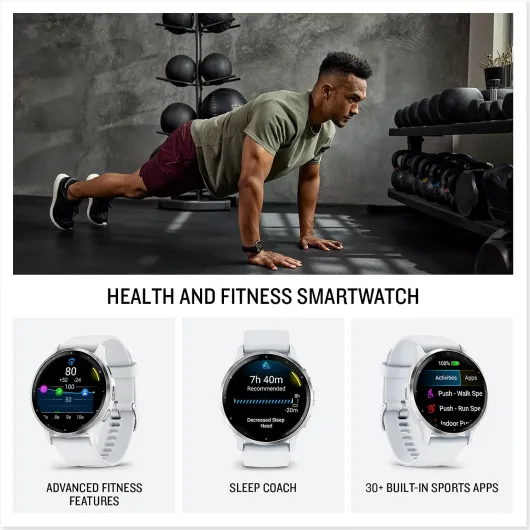
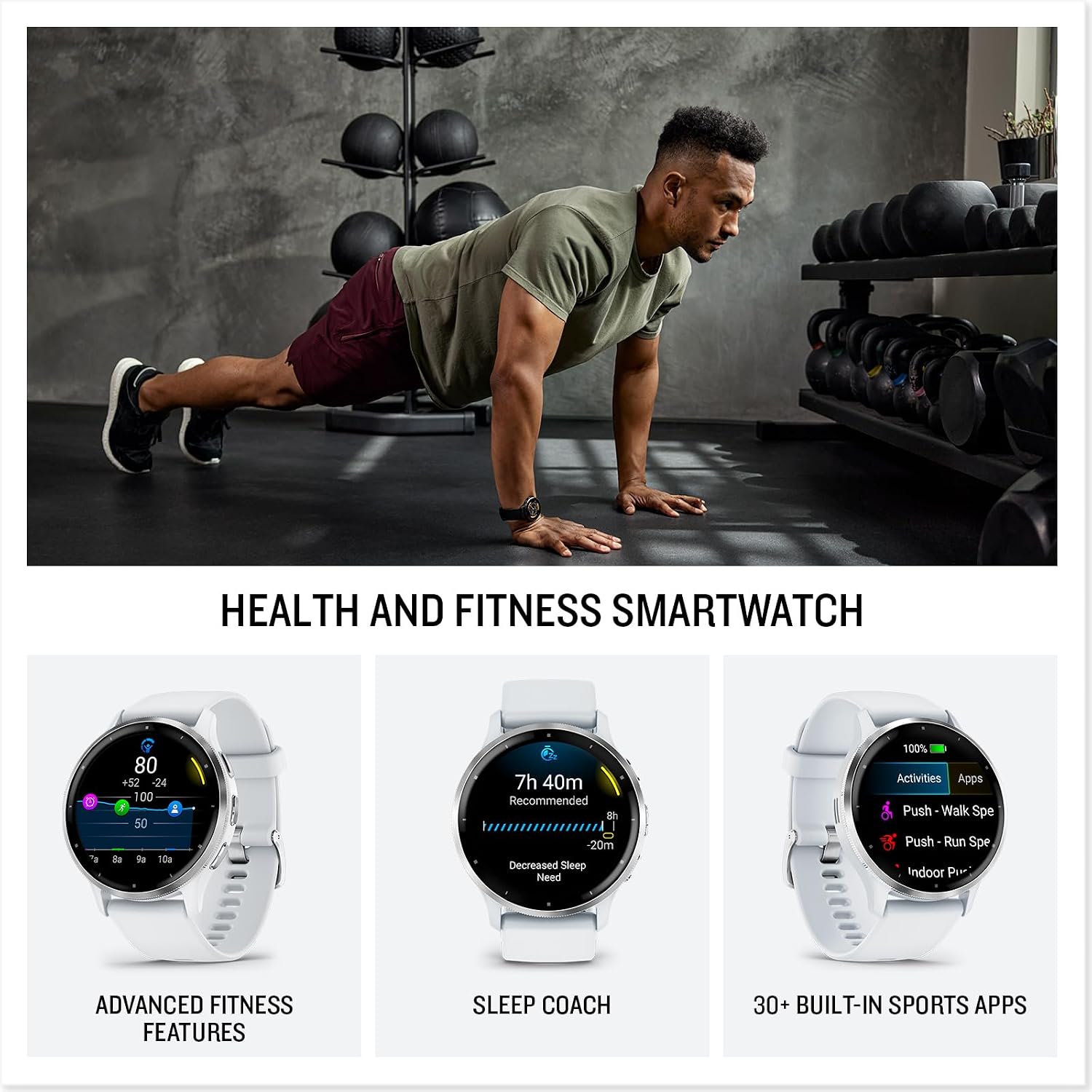
Garmin positions the Garmin Venu range for users who want strong GPS accuracy, bright AMOLED screens, and robust water resistance for pool or open water training. A Garmin Venu watch typically offers several days of battery life even with regular workouts, and its respiration tracking is integrated into stress and body battery metrics that help you pace training loads. If you are hunting for the best fitness value on premium wearable devices, it can be worth checking guides on how to use a promo code for high end trackers, then comparing those deals with Garmin, Fitbit, and Apple Watch pricing.
To make comparison easier, the table below summarizes typical specifications reported by manufacturers and independent reviewers for recent models in these families. Figures are approximate and can vary by firmware version, user characteristics, and study design.
| Device family (recent models) |
Typical battery life |
Sensors used for respiration |
Reported respiration accuracy* |
Data export and platforms |
| Apple Watch Series / Ultra |
~18–36 hours |
Optical heart sensor, accelerometer, gyroscope |
Small sleep respiratory rate bias (≈1–2 breaths/min) in lab studies |
Syncs with Apple Health; exports via Health data files and third party apps |
| Fitbit Charge series |
~5–7 days |
Optical heart rate, accelerometer, SpO₂ sensor |
Respiration error often within a few breaths/min at rest in validation work |
Fitbit app, exports through account data download and partner services |
| Fitbit Inspire series |
~5–10 days |
Optical heart rate, accelerometer |
Trend level respiratory rate suitable for nightly averages |
Fitbit app with similar export options to Charge line |
| Garmin Venu range |
~3–6 days |
Optical heart rate, accelerometer, pulse oximetry |
Respiration tracking aligned with clinical references during rest in small studies |
Garmin Connect, exports to platforms such as Apple Health and Google Health |
*Representative findings from peer reviewed and conference studies that compared these wearables with clinical reference devices such as capnography, chest straps, or polysomnography. Individual results can differ, especially during high intensity interval training or irregular breathing.
Beyond the wrist: Oura Ring, Galaxy Watch and niche devices
Not every person seeking the best fitness trackers with respiration tracking wants a traditional watch on the wrist. The Oura Ring shows how a small device on your finger can deliver detailed respiratory rate, heart rate, and sleep stage data with impressive accuracy. Many users appreciate that this ring offers up to four to seven days of battery life while remaining almost invisible during daily activity and overnight wear.
Samsung’s Galaxy Watch series targets Android users who want a full smart watch with strong health features and integrated GPS. A recent Galaxy Watch model combines continuous heart rate tracking, automatic workout detection, and sleep analysis that includes breath rate estimates, though real world battery life often ranges from two to four days depending on settings. For people who value water resistance for swimming, both the Galaxy Watch and Oura Ring provide solid protection, but you should still check each device rating before taking it into deep water or hot showers.
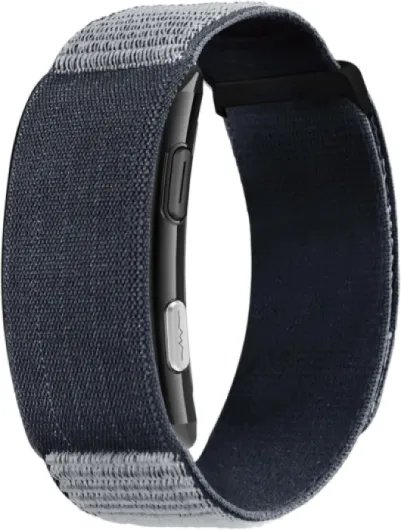
Some niche wearable devices focus almost entirely on health metrics rather than notifications or apps. These products may skip bright screens and smart watch options to prioritize sensor accuracy, long battery life, and detailed respiratory rate trends. When you evaluate such a device, ask whether it has been independently tested, how often it needs a charge, and whether its data exports cleanly into platforms like Apple Health or Google Health for long term analysis. A simple test is to wear the tracker overnight alongside a chest strap or medical grade pulse oximeter and compare average breathing rate across several nights.
Battery life, water resistance and real world durability
Battery life shapes how you actually use even the best fitness trackers with respiration tracking. A tracker that promises ten days on paper but delivers only five days in real life may push you to remove it more often, which creates gaps in your respiratory rate and heart rate records. When a device offers at least four to five days between each charge, you are far more likely to capture continuous sleep and breath rate data across work weeks and weekends.
Water resistance is another non negotiable feature if you want reliable health data. Sweat, rain, and quick showers are part of daily life, so a fitness tracker without proper water resistance will spend too much time on the bedside table instead of on your wrist. For swimmers, checking the depth rating and whether the watch supports pool or open water GPS tracking helps ensure that respiratory rate and heart rate metrics remain consistent during aquatic training.
Durability also includes how well the strap, sensors, and charging contacts survive months of use. A wrist worn device that loses skin contact because of a worn strap will produce less accurate heart rate and respiratory rate readings, no matter how advanced its algorithms. When you read that a tracker has been tested for drop resistance, sweat corrosion, and repeated charge cycles, you can trust more that its health metrics will remain stable over many months of real training and sleep.
How to choose the right respiration focused tracker for you
Choosing among the best fitness trackers with respiration tracking starts with clarifying your priorities. If you mainly care about health insights, look for a device that offers clear respiratory rate trends, heart rate variability, and sleep reports rather than flashy watch faces. People who want a balanced fitness tracker should also check GPS accuracy, workout modes, and whether the device has been tested for both indoor and outdoor activities.
Platform matters as much as hardware, especially for Apple users who rely on Apple Health and Android owners who prefer Google Health. An Apple Watch integrates seamlessly with iPhone features, while Fitbit Charge, Fitbit Inspire, Garmin Venu, Oura Ring, and Galaxy Watch models each connect differently with third party health apps. Before buying, confirm that your chosen device can export data in formats you can analyze later, especially if you plan to compare respiration trends with menstrual cycle tracking using resources such as this guide on cycle tracking accuracy on wearables.
Finally, pay attention to how each brand communicates about accuracy and limitations. A trustworthy manufacturer explains how its rate monitor works, how it estimates respiratory rate from optical sensors, and in which situations the data may be less accurate. When a company shares clear testing methods, publishes validation studies, and updates algorithms over time, you gain a fitness tracker that not only offers strong features today but also improves as your health journey evolves. For instance, some brands now publish firmware release notes that show when they refine sleep staging or breathing rate calculations based on new research.
Key statistics on respiration tracking in fitness devices
- Market research from firms such as IDC reports that more than half of new wearable devices now include some form of respiration or respiratory rate tracking, reflecting growing demand for deeper health metrics beyond simple step counts. IDC’s quarterly wearables trackers describe rapid growth in devices that combine heart rate, SpO₂, and breathing rate sensors.
- Independent validation studies on popular fitness trackers, such as research on Apple Watch and Fitbit models published in peer reviewed journals, often show heart rate accuracy within about 5 to 10 percent during steady state exercise, while respiratory rate estimates can vary more widely during intense interval training, which users should remember when interpreting breath rate spikes. For example, studies comparing Apple Watch Series devices and Fitbit Charge models with clinical capnography or polysomnography typically report small average errors at rest but larger deviations during rapid breathing.
- Consumer surveys from organizations like the Consumer Technology Association indicate that battery life of at least four to five days is one of the top three purchase criteria for fitness trackers, alongside price and comfort, because longer wear time reduces gaps in sleep and respiration data. Respondents frequently rank multi day battery life as essential for capturing uninterrupted overnight trends.
- Clinical research on sleep monitoring suggests that combining heart rate, movement, and respiration data improves the ability of a device to classify sleep stages compared with using motion alone, which supports the design choices in many of the best fitness trackers with respiration tracking. Studies that benchmark wearables against full polysomnography generally find that adding respiratory rate and heart rate variability narrows the gap between consumer devices and clinical sleep scoring.