Apple Watch, Galaxy Watch and the rise of full featured wrist computers
When people talk about the best smartwatches for women, the Apple Watch and Samsung Galaxy Watch usually lead the conversation. These devices behave less like simple watches and more like compact computers that happen to track fitness and health. Their watch series lineups have matured through years of testing, software refinement, and real world feedback from millions of women.
The Apple Watch integrates tightly with an iPhone, turning your wrist into a control center for calls, messages, and apps. Its heart rate monitor and blood oxygen sensor feed data into Apple Health, where you can review trends in resting heart rate, sleep duration, and workout intensity. For women who already live inside the Apple ecosystem, this smartwatch often feels like the best extension of an existing phone rather than a separate gadget.
On the Android side, the Samsung Galaxy Watch family offers a compelling alternative that works especially well with Samsung Galaxy phones. A Galaxy Watch pairs robust fitness tracking with a bright AMOLED display, customizable watch faces, and strong battery life that can stretch across several days with mixed use or many hours of GPS workouts. Many women appreciate that Samsung has refined case curves and lug width so the watch sits comfortably on smaller wrists without sacrificing display size.
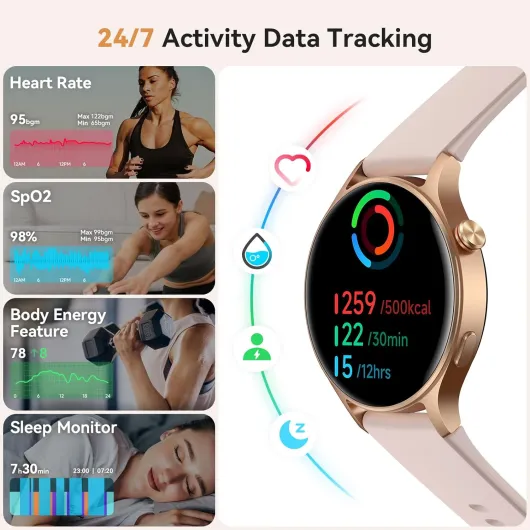
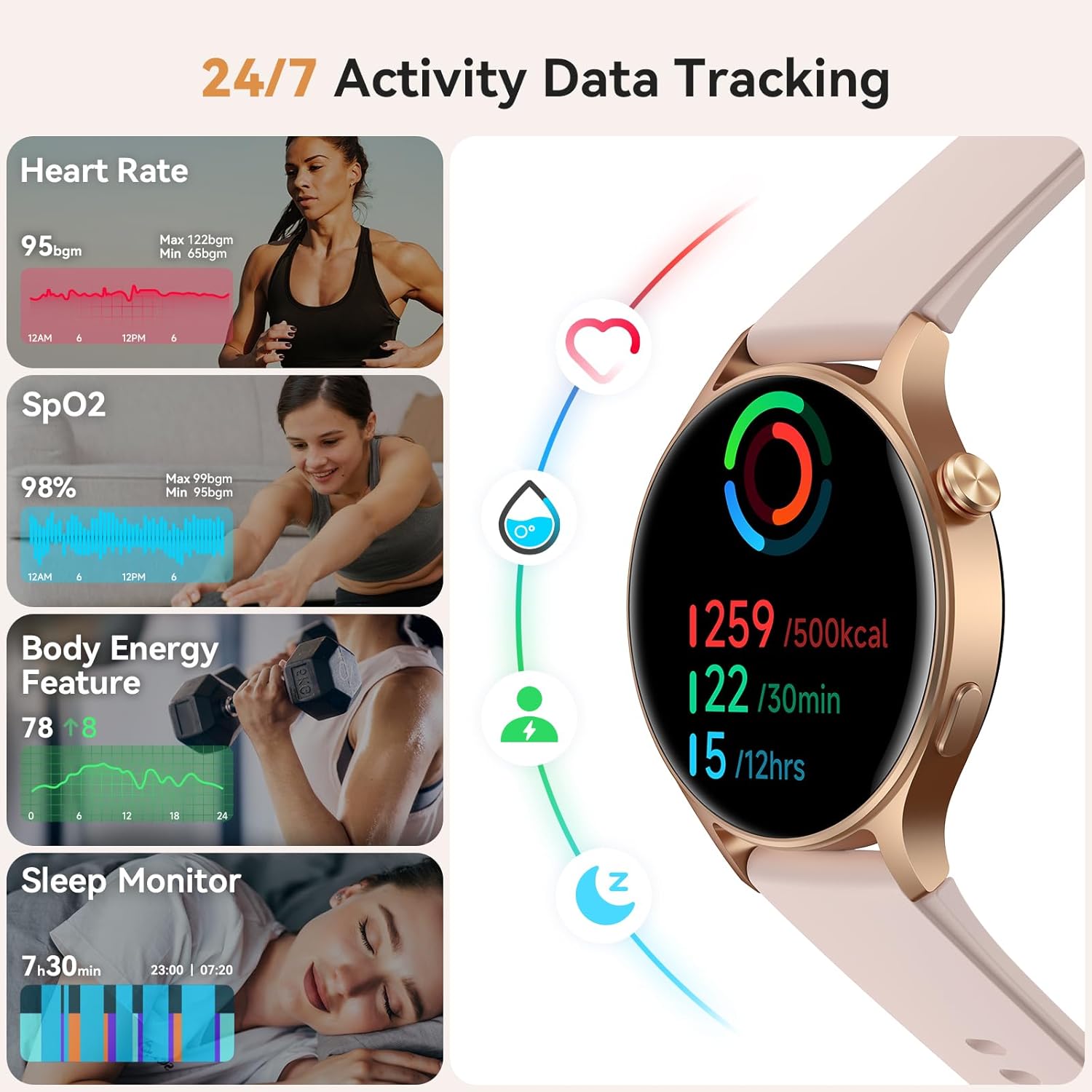
Both Apple Watch and Samsung Galaxy Watch models support advanced health tracking features that go beyond step counts. You can monitor heart rate continuously, receive alerts when your rate spikes unexpectedly, and track blood oxygen levels during sleep to flag potential breathing issues. These capabilities turn a smartwatch into a personal health monitor that quietly fills gaps between annual medical checkups.
Battery life remains a key differentiator when comparing the best smartwatch options for women. Apple Watch models typically last around one to two days, which suits women who charge devices nightly alongside a phone, while many Samsung Galaxy Watch versions can stretch longer with careful settings. Before buying, think honestly about whether you will remember to charge every night or whether a multi day battery better fits your routine.
If you are building a broader connected fitness ecosystem at home, these smartwatches also integrate with smart gyms and training platforms. For example, when evaluating a smart home gym using a detailed comparison of Speediance and Tonal in a smart home gym guide, you will see how Apple Watch and Galaxy Watch data can sync with strength training sessions. That synergy makes it easier for women to track progress across cardio, resistance work, and daily movement in one unified health tracking dashboard.
Garmin Venu, Pixel Watch, OnePlus Watch and Watch Ultra for active women
Not every woman wants the mainstream Apple Watch or Samsung Galaxy Watch, especially if outdoor fitness is the priority. Brands such as Garmin, Google, and OnePlus have built compelling alternatives that often deliver the best smartwatches for women who train seriously. These models focus on GPS accuracy, battery life, and detailed performance metrics rather than flashy apps.
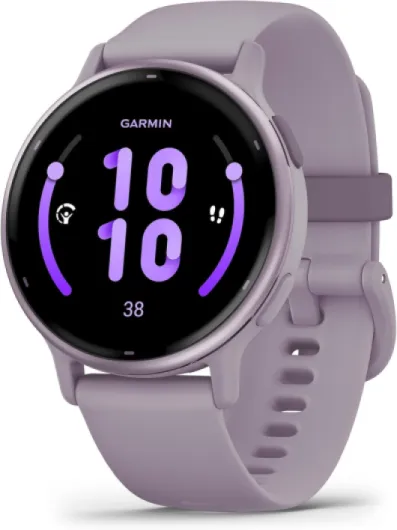
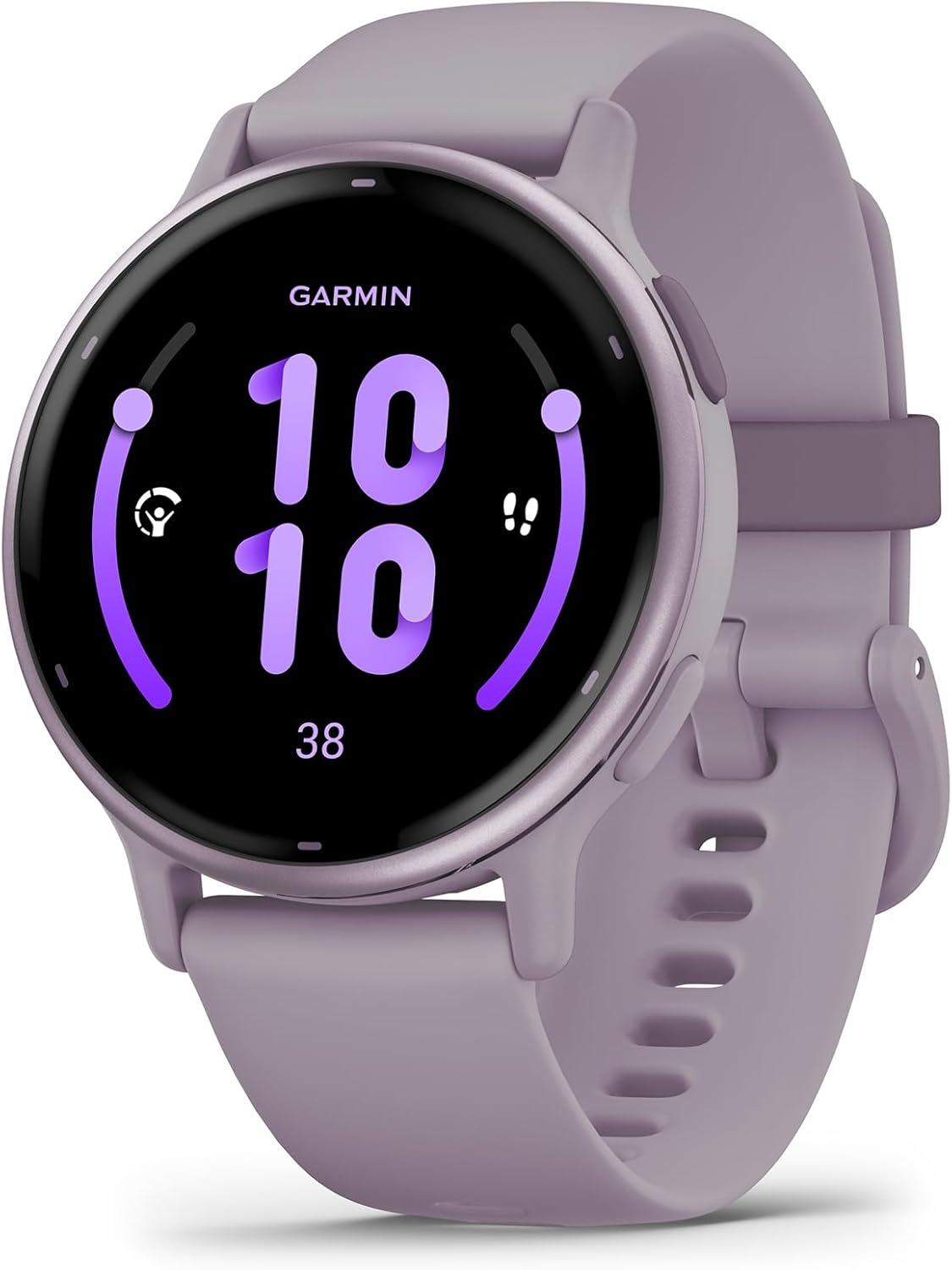
The Garmin Venu series stands out for runners, cyclists, and women who love structured workouts. Its bright AMOLED display balances size and clarity, while the case and band keep overall width modest so the watch remains comfortable on slim wrists. Garmin Venu watches excel at health tracking, offering advanced heart rate metrics, blood oxygen monitoring, and training load analysis that many basic fitness tracker devices cannot match.
Google’s Pixel Watch line targets women who want a clean Wear OS experience with deep Android integration. A Pixel Watch connects seamlessly to Android phones, offers Google Assistant on the wrist, and pulls fitness data from Fitbit services for sleep and heart rate insights. For women who rely heavily on Google Maps, Gmail, and Calendar, this smartwatch can feel like the best Android companion available.
The OnePlus Watch aims at women who value long battery life above all else. Its design keeps case diameter and thickness relatively low, yet the battery can last many hours of continuous GPS tracking and several days of regular use. While its health tracking features are simpler than those of Garmin Venu or Watch Ultra models, the OnePlus Watch still covers core needs such as heart rate monitoring, sleep tracking, and basic fitness modes.
At the premium end, Watch Ultra style devices, including Apple Watch Ultra, target women who dive, hike, or train in harsh environments. These watches offer larger 1.9 inch class displays, reinforced cases, and advanced testing for water resistance and impact durability. If you read an analysis of valuation trends in the fitness tracker industry, you will notice how rugged models such as Watch Ultra have reshaped expectations for what the best smartwatch can endure.
When comparing Garmin Venu, Pixel Watch, OnePlus Watch, and Watch Ultra options, focus on your primary sport and your tolerance for bulk. A Watch Ultra with a big display may feel heavy on a small wrist, while a Garmin Venu or Pixel Watch often strikes a better balance for everyday wear. The best smartwatches for women in this performance segment are those that you are happy to wear from early morning training sessions through late evening social events.
Display size, comfort and style on smaller wrists
For many women, the difference between a fitness tracker and a smartwatch comes down to how the device looks and feels. A slim tracker with a narrow band and subtle profile can blend with jewelry, while a large watch case can dominate a wrist. The best smartwatches for women manage to feel elegant without sacrificing readability or fitness features.
Display size is central to this balance, because it affects both usability and aesthetics. A screen around 1.1 to 1.3 inches often suits smaller wrists, providing enough room for heart rate graphs, sleep charts, and notifications without looking oversized. Larger displays above 1.5 inches can be easier to read during intense fitness sessions, yet they may feel bulky under fitted sleeves or during sleep.
Stroke width, which refers to the thickness of lines and fonts on the display, also shapes comfort and clarity. Smartwatches with refined typography and adjustable font sizes allow women to tune the interface so that health tracking data such as heart rate and blood oxygen levels remain legible at a glance. When you test a watch in store, scroll through workout screens and sleep summaries to see whether the display feels crowded or calm.
Band design matters just as much as case size for all day wear. Many of the best smartwatch models for women now ship with soft silicone or woven bands that flex during fitness sessions and stay comfortable for eight or more hours of desk work. Quick release mechanisms make it easy to swap a sport band for a leather strap, turning a practical fitness tracker into a dress friendly watch for evening events.
Weight and thickness influence whether you will actually sleep with the watch on, which is crucial for accurate recovery insights. A lighter fitness tracker or compact smartwatch encourages consistent sleep tracking, giving you better data on sleep stages, heart rate variability, and overnight blood oxygen trends. If a device feels heavy or digs into your wrist bone, you will probably remove it at night and lose that valuable health tracking information.
Finally, color and material choices help the best smartwatches for women fit personal style. Rose gold, soft silver, and muted neutrals often pair well with both gym wear and office outfits, while rugged Watch Ultra designs lean toward more industrial finishes. When you find a watch that matches your wardrobe, you are far more likely to keep it on for the many hours needed to build a meaningful fitness and health history.
Battery life, testing standards and real world reliability
Battery life can make or break the experience of wearing a smartwatch or fitness tracker every day. A device that dies halfway through a long run or a late meeting quickly loses its appeal, no matter how advanced its display or health tracking features may be. The best smartwatches for women combine efficient processors, optimized software, and sensible display settings to stretch battery life across busy schedules.
Manufacturers usually quote battery life in hours or days, but those numbers depend heavily on usage. Continuous heart rate monitoring, frequent GPS workouts, and an always on display will drain a battery faster than occasional step tracking and simple watch faces. When you compare models such as Apple Watch, Galaxy Watch, Garmin Venu, Pixel Watch, and OnePlus Watch, look for independent testing that measures performance under realistic fitness and sleep tracking conditions.
Water resistance and durability standards also matter, especially for women who swim or train outdoors. Many of the best smartwatch and fitness tracker devices are rated for 5 ATM or 10 ATM water resistance, which indicates how deep they can go without damage. A detailed guide to what 5 ATM versus 10 ATM means for swimmers explains why some watches are safe for pool laps while others can handle open water and diving.
Testing protocols for heart rate and blood oxygen sensors influence how much you can trust the numbers on your wrist. Reputable brands run their rate monitor systems through controlled testing against medical grade equipment, then refine algorithms to handle different skin tones, wrist shapes, and movement patterns. When a smartwatch has been thoroughly tested, its heart rate and blood oxygen readings become reliable tools for pacing workouts and monitoring recovery.
Charging convenience is another practical factor that shapes daily life with a smartwatch. Magnetic pucks, wireless charging pads, and fast charge modes help women top up a watch during a shower or coffee break, reducing the risk of running out of battery during evening events. If you often travel or forget chargers, a fitness tracker or best Android smartwatch with multi day battery life may suit you better than a power hungry flagship.
Long term reliability also depends on software updates and ecosystem support. Devices such as Apple Watch, Samsung Galaxy Watch, and Garmin Venu typically receive years of updates that improve battery efficiency, refine health tracking, and fix bugs discovered through large scale testing. Choosing a watch from a brand with a strong update history ensures that your investment continues to feel like the best smartwatch for women well beyond the first few months.
Connectivity, phone integration and the role of data
How a smartwatch or fitness tracker connects to your phone shapes much of the daily experience. Seamless pairing, stable Bluetooth connections, and smart notification handling can turn a watch into a quiet assistant rather than a constant distraction. The best smartwatches for women respect your attention while still keeping you informed.
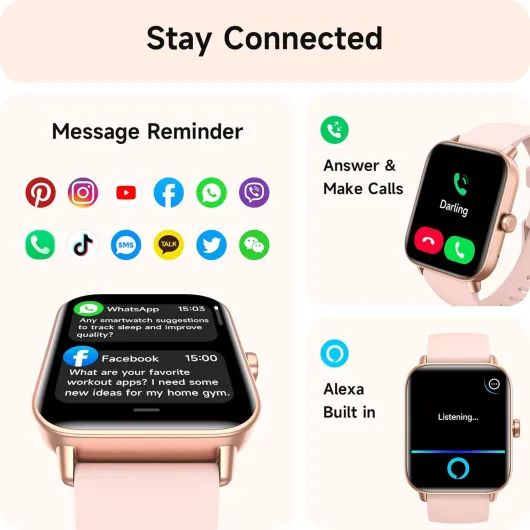
Apple Watch models work best with iPhones, while Galaxy Watch, Pixel Watch, OnePlus Watch, and many Garmin Venu devices lean toward Android phones. Before buying, confirm that your chosen watch supports your current phone and any likely upgrades, because cross platform limitations can affect features such as calls, messages, and contactless payments. A mismatch between watch and phone can leave powerful hardware underused, especially in areas like health tracking and app support.
Data handling has become a central concern as fitness and health tracking grow more sophisticated. Every time your watch records heart rate, sleep stages, or blood oxygen levels, it generates sensitive health data that must be stored and transmitted securely. When evaluating the best smartwatch or fitness tracker for women, review privacy policies and check whether data can be exported or deleted easily if you change platforms.
Third party services and subscription platforms add another layer to this ecosystem. Some advanced analytics tools and coaching apps rely on continuous data from your watch, similar to how high end trackers in the industry have built business models around deep performance insights. An analysis of the real value behind major fitness tracker valuations shows how data quality and retention drive long term product development.
Women who train seriously may also integrate smartwatch data with smart home gyms, running platforms, or cycling services. When your watch can fill training logs automatically, track heart rate zones, and sync sleep data, you gain a clearer picture of how workouts, recovery, and daily stress interact. This holistic view helps you adjust fitness plans more intelligently than a basic step counting fitness tracker ever could.
Ultimately, the best smartwatches for women are those that handle connectivity quietly and reliably. You should be able to glance at your wrist for a quick heart rate check, dismiss a notification, or start a workout without wrestling with Bluetooth settings. When watch, phone, and cloud services work together smoothly, the technology fades into the background and your fitness and daily life take center stage.
Key statistics about women and smartwatches
- According to Counterpoint Research, women now represent roughly 45% of global smartwatch users, a share that has grown steadily as more brands design watch cases and bands for smaller wrists (Counterpoint Research, Global Smartwatch Model Tracker, Q2 2023, counterpointresearch.com).
- Data from IDC shows that smartwatch shipments grew by more than 10% year over year recently, with health tracking features such as heart rate and blood oxygen monitoring cited as primary purchase drivers among women (IDC, Worldwide Quarterly Wearable Device Tracker, 2023 press highlights, idc.com).
- A survey by Garmin reported that over 60% of female users wear their fitness tracker or smartwatch for at least 20 hours per day, highlighting the importance of comfort, battery life, and sleep tracking accuracy (Garmin Wearables User Survey, 2022 summary, garmin.com).
- Research published by the American Heart Association found that continuous heart rate monitoring can improve adherence to fitness programs, and women using wearables were more likely to meet weekly activity guidelines than those without devices (American Heart Association, Circulation journal, 2020 review on wearables and physical activity, ahajournals.org).
- Market analyses from firms such as Statista indicate that Apple Watch holds the largest share of the global smartwatch market, but Android based models including Samsung Galaxy Watch, Garmin Venu, Pixel Watch, and OnePlus Watch collectively account for a rapidly expanding segment among women (Statista, Smartwatch Market Share Report, 2023 snapshot, statista.com).
References
- Counterpoint Research – Global Smartwatch Model Tracker, Q2 2023, counterpointresearch.com.
- IDC – Worldwide Quarterly Wearable Device Tracker, 2023 highlights, idc.com.
- Garmin – Wearables User Survey, 2022 overview, garmin.com.
- American Heart Association – Circulation journal articles on wearables and physical activity adherence, 2020, ahajournals.org.
- Statista – Smartwatch Market Share Report, 2023, statista.com.