Choosing between smartwatch and band: apple watch, pixel watch, galaxy watch, and more
Shoppers comparing the best fitness trackers with smartphone notifications usually start with a big decision between a full smartwatch and a lighter band. A full smartwatch such as an Apple Watch, a Google Pixel Watch, or a Samsung Galaxy Watch offers a bright screen, rich apps, and detailed health metrics, but the price and battery life can vary widely. Slimmer fitness trackers like a Fitbit Charge band focus more on essential fitness tracking and sleep tracking, often with several days of battery on a single charge.
The Apple Watch Series models integrate tightly with the iPhone, so notifications for incoming calls, messages, and calendar events feel instant and natural. Typical battery life is around 18 hours for an Apple Watch Series 9 with always on display, stretching to about 36 hours in low power mode, which suits people who charge daily. If you use Android phones, a Pixel Watch or Galaxy Watch will usually work with your Google or Samsung ecosystem more smoothly, including contactless payments and deep health dashboards; many Galaxy Watch models last roughly 40 to 50 hours between charges depending on GPS and display settings.
Band style fitness trackers remain popular because they are light, discreet, and often cheaper in price than a large smartwatch. A Fitbit Charge tracker, for example, focuses on steps, heart rate, and sleep tracking while still showing smartphone notifications for calls and texts, and many Charge models offer up to 7 days of battery life with mixed use. If you mainly care about accurate tracking and long battery life rather than a big app store, a slim fitness tracker can be the best balance between comfort, cost, and performance, especially for users who prefer to leave their phone in a pocket or bag during workouts.
Key features that matter: heart rate, gps, battery life, and health metrics
Every buyer looking at the best fitness trackers with smartphone notifications should prioritise a few core features before anything else. Continuous heart rate tracking is essential, because it powers calorie estimates, training zones, and stress metrics, while GPS tracking maps your outdoor runs and rides with precision. When a watch with strong sensors combines heart rate, GPS, and motion data, the resulting health metrics give a much fuller picture of your daily life and long term progress.
Battery life is another critical factor, especially if you want reliable sleep tracking and all day notifications without constant charging. Some smartwatch fitness models last only one or two days of battery with GPS and always on displays, while simpler fitness trackers can stretch to nearly a week between charges. If you prefer devices that avoid ongoing subscription costs, a curated list of good fitness trackers without monthly fees can help you focus on hardware value instead of recurring payments, and steer you toward models that keep core features like heart rate and GPS available without extra apps.
Health metrics now go far beyond simple step counts and resting heart rate numbers. Many fitness trackers and smartwatch models track sleep stages, blood oxygen estimates, and stress scores, then present them in an app you can read quickly each morning. When these insights work with smartphone notifications, you can receive gentle prompts to stand, breathe, or wind down for sleep at the right time, rather than generic alerts that you ignore, and you can gradually adjust your routine based on patterns you actually recognise.
Smartphone compatibility and app experience: making notifications actually useful
Even the best fitness trackers with smartphone notifications feel frustrating if they do not work with your phone properly. Before buying any watch or fitness tracker, confirm that it is fully compatible with your specific Android phones or iPhone model, including support for notifications, calls, and music controls. A watch with partial support might show messages but fail to handle incoming calls or app alerts reliably, which undermines the whole point of wearing it and often leads people to abandon the device in a drawer.
The companion app is where you will read most of your health and fitness data, from heart rate graphs to sleep tracking summaries and GPS maps. Look for an app that organises health metrics clearly, lets you adjust which smartphone notifications reach your wrist, and syncs data quickly without frequent errors. When the app and watch work with each other smoothly, you spend less time troubleshooting and more time acting on the insights about your daily life, such as adjusting bedtime, changing training intensity, or turning off distracting alerts.
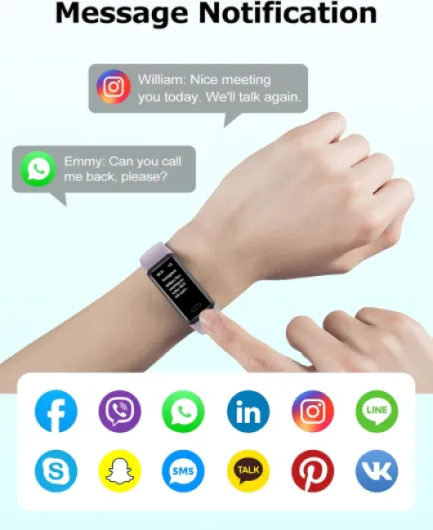
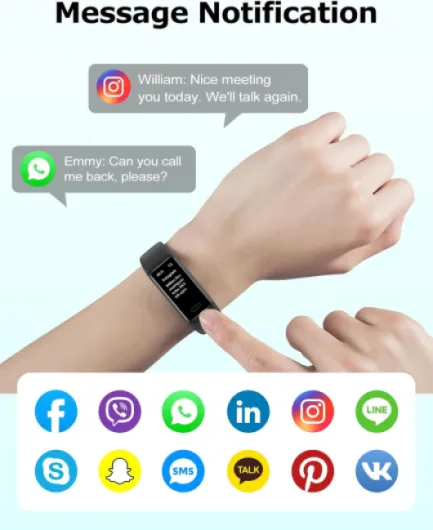
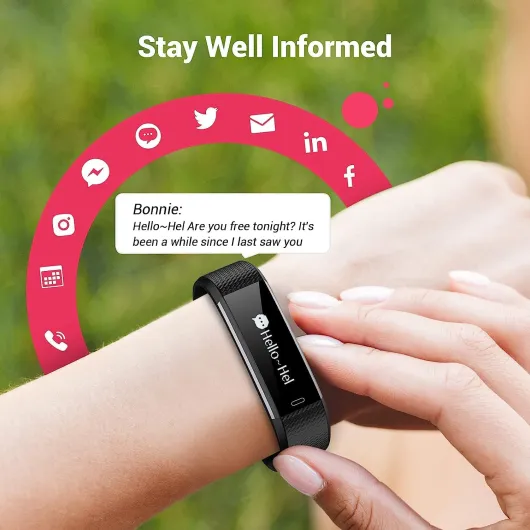
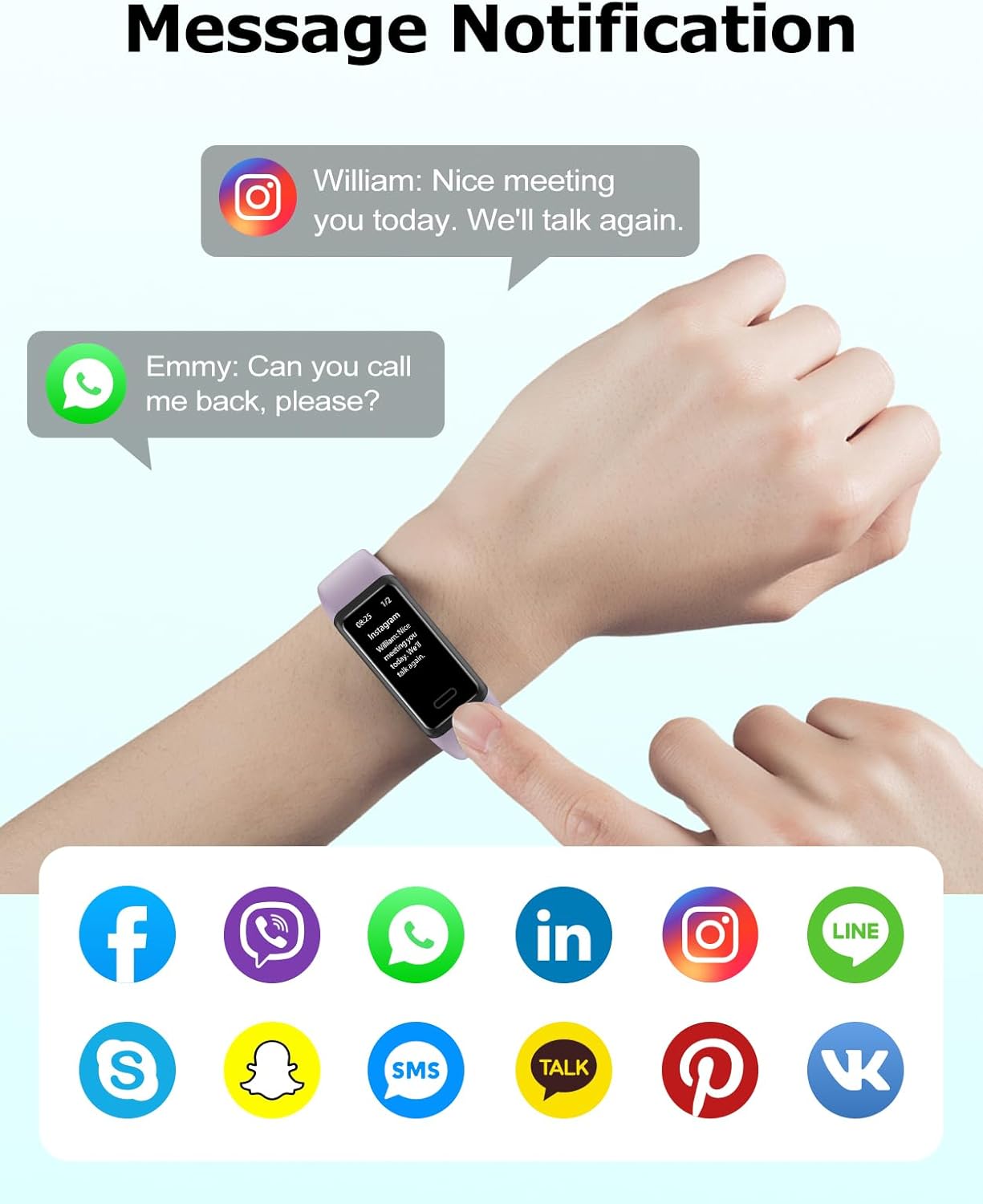
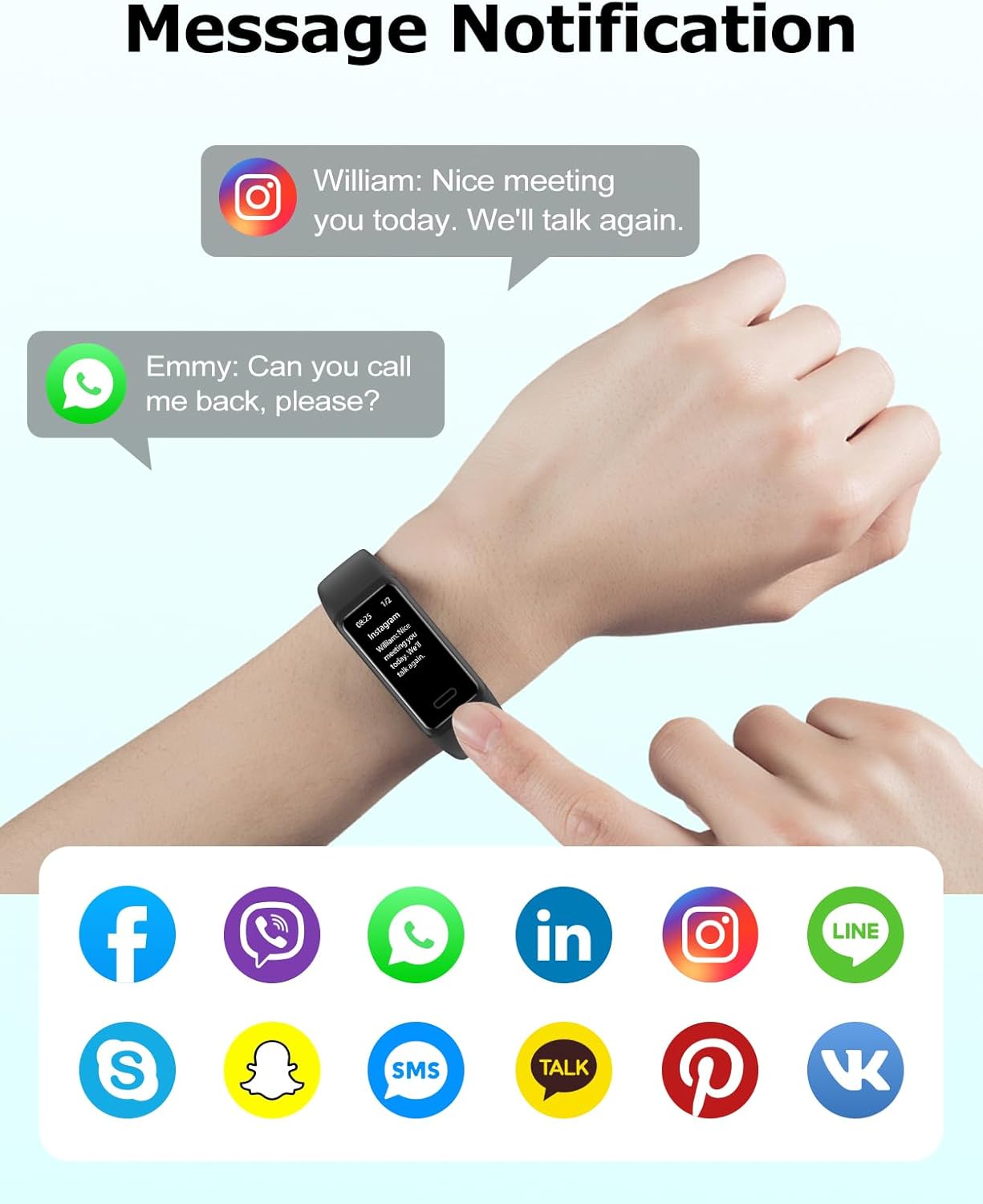
Notification control is especially important if you want a calmer relationship with your phone and smartwatch. The best fitness trackers with smartphone notifications allow you to choose specific apps, mute alerts during sleep, and prioritise calls from key contacts only. This level of control turns your watch series device, whether an Apple Watch, Pixel Watch, or Galaxy Watch, into a focused assistant rather than a constant source of distraction, and it helps you build a healthier boundary between urgent information and background noise.
Price, value, and where to buy: from amazon to specialist retailers
Price differences between the best fitness trackers with smartphone notifications can be significant, so value matters as much as headline features. High end smartwatch models such as the latest Apple Watch or Galaxy Watch often cost several times more than a basic fitness tracker, largely because of premium materials, larger screens, and advanced sensors. Mid range options like a Fitbit Charge band or certain Pixel Watch configurations can offer strong fitness tracking and sleep tracking without the very highest price tags, making them appealing for buyers who want robust health features but do not need every premium app.
Many shoppers start their search on Amazon or other large online retailers, where you can compare price, battery life claims, and customer reviews in one place. When reading reviews, focus on long term comments about battery performance, notification reliability, and comfort during sleep, rather than only first impressions. A watch with glowing early reviews but frequent complaints about declining battery life after a few months may not be the best investment for everyday health and fitness tracking, especially if you plan to wear it overnight for sleep analysis.
Specialist sports retailers and brand stores can provide hands on testing, which helps you judge how a watch with smartphone notifications feels on your wrist. Trying an Apple Watch, Galaxy Watch, or Fitbit Charge in person lets you check screen brightness, strap comfort, and how quickly notifications appear when paired with your own phone. Combining this experience with careful online research about health metrics, heart rate tracking accuracy, and typical sale prices gives you a more complete view of real world value.
Everyday life with a notification ready fitness tracker on your wrist
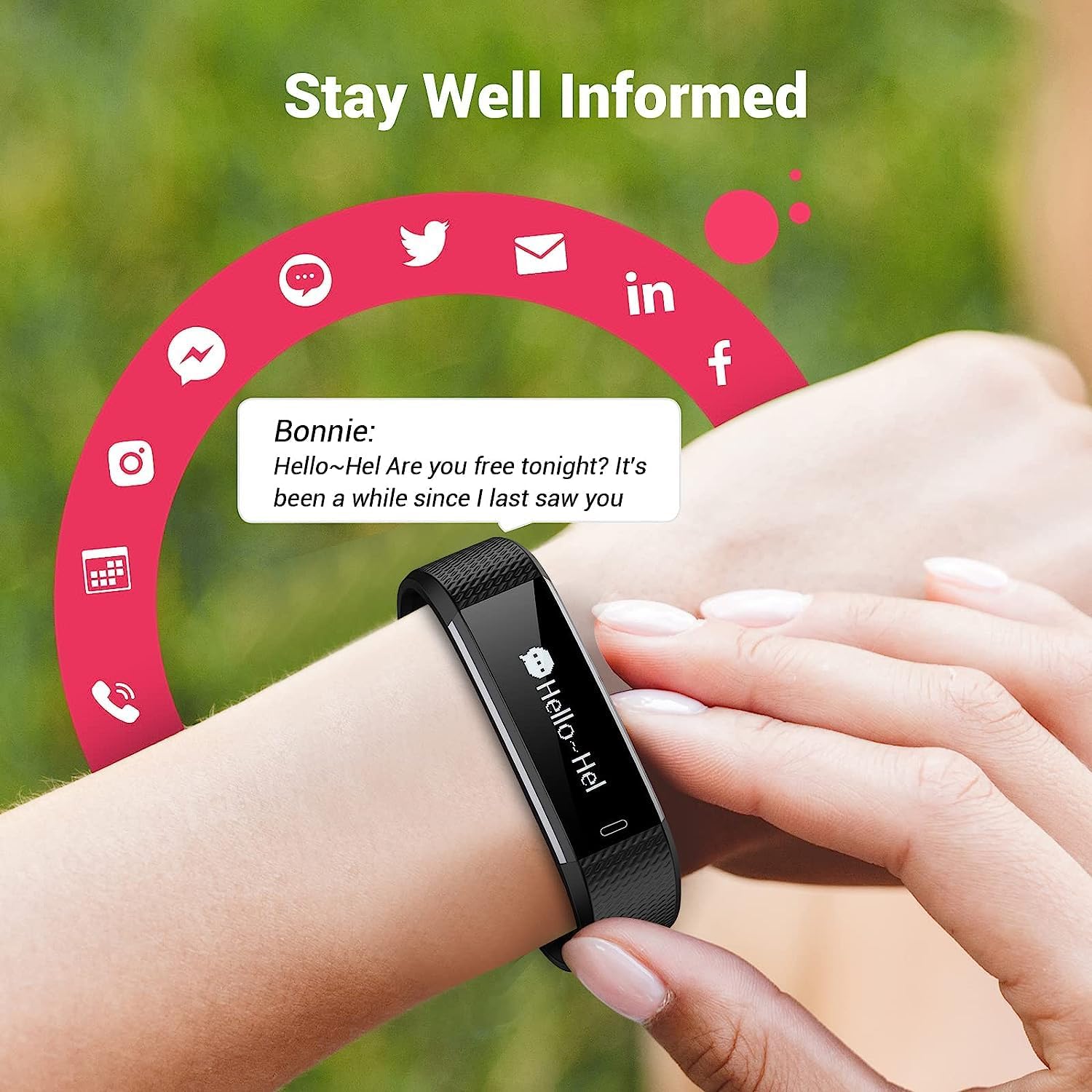
Living with one of the best fitness trackers with smartphone notifications quickly changes how you interact with your phone. Instead of pulling out your handset for every vibration, you glance at your watch, read the alert, and decide whether it deserves attention right now. This small shift reduces screen time and helps you stay present during workouts, meetings, and family time, while still catching genuinely important calls or messages.
During exercise, a smartwatch fitness device or slim tracker quietly combines heart rate, GPS, and motion data while still handling incoming calls and messages. You can reject a call from your wrist, skim a text, and keep running without breaking stride or losing your tracking session, and many devices will automatically pause and resume workouts when you stop at traffic lights. At night, the same device switches into sleep tracking mode, recording sleep stages and heart rate trends while muting most notifications except truly urgent ones.
Over weeks and months, the app linked to your watch with smartphone notifications builds a detailed record of your health metrics. You start to see how stress, training load, and sleep interact, and how small changes in daily life affect your heart rate and recovery. When a fitness tracker or smartwatch helps you notice these patterns without overwhelming you with constant alerts, it becomes more than a gadget and turns into a practical partner for long term health, guiding you toward realistic goals instead of quick fixes.
Key figures about fitness trackers and smartphone notifications
- Global smartwatch and fitness tracker shipments exceeded 200 million units in 2023 according to IDC’s Worldwide Quarterly Wearable Device Tracker, showing how mainstream wrist based health tracking has become; IDC’s public summaries attribute much of this growth to demand for integrated health sensors and notification features.
- Surveys from major consumer research firms such as Pew Research Center and Deloitte indicate that more than half of smartwatch owners cite smartphone notifications for calls and messages as a primary reason for wearing their device daily, with Deloitte’s Global Mobile Consumer Survey reporting that alerts and quick glances are among the top everyday use cases.
- Studies on wearable adherence, including research published in the journal npj Digital Medicine, show that devices with at least three days of battery life are worn significantly more often overnight, which directly improves the accuracy of long term sleep tracking data and reduces gaps in daily step and heart rate records.
- Heart rate monitoring is now included in the vast majority of fitness trackers and smartwatches, and continuous heart rate tracking has been linked to better detection of abnormal patterns when combined with medical follow up in studies referenced by the American Heart Association, particularly for conditions such as atrial fibrillation.
- Independent tests by technology reviewers such as DC Rainmaker and Wirecutter regularly find that built in GPS in modern fitness trackers can map outdoor runs within a margin of a few percent compared with dedicated handheld GPS units, which is sufficient for most recreational athletes and casual runners who mainly care about route shape and approximate pace.