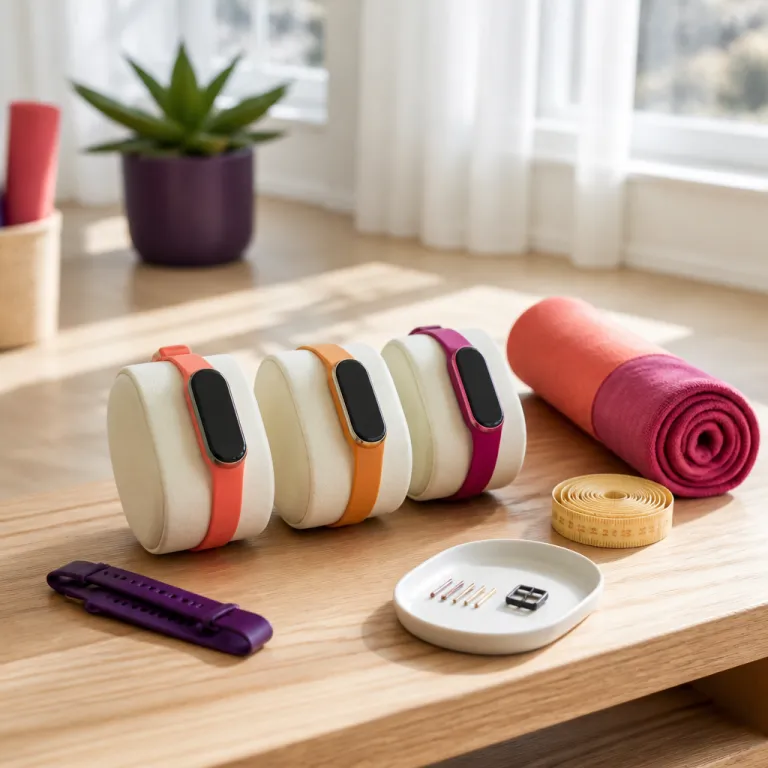
Why the best fitness tracker for small wrists starts with fit, not apps
A fitness tracker that swims around a small wrist will lie. When the optical sensor on the back of a watch loses skin contact, heart rate and health tracking data jump around wildly, so even the most advanced gps chip or sleep algorithm cannot rescue bad contact. If you want the best fitness tracker for small wrists, you must treat size and strap design as non negotiable, then look at features and price only after you know the device will stay put.
Most buyers focus on smartwatches, apps and fancy displays, yet the physics of light based rate monitoring are brutally simple. The green PPG LEDs and photodiodes on any fitness tracker or smart watch need consistent pressure against the wrist, which is much harder to achieve on very small wrists where a standard band leaves a gap or forces you to punch extra holes. Loose watches small enough to spin during a run will under report heart rate during intervals, over report calories, and turn fitness tracking into a guessing game rather than a reliable guide.
For anyone with a small wrist under about 150 millimetres, the best fitness tracker small wrists question is not academic. A watch small enough to sit flat and centred on the top of the wrist will instantly improve heart rate stability, gps pace smoothing and all day health tracking, while a chunky case with a stiff leather band will dig into the bone and slide toward the hand. That is why the most useful reviews for fitness trackers and smart watches now talk about case size, lug to lug length and strap adjustability as much as battery life or app ecosystems.
How to measure your wrist and read size specs that brands bury
Before you compare any watch or band, you need one number. Wrap a soft tape measure snugly, not tightly, around the narrowest part of your wrist, then write down the measurement in millimetres because every serious brand lists strap size ranges that way. If you do not own a tape, cut a strip of paper, mark the overlap, then measure that strip against a ruler to know whether you truly have a small wrist or fall closer to the average range.
Once you know your wrist size, you can read the fine print on fitness trackers and smartwatches with more confidence. Garmin, Fitbit and Apple all publish strap ranges, but they hide them in support pages that many amazon shoppers never see, which is why so many reviews complain about a watch small enough in theory but still loose on very small wrists. As a rule of thumb, if your wrist is under 140 millimetres, you should avoid any case over about 40 millimetres wide and look for bands that officially start at 110 to 120 millimetres circumference.
For example, the garmin lily is rated for wrists from roughly 110 to 175 millimetres, which makes this watch small enough for many teenagers and adults with narrow frames. The fitbit luxe band fits wrists from about 140 millimetres upward, while the fitbit inspire line offers both small and large bands in the box, giving you more flexibility if your size changes with training or weight loss. If you want a broader overview of how these measurements compare across a wide range of fitness trackers and smart watches, a detailed guide to the best trackers for every budget and every wrist can help you sanity check the numbers before you buy.
Slim bands versus small watches versus rings: which form factor really suits tiny wrists
When you shop for the best fitness tracker small wrists, you are really choosing between three shapes. First are slim bands like the fitbit luxe, fitbit inspire and Xiaomi Smart Band series, which keep the display narrow and the weight low so they hug a small wrist without overhanging the edges. Second are compact watches small enough to look like jewellery, such as the garmin lily or the smaller 41 millimetre apple watch, which add more features but risk feeling tall on very small wrists.
The third category is smart rings, which dodge the wrist size problem entirely by moving fitness tracking sensors to your finger. Devices like the Oura Ring or the Samsung Galaxy Ring use the same optical heart rate and rate monitoring technology as a watch small enough for a child, but they distribute weight around the finger and never fight with jacket cuffs or laptop edges. For many people with small wrists who hate the feeling of any band or watches small enough to pinch, a ring can be the most comfortable way to get continuous health tracking and sleep data.
Each form factor has trade offs in features, battery and display readability. Slim bands usually offer basic gps via your phone, simple notifications and solid step tracking, but their tiny displays can feel cramped for detailed data during workouts, especially if your eyesight is not perfect. Compact smart watches such as the garmin venu or an entry level apple watch bring brighter screens, on board gps and richer fitness tracking, yet they cost more, weigh more and can still look oversized on a truly small wrist, which is why some buyers now compare them directly with affordable alternatives like the Xiaomi Watch line when deciding how much watch they really need.
The standout models that actually fit small wrists without sliding
Among traditional fitness trackers, the fitbit luxe remains one of the safest bets for a small wrist. Its stainless steel case is only about 36 millimetres long, the supplied small band fits many wrists down to roughly 140 millimetres, and the colour display stays legible despite the narrow shape, so you can still read heart rate and step data at a glance. Battery life runs several days in real use, though enabling always on display or continuous SpO2 tracking will shorten that, as with every small tracker.
If you want a watch small enough to look like jewellery, the garmin lily is the most small wrist friendly garmin model right now. The case measures about 35 millimetres, the strap range officially covers very small wrists, and the patterned lens hides a monochrome display that lights up only when you raise your arm, which keeps the look subtle in an office. You give up on board gps and some advanced training metrics compared with a garmin venu or Forerunner, but you still get reliable heart rate, Body Battery style energy estimates and all day health tracking in a package that does not dwarf your wrist.
For buyers who want more smartwatch power, the 41 millimetre apple watch and the smaller fitbit versa models sit on the edge of what many small wrists can tolerate. On a wrist around 150 millimetres, these smart watches can fit securely with the right sport band, but on narrower wrists they may still overhang and catch on sleeves, especially if you pair them with a stiff leather band instead of a soft silicone strap. If you are extremely size sensitive or your wrists are under 135 millimetres, a ring based tracker or a very slim band will usually feel better and keep the sensors more stable during intense fitness tracking.
Straps, materials and aftermarket bands that save a borderline fit
Even the best fitness tracker small wrists can fail if the strap is wrong. The default silicone band on many fitness trackers is designed for average wrists, which means the last holes often leave a small wrist either slightly loose or uncomfortably tight. When that happens, the watch slides during workouts, heart rate data drifts, and you start to question whether the tracker or your body is at fault.
Material choice matters as much as case size for a watch small enough to wear all day. Silicone bands are light and sweat friendly, but they stretch over time, so a fit that felt perfect on day one can become sloppy after a few months of daily fitness tracking and sleep wear. Woven nylon or fabric straps adjust more precisely on small wrists and tend to breathe better at night, while a well made leather band can look elegant on a small wrist but may feel stiff until it breaks in and is rarely ideal for intense training sessions.
If you sit between official strap sizes, aftermarket options can rescue a borderline fit on many smartwatches and smart watches. The apple watch, fitbit versa, fitbit inspire and several garmin models accept third party bands, including shorter straps specifically cut for small wrists, though you should always check reviews for any band that claims to be sized for a watch small enough for children. Quick release pins on devices like the garmin venu make swapping bands trivial, and a high quality replacement strap often costs a fraction of the original price while transforming both comfort and the stability of your health tracking sensors.
How to balance features, battery life and price when your wrist is tiny
Once you know which models actually fit your small wrist, the next step is to weigh features against budget. A slim band like the fitbit inspire or Xiaomi Smart Band will usually cost far less than a full smart watch, yet still deliver accurate step counts, basic heart rate tracking and silent alarms, which may be all you need if you are starting a fitness journey. At the other end of the spectrum, a compact garmin venu or apple watch packs on board gps, contactless payments and a bright display, but you pay more in both price and battery life, especially if you enable every health tracking option.
Think about how you actually train before you chase specs. Runners and cyclists who care about pace and route accuracy should prioritise on wrist gps and robust fitness tracking metrics, even if that means choosing a slightly larger watch that still fits securely with a good band. Walkers, strength trainers and people focused on sleep and stress may be better served by a lighter fitness tracker that emphasises all day comfort, long battery life and clear data visualisation over dozens of sports profiles they will never use.
Finally, remember that reviews on amazon and other retailers often mix complaints about app bugs with issues that really stem from poor fit on small wrists. When you read user reviews for fitness trackers and smartwatches, filter for comments from people who mention wrist size, strap holes or sliding during workouts, because their experience will mirror yours more closely than a generic five star rating. The best fitness tracker small wrists is the one you forget you are wearing until it gently nudges you to move, not the one with the longest spec sheet or the loudest marketing claims.
Key statistics about small wrists and fitness trackers
- Average female wrist circumference typically ranges from about 140 to 165 millimetres, while average male wrists run from roughly 165 to 190 millimetres, which means many standard watch bands are optimised for sizes that leave very small wrists underserved.
- Optical heart rate sensors can see error rates climb significantly when strap tightness varies, with studies showing that loose wear during running can increase heart rate deviation by more than 10 beats per minute compared with a snug fit.
- Compact models like the garmin lily are specified to fit wrists from approximately 110 to 175 millimetres, giving them a much wider usable range for small wrists than many mainstream smartwatches that start closer to 140 or 150 millimetres.
- Ring based trackers such as Oura typically offer sizes from about 50 to over 70 millimetres inner circumference, which allows people with very small wrists but proportionally sized fingers to bypass wrist fit issues entirely.
- Battery life claims for small fitness trackers often assume minimal use of gps and always on display, and real world testing commonly shows reductions of 20 to 40 percent when continuous health tracking features are enabled.
FAQ
How tight should a fitness tracker be on a small wrist
A fitness tracker on a small wrist should sit snugly without pinching. You should be able to slide a fingertip under the band, but the watch should not move more than a few millimetres when you shake your hand. For workouts, many people get better heart rate accuracy by tightening the band one extra hole, then loosening it again for everyday wear and sleep.
Are watches like the apple watch too big for very small wrists
The smaller 41 millimetre apple watch can work on wrists around 140 to 150 millimetres, especially with a soft sport band. On wrists under about 135 millimetres, the case often overhangs the edges and can feel bulky, even if the strap technically fits. In that situation, a slimmer band style tracker or a ring based device usually looks and feels more proportional.
Do I really need gps on a fitness tracker for a small wrist
On wrist gps is essential only if you care about precise pace and route maps without carrying a phone. Many slim bands and small watches use connected gps, which means they borrow your phone’s signal while still logging distance and basic pace. If you mostly walk, do gym workouts or track sleep and stress, you can safely prioritise comfort, battery life and health tracking over built in gps.
Can I fix a loose fit with a different band instead of buying a new watch
In many cases, yes, a better band can rescue a borderline fit on small wrists. Look for shorter third party straps, especially fabric or nylon options, that are explicitly sized for small wrists and compatible with your watch’s lug or quick release system. Swapping a stiff leather band for a softer, more adjustable strap often improves both comfort and heart rate stability.
Are smart rings as accurate as wrist based fitness trackers
Smart rings use similar optical sensors for heart rate and often match wrist based trackers for resting heart rate and sleep trends. During intense exercise, some rings can lag slightly because fingers move and swell more, but they avoid the sliding problems that plague watches on very small wrists. For people who mainly care about sleep, recovery and all day health tracking, a well fitted ring can be just as informative as a traditional fitness tracker.