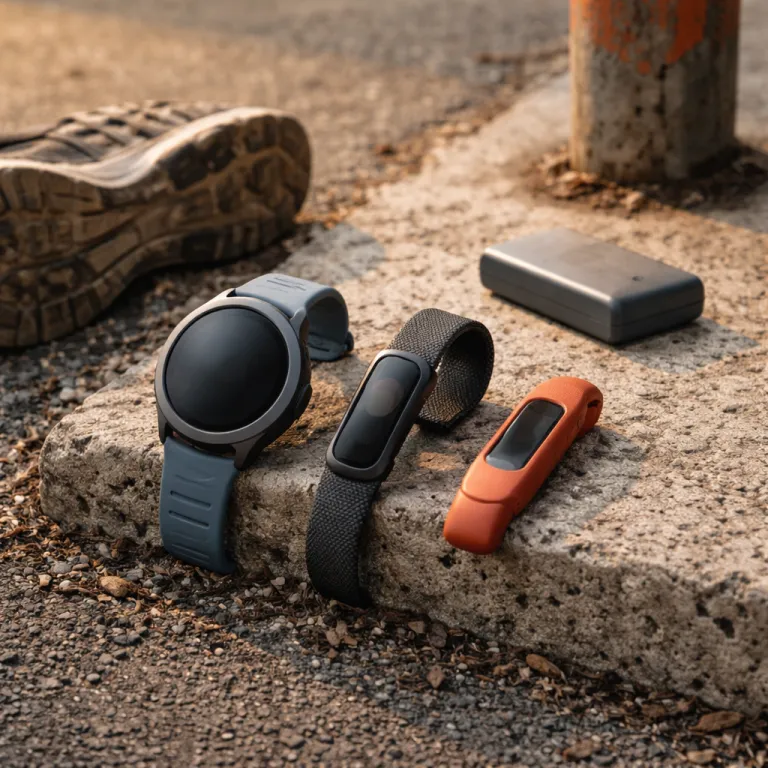
Section 1 – What “best fitness tracker for running” really means
The best fitness tracker for running is not the flashiest watch. It is the running watch that nails GPS accuracy, heart rate reliability and battery life on your actual routes. Everything else, from smart notifications to contactless payments, is secondary for serious training.
When I test fitness trackers, I wear two or three watches on the same run and compare the gps tracks and heart rate curves afterward. That is how differences between a garmin forerunner, an apple watch and a cheaper fitness tracker become obvious, especially when pace changes or when you run under trees. A good running watch should keep your training data clean enough that you trust every kilometre, not just the average pace at the end.
Think first about your typical running: short city runs, long trail outings or a mix of both. Urban runners need strong multi band gps to fight signal bounce between tall buildings, while trail runners care more about hours of continuous tracking and a readable screen in bright sun. If you only jog three times a week, the best fitness tracker for running will be different from the best running tool for a marathon build.
Section 2 – GPS accuracy: where garmin, apple and coros pull ahead
For pure gps accuracy, the current leaders are garmin, apple and coros watches. Dual frequency and multi band positioning in models like the garmin forerunner 265, the apple watch ultra and the coros pace 3 give cleaner tracks in cities and forests. When you compare running watches side by side, the cheaper single band gps devices often cut corners on tight turns or under bridges.
On my test loop through narrow streets and a riverside tunnel, the apple watch ultra and the coros pace 3 stayed almost perfectly on the path. A mid range garmin running watch with multi band gps did nearly as well, while an older fitness tracker without those features drifted several metres off course and mis measured intervals. If you care about best running pace data for structured training, that drift matters more than any bright amoled screen or fancy watch face.
Trail runners who also hike will benefit from the same technology on longer days out. If you are comparing top fitness trackers for hiking and running, look for multi band gps support, offline maps on higher end garmin fenix or suunto models and at least 20 hours of accurate tracking. A watch that keeps a stable gps rate in the mountains will usually be rock solid on your local park loop.
Section 3 – Battery life and long run reliability
Battery life is the quiet hero of every fitness tracker for running. A watch that dies at kilometre 35 of your marathon is worse than no watch at all, because you lose both pacing and heart rate feedback when you need them most. That is why I always test battery claims with always on gps and realistic screen brightness, not lab style settings.
Garmin tends to lead here, especially with models like the garmin enduro and the garmin fenix series that stretch gps tracking into dozens of hours. Even mid range garmin forerunner watches usually offer enough battery life days for several runs before charging, while the apple watch and the apple watch ultra trade some endurance for a richer app ecosystem and brighter screens. Coros watches such as the coros pace 3 sit in a sweet spot, with multi band gps and impressive hours of tracking for the price, making them some of the best fitness options for budget conscious runners.
If you want a deeper breakdown of how different brands balance smart features, battery and training tools, look at this guide to the best fitness tracker for every budget and wrist on a specialist review site. The key is to match your longest planned running distance and your typical training volume to realistic battery life, not the marketing headline. Aim for a running watch that can handle at least twice your longest race duration with gps and heart rate enabled, so you are covered for delays and cold weather drain.
Section 4 – Heart rate accuracy: wrist sensors versus chest strap
Optical heart rate sensors on the wrist have improved, but they still have limits. During easy running, most modern fitness trackers from garmin, apple, suunto and coros track heart rate within a few beats of a chest strap. Once you push above threshold or add fast intervals, errors grow and the best fitness tracker for running can suddenly look less impressive.
In my interval tests at high cadence, the apple watch and a garmin forerunner both lagged several seconds behind a paired chest strap when pace changed sharply. Coros and suunto watches behaved similarly, with occasional spikes or drops when sweat built up or the watch loosened slightly on the wrist. That is why serious training plans for best running performance still recommend pairing your running watch with a separate chest strap for key sessions, even if day to day tracking stays on the wrist.
For most recreational runners, the combination of a good optical sensor and occasional chest strap use is enough. Use the strap for track intervals, tempo runs and races, then rely on the watch alone for easy mileage and life logging. If you are curious how far wrist based coaching can go, some detailed analyses of AI coaching on your wrist explain where heart rate, HRV and training readiness metrics genuinely help and where they become glorified notifications.
Section 5 – Choosing between garmin, apple, coros and suunto
Garmin remains the safest choice if your priority is running first and smart features second. The garmin forerunner line offers the best balance of gps accuracy, battery life and training tools for most people, while the garmin fenix and garmin enduro families add tougher cases and longer hours for mountain runners. These watches integrate well with platforms like Strava and TrainingPeaks, making structured training and post run analysis straightforward.
The apple watch shines if you live deep in the Apple ecosystem and want one device for life, work and running. The standard apple watch models are perfectly adequate fitness trackers for short to medium runs, while the apple watch ultra adds dual frequency gps, a bigger battery and a brighter screen that rivals any bright amoled panel from sports focused brands. You sacrifice some ultra long battery life compared with a dedicated running watch, but you gain everyday convenience and richer non fitness apps.
Coros and suunto target runners who value durability and long gps sessions over glossy interfaces. A coros pace watch offers multi band gps, strong tracking features and long battery life days at a lower price than many competitors, while suunto watches appeal to outdoor athletes who mix running with hiking and navigation heavy adventures. If you want the best fitness tracker for running that also feels comfortable on a small wrist, pay close attention to case size, weight and strap comfort across all these brands.
Section 6 – Screens, comfort and the small details that matter
Once you have narrowed down gps, heart rate and battery, the final tie breakers are comfort and readability. A running watch lives on your wrist for hours, so a lighter case and a soft band can matter more than one extra training metric. Heavy metal watches may look premium but can bounce on faster running, especially for smaller runners.
Screen technology has also become a key differentiator among fitness trackers. Transflective displays on many garmin forerunner and garmin fenix models stay readable in bright sun and sip power, while bright amoled screens on some newer watches and the apple watch family look stunning but eat into battery life. During night or early morning running, a clear screen with large digits is more important than colourful animations, because you want to glance at pace and heart rate without breaking stride.
Do not ignore strap options and replacement availability, because a broken band can sideline even the best fitness tracker for running. Some watches use standard spring bars, making it easy to swap in a new band gps friendly strap, while others rely on proprietary connectors that limit choice. In the end, the best running watches are the ones you forget you are wearing until they buzz for your next interval, quietly turning your daily life into usable training data.
Key statistics about running watches and fitness trackers
- Industry reports from major research firms show that more than half of dedicated runners now use a fitness tracker or running watch regularly, reflecting a steady rise in data driven training over the past decade.
- Independent lab tests on popular gps watches often find average distance errors of around one to two percent on open roads, but those errors can climb significantly in dense urban areas without multi band gps support.
- Studies comparing wrist based optical heart rate sensors with chest strap monitors typically report higher accuracy at low to moderate intensities, with error rates increasing notably during high intensity intervals and rapid pace changes.
- Battery life claims from manufacturers are usually based on ideal conditions, and real world testing with always on gps and higher screen brightness can reduce those headline hours by a noticeable margin.
- Surveys of wearable owners consistently show that comfort, strap durability and ease of reading the screen while moving are among the top reasons people keep or abandon a particular watch model.
FAQ
What is the single most important feature in a fitness tracker for running ?
The most important feature is reliable gps accuracy, because it underpins your pace, distance and route data. Without solid tracking, even the best training plan becomes guesswork. Once gps is solid, you can weigh heart rate quality, battery life and smart features according to your needs.
Do I really need multi band gps on my running watch ?
Multi band gps is most useful if you run in cities with tall buildings, under dense tree cover or in deep valleys. In those environments, dual frequency positioning reduces signal bounce and keeps your tracks closer to reality. If you mostly run on open roads or tracks, a good single band gps watch can still serve you well.
Is a chest strap necessary if my watch has optical heart rate ?
A chest strap is not mandatory for casual runners, but it remains the gold standard for high intensity work. Wrist based optical sensors struggle with rapid changes in heart rate and high cadence, which can distort interval data. Many runners use the watch alone for easy runs and add a chest strap for key workouts and races.
How much battery life should I look for in a running watch ?
Choose a watch that can comfortably cover at least twice your longest planned event with gps and heart rate enabled. For most half marathon and marathon runners, that means aiming for ten to twenty hours of continuous tracking. Ultra runners or multi day hikers should look for models that offer dozens of hours or smart battery modes.
Are bright amoled screens worth the impact on battery life ?
Bright amoled screens are easier to read indoors and make smart features feel more phone like. For runners who value long battery life and outdoor readability, transflective displays still offer a strong balance. If you charge daily and want a single device for life and training, an amoled based watch can be a good compromise.