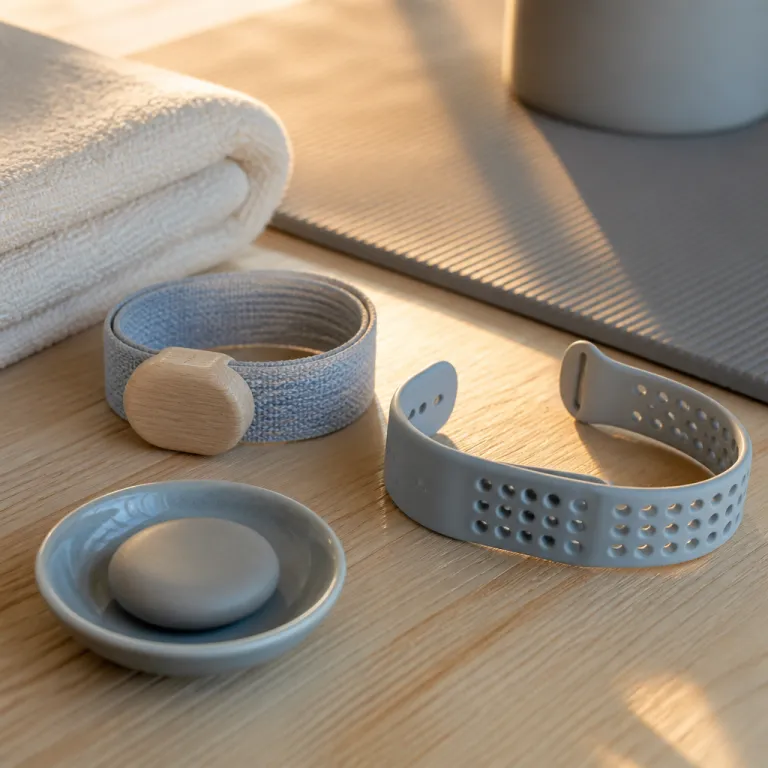
The screenless fitness tracker trend can look like a step backward at first. Yet for many data driven runners and cyclists, these display free fitness bands feel like a reset that finally respects focus, form, and long term health. When you stop staring at your wrist every few minutes, you start paying attention to your body again.
Screenless fitness trackers strip the experience down to sensors, algorithms, and a good mobile app instead of tiny notifications. This emerging category is less about saving money on displays and more about rethinking how we relate to health data during activity. The result is a calmer training day, with fewer distractions and more meaningful monitoring.
Think about how you currently use a smartwatch or classic fitness tracker during a run. You glance at pace, heart rate, and activity tracking dozens of times, which fractures your attention even if the devices feel helpful. Advocates of screenless fitness trackers argue that you should collect the same health data, then review it in detail later when your brain is not gasping for air.
Whoop has pushed this philosophy hardest, turning its screenless fitness trackers into 24 hour monitoring bands that almost vanish on the wrist. The Whoop 4.0 focuses on heart rate variability (HRV), strain, and sleep tracking, then sends all that tracking data into a premium app instead of a watch face. According to Whoop’s published specs at launch, the band is rated for up to five days of battery life under typical use, supports wireless charging via a slide on battery pack, and offers continuous heart rate monitoring, so you get deep analysis of recovery, sleep, and activity without the constant temptation to swipe.
Fitbit is now leaning into the same screenless fitness tracker trend with the Fitbit Air, a tiny band that looks more like a medical grade sensor than a smartwatch. Fitbit has not released full technical documentation yet, but early company statements and preview materials describe a device with roughly seven days of battery life, AI coaching in the phone app, and a body that is about a quarter smaller than the Fitbit Luxe. It is a fitness tracker that assumes your phone is the real screen, while the band is just the quiet data collector.
Garmin is rumored to be working on a screenless device called Garmin Cirqa, which would join this display free fitness tracker trend from a more performance focused angle. Reporting from wearable tech outlets and analyst notes suggests that Garmin Cirqa would target endurance athletes with long battery life and advanced activity tracking. If it arrives without a subscription, it will likely land directly between Whoop and a traditional Garmin Forerunner, offering serious health metrics and heart rate monitoring without another monthly fee.
Removing the display changes the engineering priorities of these devices in a big way. Without a screen, designers can shrink the band, improve battery life, and focus on sensor accuracy instead of animations. The screenless fitness tracker trend is really a shift from glanceable widgets to quiet, continuous monitoring that runs in the background.
Battery life is the most obvious win, because displays are power hungry even when dim. Many screenless fitness trackers last two to three times longer than comparable devices with bright screens, especially when heart rate and sleep tracking run all day. That extra battery life means fewer charging days, more consistent activity tracking, and less chance you forget to put the tracker back on.
For a data driven amateur athlete, that consistency matters more than any single feature. If your fitness tracker dies midweek, your training load, recovery scores, and sleep tracking all become less reliable. The screenless fitness tracker trend quietly solves this by trading flashy watch faces for simple bands that just keep recording.
There is also a behavioral argument behind the move away from screens. Most smartwatch glances last only a second or two, but they stack up into dozens of micro interruptions every day. Over time, those interruptions can pull you out of flow during activity, sleep, and even quiet recovery days.
Screenless fitness trackers try to break that loop by removing the visual cue entirely. You still get heart rate, activity, and sleep data, but you only see it when you open the app on your phone. This makes the fitness tracker feel more like a background medical grade monitor and less like a tiny entertainment device.
For many people, the choice now feels less like fitness tracker versus smartwatch and more like screenless band versus full display watch. A smartwatch such as an Apple Watch or a Samsung Galaxy Watch gives you apps, calls, and notifications on the wrist. A screenless fitness tracker band gives you health data, heart rate monitoring, and activity tracking with almost no visible interface.
If you are already using an Apple Watch, you probably rely on Apple Health to centralize your fitness data. Adding a screenless fitness tracker or smart ring on the other wrist can deepen your sleep tracking and recovery insights without duplicating notifications. This is where the screenless fitness tracker trend blends nicely with existing ecosystems instead of trying to replace them.
In the same way, Android users can pair screenless fitness trackers with Google Health and other fitness apps. A band such as Fitbit Air or a Whoop strap can feed continuous heart rate and activity data into a free app that already stores your runs and rides. The result is a layered system where your phone is the dashboard and the band is the sensor.
Smart rings sit in the same design family as screenless fitness trackers, even if they look very different. A smart ring focuses on sleep tracking, heart rate, and recovery, then sends everything to an app just like a band. For athletes who hate wristbands, a smart ring can be the most comfortable way to join the screenless fitness tracker trend.
When you compare fitness trackers and smartwatches, the first big difference is how you interact with them during the day. A smartwatch expects you to tap, swipe, and respond, while a screenless fitness tracker expects you to forget it is there. That difference shapes your relationship with health data more than any single sensor spec.
Fitness trackers, especially screenless ones, are built around continuous monitoring of heart rate, sleep, and daily activity. Smartwatches add messaging, payments, and third party apps, which can be helpful but also distracting. If your main goal is better training and recovery, the screenless fitness tracker trend pushes you toward simpler devices that prioritize accuracy and battery life.
Smartwatches still have a strong case for people who want one device to do everything. An Apple Watch can track runs, show maps, handle calls, and sync with Apple Health in one polished package. For many buyers, that convenience outweighs the shorter battery life and extra screen time.
However, the more serious your training becomes, the more you may feel the limits of a smartwatch. Short battery life can cut long runs, multi day hikes, or triathlon weekends, especially when GPS and continuous heart rate tracking are active. The screenless fitness tracker trend responds by offering bands that last many days, even with intense activity tracking and sleep monitoring enabled.
Accuracy is another dividing line between fitness trackers, smartwatches, and screenless bands. Some smartwatches prioritize bright displays and slim designs over the most stable heart rate sensors, which can drift during high cadence intervals. Screenless fitness trackers can devote more space to sensors and battery, which often improves heart rate accuracy during both activity and sleep.
Whoop, for example, has tuned its band for recovery metrics such as HRV and resting heart rate rather than flashy workout screens. That focus makes the Whoop band feel closer to a medical grade monitor than a casual fitness band, even if it still has limitations. The screenless fitness tracker trend encourages this kind of specialization instead of trying to be a tiny phone on your wrist.
Fitbit Air takes a slightly different approach by leaning on AI coaching in the app. The band itself handles heart rate, activity, and sleep tracking, while the phone app translates that data into training suggestions and women’s health insights. This split lets Fitbit keep the band small and easy to wear while still offering premium guidance.
Battery life is where screenless fitness trackers often beat both classic fitness trackers and smartwatches. Without a display, a band can run heart rate monitoring, sleep tracking, and activity tracking for many days before needing a charge. That reliability is crucial if you want a complete picture of your health data instead of a patchwork of charged and uncharged days.
Many smartwatches struggle to last more than a couple of days with always on displays and frequent notifications. If you add GPS workouts, music, and bright screens, battery life can drop even faster. The screenless fitness tracker trend sidesteps this by treating the band as a low power sensor that rarely leaves your wrist.
Comfort is another underrated advantage of screenless fitness trackers. Without a bulky case or sharp lugs, a slim band or smart ring can disappear under sleeves, gloves, or wetsuits. That makes it easier to wear during sleep, which is essential if you care about long term recovery and activity sleep patterns.
Traditional fitness trackers and smartwatches can feel intrusive at night, especially if the screen lights up with every wrist movement. Screenless fitness trackers avoid this by having no display to flash in your face at three in the morning. You still get detailed sleep tracking, but your bedroom stays dark and your brain stays calmer.
For women’s health tracking, comfort and discretion matter even more. A small band or smart ring that blends with jewelry can feel more acceptable in professional settings than a chunky sports watch. The screenless fitness tracker trend aligns with this need by offering devices that look like simple bands rather than mini phones.
From a design perspective, screenless fitness trackers also simplify the user interface problem. Instead of cramming menus and icons onto a tiny display, brands can invest in a clean phone app with clear graphs and explanations. This makes it easier to interpret complex health data such as HRV, VO2max estimates, and sleep stages.
Apps for screenless fitness trackers often integrate with platforms such as Apple Health and Google Health to centralize your information. A free app that syncs with both iOS and Android ecosystems lets you switch phones without losing your history. This cross platform approach is especially important in the United States, where people frequently change devices and brands.
When you compare specific products, the tradeoffs become clearer. A Fitbit Charge or Garmin Vivosmart offers a small screen with basic notifications, while Fitbit Air and Whoop remove the screen entirely. The screenless fitness tracker trend suggests that many athletes are willing to give up wrist based alerts in exchange for better comfort and battery life.
Whoop positions itself as a premium subscription service rather than a one time purchase. You pay a monthly or annual fee for access to the app, coaching, and advanced recovery metrics, while the band itself is essentially a sensor. This model can feel expensive over many days and months, but some athletes value the depth of data and guidance.
Fitbit Air, by contrast, aims to be a more affordable entry into the screenless fitness tracker trend. With a lower upfront price and a free app tier, it targets people who want solid activity tracking and sleep monitoring without a recurring fee. You still get heart rate data, activity tracking, and women’s health features, but the overall package feels easier on the budget.
Smart bands and fitness bands from other brands also play in this space, though not all are equal. Some cheap activity trackers cut corners on sensor quality, heart rate accuracy, and app design, which undermines the whole point of collecting health data. When you evaluate these devices, focus less on step counts and more on how they handle sleep tracking, heart rate, and long term battery life.
Accuracy is where marketing claims often collide with reality. Many fitness trackers and smartwatches promise precise heart rate and sleep stages, but wrist based PPG sensors still struggle during intense intervals and certain skin tones. The screenless fitness tracker trend does not magically fix physics, yet it does allow brands to optimize sensor placement and strap design for better contact.
A snug, comfortable band that you wear day and night will always produce better data than a loose, flashy watch you keep taking off. This is why Whoop and similar bands emphasize soft straps, multiple sizes, and easy adjustment. The more days you keep the tracker on, the more reliable your activity, sleep, and heart rate trends become.
Medical grade accuracy is still mostly the domain of chest straps, clinical devices, and specialized patches. However, some screenless fitness trackers are edging closer by focusing on consistent monitoring rather than sporadic spot checks. The goal is not to replace a doctor but to give you enough data to notice patterns and ask better questions.
For example, if your resting heart rate and HRV trends shift over several days, a good fitness tracker can flag increased strain or poor recovery. Combined with sleep tracking and activity data, this helps you adjust training before fatigue turns into injury. The screenless fitness tracker trend supports this by making it easier to wear the band continuously without annoyance.
When you weigh fitness trackers against smartwatches, think about your daily habits as much as features. If you already reach for your phone constantly, adding another screen to your wrist may not improve your focus. A screenless fitness tracker can give you the same health data while gently nudging you away from constant checking.
On the other hand, if you want to leave your phone behind during runs or rides, a smartwatch with built in GPS and music might still be the best fit. An Apple Watch or a high end Garmin watch can handle navigation, safety alerts, and workouts without a phone nearby. In that case, you might pair a smartwatch with a screenless band or smart ring for sleep and recovery, using both devices in complementary ways.
Budget also plays a role in this decision. A premium smartwatch with cellular, bright display, and advanced features can cost several times more than a simple fitness band. The screenless fitness tracker trend offers a way to get strong health data, long battery life, and solid activity tracking without paying for a miniature phone on your wrist.
In the United States and other large markets, this has opened a middle ground between cheap step counters and luxury smartwatches. Devices like Fitbit Air, Whoop, and upcoming bands such as the rumored Garmin Cirqa give buyers more nuanced choices. You can now pick a tracker based on how you want to engage with data, not just how many apps it runs.
For the data driven recreational athlete, the most powerful setup may be a hybrid. Use a screenless fitness tracker or smart ring for 24 hour monitoring of heart rate, sleep, and recovery, then add a dedicated sports watch for key workouts. This way, you keep your daily life free from constant wrist glances while still getting rich metrics when it matters.
In that hybrid model, platforms such as Apple Health and Google Health become the glue. Your activity tracker, smart band, and smartwatch all feed data into one place, where you can see long term trends. The screenless fitness tracker trend fits neatly into this ecosystem by acting as the quiet, always on sensor in the background.
Ultimately, the choice between a fitness tracker and a smartwatch comes down to what you value more. If you want fewer screens, longer battery life, and deeper engagement with your own body signals, the screenless fitness tracker trend is worth serious attention. It shifts the focus from what you see every second to what you learn over many days and weeks.
For some, that will feel like giving up control, because you cannot check every metric mid run. For others, it will feel like finally training with their head up, not buried in a glowing rectangle. In the end, it is not the step count that matters, but what you do with the data once you stop staring at your wrist.
Further reading
- Whoop 4.0 product and support documentation
- Fitbit official product pages and help center
- Apple Watch and Apple Health technical overviews