Summary
Editor's rating
Value for money: cheap, functional, but with clear compromises
Design: simple, light, and a bit toy-like
Battery life: the one area where it really shines
Comfort: easy to wear, but the strap and charging are a bit annoying
Durability & waterproofing: fine for daily life, but feels fragile
Performance & tracking: okay for a rough idea, not for data nerds
What this Runlio tracker actually offers (and what it doesn’t)
Pros
- Very low price for a tracker with steps, sleep, and notifications
- Light and comfortable to wear all day and night
- Battery easily lasts around a week on a single charge
Cons
- Step counting and distance are often generous or inaccurate
- Strap removal for USB charging feels fiddly and potentially fragile
- Screen scratches easily and overall build feels cheap

Specifications
View full product page →| Brand | Runlio |
A budget fitness tracker that does the basics… most of the time
I’ve been using the Runlio Fitness Tracker (model ID115U) for a couple of weeks now, wearing it pretty much all day and night except for showers and charging. I bought it as a low-cost backup to my older Fitbit, and also because I wanted something I wouldn’t cry over if it got lost or broken. The price is clearly the main selling point here, so I went in with realistic expectations: basic tracking, basic app, nothing fancy.
In day-to-day use, it does what it says on the tin most of the time: it counts steps, gives you a rough idea of calories, vibrates when you get calls or messages, and tracks sleep in a simple way. It’s not super accurate, and it’s definitely not on the level of bigger brands, but it’s usable if you just want a general idea of how active you are. If you’re obsessed with precise metrics, this will probably annoy you quickly.
The thing that stood out to me immediately was the mix of convenience and small frustrations. I like the built-in USB plug for charging, but removing the strap to access it feels like I’m about to snap the plastic every time. The app (VeryFitPro) is usable but a bit clunky, and some settings are weirdly hidden. So it’s not plug-and-play smooth, but you can get there with a bit of trial and error.
Overall, my first impression is: this is a cheap, no-frills tracker that’s fine if you want something simple and don’t want to spend a lot. It has some clear weak points (accuracy and usability mainly), but for under £20, I wasn’t shocked. The question is more whether these compromises are acceptable for you, and that’s what I’ll dig into below.
Value for money: cheap, functional, but with clear compromises
Let’s be honest: the main reason to buy this Runlio tracker is the low price. It usually sits under £20, which is way below what you’d pay for a Fitbit, Garmin, or even many Chinese budget brands with more features. For that money, you get step tracking, basic sleep tracking, notifications, a stopwatch, sedentary reminders, and a week-long battery. On paper, that’s pretty solid value.
In practice, you feel the cost cuts in a few areas: the step counting is generous and sometimes just wrong when you’re not actually walking, the app is clunky and not very intuitive, the strap feels cheap and awkward to remove for charging, and the screen scratches easily. None of these individually are a disaster, but together they remind you constantly that this is a budget device. If you’re okay with approximate numbers rather than precise data, it still gets the job done as a basic activity nudge.
Compared to something like an entry-level Fitbit (which usually costs several times more), you lose out on heart rate monitoring, better accuracy, nicer materials, and a much better app experience. But if your expectations are simply: “I want a cheap band to count my steps, buzz when my phone rings, and show me roughly how I slept,” then this Runlio does that without draining your wallet. It’s not impressive, but it’s not useless either.
So in terms of value, I’d say it’s good for casual users on a tight budget, students, or as a starter tracker to see if you’ll even use this type of device before spending more. If you already know you care about data accuracy, workout modes, and build quality, you’re better off saving a bit longer for a more serious brand. This one is very much in the “cheap and cheerful” category – functional, but with obvious trade-offs.
Design: simple, light, and a bit toy-like
Design-wise, the Runlio is as basic as it gets. The body is a small plastic capsule that clips into a thin plastic band. The green colour gives it a bit of personality, but it still looks more like a budget fitness band than a watch you’d wear with a nice outfit. The screen is small, with a 160x80 resolution, and only shows one thing at a time – time, steps, calories, etc. You cycle through with a tap on the little touch button at the bottom.
In real life, the screen is fine indoors but not great in bright sunlight. I often had to tilt my wrist and shield it with my hand to see the numbers clearly when walking outside at midday. There’s no auto-brightness, obviously, so you just live with it. The watch face itself is very basic: time, date, and a small icon. No customization, no fancy layouts. Honestly, it feels like something from a few years ago, but again, for under £20 I wasn’t expecting much.
The big advantage of this simple design is weight. It’s very light, to the point where I sometimes forgot I was wearing it. That’s nice for sleep tracking and long days, but it also makes it feel a bit cheap. The plastic body doesn’t give much confidence if you’re rough with your gear. I wouldn’t want to bang this into door frames or gym equipment too often.
One design detail that got on my nerves is the way the capsule plugs directly into USB for charging. To access the USB plug, you have to pull off one side of the strap. On mine, this feels stiff and slightly sketchy every time, like I might snap the band or loosen it over time. Some people will like the “no cable needed” idea, but in practice, it’s not as slick as it sounds. Overall, the design is functional but very basic, with a clear budget feel.
Battery life: the one area where it really shines
The battery is probably the part of this tracker that impressed me the most. Runlio claims about 7 days of battery life, and in my use that’s pretty much what I got. With continuous wear, sleep tracking every night, notifications active, and checking the screen a fair amount during the day, I was consistently hitting between 6 and 8 days on a full charge. That’s honestly better than some more expensive devices I’ve tried.
Charging itself is quick. From low battery, plugging it into a USB port on my laptop or a standard wall adapter took around 1.5 to 2 hours to get back to full. Because you don’t need a cable (it has that built-in USB plug under the strap), you can top it up anywhere you find a USB port – laptop, power bank, TV, whatever. That part is convenient, especially if you tend to misplace charging cables like I do.
The downside, as mentioned earlier, is the strap removal needed to access the USB plug. You have to pull the band off with a bit of force, align it carefully in the USB port, and hope you’ve got the orientation right. More than once I thought it was charging, only to realize the contacts weren’t lined up and the battery hadn’t moved. You get used to it, but it’s not as smooth as dropping a watch on a charging puck.
That said, because the battery lasts a full week, you don’t have to deal with charging very often. I ended up picking one evening a week (usually when I was sitting at the computer) to pop it off, charge it, and forget about it again. If you’re tired of watches that need charging every day or two, this weekly rhythm is pretty comfortable. For a cheap tracker, the battery life is genuinely one of its best points.
Comfort: easy to wear, but the strap and charging are a bit annoying
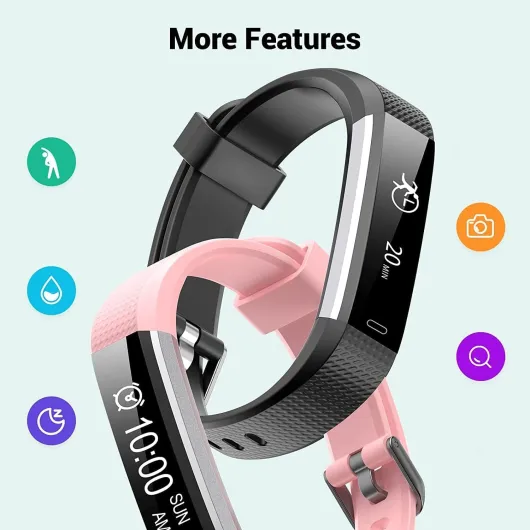
From a comfort point of view, the Runlio is actually one of its stronger points. It’s very light, and the slim band sits flat on the wrist without digging in. I wore it all day at work, during walks, and at night for sleep tracking, and I didn’t get any irritation or pressure marks. Compared to chunkier smartwatches, it basically disappears on your wrist, which is great if you don’t like the feeling of wearing a big device.
The strap uses a standard buckle (tang buckle), so once it’s on, it stays put. No risk of it popping open like some pin-style bands. There are enough holes to fit both smaller and larger wrists. I have a fairly average wrist and sat somewhere in the middle of the range. The plastic material is a bit stiff at first, but it softens slightly after a few days. It’s not luxurious, but for the price it’s okay.
Where comfort takes a hit is the charging system. To charge it, you have to yank one side of the strap off the tracker body to reveal the built-in USB plug. The first few times, I had to pull pretty hard and was genuinely worried I’d break it. Over time it loosened a bit, but it still feels like a weak point. If you have limited hand strength or don’t like fiddly things, this will probably annoy you. You also have to be careful to plug it into the USB port the right way round, otherwise it just doesn’t charge.
For sleeping, it’s decent. I’m usually picky about wearing anything on my wrist in bed, but this one is light enough that I got used to it after a night or two. It doesn’t get overly sweaty either, though if you sweat a lot under the band during workouts, you’ll want to rinse and dry it to avoid skin irritation. In short, comfort is good, but the strap removal for charging is a design choice that makes the whole experience feel more fiddly than it needs to be.
Durability & waterproofing: fine for daily life, but feels fragile
In terms of durability, my experience is mixed. On the positive side, the IP67 rating means it handled splashes, hand washing, and a bit of rain with no problem. I didn’t swim with it (and I wouldn’t risk it regularly), but getting it wet in normal daily situations didn’t cause any issues. I also wore it during workouts where I was sweating a fair bit, and the tracker kept working fine afterwards – just needed a quick wipe down.
The plastic body itself hasn’t cracked or anything, but it does feel like something you need to treat with a bit of care. One Amazon reviewer mentioned it scratching easily, and I agree. After a couple of weeks of normal use – desk work, walks, light chores – I could already see small marks and scuffs on the screen. Nothing that made it unreadable, but it definitely doesn’t stay pristine for long. If you’re rough on your gear, this will show it.
The strap connection is the weak point in my opinion. Because you have to remove one side of the strap for charging, that joint gets stressed a lot more than a normal watch band. Each time I pulled it off, I had that feeling of “Is this the time it finally cracks?” It hasn’t broken yet, but I can see this being the first thing to fail after a few months if you’re not gentle. The plastic clasp has held up so far, but again, it doesn’t feel like something made to last for years.
So overall, I’d say durability is acceptable for the price, but don’t expect miracles. It’s fine for everyday use, office, walking, light exercise, and a bit of water. If you want something to take hiking, swimming, or to the gym every day and really beat up, I’d either treat this one carefully or spend more on a sturdier device. For under £20, if it lasts a year of regular use, I’d call that a win, but I wouldn’t bank on it holding up much longer under heavy use.
Performance & tracking: okay for a rough idea, not for data nerds
This is where things get a bit mixed. The step tracking is usable but not super reliable. On normal walking days, it gave me numbers in the same ballpark as my older Fitbit, but usually a bit higher – sometimes by 10–20%. On one lazy day at home, I noticed it adding steps even when I was just moving my arms while sitting. Not as extreme as the review mentioning 165 steps while still, but you can definitely trigger steps with arm swings that aren’t real walking.
Because distance and calories are based on steps and your profile data (height, weight, etc.), any inaccuracy with steps carries over. I’d say this tracker is fine if you just want to know “Did I move more than yesterday?” but not if you care about precise numbers. For example, on a known 5 km route, it sometimes showed 5.5–6 km. That’s not tragic, but it’s not exact either. There’s no GPS to correct it, so what you see is just an estimate.
Sleep tracking is very basic but consistent. It splits your night into deep sleep, light sleep, and awake time. The times are not perfect. It often thought I fell asleep later than I actually did, and sometimes missed brief wake-ups. But the overall pattern (rough total sleep, rough deep vs light split) was similar from night to night, so you can at least see trends. If you’re just curious whether you’re sleeping 5 hours or 7 hours, it does the job. If you want precise sleep-stage analysis, this is not the tool.
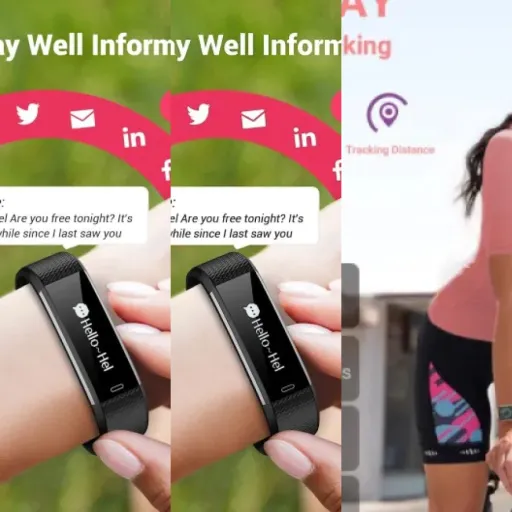
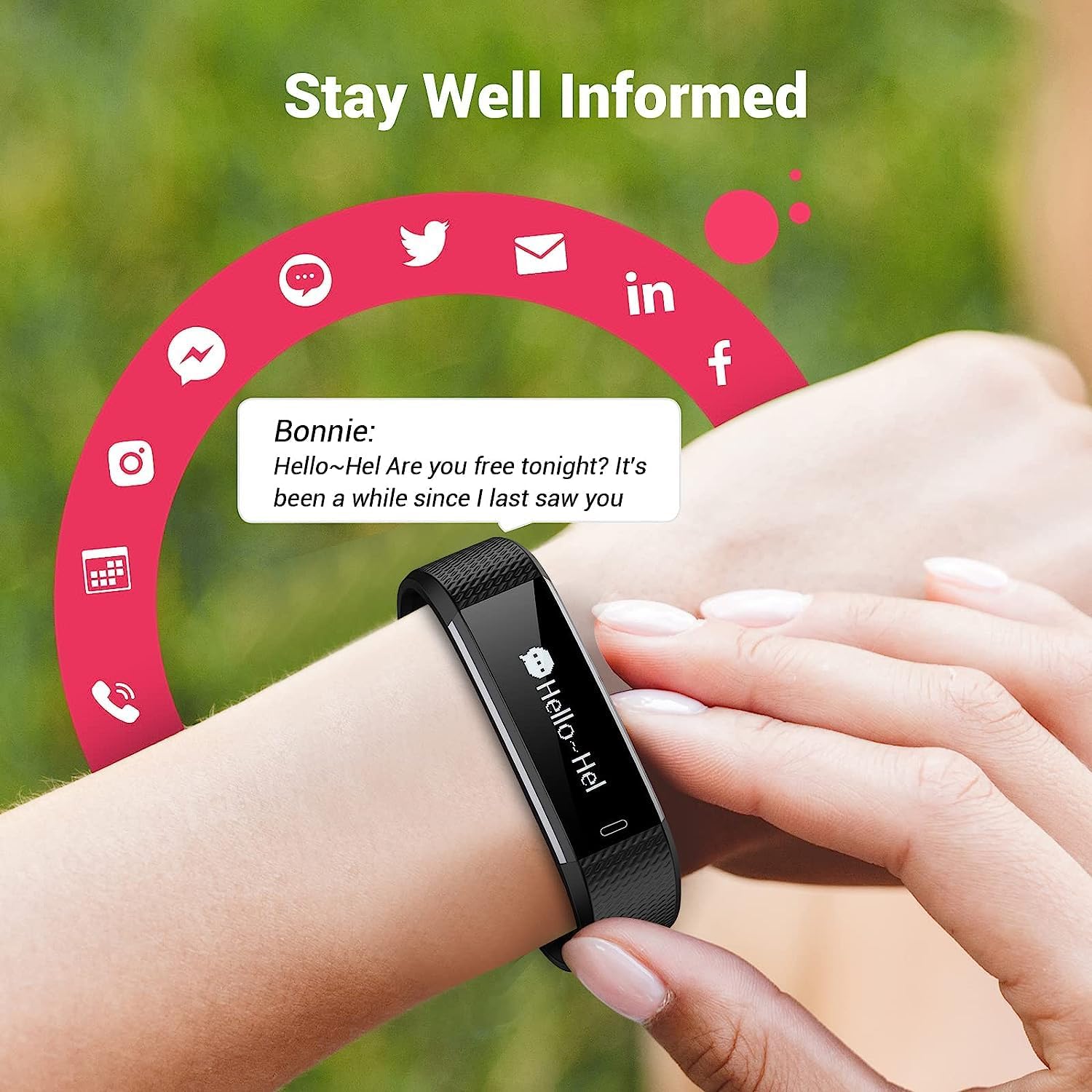
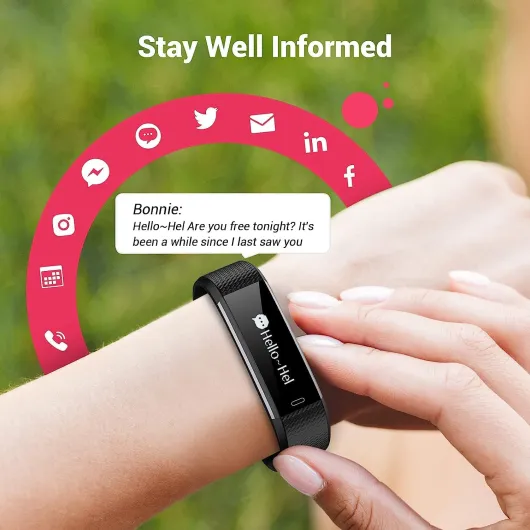
Notifications work fairly well once the app permissions are set correctly. Calls and messages buzz on your wrist, and you see a brief scroll of text for messages. You can’t reply from the watch or do anything smart, it’s just a nudge so you know to grab your phone. I occasionally had a delay or missed notification, but most of the time it synced fine. Overall, performance is decent for casual use, but it’s clearly a budget tracker with the limits that come with that.
What this Runlio tracker actually offers (and what it doesn’t)
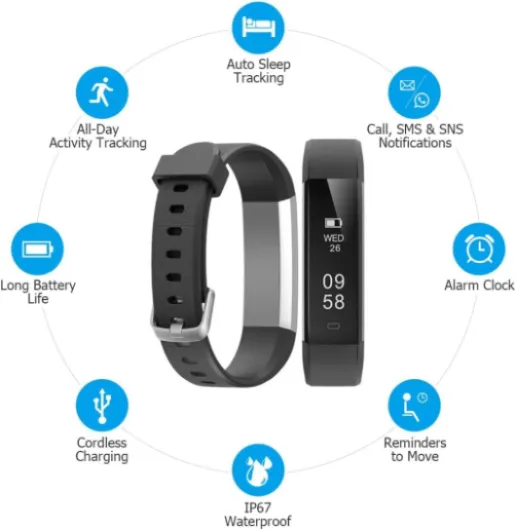
On paper, the Runlio Fitness Tracker ticks a lot of boxes for the price. It connects via Bluetooth to your phone (iOS from 7.1 and Android from 4.4), uses the VeryFitPro app, and tracks steps, distance, calories, sleep, and basic activity. It also pushes call, SMS and app notifications (WhatsApp, Facebook, etc.) to your wrist with a vibration, which is handy if your phone is in your bag. There’s no built-in GPS, so all distance is estimated from steps and your stride length, which is standard at this price.
The watch itself is very simple: a small rectangular screen, one touch button, and a basic digital display. No touch screen gestures, no fancy watch faces, no apps. You tap the little button to cycle through time, steps, distance, calories, and other functions like stopwatch. It’s very basic, but in a way that’s good if you don’t want a techy gadget to fiddle with all day. If you’re expecting smartwatch features, this isn’t it.
In terms of features that matter day to day, here’s what I actually used regularly:
- Step counter and distance estimate
- Sleep tracking (deep/light/awake)
- Call and message vibration notifications
- Sedentary reminder (buzzes if you sit too long)
- Stopwatch for quick timing
Stuff that’s missing or very limited: no GPS, no advanced sports modes, no heart rate sensor, no detailed workout tracking. It’s more of a glorified pedometer with a screen and notifications than a full-on sports watch. If you’re okay with that, then the feature set is decent for the price. If you’re training seriously or want detailed health data, you’ll quickly hit its limits.
Pros
- Very low price for a tracker with steps, sleep, and notifications
- Light and comfortable to wear all day and night
- Battery easily lasts around a week on a single charge
Cons
- Step counting and distance are often generous or inaccurate
- Strap removal for USB charging feels fiddly and potentially fragile
- Screen scratches easily and overall build feels cheap
Conclusion
Editor's rating
After using the Runlio Fitness Tracker for a while, my overall feeling is: it’s fine for the price, as long as you know what you’re getting. It counts steps, gives you a rough idea of your sleep, buzzes when your phone gets calls or messages, and the battery life is genuinely good at around a week per charge. It’s light and comfortable enough to wear all day and night, and the basic functions mostly work as advertised.
On the other hand, it’s clearly a budget device. The step counter can be generous or just off when you’re not actually walking, the app feels dated and not very intuitive, the strap/charging system is fiddly and feels like it could break if you’re rough, and the screen scratches quite easily. If you’re expecting Fitbit-level accuracy or polish, you’ll be disappointed. This is more of a “rough guide to your activity” than a serious fitness tool.
I’d recommend this tracker to people who just want a cheap, simple band: someone curious about tracking steps and sleep for the first time, a teen, or as a backup/throwaway device you don’t mind losing. If you’re training for races, really care about health data, or want something that feels solid and long-lasting, skip this and put the money toward a better-known brand. It’s not terrible, it’s not great – it’s just a basic, low-cost tracker that does enough for casual users and not much more.