Apple Watch, Galaxy Watch, Pixel Watch and Garmin Venu compared
Among the best fitness trackers compatible with iOS and Android, four product families dominate the conversation. The Apple Watch, Samsung Galaxy Watch, Google Pixel Watch, and Garmin Venu series each approach health tracking, battery life, and design differently, which matters if you regularly switch between iPhone and Android. Understanding how each smartwatch handles fitness tracking, blood oxygen readings, and heart rate accuracy will help you choose the right watch for your routine.
The Apple Watch Series 9 and Apple Watch Ultra 2 remain the most polished options for iPhone owners, with tight integration into Apple Health, strong app support, and excellent optical heart rate sensors. However, these smartwatches lose many features when paired with Android and are officially limited to iOS, so they are not ideal if you plan to leave the Apple ecosystem. By contrast, the latest Samsung Galaxy Watch 6 models and the Google Pixel Watch 2 are designed primarily for Android, but they still offer partial compatibility with iOS for basic notifications and simple activity tracking through companion apps.
Garmin Venu 3 smartwatches and other Garmin watch models stand out because they work reliably with both platforms and focus on serious fitness. A Garmin Venu watch typically offers up to 14 days of battery life in smartwatch mode, robust multi band GPS tracking, and detailed health metrics, while still handling notifications from either an iPhone or a Google Pixel device. For readers who want strong sports features, a bright AMOLED display, and cross platform support, Garmin Venu models often emerge as the most practical choice, especially when you also value in depth review tools in the Garmin Connect app.
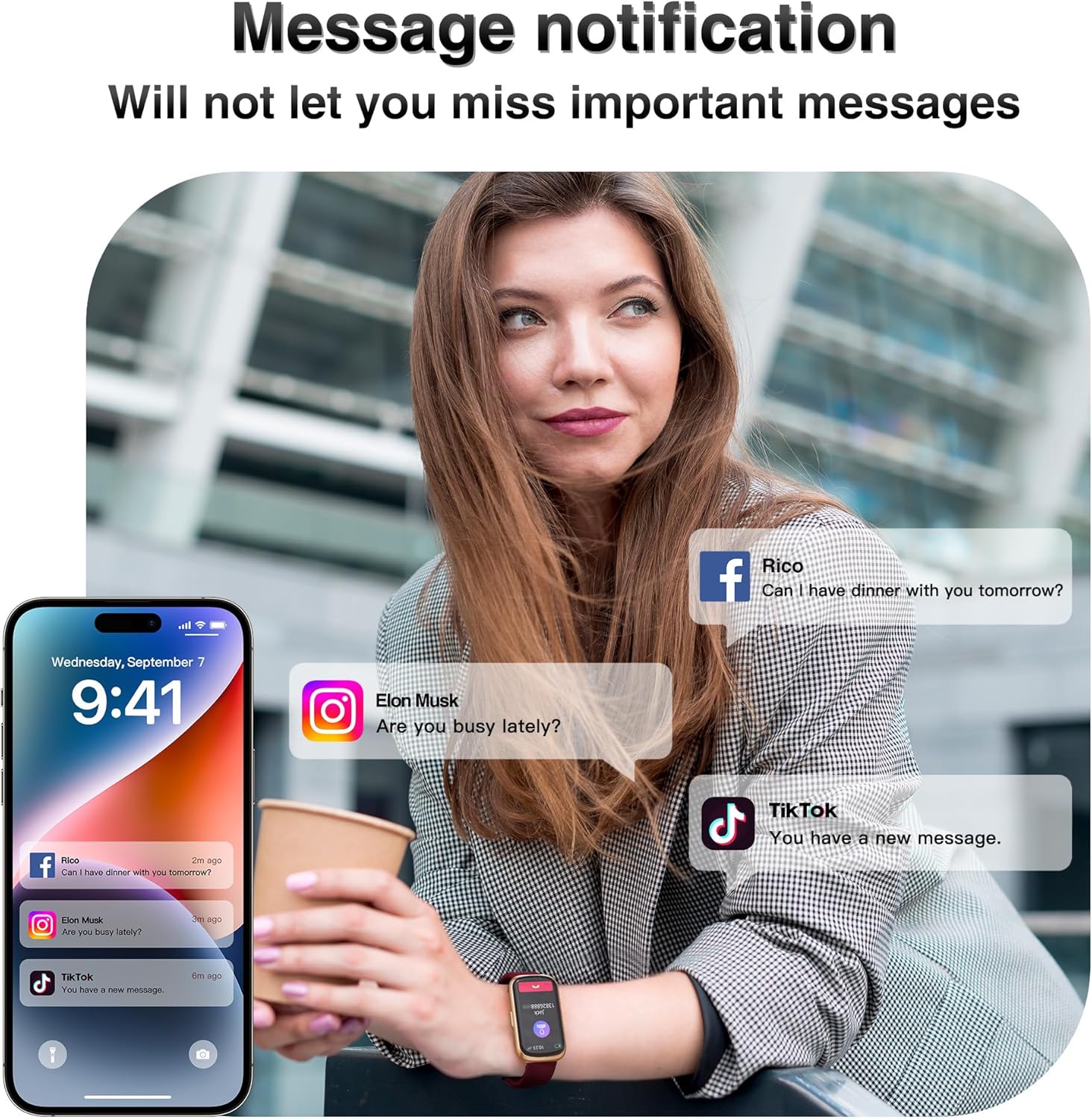
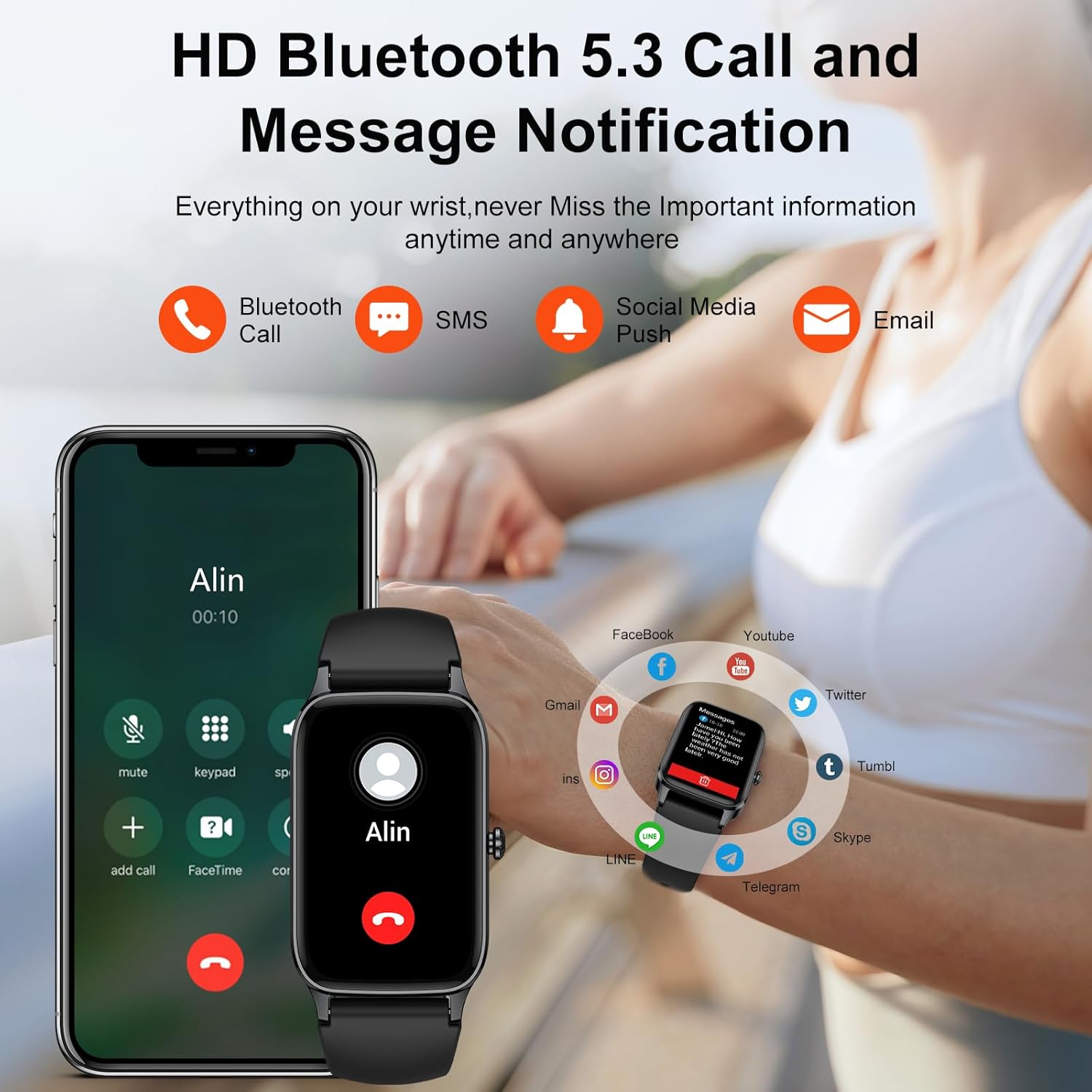
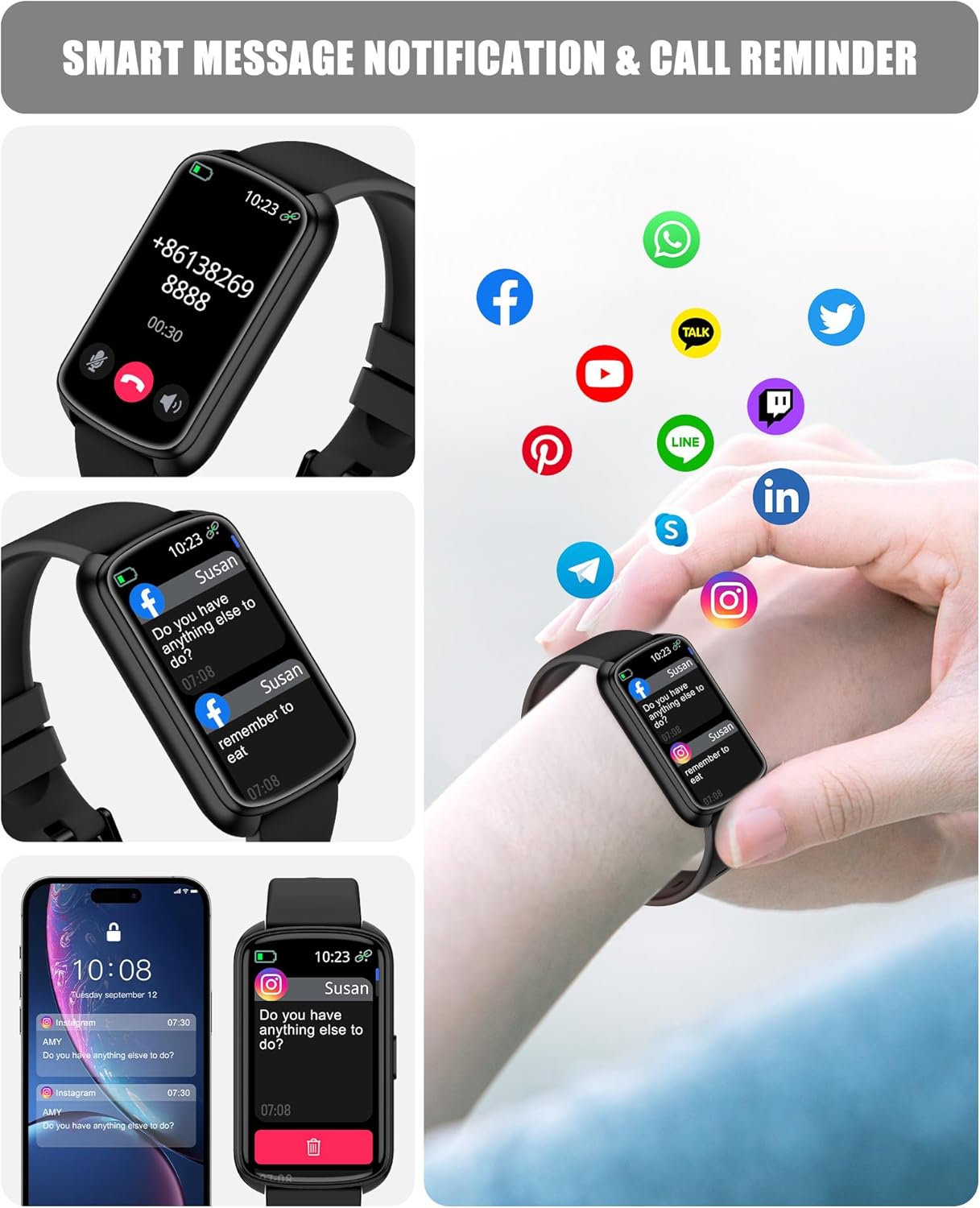
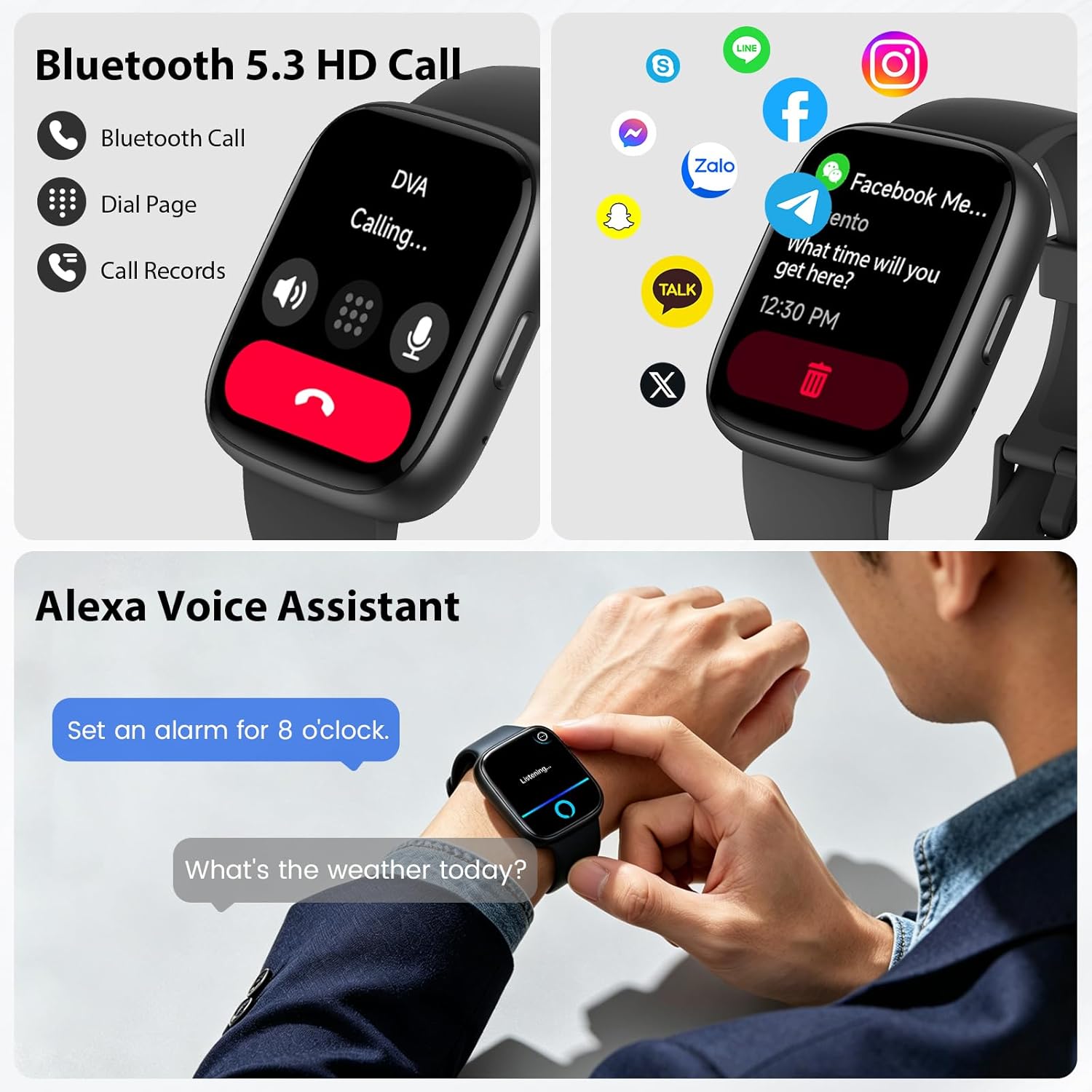
For more detail on how different models handle alerts and calls, you can consult this dedicated guide to fitness trackers with smartphone notifications, which compares notification reliability across ecosystems. This kind of independent review helps you understand how each tracker or smartwatch behaves in daily life. It also highlights whether a watch will still feel smart when you change phones or update your operating system.
| Model family | Typical battery life* | GPS type | iOS / Android feature parity | App sync behavior |
|---|
| Apple Watch Series 9 / Ultra 2 | ~18–36 hours (Series 9), up to 72 hours in low power (Ultra 2) | Single band GPS (dual frequency on Ultra 2) | Full features on iOS, no official Android support | Syncs to Apple Health; no native Google Fit export |
| Samsung Galaxy Watch 6 | ~30–40 hours per charge in mixed use | Multi band GNSS on selected versions | Full features on Android, limited iOS notifications only | Syncs to Samsung Health; indirect sharing with other apps |
| Google Pixel Watch 2 | ~24–36 hours with always on display off | Multi band GPS with assisted positioning | Android first, no official iOS app at launch | Syncs to Fitbit and Google Fit on Android |
| Garmin Venu 3 | Up to 14 days in smartwatch mode | Multi band GPS on supported models | Near identical features on iOS and Android | Syncs to Garmin Connect, exports to Apple Health and Google Fit |
- Apple Watch Series 9 / Ultra 2: best for iPhone users, rich apps, limited to iOS, one to two days battery.
- Samsung Galaxy Watch 6: optimized for Android, strong health suite, partial iOS support, roughly 30–40 hours per charge.
- Google Pixel Watch 2: deep Google integration, compact design, Android first, about one to two days battery life.
- Garmin Venu 3: true cross platform syncing, up to two weeks battery, advanced training tools, lighter app store.
*Battery figures in this table are based on manufacturer specifications and aggregated lab-style tests from specialist reviewers under mixed use (daily wear, several GPS workouts per week, and standard notification settings).
Key health tracking features that matter on both platforms
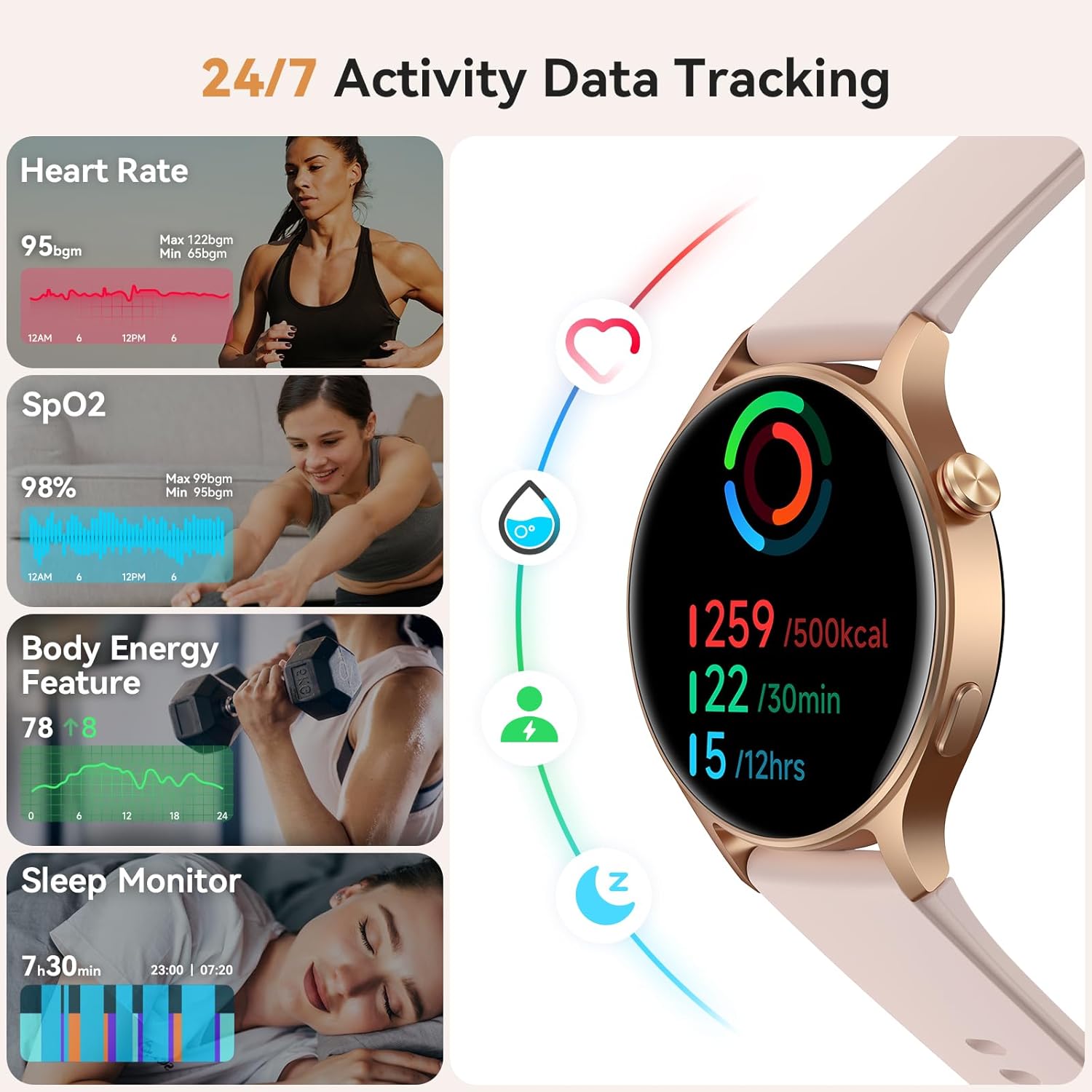
When you evaluate the best fitness trackers compatible with iOS and Android, health tracking quality should sit at the top of your checklist. Every modern fitness tracker promises continuous heart rate monitoring, sleep tracking, and step counting, but the real difference lies in accuracy, context, and how clearly the watch presents your health data. A good smartwatch or tracker will translate raw numbers into understandable trends about your fitness, recovery, and overall wellbeing.
Look for devices that combine optical heart rate sensors with algorithms tuned for different sports. Accurate heart rate and heart rate zone measurements during intervals, strength training, and long runs help you train in the right ranges and avoid overtraining. Many leading cross platform wearables now include blood oxygen sensors, basic blood pressure estimation, and advanced sleep stage analysis, which together provide a more complete picture of your health.
Health tracking is only useful if you can interpret it easily on both iOS and Android. Check how the watch syncs with Apple Health, Google Fit, and proprietary apps from brands such as Garmin, Samsung, and Google, because you will probably use more than one platform over the lifetime of your tracker. If you have a small wrist or prefer a lighter watch, pay attention to case size and strap design, and consider guides about fitness trackers that actually fit smaller wrists, since a stable fit improves heart rate and blood oxygen accuracy.
Battery life, AMOLED display and real world comfort
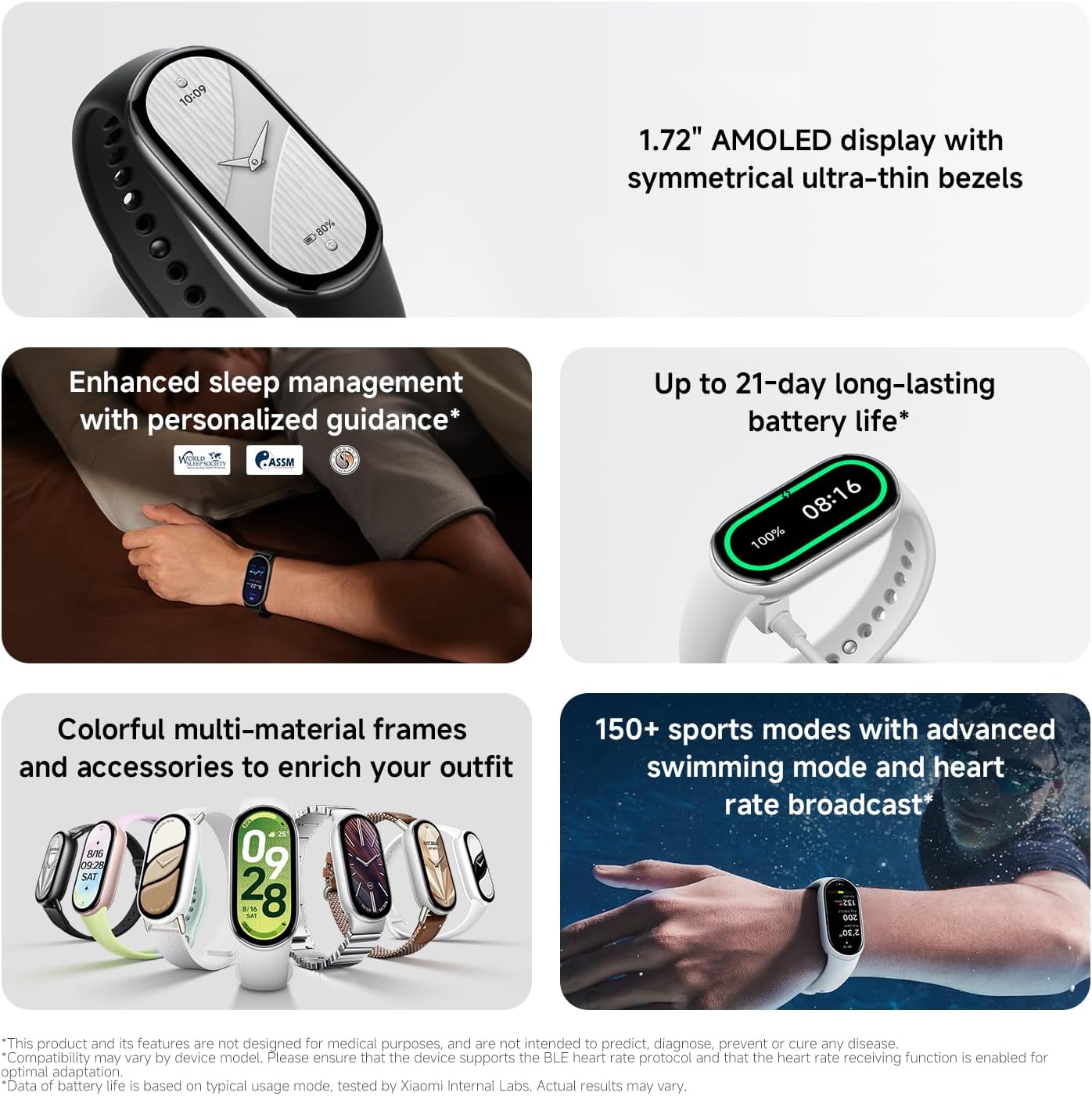
Battery life often separates the best fitness trackers compatible with iOS and Android from stylish but frustrating smartwatches. A bright AMOLED display looks stunning indoors and outdoors, yet it can drain the battery quickly if the watch is not optimized. You should balance your desire for vivid colors and always on watch faces with your tolerance for charging every night or every few days.
Traditional smartwatches such as the Apple Watch, Galaxy Watch, Pixel Watch, and Watch Ultra usually offer about 18 to 48 hours of battery performance with full health tracking enabled. By contrast, many dedicated fitness trackers and Garmin Venu models stretch to five, seven, or even more days of use, especially when you limit always on AMOLED display modes and reduce continuous GPS tracking. For people who travel frequently or dislike constant charging, these long lasting wearables feel far more practical.
Comfort matters as much as specifications when you wear a watch all day and night. A lighter tracker with a soft strap encourages you to keep it on during sleep, which improves sleep tracking and overnight heart rate trends. If you want to compare models that prioritize endurance, a detailed article on fitness trackers that outlast everything else on one charge can help you identify which devices will match your routine without constant recharging.
App ecosystems, data privacy and cross platform syncing
Owning one of the best fitness trackers compatible with iOS and Android means your data will travel between ecosystems over time. When you move from an iPhone to a Google Pixel or another Android phone, you want your health tracking history to remain intact and accessible. That is why the quality of each brand app ecosystem matters as much as the hardware of the watch or tracker itself.
Apple Health, Google Fit, Samsung Health, and Garmin Connect each interpret fitness tracking data slightly differently. Some prioritize simple activity rings and stars based on daily goals, while others emphasize detailed graphs of heart rate, blood oxygen, and blood pressure trends. Before you buy a fitness tracker or smartwatch, check whether the app can export data, connect with third party services, and sync reliably with both iOS and Android, because this will determine how easily you can change phones later.
Privacy and security deserve careful attention when you share sensitive health information. Read the privacy policy of each brand, and verify whether your heart rate, GPS tracking routes, and sleep data are encrypted and stored securely. The best cross platform fitness trackers will give you clear controls over data sharing, allow you to revoke permissions, and explain how your health tracking information is used for insights rather than for unrelated advertising.
How to read reviews and interpret star ratings
Product pages for the best fitness trackers compatible with iOS and Android often highlight average star ratings, but those stars rarely tell the full story. A fitness tracker with thousands of five star reviews might still fail your specific needs if you care deeply about GPS tracking accuracy or advanced health tracking. You should read beyond the headline rating and examine how people with similar routines evaluate each watch or smartwatch.
Focus on detailed review comments that mention heart rate reliability during intense workouts, sleep tracking consistency, and battery life under real world conditions. Pay attention when reviewers describe how the tracker behaves with both iOS and Android, especially when they switch from an Apple Watch to a Galaxy Watch or from a Samsung Galaxy phone to a Google Pixel device. These experiences reveal whether a supposedly universal fitness tracker truly works across ecosystems, or whether hidden limitations appear after pairing.
Look for patterns rather than isolated complaints when you compare fitness trackers and smartwatches. If many users mention inaccurate blood oxygen readings, unstable Bluetooth connections, or weak multi day battery performance, those issues will probably affect you as well. Balanced reviews that highlight both strengths and weaknesses, especially from long term owners, carry more weight than short comments that only mention looks or initial excitement about a new watch.
Practical buying guide for different user profiles
Choosing among the best fitness trackers compatible with iOS and Android becomes easier when you match products to clear user profiles. Casual walkers and office workers usually want a slim tracker with reliable step counting, gentle reminders to move, and simple sleep tracking, rather than a heavy Watch Ultra style device. For them, lightweight wearables with long battery life and basic health tracking often provide the best balance of comfort and insight.
Runners, cyclists, and triathletes should prioritize strong GPS tracking, accurate heart rate sensors, and durable designs that handle sweat and rain. Garmin Venu models, higher end Galaxy Watch versions, and some advanced multi platform trackers offer training load metrics, recovery suggestions, and detailed route maps that help serious athletes refine their fitness. People who split time between iPhone and Android phones will appreciate cross platform syncing, robust app ecosystems, and watches that maintain full functionality regardless of which phone they pair with.
Health focused users who monitor blood pressure, blood oxygen, and heart rate variability should verify that their chosen smartwatch or tracker supports these metrics and presents them clearly. They should also confirm that the device integrates with both Apple Health and Google Fit, so their health history remains accessible if they change phones. By aligning your priorities with the strengths of each watch family, you will identify the best fitness trackers compatible with iOS and Android for your lifestyle rather than chasing generic top rated lists.
Key statistics about fitness trackers and cross platform use
- Industry reports from Counterpoint Research indicate that smartwatches and fitness trackers together account for roughly one third of the global wearable market, showing how central wrist based health tracking has become for everyday users.
- Surveys from major health organizations suggest that people who regularly review their heart rate and activity data are significantly more likely to meet weekly physical activity guidelines, highlighting the motivational power of continuous fitness tracking.
- Market analyses from IDC show that multi platform wearables, which work with both iOS and Android, are gaining share each year, reflecting consumer demand for flexibility when switching between Apple and Google ecosystems.
- Battery life remains a top concern in user polls, with many respondents ranking longer multi day performance above advanced smart features, which explains the growing popularity of fitness trackers that last nearly a week on one charge.