TL;DR buyer’s checklist for gym fitness trackers
- Clarify your goal: strength training, HIIT, or general gym fitness.
- Prioritise heart rate accuracy during lifting and intervals; consider chest-strap pairing if you train very hard.
- Look for at least 5–7 days of battery life if you want continuous wear and sleep tracking.
- Check comfort: low-profile case, soft strap, and secure fit for barbell work and push ups.
- Match the tracker to your phone (Apple Watch for iPhone; Garmin, Samsung Galaxy, Fitbit for both iOS and Android with varying features).
- Use verified reviews to confirm real-world accuracy, durability, and app quality.
Apple Watch, Samsung Galaxy, and Fitbit in the weight room
Apple Watch models have become default choices for many people who want the best fitness trackers for gym workouts. The combination of precise optical heart rate sensors, polished workout tracking modes, and deep health features makes each Apple Watch a powerful fitness tracker as well as a capable everyday watch. If you already use an iPhone, the tight integration with Apple Health data and third party gym apps is a strong argument in favour of this watch series.
When you compare Apple Watch options, focus on battery life and durability for heavy training. Recent versions typically last around 18 to 36 hours with continuous heart rate tracking, which is acceptable for most gym goers but less ideal if you want multi day battery performance for trips or back to back late nights. For people who lift several times per week and also run or cycle, the advanced heart rate monitor, automatic workout detection, and detailed sleep tracking can justify the higher price.
Samsung Galaxy Watch models appeal to Android users who still want a premium health and fitness experience. A Samsung Galaxy Watch offers strong fitness tracking, competitive heart rate accuracy, and a bright display that remains readable under harsh gym lighting. Battery life often stretches to two or three days, especially if you limit always on display features, which helps you keep the tracker on your wrist through both workout and sleep.
Fitbit remains a key player for anyone who values simplicity and clear health data. Devices like the Fitbit Charge series or the more watch like Fitbit Versa focus on easy to read metrics, long battery life of up to about a week, and reliable sleep tracking rather than complex app ecosystems. If you want a fitness tracker that quietly logs your heart rate, steps, and workout sessions without constant configuration, a Fitbit tracker can still be one of the best fitness choices.
When you shop on Amazon for an Apple Watch, a Samsung Galaxy Watch, or a Fitbit Charge, use filters and verified purchase labels to find trustworthy review patterns. Look for repeated comments about heart rate accuracy during high intensity workout sessions, strap comfort during sleep, and real world battery life compared with the marketing claims. If you are buying a gift for a gym focused parent, guides about what to put on a dad’s wrist that he will still wear in September can help you balance style, health features, and ease of use.
Garmin, Oura Ring, and niche trackers for serious training
Garmin has built a reputation for serving athletes who demand detailed training data and rugged hardware. For people who want the best fitness trackers for gym workouts and outdoor sports, models like the Garmin Venu and Garmin Forerunner series combine strong heart rate tracking with advanced workout analytics. These trackers often deliver long battery performance measured in many days, which is ideal if you dislike charging your watch every night.
The Garmin Venu line blends AMOLED displays with serious health features, making it suitable for both gym sessions and everyday wear. You can customise strength training profiles, track sets and reps, and monitor heart rate zones in real time while lifting. Many users praise the tracking accuracy in independent review tests, especially when they compare Garmin data with chest strap heart rate monitors during interval workout routines.
Garmin Forerunner models lean more toward runners but still work well as gym focused fitness trackers. If you split your time between treadmill intervals, free weights, and outdoor runs, a Forerunner can centralise all your health and fitness data in one place. Battery life on these trackers often exceeds a week, so you can log multiple workout and sleep cycles before needing to recharge.
The Oura Ring takes a different approach by putting sensors on your finger instead of your wrist. While it is not a traditional fitness tracker watch, the Oura Ring excels at sleep tracking, recovery insights, and continuous heart rate monitoring, which indirectly improves your gym performance. Many lifters wear an Oura Ring alongside a Garmin or Apple Watch to combine detailed workout tracking with deep overnight health data.
If you prefer something slimmer than a bulky watch, consider guides to top slim fitness trackers that still offer strong health features. These compact trackers can be more comfortable under lifting straps or boxing gloves, and their long battery life often reaches several days. Whether you choose a Garmin Venu, a Garmin Forerunner, or a minimalist band, ensure the tracker supports the specific workout modes and heart rate metrics you rely on.
Battery life, comfort, and design inside the gym
Battery life is not just a convenience metric, it directly affects the quality of your fitness tracking. If your fitness tracker dies mid workout, you lose heart rate data, calorie estimates, and training load calculations for that session. A device that offers at least five to seven days of typical use reduces this risk and encourages continuous wear for both workout and sleep tracking.
Long battery performance also supports richer health features such as all day stress monitoring and round the clock heart rate tracking. When a watch or band can run these sensors continuously without draining in a single day, the resulting data becomes more complete and more useful for long term health and fitness analysis. Garmin, Fitbit, and some Samsung Galaxy Watch models are known for this kind of long battery endurance, while many Apple Watch versions trade battery life for advanced smart watch capabilities.
Comfort and design matter more in the gym than many people expect. A thick watch case can catch on barbell knurling during bench presses, and a stiff strap can pinch your wrist during push ups or front squats. Before calling any model the best fitness tracker for your gym workouts, test how it feels through a full range of motion, including overhead presses and pull ups.
Material choices influence both comfort and hygiene. Silicone straps on fitness trackers resist sweat and are easy to clean, while woven or leather bands may absorb moisture and odour after repeated workout sessions. If you plan to wear your tracker for sleep tracking as well, choose a lightweight design that does not leave marks on your skin after several days of continuous use.
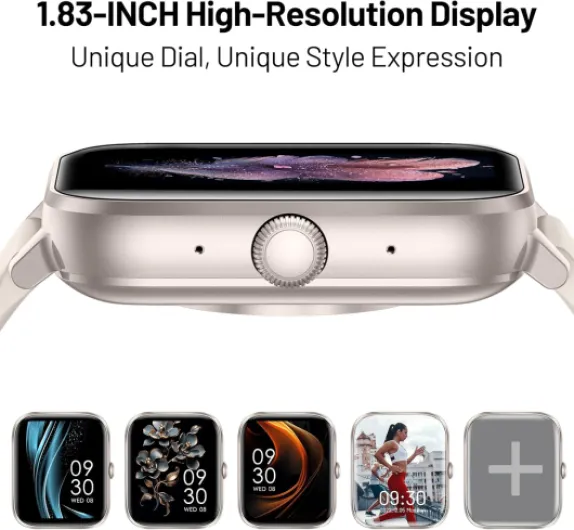
Display readability is another design factor that shapes your gym experience. A bright AMOLED screen on a Garmin Venu, Samsung Galaxy Watch, or Apple Watch makes it easier to check heart rate zones between sets without squinting under fluorescent lights. Smaller trackers like a Fitbit Charge or other slim fitness bands may show less data at once, but their compact size can feel less intrusive when you grip dumbbells or wrap your wrists.
Health features, sleep tracking, and meaningful data
The best fitness trackers for gym workouts do more than count reps, they build a complete picture of your health. Continuous heart rate tracking, advanced sleep tracking, and stress monitoring combine to show how your body responds to training over many days. When you interpret this data correctly, you can adjust workout intensity, rest days, and nutrition to support long term fitness rather than short bursts of effort.
Sleep tracking has become a flagship feature for many fitness trackers, including Fitbit, Garmin, Oura Ring, Apple Watch, and Samsung Galaxy Watch models. These devices estimate sleep stages, total duration, and overnight heart rate variability, which can signal how well you are recovering from heavy workout sessions. If your tracker repeatedly shows poor sleep and elevated resting heart rate, that pattern may suggest you should reduce training volume or improve your bedtime routine.
Health features such as irregular heart rhythm alerts, blood oxygen estimates, and stress scores can be valuable, but they are not medical diagnoses. Use them as prompts to pay attention to your body and, when necessary, to consult a healthcare professional rather than as definitive answers. A careful review of your long term data trends is more useful than reacting to a single night of bad sleep or one unusually high heart rate reading.
To make sense of all this information, prioritise trackers with clear apps and dashboards. The best fitness tracker interfaces translate complex data into simple charts, weekly summaries, and actionable suggestions about workout timing or intensity. Some platforms now add AI driven coaching on your wrist, and analyses of AI coaching on your wrist can help you judge whether these features provide genuine health insight or just more notifications.
When you read an online review or browse Amazon listings, look beyond marketing language and focus on how each tracker handles data accuracy and context. Ask whether the device logs heart rate reliably during both steady cardio and explosive workout intervals, and whether sleep tracking aligns with how rested you actually feel. Over time, the combination of precise sensors, thoughtful software, and consistent wear turns your fitness tracker into a trustworthy partner rather than a distracting gadget.
Buying guide for the best fitness trackers for gym workouts
A structured buying guide helps you turn a crowded market into a short, focused list. Start by ranking your priorities among heart rate accuracy, workout mode variety, battery life, comfort, and smart watch features such as notifications or contactless payments. Someone who lifts heavy four times per week may value a rugged Garmin or Fitbit Charge, while another person who lives inside the Apple ecosystem may prefer an Apple Watch despite its shorter battery life.
Budget is the next filter, especially when you shop on Amazon or during a Prime Day sale. Entry level fitness trackers often deliver solid step counts, basic heart rate tracking, and decent sleep tracking but may lack advanced health features or detailed strength training modes. Mid range and premium trackers from Garmin, Apple, Samsung Galaxy, and Fitbit add richer data, better displays, and more durable materials that stand up to repeated workout sessions.
Check compatibility with your smartphone before you fall in love with any specific tracker. An Apple Watch requires an iPhone, while Samsung Galaxy Watch models and many Garmin trackers work best with Android but still support iOS with some limitations. If you plan to use third party gym apps, verify that your chosen fitness tracker can sync data reliably so your workout history remains complete.
Reading a wide range of user review comments can reveal patterns that technical specifications hide. Look for repeated praise or criticism about heart rate accuracy during high intensity workout intervals, strap comfort during sleep, and real world battery life compared with the advertised long battery claims. When several reviewers mention the same flaw or strength, you can treat that signal as more reliable than a single enthusiastic or angry voice.
Finally, think about how your needs might evolve over the next few months. If you plan to move from casual fitness to structured strength training or endurance events, choose a tracker with room to grow, such as a Garmin Venu, Garmin Forerunner, or higher end Apple Watch series model. A thoughtful purchase now can save you from replacing a limited fitness tracker too soon, preserving both your budget and your hard earned health data history.
Making your tracker work for every gym workout
Owning one of the best fitness trackers for gym workouts is only the first step. To extract real value, you must configure workout profiles, heart rate zones, and data screens so that the tracker shows what you need during each set. Spend a few minutes before your next workout customising fields such as current heart rate, average rate, set duration, and rest timer to match your training style.
During strength sessions, use your fitness tracker to time rest periods and monitor how quickly your heart rate drops between sets. A faster recovery rate often signals improving cardiovascular fitness, while a slower drop can indicate fatigue or insufficient sleep from the previous night. Over several days, these patterns help you decide when to push harder and when to schedule a lighter workout.
For circuit training or high intensity intervals, enable automatic lap or interval tracking if your watch supports it. Garmin, Apple Watch, Samsung Galaxy Watch, and some Fitbit trackers can mark each interval automatically, making post workout review much easier. When you examine the data later, look at heart rate peaks, average rate per interval, and how your performance changes across the workout.
Do not forget to calibrate your tracker when possible, especially for treadmill running or indoor cycling. Many devices allow you to adjust distance or speed after a workout, which improves future tracking accuracy and keeps your fitness data consistent. If you use multiple trackers, such as an Oura Ring for sleep and a Garmin Venu for workouts, decide which device will serve as your primary health data hub.
Finally, schedule regular review sessions where you step back from daily numbers and examine weekly or monthly trends. Look at how your average resting heart rate, total workout time, and sleep duration move together, and ask whether those patterns match how you feel in the gym. When your tracker’s data and your own perception align, you can trust the device as a genuine partner in your fitness journey rather than just another piece of wearable technology.
Key statistics about fitness trackers and gym training
- Market research from IDC reported that global wearable shipments surpassed 530 million units in 2023, showing how mainstream fitness trackers and smart watches have become for everyday health and workout tracking (IDC Worldwide Quarterly Wearable Device Tracker, 2023, https://www.idc.com).
- A scientific statement published by the American Heart Association noted that continuous heart rate monitoring can help people stay within recommended exercise intensity zones, especially when they use trackers during structured gym workouts (American Heart Association, 2020, “Wearable Devices for Monitoring Physical Activity and Health”, https://www.ahajournals.org).
- Research from the National Sleep Foundation indicates that adults who track their sleep are more likely to adjust bedtime habits, which indirectly supports better performance during strength and cardio sessions (National Sleep Foundation Sleep in America Poll, 2022, https://www.thensf.org).
- Consumer surveys from Statista show that battery life and comfort rank among the top three reasons people either keep wearing or abandon a fitness tracker within the first three months (Statista Global Consumer Survey, Wearables, 2023, https://www.statista.com).
- Analyses by independent testing labs such as Consumer Reports and the Cleveland Clinic have shown that high end devices from brands such as Apple, Garmin, Samsung, and Fitbit can achieve average heart rate accuracy within about 3 to 5 beats per minute of chest strap monitors during moderate intensity exercise, though accuracy may drop during very rapid movements (Consumer Reports Wearable Tech Ratings and Cleveland Clinic heart rate monitor evaluations, 2023, https://www.consumerreports.org, https://my.clevelandclinic.org).