Key health metrics that slim trackers should monitor accurately
Any list of the best slim fitness trackers must start with core health metrics. Continuous heart rate tracking underpins almost every modern health fitness feature in a tracker or watch. Without a stable heart rate monitor, calorie estimates, activity intensity, and sleep stages all become less reliable.
Look for a fitness tracker that measures resting heart rate, exercise heart rate, and recovery rate after workouts. These three heart rate patterns reveal how your cardiovascular health responds to stress, training, and daily life. A good rate monitor also flags unusually high or low heart rate values, prompting you to consult a professional when needed.
Blood oxygen monitoring has moved from specialist devices into mainstream slim fitness trackers. A compact watch or smart ring can now estimate blood oxygen saturation during sleep and intense exercise. While these blood oxygen readings are not medical grade, consistent trends help you notice breathing issues or altitude effects.
Some trackers also estimate blood pressure, but this feature remains less mature. Wrist based blood pressure readings from a fitness tracker can drift if the watch sits too loose or too tight. Treat any blood pressure number from activity trackers as a rough guide and rely on a dedicated monitor for clinical decisions.
Sleep tracking is another pillar of modern health fitness technology. The best slim fitness trackers combine motion sensors, heart rate variability, and sometimes blood oxygen data to estimate sleep stages. Over several week, these sleep tracking trends show whether late screen time, caffeine, or training load affect your recovery.
Battery life directly influences how complete your health data becomes. If you remove a tracker every night to charge, you lose sleep tracking and overnight heart rate information. Choosing a device with multi day battery life ensures continuous tracking of heart, blood oxygen, and activity without constant charging breaks.
Price sensitive readers can compare models using independent buying guides that highlight long term value. A useful reference is a curated list of every good fitness tracker without monthly fees, which helps you focus on devices that keep health data accessible without subscriptions. This approach protects your budget while still prioritizing accurate health and sleep metrics.
Fit and comfort for small wrists and minimalist styles
Many people search for the best slim fitness trackers because standard watches feel oversized. A narrow tracker or smart ring avoids the heavy look of a sports watch while still tracking health. For small wrists, fit determines whether sensors capture accurate heart rate and activity data.
When testing any fitness tracker, check how the case length and strap curve follow your wrist. A long rectangular watch can overhang on a thin arm, which breaks contact and harms heart rate tracking during activity. Shorter cases, flexible lugs, and multiple strap holes help activity trackers sit flat and stable.
Readers with very small wrists often struggle with mainstream fitness trackers. Specialist guides to fitness trackers that actually fit without sliding around can save time and frustration. These resources highlight models where the watch body, strap design, and clasp work together to keep the tracker secure during sleep and workouts.
Smart ring devices offer another path to slim tracking. A smart ring moves the sensors from the wrist to the finger, which some people find more comfortable for sleep tracking and all day wear. Rings also pair discreet style with continuous health fitness data, though sizing must be precise for accurate heart rate readings.
Band material shapes comfort as much as the tracker body. Soft silicone or woven nylon straps breathe better during hot day and intense activity than stiff plastic bands. Swappable straps let you keep the same fitness tracker while adapting the look from gym to office.
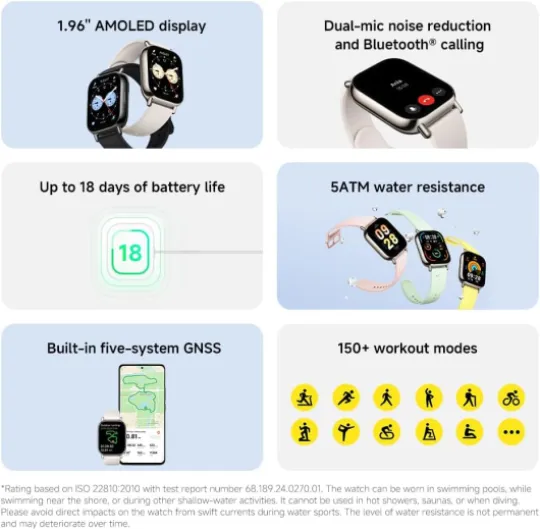
Screen technology also affects how slim a device feels. An amoled screen allows deep blacks and thin panels, which helps keep the watch case compact while still bright outdoors. For people who prefer almost invisible trackers, models with tiny displays or no screen at all rely on the phone app for detailed health and sleep data.
Top slim models from major brands and what sets them apart
Among mainstream brands, Fitbit remains a reference for slim fitness trackers. The Fitbit Charge 6, for example, shows how a narrow tracker can still deliver strong heart rate tracking, sleep analysis, and multi day battery life of up to seven day in typical mixed use. Many readers consider a Fitbit Charge model when they want a balance between watch style screens and bracelet like comfort.
Google Fitbit integration now links these trackers with broader Google Health style services. This ecosystem approach lets you combine fitness tracker data with nutrition logs, mindfulness sessions, and other health tools. For people who use Android phones, the link between Google Fitbit apps and Google Health dashboards simplifies long term tracking.
Samsung Galaxy wearables offer another path to slim fitness tracking. Some Samsung Galaxy Watch models, such as the Galaxy Watch6 in 40 mm size, use compact cases and curved amoled screen designs that suit smaller wrists. These watches deliver detailed heart rate, blood oxygen, and sleep tracking while still looking like traditional timepieces.
Apple Watch devices are not always the slimmest, yet certain smaller case sizes still appeal to minimalist users. The Apple Watch SE 40 mm, when paired with a thin sport band, can feel lighter than its dimensions suggest during day and night. The trade off is shorter battery life of roughly one to two day compared with some dedicated fitness trackers, especially when always on tracking features stay enabled.
Smart ring products from specialist brands compete directly with wrist based trackers. A smart ring focuses on health, sleep, and recovery rather than on watch style notifications, which suits people who dislike screens. These rings often excel at night time comfort, making them strong options for users who prioritize sleep tracking and heart rate variability.
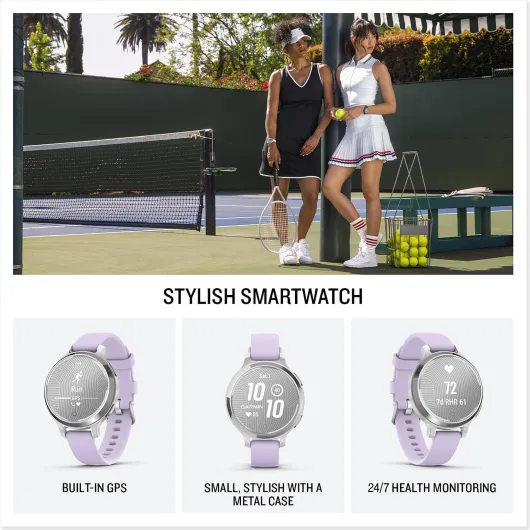
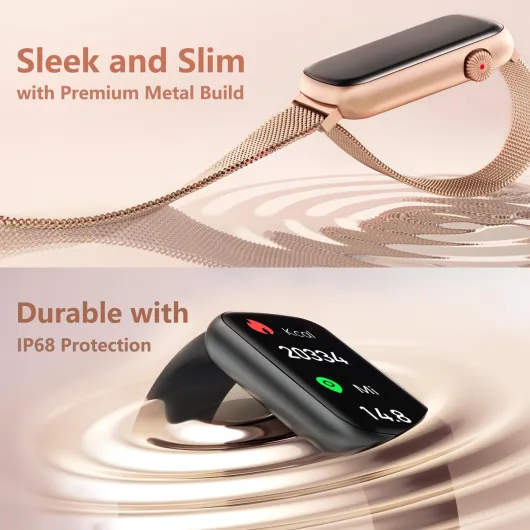
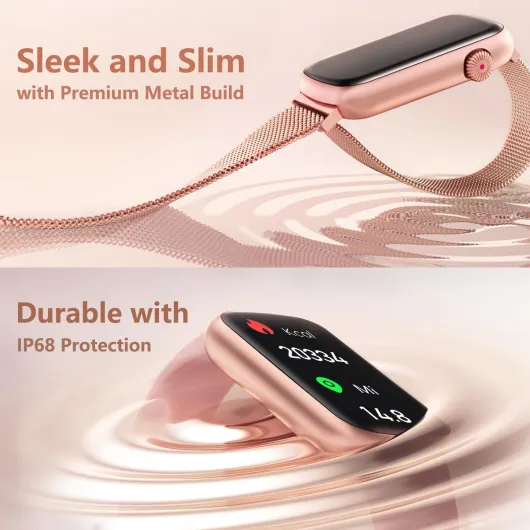
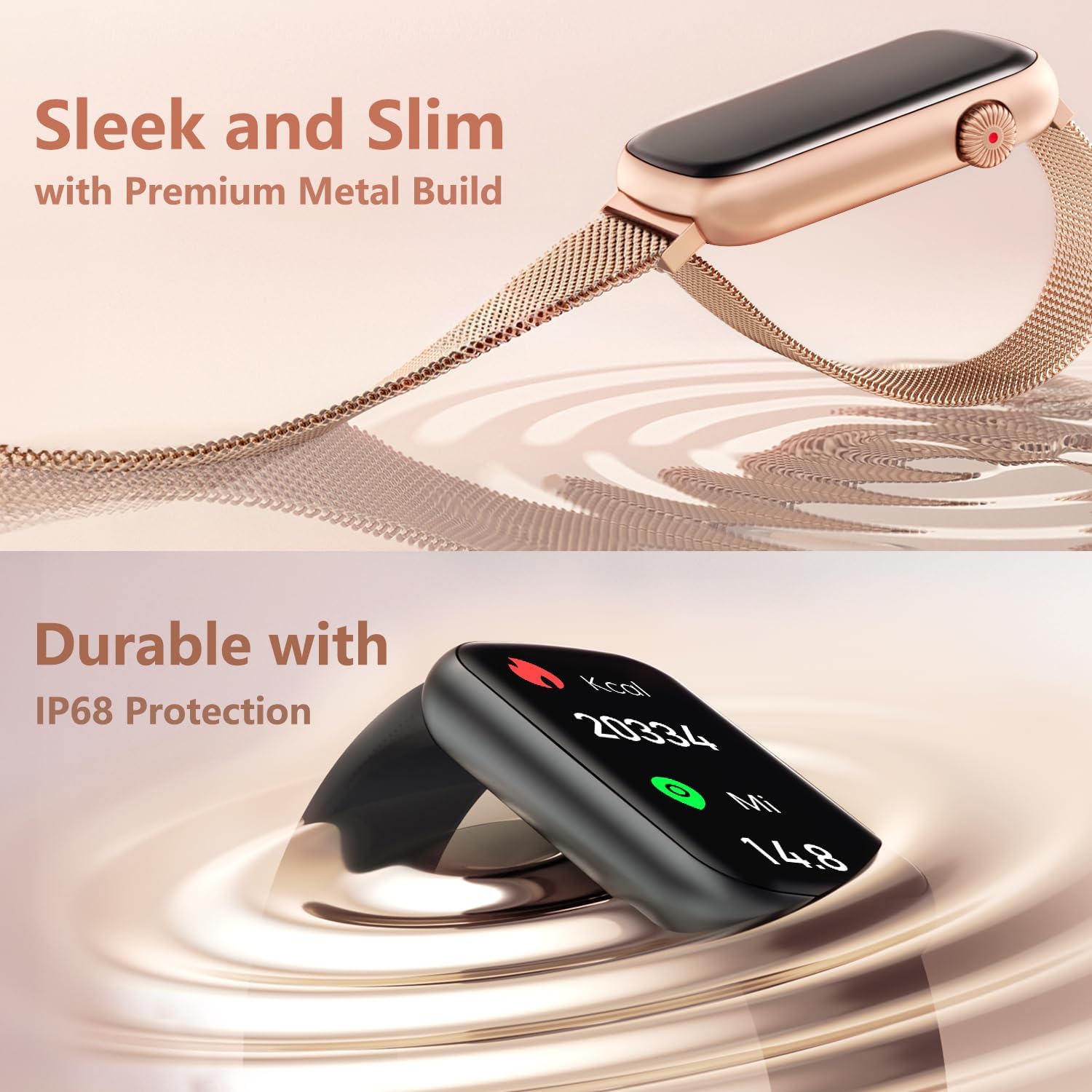
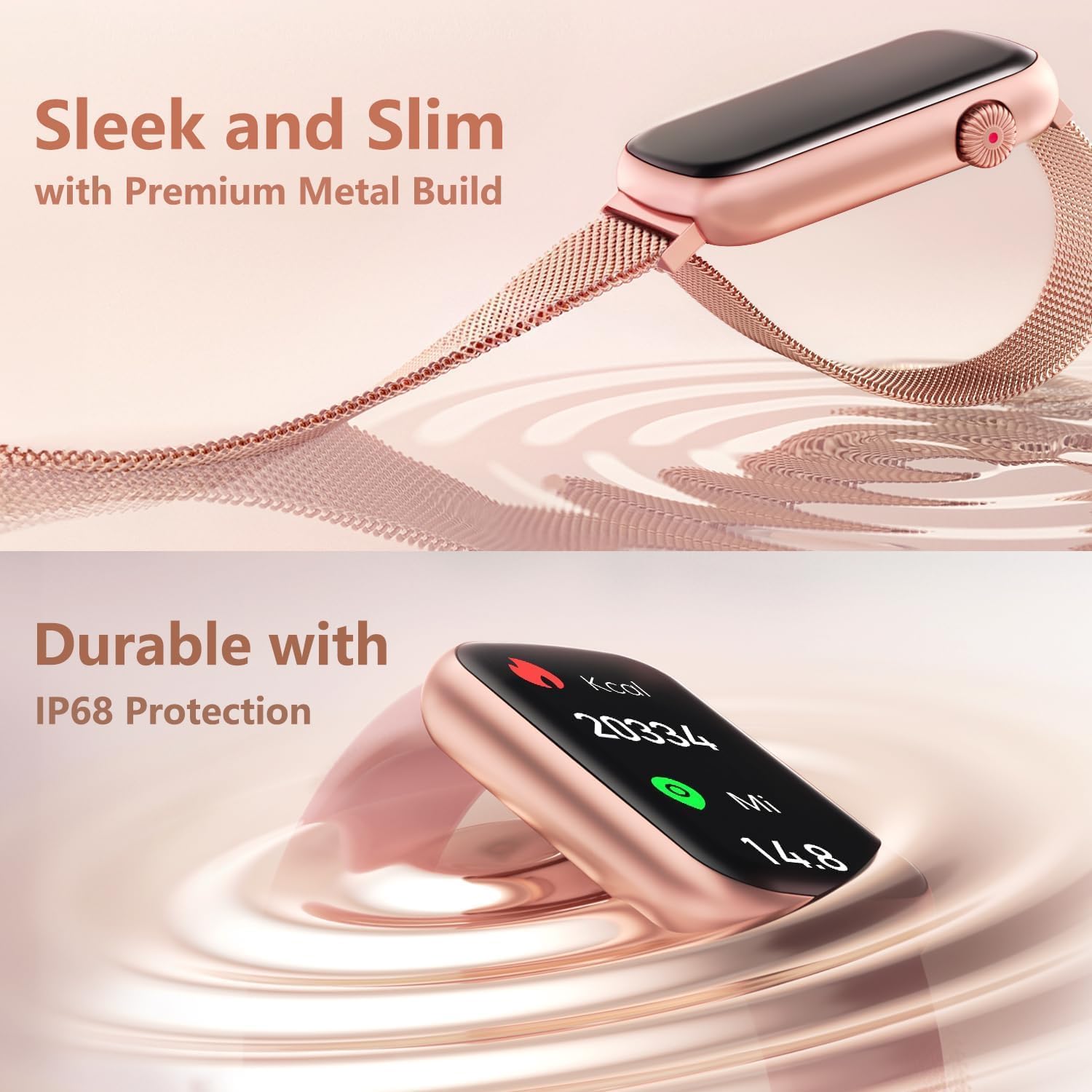
For women seeking a refined design, some slim watches combine jewelry inspired cases with full health fitness features. One example is a ladies smartwatch with heart rate, SpO2 blood oxygen, and sleep monitor tools presented in a rose gold case, which you can explore through this detailed smart watch for women review. These designs show that the best slim fitness trackers no longer force a choice between elegance and serious health tracking.
Quick comparison: slim everyday options
| Model |
Case size |
Weight* |
Typical battery |
Approx. price range** |
| Fitbit Charge 6 |
~36.8 × 23.1 mm |
~37 g with band |
Up to 7 day |
Mid range |
| Samsung Galaxy Watch6 (40 mm) |
40 mm round |
~28 g without strap |
Around 1.5–2 day |
Upper mid range |
| Apple Watch SE (40 mm) |
40 mm rectangular |
~26.4 g (aluminum) |
About 1–2 day |
Upper mid range |
| Typical smart ring |
7–9 mm band width |
4–6 g |
4–7 day |
Mid to premium |
*Weights and endurance are manufacturer claims and can vary with strap choice and settings. **Price bands are indicative and change with region and promotions.
Who each style suits: a Fitbit style band works well for walkers and casual gym users who want long battery life; a compact Samsung or Apple smartwatch suits people who value apps and notifications as much as health tracking; a smart ring best fits sleepers and minimalists who want almost invisible monitoring.
Battery life, connectivity, and ecosystem: what really matters long term
Battery performance often separates average trackers from the best slim fitness trackers. A device that lasts only one day between charges quickly disrupts sleep tracking and continuous heart rate monitoring. Long battery life also reduces wear on charging ports and cables over the life of the tracker.
When comparing models, check the claimed battery life for typical use rather than power saving modes. A fitness tracker that promises ten day of mixed activity, notifications, and sleep tracking usually delivers at least a week in real life. Trackers with amoled screen technology may consume more power at high brightness, so look for adaptive brightness options.
Charging convenience matters almost as much as raw battery capacity. Magnetic chargers that snap into place reduce wear compared with fragile clip systems on older activity trackers. Some smart ring devices use compact charging cases, which protect the ring and simplify top ups during travel.
Connectivity with iOS Android phones shapes how smoothly your data flows. A tracker that syncs quickly over Bluetooth and supports both platforms protects you if you switch from Android to iPhone or the reverse. Deep integration with Google Health style platforms or Apple Health also makes it easier to share activity and heart data with healthcare professionals.
Cloud ecosystems influence how your health fitness history evolves over years. Brands like Fitbit, Google Fitbit, and Samsung Galaxy Health maintain long term records of steps, heart rate, sleep, and blood oxygen trends. Before committing to any fitness tracker, consider whether you are comfortable storing sensitive health and blood pressure related data in that ecosystem.
Retail channels such as Amazon play a role in long term ownership. Many users rely on Amazon best seller lists and verified reviews to judge real world battery life and tracking accuracy. When buying through Amazon, check how the seller handles warranty claims, replacement straps, and regional support for watch features like contactless payments.
Buying tips for value, privacy, and medical limitations
Price alone does not define the best slim fitness trackers for your needs. A low cost tracker with weak heart rate accuracy or unreliable sleep tracking can mislead your health decisions. On the other hand, a premium watch overloaded with features you never use wastes budget and battery life.
Start by listing the health metrics that truly matter for your situation. If you mainly want step counts, basic activity tracking, and gentle reminders to move, an entry level fitness tracker may suffice. People managing heart conditions or blood pressure concerns should prioritize devices with stronger heart rate sensors and clear alerts, while still remembering that these trackers are not medical devices.
Privacy deserves careful attention when you share continuous health data with any platform. Read how each brand handles heart rate, sleep, blood oxygen, and location data before creating an account. Some ecosystems allow you to export raw tracking files, which helps if you later move from one tracker brand to another.
Medical limitations of consumer trackers remain significant despite marketing claims. Wrist based blood pressure estimates and blood oxygen readings can drift with motion, tattoos, or loose straps, so they cannot replace clinical monitors. Treat these numbers as early signals that prompt proper medical checks rather than as diagnostic tools.
For people who dislike subscriptions, focus on devices that keep core features free. Some buying guides highlight every good fitness tracker that will not charge you monthly, which helps you avoid surprise fees for sleep tracking or advanced heart rate reports. Over several year, avoiding subscriptions can save more money than choosing a slightly cheaper watch at the start.
Finally, consider how easily you can replace straps, chargers, and even the tracker itself. Slim fitness trackers with standard lug widths or simple pin systems accept third party bands, extending their style life. When a device uses proprietary parts, check that replacements remain widely available through major retailers such as Amazon and brand stores.
Statistics: key figures on slim fitness trackers and health tracking
- Global shipments of fitness trackers and smartwatches exceeded 190 million units in 2022 according to IDC’s Worldwide Quarterly Wearable Device Tracker (IDC, March 2023), showing how mainstream wrist based health tracking has become.
- Consumer surveys from the American Heart Association in 2021 report that more than 40 percent of wearable owners use heart rate data to adjust exercise intensity (AHA, 2021 consumer insights), highlighting the importance of accurate rate monitor sensors.
- Research published in the journal Sleep Health in 2020 found that commercial sleep tracking devices can estimate total sleep time within about 30 minutes of polysomnography in healthy adults (Sleep Health, Vol. 6, 2020), which is sufficient for long term lifestyle trends but not for clinical diagnosis.
- Studies on wearable adherence indicate that around one third of users stop wearing a tracker within six months, often due to discomfort or poor battery life (see Patel et al., npj Digital Medicine, 2021), underlining why slim designs and multi day endurance matter.
- Market analyses from Counterpoint Research’s Global Smartwatch Model Tracker (Counterpoint, Q4 2023) show that devices with amoled screen technology and smart ring form factors are among the fastest growing segments, reflecting demand for compact, stylish health fitness wearables.