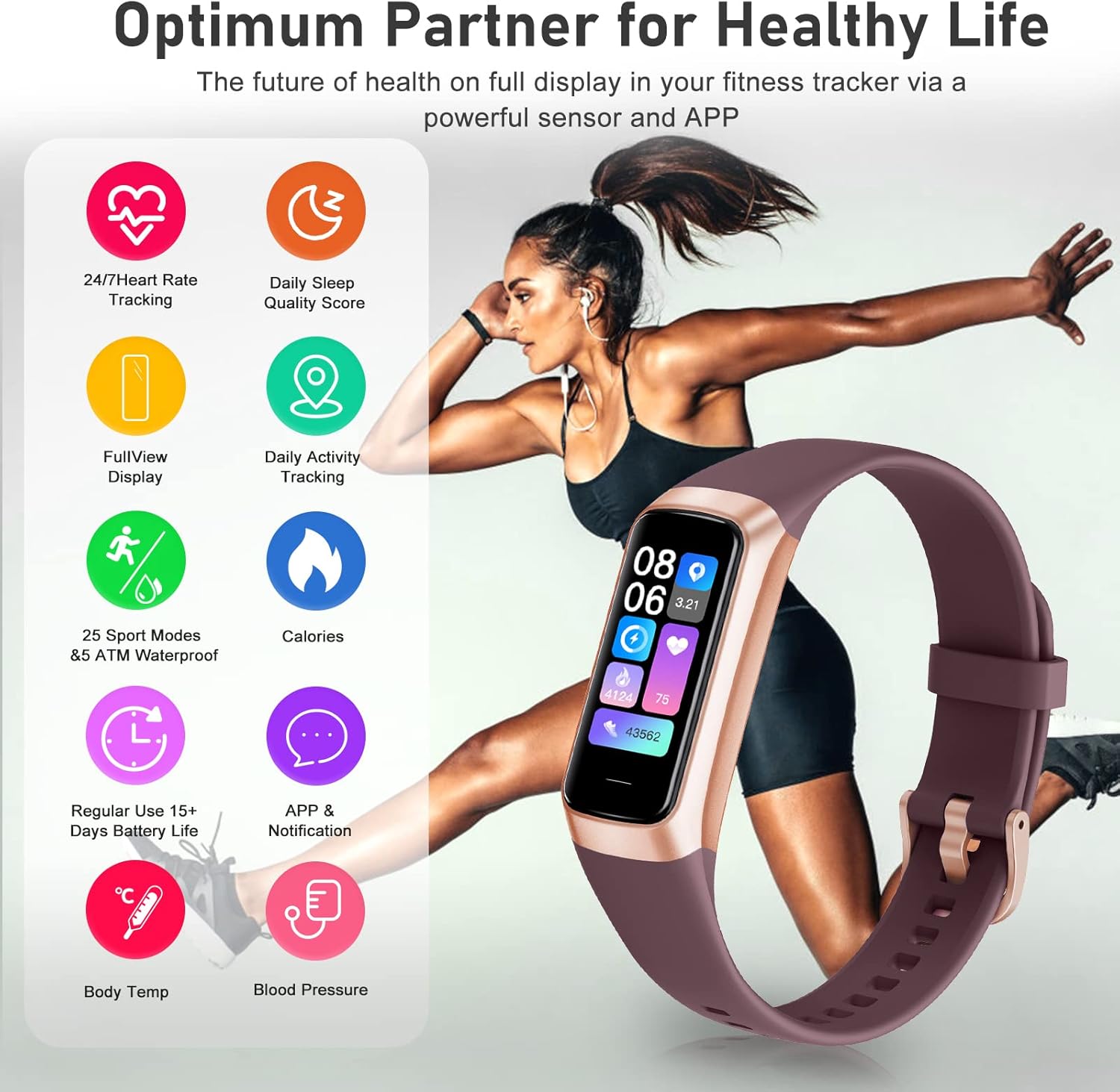
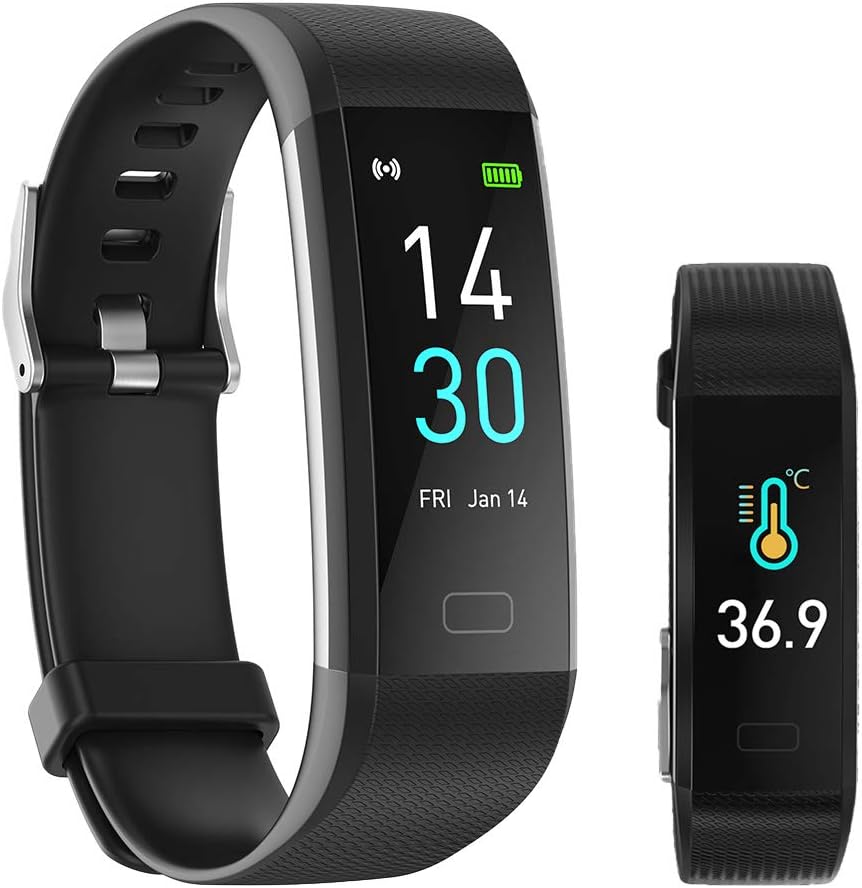
Budget friendly fitness trackers with reliable calorie tracking
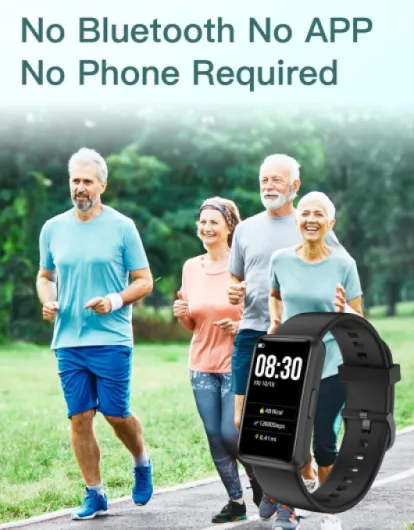
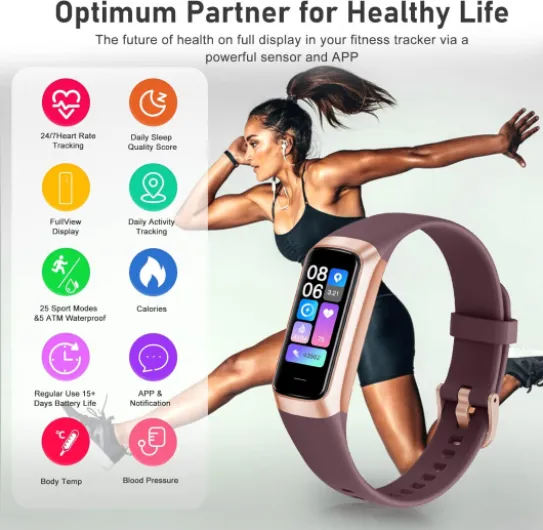
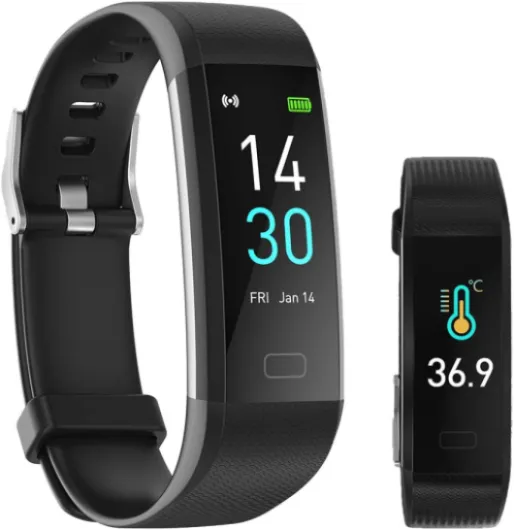
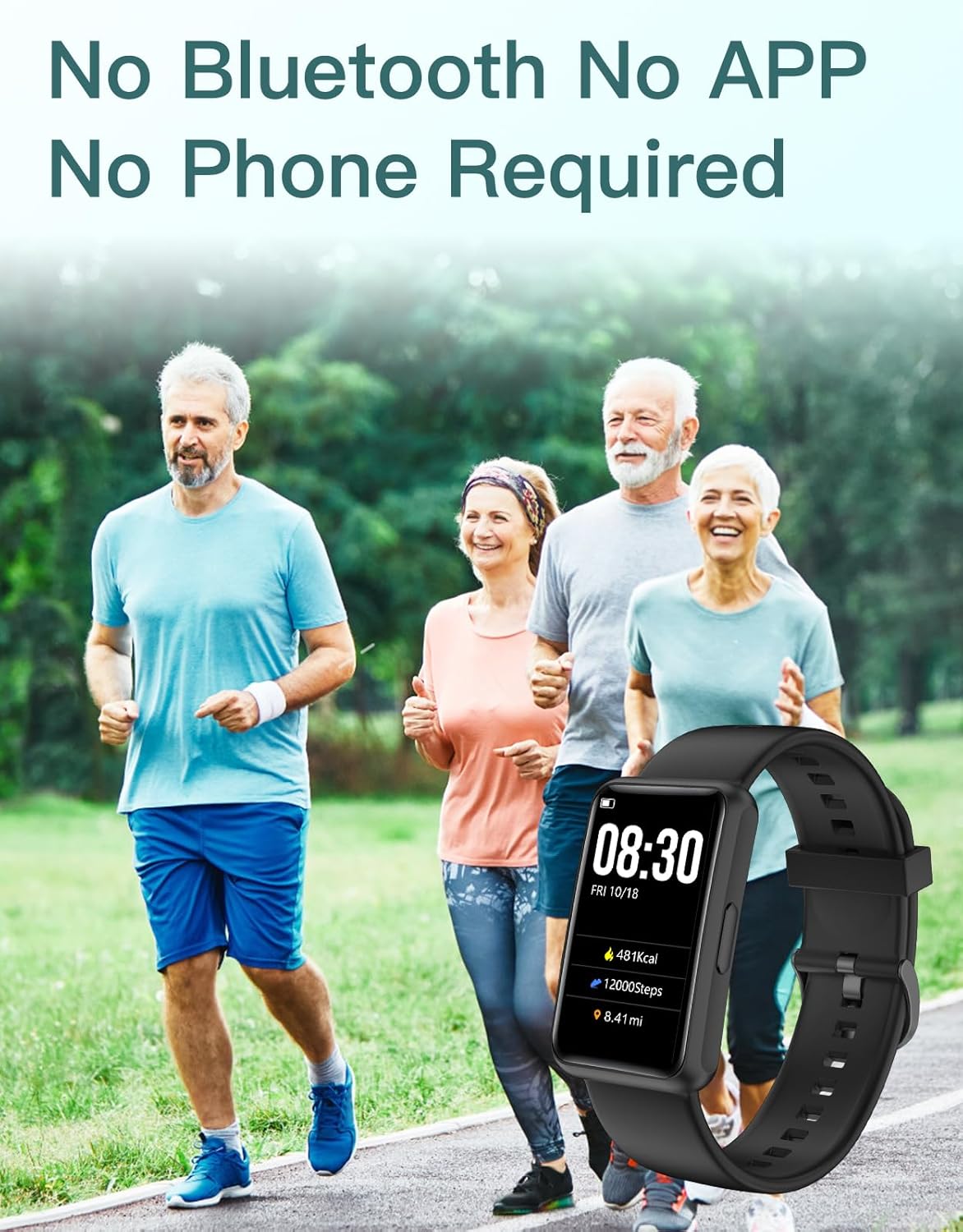
Not everyone needs a premium watch to benefit from accurate fitness tracking and a dependable calorie counter. Many budget fitness trackers now offer continuous heart rate monitoring, multi day battery life, and solid activity tracking that covers walking, running, cycling, and basic gym sessions. The key is to focus on tested essentials rather than luxury features that inflate the price without improving your health insights.
Affordable models from Fitbit, Xiaomi, Amazfit, and some Samsung Galaxy devices can provide very good calorie estimates when you wear them correctly and keep your profile data updated. In independent tests, bands such as Fitbit Inspire and Xiaomi Smart Band models often keep heart rate error in the single digits for walking and light jogging, with calorie estimates usually within roughly 15 to 25 percent for steady exercise. These trackers often last several days on a single charge, which is ideal if you dislike charging your fitness tracker every night.
If you are specifically looking for the best fitness trackers with calorie counter under a tight budget, consider reading a dedicated guide to budget trackers that still feel premium. These guides usually compare how each tracker handles heart rate accuracy, step counting, and calorie tracking during everyday activity. They also highlight which free version of each app gives you enough data for weight loss or performance goals, and which brands lock essential calorie counter features behind subscriptions.
Fitbit Charge models are a strong example of mid range fitness trackers that balance price and performance. A recent Fitbit Charge tracker offers continuous heart rate, detailed sleep tracking, and a calorie counter that integrates with a food logging counter app for a complete view of energy balance. Typical battery life ranges from about five to seven days, and many users report that these trackers maintain solid performance even with all day activity tracking and heart rate monitoring switched on.
Garmin also sells more affordable trackers alongside its high end Garmin Venu and Forerunner watches. These simpler Garmin trackers still provide accurate heart rate data, reliable step counts, and robust water resistance for everyday use. If you do not need built in GPS for every run, you can save money while still getting one of the best fitness trackers with calorie counter for daily health tracking.
When you compare budget fitness trackers, always test how readable the watch screen is outdoors and how intuitive the app feels. A tracker can have excellent sensors but still fail you if the app buries calorie and heart rate data behind confusing menus. Choose a device whose free version of the app already includes clear calorie graphs, heart rate zones, and weekly summaries, so you can make informed decisions about your health without extra fees.
Premium watches and smart rings for advanced calorie insights
Higher end devices such as Apple Watch, Galaxy Watch, Garmin Venu, and Oura Ring offer deeper health metrics for people who want more than basic fitness tracking. These premium trackers combine optical heart rate sensors, accelerometers, gyroscopes, and sometimes skin temperature sensors to refine calorie estimates throughout the day. When you invest in the best fitness trackers with calorie counter at this level, you are paying for richer data, better integration, and more polished apps.
The Apple Watch stands out for its tight integration with the Apple ecosystem and its Activity rings, which translate calorie and movement goals into simple visual targets. Many users appreciate how the watch nudges them to close their Move ring, which is based on active calorie burn rather than only steps. In lab style comparisons, recent Apple Watch generations often keep heart rate error under about 5 percent for treadmill walking and running, though calorie estimates can still vary by 15 to 20 percent. For iPhone owners, this combination of a powerful watch and a mature Health app makes Apple Watch one of the best fitness options for people who want detailed heart rate and calorie trends.
Samsung Galaxy Watch models play a similar role for Android users, especially when paired with Samsung phones. These watches offer continuous heart rate tracking, automatic workout detection, and strong water resistance for swimming or showering. Independent testing suggests that Galaxy Watch devices usually stay within roughly 5 to 8 percent for heart rate during steady cardio, with calorie readings that are competitive with other premium trackers. When you look at calorie data in the Samsung Health app, you can see how your heart rate, steps, and sleep patterns interact over several days to influence your overall health and weight loss progress.
Garmin Venu watches are designed for people who care deeply about sports performance as well as daily health. The Garmin Venu series combines bright AMOLED screens with advanced activity tracking profiles for running, cycling, strength training, and more. Garmin’s app ecosystem provides detailed heart rate graphs, training load metrics, and calorie breakdowns that appeal to runners and triathletes who want the best fitness trackers with calorie counter for structured training.
Smart ring devices such as Oura Ring take a different approach by focusing on comfort and sleep. The Oura Ring tracks heart rate, heart rate variability, temperature, and movement from your finger, which can improve sleep stage detection and resting heart rate accuracy. Battery life commonly reaches four to seven days, and many users find that the ring’s comfort makes 24/7 wear easier than a bulky watch. While a smart ring may not replace a watch for intense workouts, it can complement a fitness tracker by giving you precise overnight data that refines your daily calorie and recovery insights.
If you are serious about gym training, it is worth reading a focused comparison of top fitness trackers for gym workouts. These reviews often explain how different watches and trackers handle strength sets, rep counting, and heart rate spikes during intervals. They also show which premium devices maintain strong battery life in days rather than hours when you use advanced features such as always on displays and continuous heart rate tracking.
Matching fitness trackers to weight loss and health goals
Your choice of fitness tracker should reflect whether your main goal is weight loss, performance, or general health. For weight loss, the most important feature is a reliable calorie counter that pairs with a food logging counter app, so you can see both intake and expenditure. The best fitness trackers with calorie counter make this process simple by syncing steps, workouts, and heart rate data automatically into your nutrition app.
When your focus is cardiovascular health, continuous heart rate and resting heart rate trends become more important than individual workout calories. A tracker or watch that records heart rate 24 hours a day can show how your heart responds to stress, sleep, and training over many days. This long term tracking helps you and your healthcare professional evaluate whether your fitness plan is improving your overall health or pushing you too hard.
People who care most about sleep should prioritize trackers and smart rings with strong sleep stage analysis. Devices such as Oura Ring, Apple Watch, Galaxy Watch, and selected Fitbit and Garmin models can estimate light, deep, and REM sleep while also tracking heart rate and movement. Over time, this sleep tracking data reveals how your bedtime habits, caffeine intake, and late workouts influence both your sleep quality and your calorie balance the next day.
For those who train mainly indoors, such as in gyms or home studios, activity tracking profiles for strength, HIIT, and yoga matter more than built in GPS. Many Garmin Venu, Apple Watch, and Samsung Galaxy Watch models offer dedicated modes for these activities, which improves heart rate and calorie estimates. If you rarely run outdoors, you can choose a fitness tracker without advanced GPS and instead focus on comfort, battery life, and app quality.
Water resistance is essential if you swim, sweat heavily, or live in a rainy climate. A fitness tracker with strong water resistance can follow you from pool lanes to showers without risk, which keeps your activity tracking and calorie counter running continuously. Always check the stated water resistance rating and whether the manufacturer supports swimming profiles, because this affects how accurately the tracker can estimate calories in the water.
Some people prefer a discreet smart ring or a slim band instead of a large watch, especially in professional settings. A smart ring such as Oura Ring or a minimalist Fitbit tracker can still provide robust heart rate, sleep, and calorie data without drawing attention on your wrist. Whatever form factor you choose, aim for a device that you are comfortable wearing for most of your waking and sleeping days, because consistency is what makes fitness tracking truly valuable.
Battery life, comfort, and everyday usability
Even the most advanced sensors are useless if you leave your fitness tracker on the bedside table. Long battery life, comfortable straps, and intuitive controls determine whether you will wear the watch or smart ring every day. The best fitness trackers with calorie counter are the ones that quietly fit into your routine without constant charging or fiddling.
Battery claims can be confusing, so read them carefully. Some brands quote battery life in days based on minimal use, while real world fitness tracking with continuous heart rate, sleep monitoring, and bright screens may cut that figure in half. As a rough guide, Apple Watch and Galaxy Watch devices often deliver about one to two days of mixed use, Garmin Venu and many Fitbit Charge models typically reach four to seven days, and Oura Ring commonly lasts close to a week between charges.
Comfort is equally important, especially if you plan to track sleep every night. A bulky watch with a stiff strap may give you excellent heart rate data during workouts but feel intrusive in bed, which leads many people to remove it and lose sleep tracking. Slimmer fitness trackers, soft silicone bands, and lightweight smart rings can make round the clock wear much easier.
Screen readability and controls also shape your daily experience. A bright, high resolution display on an Apple Watch, Samsung Galaxy Watch, or Garmin Venu makes it easier to check heart rate zones and calorie counts mid workout. However, always on screens can reduce battery life, so decide whether you prefer maximum visibility or longer days between charges.
The quality of the companion app on iOS and Android platforms can make or break your satisfaction. A clear app should show your daily and weekly calorie balance, heart rate trends, sleep scores, and activity tracking summaries without forcing you through endless menus. Many brands offer a free version of their app with core features, then charge for advanced insights, so verify that the free version already covers your essential health and weight loss needs.
If you are interested in a stylish option that still offers strong health tracking, you can look at a tested smartwatch for women with heart rate and sleep monitoring. These models often combine elegant design with IP68 water resistance, multi sport activity tracking, and solid battery life. When such a watch also includes a reliable calorie counter and a user friendly app, it can easily rank among the best fitness trackers with calorie counter for everyday wear.
How to interpret calorie and heart rate data responsibly
Owning one of the best fitness trackers with calorie counter does not guarantee better health by itself. You still need to interpret calorie and heart rate data with a realistic mindset and an understanding of the device’s limitations. Fitness trackers estimate energy expenditure based on algorithms, so treat the numbers as guides rather than absolute truths.
Calorie estimates are usually more accurate for steady state cardio such as walking, running, or cycling than for strength training or mixed circuits. During weight lifting, your heart rate may spike without a proportional increase in calorie burn, which can confuse some algorithms. This means that two workouts with similar heart rate profiles may still differ in real energy cost, even if your tracker reports similar calorie numbers.
Heart rate data is extremely valuable when you use it to define training zones. Many fitness trackers and watches let you set custom heart rate zones for easy, moderate, and intense efforts, which helps you structure workouts for fat burning, endurance, or speed. Over several days and weeks, you can see whether your resting heart rate is trending downward, which usually indicates improved cardiovascular fitness and better recovery.
Sleep tracking adds another layer of context to your calorie and heart data. If your tracker or smart ring shows consistently short or fragmented sleep, you may notice higher resting heart rate and stronger hunger signals the next day. This pattern can sabotage weight loss even when your calorie counter suggests that your activity tracking is on target, so do not ignore sleep metrics in your health strategy.
Remember that different devices and brands can report different calorie totals for the same day. An Apple Watch, a Galaxy Watch, a Garmin Venu, a Fitbit Charge, and an Oura Ring may each use slightly different formulas for activity tracking and basal metabolic rate. If you switch trackers, give yourself several days to adapt and avoid comparing new numbers directly with old ones from a different ecosystem.
Ultimately, the most useful way to use a fitness tracker is to look at trends rather than obsess over single days. If your average active calories, step counts, and heart rate patterns are moving in the right direction over weeks, your health is likely improving. Combine this long term view with sensible nutrition, regular movement, and medical advice when needed, and your tracker becomes a powerful ally instead of a source of anxiety.
Key statistics about fitness trackers and calorie tracking
- In a large analysis published in the Journal of Personalized Medicine in 2017 (Shcherbina et al., doi:10.3390/jpm7040003), wrist based fitness trackers were found to estimate heart rate with a median error below 5 percent during steady exercise, while calorie expenditure errors often exceeded 20 percent compared with metabolic cart measurements.
- Market research from IDC reported that global shipments of wearable devices surpassed 500 million units in a recent year, reflecting a strong consumer shift toward continuous health and activity tracking in everyday life.
- A study in the journal Obesity (Thomas et al., 2015, doi:10.1002/oby.21108) showed that participants who combined a calorie counter app with a wearable fitness tracker lost significantly more weight over 24 weeks than those who used a paper diary, highlighting the motivational effect of real time feedback.
- Research from Stanford University, also reported in the Journal of Personalized Medicine (2017, doi:10.3390/jpm7040003), found that devices such as Apple Watch, Fitbit, and Garmin trackers delivered relatively accurate heart rate readings during treadmill walking and running, but calorie estimates varied widely between brands and activities.
- Survey data from the American College of Sports Medicine’s Worldwide Survey of Fitness Trends indicated that more than half of regular exercisers who own a fitness tracker check their step counts, heart rate, or calorie totals at least once per day, showing how deeply these devices are integrated into daily health routines.