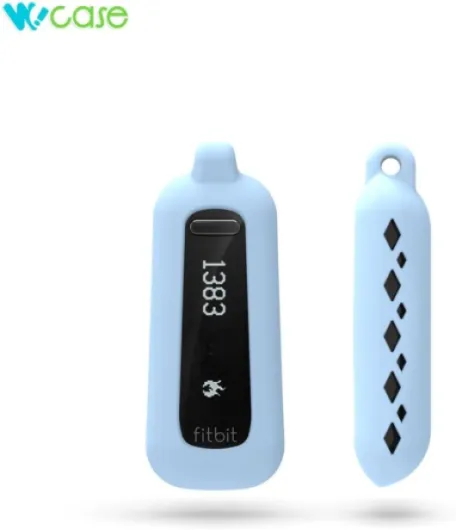
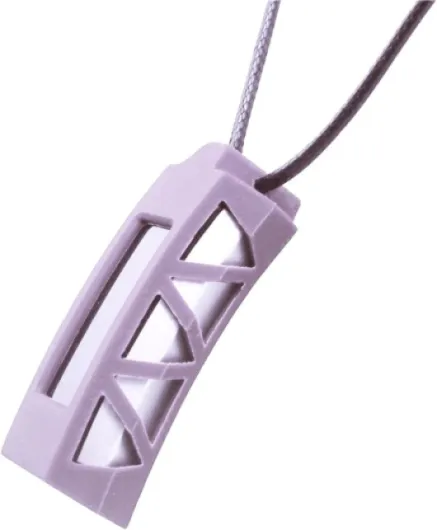
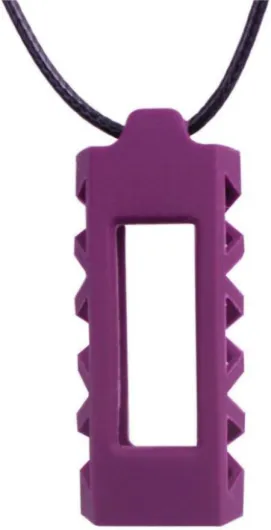
Key features that define the best pendant fitness trackers
The best pendant fitness trackers still need strong core features despite their jewellery-like form. At a minimum, a pendant fitness tracker should monitor fitness metrics such as steps, heart rate, and basic workouts with accurate sensors. Many pendant-style fitness trackers now integrate a sleep tracker function to analyse sleep stages and sleep stress patterns overnight.
Battery performance is critical because people often forget that a pendant is actually a tracker. Look for a pendant fitness tracker with battery life measured in several days rather than just one long day, since frequent charging undermines the discreet experience. Some pendant fitness trackers use low-power displays or no display at all, which extends battery life but shifts more interaction to the companion app on your phone.
Connectivity also matters because pendant devices rely heavily on a smartphone for detailed data. A good pendant fitness tracker should sync reliably with both Android phones such as a Google Pixel and iOS devices, pushing fitness tracking data into a clear app dashboard. If you prefer slim devices in general, you may also want to compare these pendants with options in this guide to top slim fitness trackers before deciding which format suits your lifestyle.
How pendant trackers compare with watches and rings
People often ask whether the best pendant fitness trackers can compete with a smartwatch or a ring. A pendant fitness tracker usually offers fewer on-device controls than a full smartwatch, but it can still deliver accurate heart rate and sleep data when worn consistently. In contrast, a watch such as an Apple Watch or a Samsung Galaxy Watch provides rich notifications, apps, and a bright display directly on the wrist.
Ring-based devices like the Oura Ring focus on sleep tracking and recovery, while pendant fitness trackers aim for a balance between style and everyday fitness tracking. If you already own a Garmin watch or a Fitbit Inspire bracelet, a pendant fitness tracker might serve as a secondary device for occasions when a sporty band feels out of place. Some shoppers even combine a pendant tracker with a classic analogue watch series to keep smart features invisible during formal events.
Price comparisons also shape the decision between pendants, watches, and rings. Premium smartwatches such as the Garmin Venu or the latest Samsung Galaxy Watch can cost significantly more than a simple pendant fitness tracker with basic monitor fitness functions. Before you chase discounts, it is worth reading guidance on using a promo code for the best fitness tracker deals so that you understand how pricing varies across categories.
Accuracy, sensors, and health monitoring in pendant form
Accuracy remains the central question for any fitness tracker, and pendant devices are no exception. A pendant fitness tracker typically uses optical sensors on the back of the pendant to measure heart rate through the skin on the chest or upper torso. This position can provide stable contact during steady-state workouts, but it may shift during intense movements if the chain length is not adjusted correctly.
When evaluating the best pendant fitness trackers, pay attention to how brands describe their tested algorithms. Some manufacturers publish validation data comparing their heart rate monitor readings with chest straps, which helps you judge how accurate the tracker might be for your own fitness level. If you rely on heart rate zones to structure workouts, you need a pendant fitness tracker that can maintain a consistent rate monitor signal even when you change pace quickly.
Health features extend beyond heart metrics in modern pendant devices. Many pendant fitness trackers now include a sleep tracker mode that records sleep duration, sleep stages, and indicators of sleep stress such as frequent awakenings. The companion app then turns this raw data into daily scores that guide recovery, similar to what you see in high-end devices like the Oura Ring or advanced Garmin models.
Battery life, displays, and everyday usability
Battery life can make or break the experience with pendant fitness trackers. Because these devices often lack a large display, they can achieve impressive battery life measured in multiple days on a single charge. A pendant fitness tracker that lasts a full week of day and night wear reduces the risk of missing sleep data or heart rate trends.
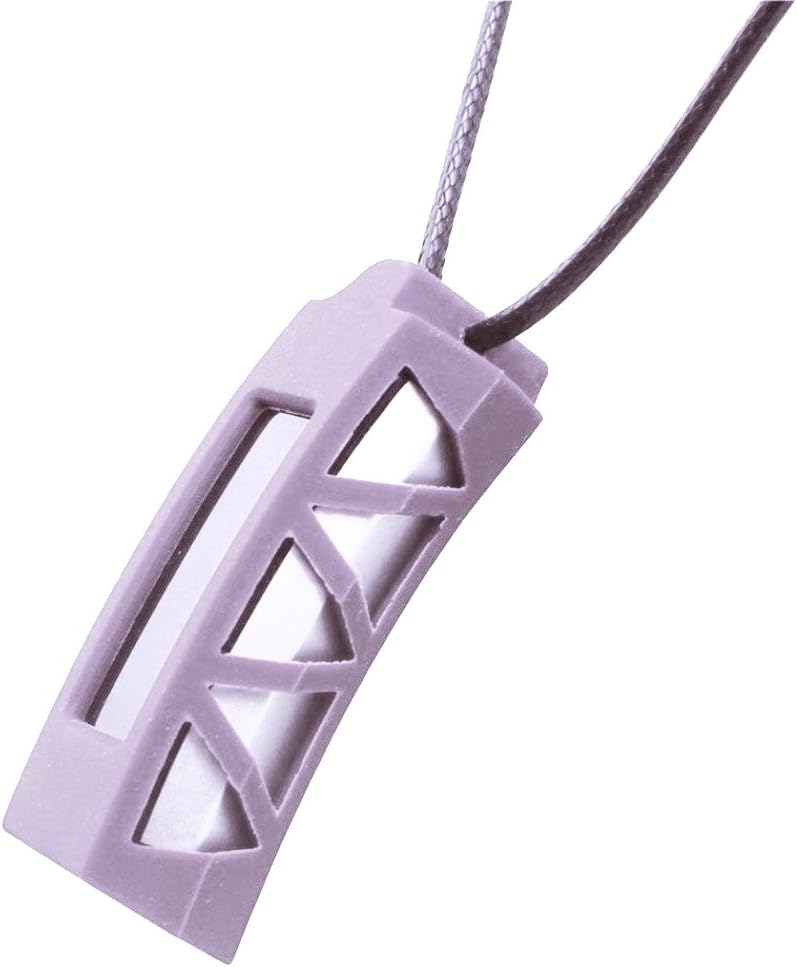
Display design varies widely across the best pendant fitness trackers on the market. Some pendants include a tiny monochrome display that shows steps, heart rate, and basic notifications from your phone, while others skip the display entirely to look like regular jewellery. If you prefer to check fitness data at a glance, you might lean toward a pendant with a subtle display, but if you already use a smartwatch such as an Apple Watch or a Garmin Lily, a screenless pendant may be enough.
Charging methods also influence daily convenience. Many pendant fitness trackers use magnetic charging docks similar to those used by a Galaxy Watch or a Google Pixel Watch, which makes overnight charging straightforward. When you compare options, consider whether the charging cable is proprietary, how long a full charge takes, and whether the tracker can survive a full day of heavy workouts without dipping into low-battery warnings.
How pendant trackers integrate with major ecosystems
Compatibility with your existing devices and apps is essential before you commit to any fitness tracker. The best pendant fitness trackers usually sync with both iOS and Android, but the depth of integration can differ between ecosystems. If you use an Apple Watch or another watch series from Apple, you may want a pendant fitness tracker whose app can share health data with Apple Health for unified records.
Android users often look for pendant fitness trackers that work smoothly with phones such as a Google Pixel or a Samsung Galaxy device. In that case, check whether the tracker app exports data to Google Fit or other popular fitness tracking platforms, so that workouts and sleep data appear alongside information from your smartwatch. People who already own a Garmin Venu or a Garmin Lily sometimes prefer to stay within the Garmin ecosystem, but pendant options there remain limited compared with wrist-based devices.
Third-party apps can also extend what pendant fitness trackers can do. Some pendant devices allow you to connect with training platforms that analyse heart rate variability, sleep stress, and long-term fitness trends in more depth than the default app. If you are serious about monitor fitness metrics over months rather than days, prioritise a pendant fitness tracker that exports clean data in standard formats.
Choosing the right pendant tracker for your lifestyle
Selecting among the best pendant fitness trackers starts with an honest look at your daily routine. Office professionals who attend frequent meetings may value a pendant fitness tracker that looks like a simple necklace yet still tracks heart rate, steps, and sleep quietly in the background. In contrast, people who train for endurance events might need a more robust tracker with advanced workouts profiles, even if that means pairing a pendant with a dedicated sports watch.
Think carefully about which metrics you will actually use. If your main goal is to improve sleep, then prioritise a pendant fitness tracker with strong sleep tracker capabilities, detailed sleep stress analysis, and a clear app interface that turns raw data into practical advice. For users focused on general fitness and weight management, step counts, heart rate zones, and daily activity reminders may matter more than complex recovery scores.
Style and comfort should not be underestimated when you compare pendant fitness trackers. Chain length, pendant weight, and material all affect whether you will wear the tracker every day, and consistent wear is the only way to build a reliable health data history. If you are also considering wrist-based devices, you can explore curated lists such as top smartwatches for women to see how pendant options stack up against slim, fashion-focused watches.
Key statistics on pendant and wearable fitness trackers
- Global shipments of fitness trackers and smartwatches exceeded 190 million units in 2022 according to IDC’s Worldwide Quarterly Wearable Device Tracker (see: idc.com), showing how mainstream wearable fitness tracking has become across age groups.
- Consumer surveys from Statista in 2023 report that more than 40 percent of wearable owners use their device primarily for heart rate and sleep tracking (source overview: statista.com), which aligns closely with the strengths of pendant fitness trackers.
- Battery life remains a top concern, with research from Counterpoint Research’s 2022 Global Smartwatch Model Tracker (summary at counterpointresearch.com) finding that users are significantly more satisfied when devices last at least five days between charges.
- Studies published in medical journals such as JAMA and JAMA Cardiology (for example, Shcherbina et al., 2017, and Bent et al., 2020, accessible via jamanetwork.com) have shown that optical heart rate sensors in modern fitness trackers can achieve error rates under 5 percent during steady-state exercise, though accuracy still varies by device placement and skin contact.