Best fitness trackers for iPhone: how to choose the right wearable
Apple Watch versus dedicated fitness trackers on iPhone
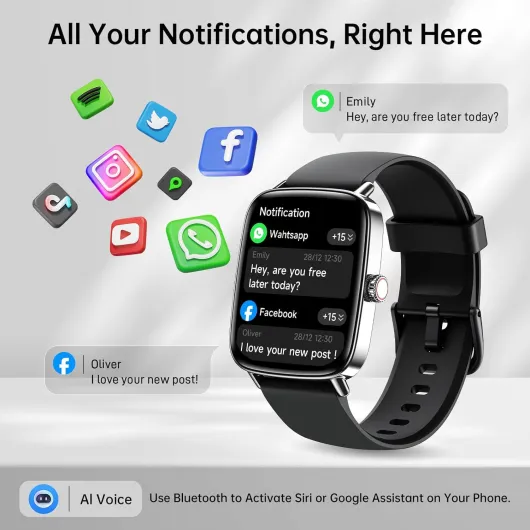
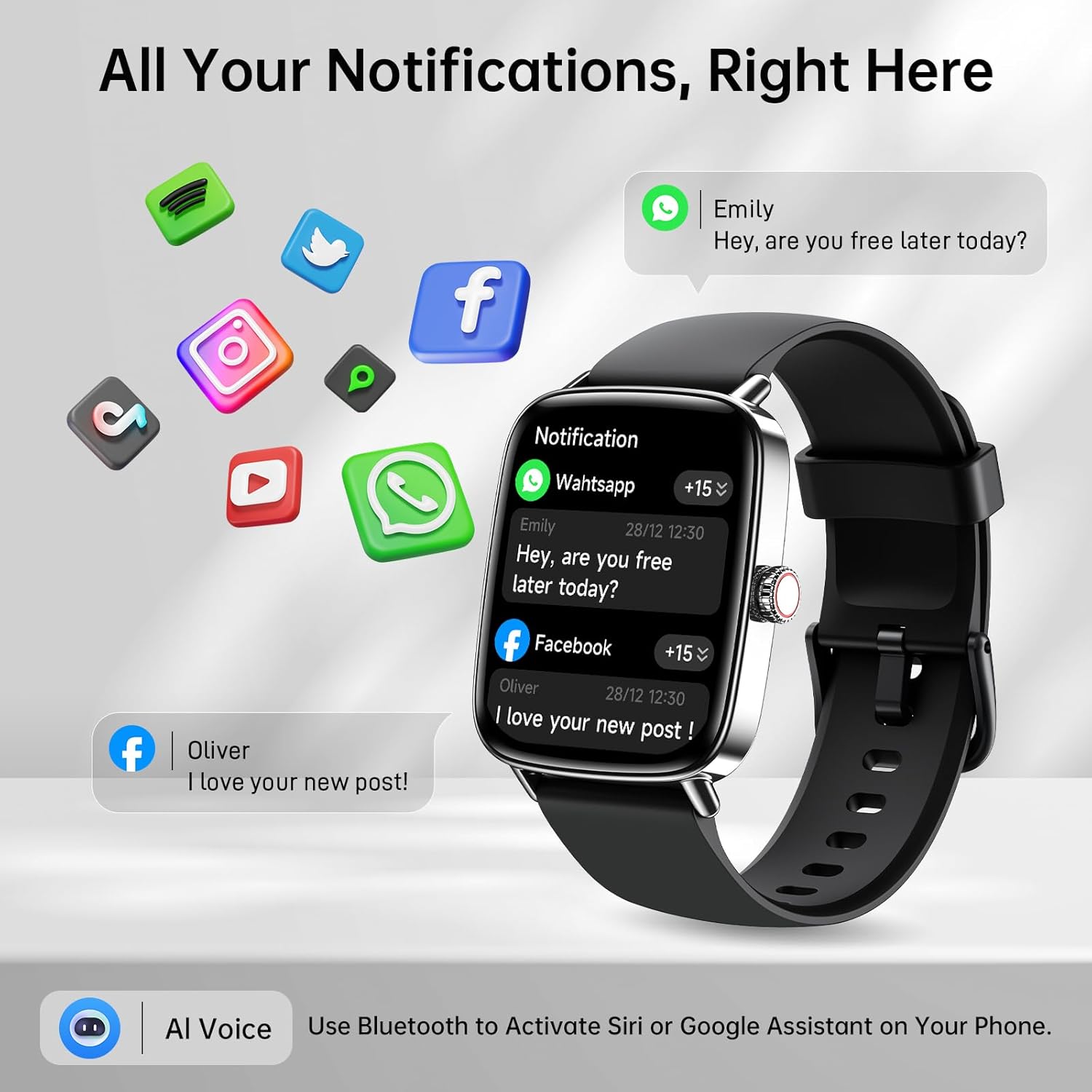
For many iPhone owners, the Apple Watch remains the default choice among the best fitness trackers for iPhone. It integrates tightly with Apple Health, supports detailed heart rate tracking, and mirrors notifications from your iPhone or iPhone Pro with almost no friction. The latest Apple Watch models, such as Series 9 and Apple Watch Ultra 2, also add advanced health features including blood oxygen estimation, fall detection, ECG, and irregular rhythm alerts.
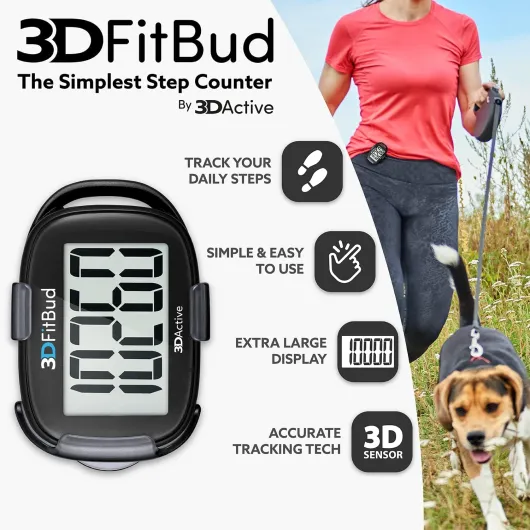
However, a dedicated fitness tracker can still be the best option if you value simplicity and long battery life. Devices like Fitbit Charge 6, Garmin Vivosmart 5, or Oura Ring Gen 3 focus on metrics such as sleep stages, resting heart rate, readiness or recovery scores, and daily activity without the constant stream of smartwatch alerts. Many users find that a quieter tracker helps them stay focused on training and recovery rather than every message that hits their phone.
When comparing Apple Watch models, pay attention to Watch Series differences in sensors, battery, and durability. Higher-end versions like Apple Watch Ultra 2 often include more precise multi-band GPS, better battery life for long runs, and improved ruggedness for outdoor activity. If you want to buy once and keep the same watch for several years, investing in a more capable Watch Series can provide better long-term value.
Price, value, and where to buy
Price gaps between an Apple Watch, a Fitbit Charge, and an Oura Ring can be significant, especially when you factor in optional subscriptions. As of 2024, Apple Watch Series 9 typically starts around $399, Fitbit Charge 6 around $160, and Oura Ring Gen 3 from roughly $299 before membership fees. Retailers such as Best Buy, Apple Stores, and brand websites often run seasonal promotions on fitness trackers and smartwatch bundles.
Some buyers prefer to purchase from a specialist retailer that understands health and fitness products rather than a general electronics chain. These stores can explain differences in heart rate accuracy, GPS performance, battery life, and water resistance in more detail, which helps you match a tracker to your specific activity profile. If you are hunting for the best fitness tracker deals, using a dedicated guide to promotions can also reduce the overall cost of upgrading your watch or ring.
For example, readers who want structured advice on discounts can consult a detailed guide on how to use a Whoop promo code for the best fitness tracker deals at this specialized resource on fitness tracker promotions. Even if you ultimately choose an Apple Watch or Fitbit Charge instead of Whoop, understanding how brands structure offers helps you time your purchase. In many cases, waiting for a major sale event can free enough budget to step up to a more advanced fitness tracker with better health features.
Rings, bands, and slim designs for discreet iPhone tracking
Not every iPhone owner wants a large watch on their wrist all day. For people who prefer subtle devices, slim fitness trackers and health rings can deliver the best balance between comfort, style, and continuous tracking. These compact designs still monitor heart rate, sleep, and activity while blending into everyday outfits and office wear.
The Oura Ring is the most visible example of a smart ring that pairs well with iPhone and iPhone Pro models. It focuses on sleep tracking, heart rate variability, temperature trends, and recovery scores rather than acting as a full smartwatch with apps and calls. Many users wear an Oura Ring alongside a traditional analog or luxury watch, using the ring for health data and the watch purely as a style accessory.
Slim wristbands such as Fitbit Charge 6, Garmin Vivosmart 5, or other minimalist fitness trackers appeal to people who dislike bulky screens. These trackers usually offer strong battery life, basic smart notifications, and water resistance suitable for showers and pool sessions. If you want more ideas in this category, a curated overview of top slim fitness trackers at this guide to slim fitness wearables can help you compare designs and features.
Comfort, sizing, and 24 hour wear
Comfort is critical when you plan to wear a fitness tracker or ring day and night. A device that pinches your wrist, traps sweat, or feels heavy will end up on a bedside table instead of collecting health data. For accurate sleep and heart rate tracking, the tracker must stay in consistent contact with your skin without feeling too tight or restrictive.
Rings require especially careful sizing because swelling, temperature, and activity can change finger circumference. Brands like Oura Ring often provide sizing kits to ensure the ring fits snugly enough for reliable heart rate and blood oxygen readings. If you are between sizes, choose the one that feels secure during activity but still comfortable during long periods of sleep.
Wrist-based fitness trackers offer more flexibility through adjustable bands and alternative straps. Many Apple Watch, Fitbit, Garmin, and Samsung Galaxy Watch models support third-party bands, allowing you to switch between sport straps for activity and leather or metal options for work. This versatility encourages consistent wear, which in turn improves the quality of your long-term health and fitness data.
Battery life, charging habits, and real world usage
Battery life shapes how you use any fitness tracker with an iPhone, especially if you care about sleep tracking. A device that needs daily charging often forces you to choose between tracking overnight sleep or daytime activity. Long-lasting fitness trackers and rings reduce this trade-off, letting you capture continuous heart rate and activity data with fewer interruptions.
Apple Watch models typically offer about 18 to 36 hours of battery life, depending on screen brightness, GPS usage, and health features such as blood oxygen monitoring. In contrast, many Fitbit Charge devices and similar trackers can last up to a week, while some rings like Oura Ring Gen 3 stretch to 4 to 7 days between charges. These differences matter if you travel frequently or dislike managing yet another charger alongside your iPhone or iPhone Pro.
Charging speed also influences real-world convenience, because a quick top-up during a shower can keep your tracker running for another full day. Some smartwatch and fitness tracker brands now support fast charging that delivers several hours of use from a short plug-in session. When comparing the best fitness trackers for iPhone, look at both rated battery life and estimated time to reach 80 percent charge.
Balancing features and endurance
Every extra health feature, from continuous heart rate tracking to all-day blood oxygen sampling and constant GPS, consumes battery. If you enable every sensor on a smartwatch, you may cut battery life in half compared with a more conservative configuration. Power users should experiment with settings to find a balance between rich data and practical endurance that fits their schedule.
Minimalist devices like Oura Ring or basic fitness trackers often win on endurance because they skip bright screens and heavy app ecosystems. They focus on core health metrics such as sleep, resting heart rate, and daily activity, which require less energy than streaming music or running third-party apps. For many iPhone owners, this trade-off delivers the best experience, especially when they already rely on the phone for advanced smart functions.
If you are curious about the future of long-lasting wearables, research into screenless trackers from companies like Google, Garmin, and Whoop is worth following. A detailed analysis of why your next wearable may have no display at all is available at this article on screenless fitness trackers. These concepts aim to maximize battery life and comfort while still feeding rich health data into your iPhone and other devices.
Health metrics, data quality, and ecosystem integration
The value of any fitness tracker for iPhone depends on the quality of its health data. Heart rate accuracy, sleep stage estimation, and activity recognition all influence how you interpret trends and make lifestyle changes. While no consumer device matches clinical equipment, the best fitness trackers for iPhone provide consistent, repeatable measurements that help you track progress over time.
Apple Watch, Fitbit Charge, Oura Ring, Samsung Galaxy Watch, and Pixel Watch all use optical sensors to measure heart rate and sometimes blood oxygen. These sensors shine light into your skin and analyze reflections to estimate heart rate and other metrics, which can be affected by skin tone, tattoos, and movement. For the most reliable readings, wear the tracker snugly, keep the underside clean, and position it slightly above the wrist bone during activity.
Ecosystem integration is where iPhone owners gain a clear advantage, because Apple Health can aggregate data from multiple trackers and apps. You might use an Apple Watch for workouts, an Oura Ring for sleep, and a separate heart rate monitor chest strap for high-intensity training, all feeding into one dashboard. This unified view helps you correlate activity, sleep, and recovery without manually merging data from different platforms.
Privacy, sharing, and long term trends
Health data is sensitive, so you should review privacy policies before you buy any fitness tracker or smartwatch. Check how brands handle heart rate, location, and sleep data, including whether they share anonymized datasets with research partners or advertisers. Apple, Fitbit, and Oura all publish detailed privacy statements, and you can usually adjust sharing preferences inside their apps.
Long-term trends matter more than single-day spikes, especially for metrics like resting heart rate and sleep duration. A gradual decline in resting heart rate over several months often signals improved cardiovascular fitness, while persistent sleep debt can warn of burnout. By wearing your fitness tracker consistently and syncing it with your iPhone or iPhone Pro, you build a valuable archive of health and fitness information.
Some users choose to share selected health metrics with clinicians, coaches, or family members through secure channels. Apple Health, Fitbit, and other platforms allow controlled sharing of heart rate, activity, and sleep summaries, which can support medical consultations or training plans. Used thoughtfully, these tools turn your watch, ring, or tracker into a practical extension of your broader health care and fitness strategy.
Cross platform options and future proofing your purchase
While this guide focuses on the best fitness trackers for iPhone, many readers also own other devices. If you use a work phone on Android or plan to switch platforms later, choosing a tracker that supports both iOS and Android can protect your investment. Fitbit, Oura Ring, Samsung Galaxy Watch, Garmin, and Pixel Watch all offer varying degrees of cross-platform compatibility.
Apple Watch remains tightly bound to iPhone, which is ideal if you are committed to the Apple ecosystem. The deep integration between Apple Watch, iPhone, and iPhone Pro models delivers smooth notifications, automatic workout detection, and advanced Watch Series features like unlocking your Mac. However, if you ever move fully to Android, that same integration becomes a limitation because Apple Watch does not pair with non-Apple phones.
By contrast, Fitbit Charge and many other fitness trackers maintain apps for both iOS and Android, letting you switch phones without abandoning years of health data. Oura Ring also supports both platforms, syncing sleep and heart rate metrics to either ecosystem. When you buy a tracker, think about where you expect your phone setup to be in three to five years, not just what you own today.
Which type of tracker suits which user
For iPhone owners who want a single device to handle calls, messages, and workouts, Apple Watch or Samsung Galaxy Watch paired with a secondary phone line can be compelling. These smartwatch options excel at convenience, even if they sacrifice some battery life compared with simpler fitness trackers. They are best suited to people who value connectivity and on-wrist apps as much as health features.
Dedicated fitness trackers like Fitbit Charge or minimalist rings such as Oura Ring suit users who prioritize health, fitness, and recovery. These devices focus on heart rate, sleep, and activity data, often with better battery life and less distraction than a full smartwatch. They pair well with iPhone and iPhone Pro models for people who prefer to keep most smart functions on the phone itself.
Hybrid setups, where you use a smartwatch for daytime activity and a ring or slim tracker for sleep, are becoming more common. This approach lets you enjoy rich Watch Series features without sacrificing overnight comfort or battery life. As ecosystems mature, the best fitness trackers for iPhone will increasingly work together, turning your devices into a coordinated health monitoring network.
Key statistics about fitness trackers for iPhone
- A report from Counterpoint Research found that Apple Watch accounted for roughly one third of global smartwatch shipments, underscoring its dominance among iPhone users compared with other fitness trackers. You can review the latest figures directly on Counterpoint Research’s wearable market share pages at counterpointresearch.com.
- Studies published in journals such as JAMA Cardiology have shown that modern wrist-based heart rate sensors can achieve accuracy within about 5 to 10 percent of clinical-grade equipment during steady-state exercise, which is sufficient for most consumer fitness tracking. Specific validation papers are available through the JAMA Cardiology website at jamanetwork.com/journals/jamacardiology.
- Survey data from wearable industry analyses indicate that battery life is cited as a top three purchase factor by more than half of fitness tracker buyers, ranking alongside price and comfort for iPhone and Android users alike. Recent summaries can be found in market research firm reports and annual wearable surveys such as those from IDC and Gartner.
- Market research from IDC has documented steady growth in smart ring shipments, with Oura Ring leading the category, reflecting rising interest in discreet sleep and recovery tracking among smartphone owners. IDC’s quarterly wearables trackers provide detailed breakdowns by form factor at idc.com.
- Consumer testing by organizations such as Consumer Reports consistently highlights water resistance and durability as critical reliability factors, especially for users who swim or exercise outdoors in variable weather conditions. Their published ratings and lab notes explain how different trackers perform under stress tests at consumerreports.org.