
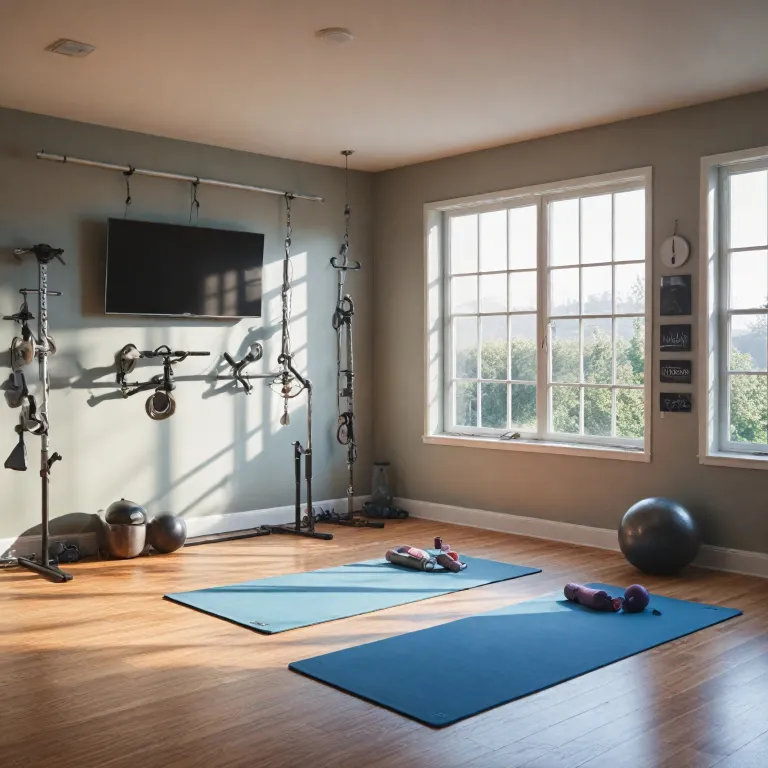
Understanding the basics of speediance and tonal
What Makes Speediance and Tonal Stand Out in Smart Gyms?
When exploring the world of smart gyms, two names often come up: Speediance and Tonal. Both brands have carved out a reputation for bringing advanced technology into home fitness, but their approach and features differ in key ways. Understanding these differences is essential before making a decision about which smart gym fits your fitness goals.
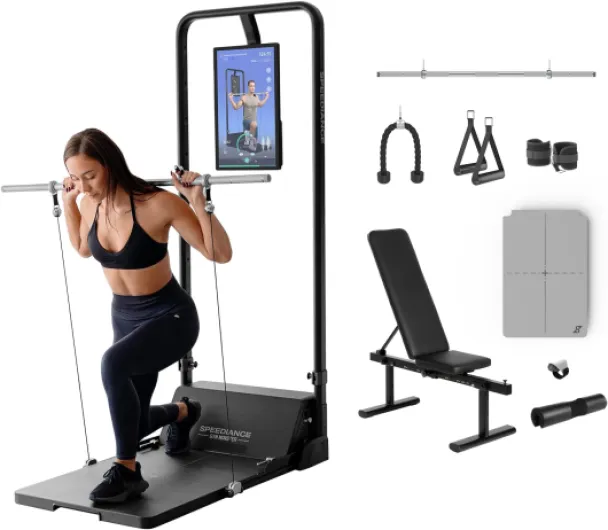
Speediance is often recognized for its compact design and versatility. The Speediance Gym Monster, for example, is a smart gym that combines digital resistance with a variety of accessories like ankle straps, a triceps rope, and a bench roller. It offers adaptive weight adjustments in real time, making it suitable for users looking to personalize their strength training. The system can deliver up to 220 pounds resistance, which is impressive for a device that requires minimal square feet in your home. Speediance offers a free lifetime limited warranty on certain parts, and its roller mat and bench are designed for easy storage and flexibility.
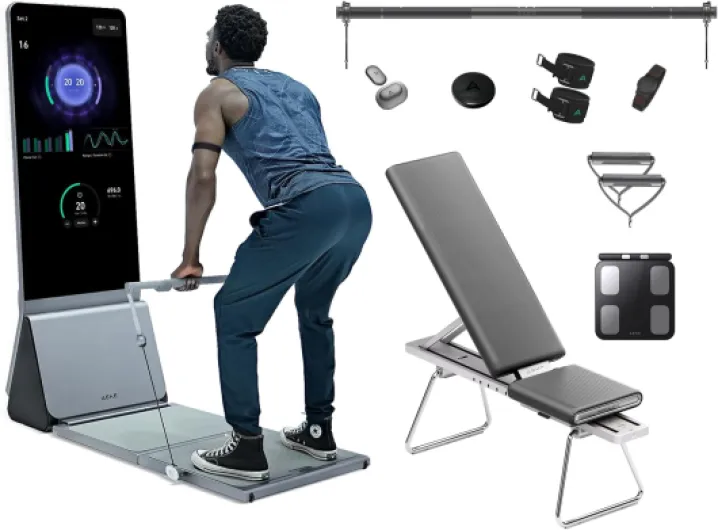
Tonal, on the other hand, is known for its wall-mounted design and digital weight system. It provides up to 200 lbs of resistance using electromagnetic technology, allowing for smooth and precise adjustments during workouts. Tonal’s smart features include real-time feedback, adaptive weight recommendations, and a wide range of strength and fitness programs. The equipment is sleek and space-saving, ideal for those with limited room but high expectations for their home gym. Tonal requires a monthly membership for access to its full suite of training content and community support, and it comes with a multi-year warranty for peace of mind.
- Resistance and Weight: Both systems use digital resistance, but Speediance offers slightly higher maximum pounds resistance and more accessory options out of the box.
- Smart Features: Real-time tracking, adaptive weight, and personalized training are core to both, but the user interface and experience differ.
- Space Requirements: Tonal’s wall-mounted design is ultra-compact, while Speediance’s freestanding gym monster is portable and can be stored away.
- Accessories: Speediance includes more accessories like ankle straps and a roller mat, while Tonal’s add-ons are sold separately.
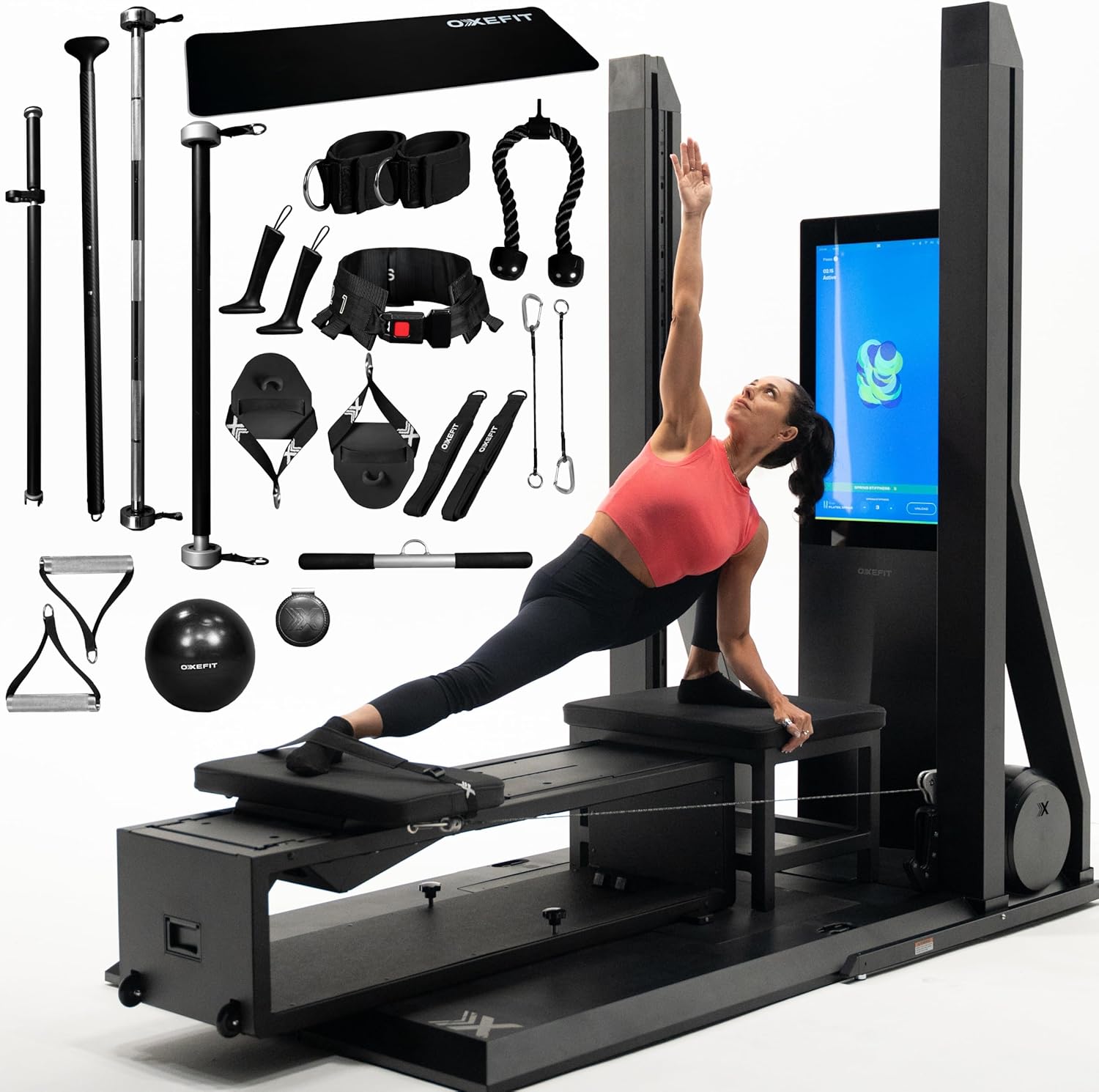
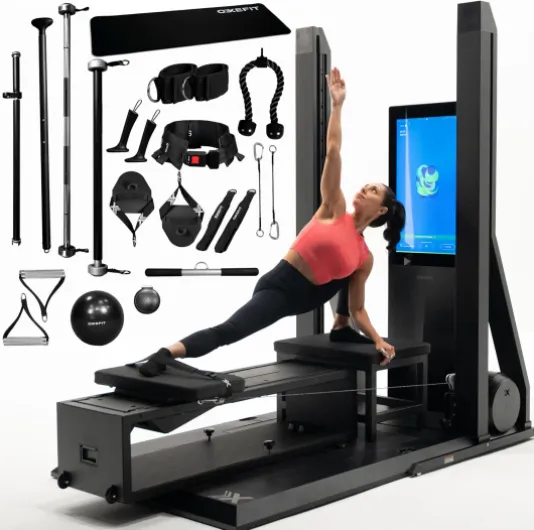
Both Speediance and Tonal are part of a growing trend in smart gyms, competing with other brands like Oxefit. They cater to users seeking a blend of technology, convenience, and effective strength training at home. For those interested in how smartwatches and fitness trackers can complement these systems, check out this guide on what smartwatches can track for you to see how wearable tech fits into your overall health and fitness journey.
Workout variety and training programs
Exploring Training Options and Workout Flexibility
When it comes to smart gyms, workout variety is a major factor for anyone serious about strength and fitness. Both Speediance and Tonal have carved out strong reputations for offering a wide range of training programs, but there are some differences worth noting. Speediance offers a library of workouts that cover everything from traditional strength training to HIIT, cardio, and even rowing. The Speediance Gym Monster, for example, comes with built-in accessories like a bench roller, triceps rope, and ankle straps, making it easier to target different muscle groups. The resistance system is digital, allowing you to adjust weight in real time, up to 220 pounds resistance. This adaptive weight feature is especially helpful for progressive overload and tracking your gains. Tonal, on the other hand, is known for its smart adaptive weight system and a strong focus on strength training. The machine uses electromagnetic resistance, offering up to 200 lbs of resistance, and automatically adjusts the weight based on your performance. Tonal’s training programs are designed by certified coaches and cover everything from beginner to advanced levels. You’ll find workouts for strength, mobility, and even yoga, with options to customize your training plan based on your goals. For those with limited space, both smart gyms are compact compared to traditional equipment. The Speediance gym can fit into spaces as small as a few square feet, while Tonal mounts on the wall, saving valuable floor space. Accessories like the roller mat and bench roller add to the versatility without cluttering your home. If you’re comparing Speediance, Tonal, and even other smart gyms like Oxefit, it’s important to consider the variety and depth of workouts available. Some users appreciate the free lifetime access to Speediance’s workout library, while Tonal requires a monthly membership for full access to its training programs. Both brands offer limited warranty years, which is worth checking in your review process. For more on choosing the right smart band or accessory to complement your smart gym setup, check out this guide on choosing the right smart band for your watch. In summary, both Speediance and Tonal deliver robust, smart training experiences with a focus on strength, adaptive resistance, and workout variety. The right choice depends on your preferred training style, available space, and whether you value a free or subscription-based workout library.Fitness tracking capabilities compared
How Smart Gyms Track Your Progress
When comparing Speediance and Tonal, fitness tracking is a core feature that sets these smart gyms apart from traditional equipment. Both brands use advanced sensors and software to monitor your strength, reps, resistance, and overall workout performance in real time. This data-driven approach helps you understand your progress and adjust your training for better results.
- Speediance offers adaptive weight tracking, automatically adjusting resistance based on your performance. Each rep and set is logged, so you can see improvements in pounds resistance and track your strength gains over time. The system also records accessory use, like ankle straps or the triceps rope, giving a full picture of your workout variety.
- Tonal uses digital weight technology to provide precise resistance measurements. It tracks your sets, reps, and total weight lifted (in lbs), and analyzes your form using built-in sensors. Tonal’s smart algorithms suggest adjustments to your training, aiming to optimize your strength and health outcomes.
Both systems offer detailed workout history and progress charts, accessible through their respective apps. This makes it easy to review your training, whether you’re focused on strength, weight loss, or general fitness. If you’re interested in how fitness trackers can enhance your gym experience, check out this guide to fitness trackers for deeper insights.
Comparing Features for Serious Training
For those who want a smart gym that supports a wide range of workouts, both Speediance and Tonal deliver. Speediance gym monster, for example, includes a roller mat and bench roller for added versatility, while Tonal’s accessories expand your training options. Each platform supports strength training, cardio, and functional workouts, with real time feedback to keep you motivated.
Some users may also compare these systems to other smart gyms like Oxefit, especially when considering monthly membership costs, warranty years, and space requirements (measured in square feet). Both Speediance and Tonal offer limited warranties and ongoing software updates, which add value to your investment.
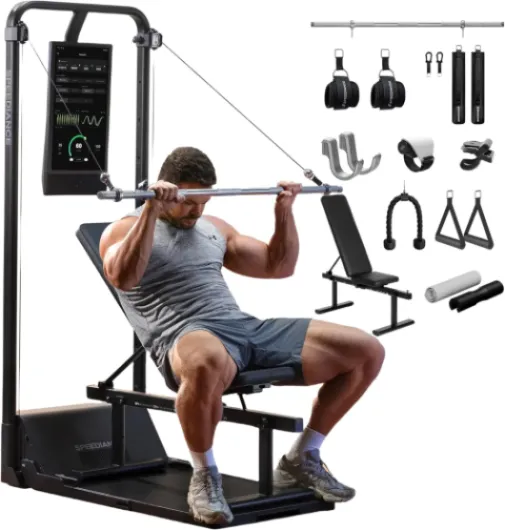
- + Multi-Functional for full body strength training
- + Digital Weight System for accurate tracking
- + Includes Squat Rack for versatility
- + All-in-one gym equipment saves space
- + Smart AI features for personalized workouts

Equipment design and space requirements
How Much Room Do You Need for a Smart Gym?
When choosing between Speediance and Tonal, space is a big factor. Both smart gyms are designed for home use, but their setups and requirements differ. Tonal mounts directly to a wall, making it a good fit for rooms with limited floor space. It needs about 7 feet by 7 feet of clear area for safe workouts, and a sturdy wall for installation. The system is slim, but you’ll need extra room for accessories like the bench and roller mat.
Speediance, on the other hand, is a freestanding unit. It doesn’t require wall mounting, which means you can move it if needed. The footprint is compact—roughly 4 square feet—but you’ll want a bit more space for full range of motion, especially if you use the bench roller or add-ons like ankle straps and the triceps rope. The Speediance Gym Monster is known for its portability, folding up for storage when not in use. This is a plus for those with smaller apartments or shared spaces.
Build Quality, Accessories, and Durability
Both smart gyms use digital resistance, replacing traditional weight stacks with adaptive weight technology. Tonal offers up to 200 pounds resistance, while Speediance offers up to 220 lbs. This makes both suitable for strength training, from beginners to advanced users. The construction quality is solid on both, with steel frames and high-grade cables. Accessories like the bench, roller mat, and triceps rope are included or available as add-ons, depending on the package and membership level.
Speediance offers a free lifetime limited warranty on its main frame, with 2 years on accessories. Tonal provides a 3-year limited warranty, covering the hardware and accessories. It’s important to check the details, as warranty years and coverage can impact long-term value.
Comparing Setups: Which Fits Your Home?
| Feature | Speediance | Tonal |
|---|---|---|
| Installation | Freestanding, portable | Wall-mounted, permanent |
| Space Needed | 4–6 square feet (plus room for movement) | 7 x 7 feet clear area |
| Resistance | Up to 220 lbs digital | Up to 200 lbs digital |
| Accessories | Bench, roller mat, ankle straps, triceps rope | Bench, smart handles, bar, rope |
| Warranty | Lifetime (frame), 2 years (accessories) | 3 years (hardware & accessories) |
For those who want a smart gym that adapts to changing spaces, Speediance offers flexibility. If you prefer a sleek, built-in look and have a dedicated workout area, Tonal is a strong contender. Both deliver real time feedback and adaptive weight adjustments, supporting a wide range of strength and fitness goals. Consider your available space, installation preferences, and accessory needs before making a decision.
Cost, subscriptions, and value for money
Breaking Down the Price Tag
When comparing smart gyms like Speediance and Tonal, the cost goes beyond the initial purchase. Both brands position themselves as premium home gym solutions, but there are key differences in what you get for your money. Here’s what to consider:
- Upfront Equipment Cost: Tonal typically comes in at a higher price point than Speediance. The base unit includes the smart resistance system and a selection of accessories, but adding extras like the bench or triceps rope can increase the total.
- Accessories Included: Speediance offers a package that often includes more accessories, such as the bench roller, ankle straps, and roller mat, which can save you money compared to buying these items separately for Tonal.
- Adaptive Weight and Resistance: Both systems provide digital resistance, measured in pounds (lbs), but the maximum resistance differs. Tonal offers up to 200 lbs, while Speediance’s gym monster model can reach higher resistance, which may appeal to those focused on strength training.
Membership and Ongoing Costs
To unlock the full smart gym experience, both Speediance and Tonal require a monthly membership. This subscription gives access to real time workout tracking, personalized training programs, and a library of strength and fitness workouts. Here’s how they compare:
- Monthly Membership: Tonal’s monthly membership is slightly higher, but both platforms offer similar features such as adaptive weight, workout variety, and community support.
- Lifetime and Limited Warranty: Speediance offers a free lifetime membership for early adopters, which can be a significant value. Tonal provides a limited warranty, typically covering a few years, while Speediance’s warranty years may vary by region and model.
Value for Your Space and Investment
Space requirements can impact the overall value. Tonal mounts on the wall and takes up minimal square feet, making it ideal for smaller spaces. Speediance, especially the gym monster and speediance gym models, may require more floor space but offer more flexibility in workout positions and accessories. If you need a smart gym that adapts to your available space and training style, this is an important consideration.
| Feature | Speediance | Tonal |
|---|---|---|
| Starting Price | Lower | Higher |
| Accessories Included | Bench, roller mat, ankle straps, triceps rope (varies) | Fewer included, more add-ons |
| Max Resistance (lbs) | Up to 220 lbs (gym monster) | Up to 200 lbs |
| Monthly Membership | Competitive, sometimes free lifetime | Required, slightly higher |
| Warranty | Varies, some models with lifetime | Limited, usually 3 years |
When making your decision, weigh the upfront cost, included accessories, ongoing membership, and how each smart gym fits your fitness and space needs. Reading a detailed review and considering your strength training goals will help you choose the best value for your home gym investment. For those comparing with other brands like Oxefit, check for similar features and warranty coverage to ensure you get the most out of your smart gym purchase.
User experience and community support
Everyday Use and Community Features
When it comes to smart gyms like Speediance and Tonal, the user experience goes beyond just the hardware. Both brands aim to make strength training accessible and motivating, but their approaches differ in subtle ways that can impact your daily routine.
Speediance offers a streamlined interface with real time feedback during workouts. The smart gym’s touchscreen is intuitive, and switching between accessories like the triceps rope, ankle straps, or the bench roller is quick. The Speediance gym monster model, for example, is designed to minimize setup time, so you can move from squats to rows without losing momentum. The roller mat and compact footprint (often under 10 square feet) make it a practical choice for smaller spaces.
Tonal, on the other hand, is praised for its adaptive weight system and digital resistance up to 200 pounds. The interface is polished, and the smart gym’s AI-driven coaching adjusts resistance in real time based on your performance. Tonal’s membership unlocks a library of guided workouts and strength training programs, with new content added regularly. The community features, such as leaderboards and progress tracking, help keep motivation high, especially for those who thrive on a bit of friendly competition.
Support, Warranty, and Ongoing Value
Customer support and warranty terms are important for any investment in a smart gym. Speediance offers a limited warranty, typically covering key components for several years, and some models include a free lifetime membership for basic features. Tonal provides a warranty as well, with options to extend coverage for additional years. Both brands have active online communities where users share reviews, training tips, and setup advice.
- Speediance: Quick accessory swaps, compact design, free lifetime membership on select models, limited warranty years, active user forums.
- Tonal: Adaptive weight, AI coaching, monthly membership for premium content, extended warranty options, strong community support.
Both Speediance and Tonal are designed to fit into your lifestyle, whether you’re focused on maximizing strength, saving space, or enjoying a connected fitness community. The choice often comes down to which smart features, accessories, and support systems align best with your health and training goals.