Why fitness tracker owners often need to remove links from a watch band
A fitness tracker only works well when the watch band fits correctly. If the bracelet is too loose, the optical sensor on the watch will misread your heart rate and daily activity, while a band that is too tight can leave marks and reduce comfort during long workouts. Many people therefore need to remove links from watch band designs, especially when they buy stainless steel watches or upgrade to metal watch bands for their trackers.
Understanding how to remove links safely matters more than it seems. A rushed attempt to remove watch links with the wrong tools can scratch the watch, bend pins, or damage the clasp, and this kind of link removal mistake may even void a warranty. When you work carefully with the right pin pusher or push pin tools, you can keep the bracelet secure while still allowing enough movement for accurate readings.
Fitness trackers add another layer of nuance to the process. Many models use integrated lugs or curved watch bands that sit close to the wrist, so you must measure links precisely before any removal to avoid misaligning the side clasp or stressing the case. Taking time to count the number links you plan to remove from each side of the watch band will keep the watch centered on your wrist and ensure that links removed do not unbalance the watch during running or strength training.
Essential tools and preparation before you remove links from a watch band
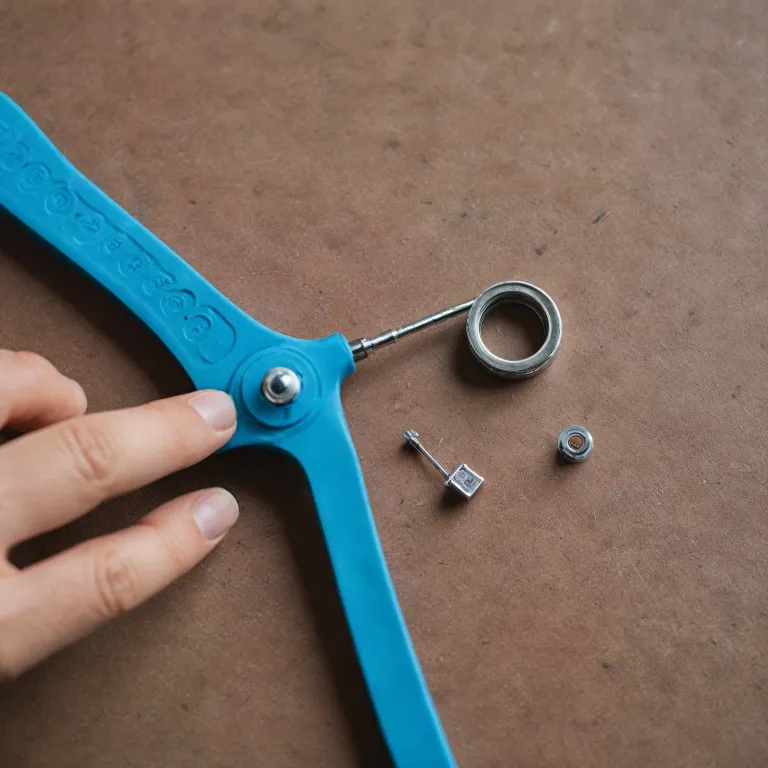
Before you remove links from watch band bracelets on fitness trackers, gather the correct tools. You will usually need a dedicated links tool or compact pin pusher, a small tray for loose pins, and a soft cloth to protect the watch from scratches while you work. Some watches also benefit from a narrow push pin or push pins set, especially when the bracelet uses friction pins instead of screws for each removable link.
Place the watch face down on a stable surface and check the inside of the band. You will see small arrows pointing along certain links, and these arrows pointing in one direction indicate how the pins should move during link removal, which is crucial when you remove watch links without damaging the bracelet. Count the number links you want to change, then measure links against your wrist by wrapping the band around and marking the ideal closure point near the clasp.
Many stainless steel watch bands on trackers, such as those tested in detailed reviews like the T Series 16 black fitness watch review, use a side clasp that hides part of the adjustment system. Open the clasp fully and check for any removable link near the top and bottom of the bracelet, because some watches place removable link sections closer to the case. This preparation step will save time, reduce the risk of bent pins, and help ensure that links removed from the watch band do not compromise comfort during high intensity training.
Step by step method to remove links from a watch band
Once you are ready to remove links from watch band segments, work slowly and follow a clear step by step process. Start by placing the bracelet in the links tool or on a block with a small hole that allows the pin to exit cleanly from the link. Align the pin pusher or push pin with the first pin you want to move, making sure the arrows pointing on the underside of the band guide the direction in which you will push.
Apply gentle pressure with the pin pusher until the pin slides partway out of the link. Use your fingers or a pair of fine tweezers to pull the pin completely free, then set it aside in a safe place so that no pins are lost during the link removal process. Repeat this step for the second pin on the removable link, and once both pins are out, the removable link will separate from the rest of the bracelet, leaving two open ends of the watch band.
Reconnect the bracelet by aligning the remaining links from each side and sliding one of the original pins back through the holes. A few light taps with the links tool or a small hammer will secure the pin flush with the surface, and you should feel the watch links lock firmly into place. If you are adjusting a tracker used for running or walking analysis, consider pairing this work with comfort upgrades such as the in depth guide on how insoles improve your fitness tracker experience, because a stable wrist and balanced stride both influence sensor accuracy.
Balancing comfort, sensor accuracy, and style after link removal
After you remove links from watch band sections, test the fit carefully on your wrist. Close the clasp and check whether the watch can slide about one centimeter along the skin, because this small movement allows blood flow while keeping the optical sensor in close contact. If the bracelet feels too tight or too loose, you may need to measure links again and adjust the number links removed from each side of the band.
Fitness trackers rely on consistent placement for accurate readings. When watch links are unevenly shortened, the watch may tilt toward the top or bottom of the wrist, which can affect heart rate tracking and step counting during daily activity. To avoid this, try to remove watch links symmetrically from both sides of the clasp, and always check that the side clasp closes in the center of your wrist rather than pulling the watch case off to one side.
Style also plays a role in how you work with links and pins. Stainless steel bracelets and hybrid watches often look more refined when the link removal is invisible, with no gaps or misaligned segments near the clasp or case. Many fitness enthusiasts choose metal watch bands for their durability and elegance, and guides such as this overview of why stainless steel straps elevate fitness trackers explain how a well adjusted bracelet can transform both comfort and appearance during training and everyday wear.
Common mistakes when using tools to remove links from a watch band
Several recurring errors appear when people remove links from watch band bracelets without proper guidance. One frequent mistake is pushing pins against the arrows pointing on the underside of the links, which can bend the pin or damage the hole and make future link removal difficult. Another issue arises when users apply too much force with a pin pusher or push pins tool, causing scratches on the bracelet or even cracking delicate ceramic inserts on some watches.
Rushing the process can also lead to lost pins and unstable watch bands. If you do not place removed pins in a secure tray, a single missing pusher pin can prevent you from reconnecting the bracelet, leaving the watch unwearable until a replacement arrives. Always count the number links you have opened, keep track of each removable link, and verify that all links removed match your original plan before you close the clasp and test the fit.
Another subtle problem involves ignoring how fitness trackers sit on different wrist shapes. People with narrow wrists sometimes remove watch links only from one side of the band, which pulls the side clasp off center and makes the watch case twist during movement. To avoid this, measure links on both sides, aim for symmetrical link removal, and check that the top of the watch remains flat against the wrist when you flex your hand, because this position supports accurate sensor readings during workouts and sleep tracking.
When to seek professional help and how to maintain adjusted watch bands
Although many users can safely remove links from watch band bracelets at home, some situations justify professional assistance. If your watch uses unusually tight friction pins, complex integrated lugs, or a hidden side clasp mechanism, a watchmaker will have specialized tools to perform precise link removal without risking damage. This is especially relevant for premium fitness watches where the bracelet integrates closely with sensors and case materials that should not be scratched.
After you have the number links adjusted correctly, ongoing maintenance will keep the bracelet secure. Periodically check that all pins remain fully seated in each removable link, especially after intense training sessions where sweat and vibration may loosen components, and gently clean the watch band to remove salt and debris that can affect the movement of pins. If you notice any play in the watch links or hear a faint rattle near the clasp, stop wearing the watch until you inspect the area and, if needed, use a links tool or pin pusher to reseat the pin in its place.
For people concerned about data handling when using online guides or services, it is wise to read the privacy policy of any platform that offers tutorials or remote support related to watches and fitness trackers. Responsible sites explain how they manage user information, which reinforces trust when you rely on their advice about how to remove watch links or choose new watch bands. With careful work, appropriate tools, and occasional professional checks, you can keep links removed safely, maintain comfort, and ensure that your fitness tracker continues to provide reliable insights into your health and daily activity.
Frequently asked questions about removing links from a watch band
How tight should a fitness tracker watch band be after link removal ?
The band should be snug but not restrictive, allowing the watch to move about one centimeter along the wrist. This balance keeps the optical sensor in close contact without compressing the skin. If you see deep marks or feel numbness, you should add back a link or adjust the clasp.
Can I remove links from any metal watch band at home ?
Most stainless steel bracelets with visible pins and arrows pointing on the underside can be adjusted at home with a proper links tool. However, integrated or high end bracelets may use complex systems that are safer in the hands of a professional watchmaker. When in doubt, ask a specialist before attempting link removal yourself.
Will removing links affect the durability of my fitness tracker band ?
When done correctly with the right pin pusher and gentle technique, removing links does not reduce durability. Problems arise only if pins are bent, holes are damaged, or the clasp is misaligned during the process. Regular checks for loose pins will help maintain long term strength.
How many links should I remove from a new watch band ?
There is no universal number links to remove, because wrist sizes vary widely. Start by measuring the bracelet around your wrist, then remove watch links gradually from both sides until the fit is snug yet comfortable. It is safer to remove fewer links first and test the fit than to shorten the band too aggressively.
What if I lose a pin while adjusting my watch band ?
If a pin is lost during adjustment, do not wear the watch until it is replaced, because the bracelet may fail unexpectedly. Many watch repair shops and online retailers sell compatible replacement pins and push pins sets for common watch bands. Bring the watch and remaining pins with you so the technician can match the correct size and style.
Trusted sources for further reading : Mayo Clinic, American Heart Association, Consumer Reports.
