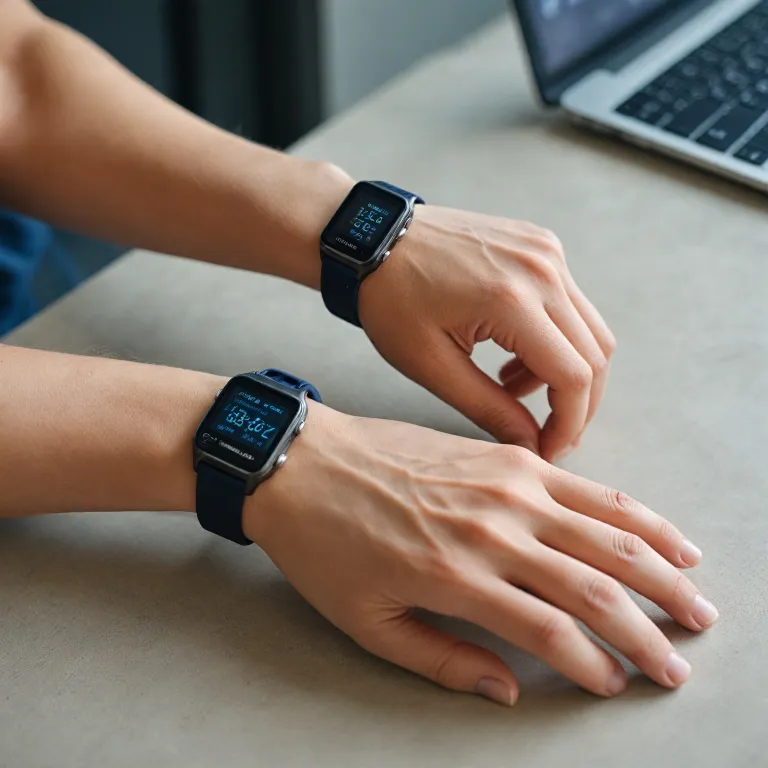
Why learning how to replace watch strap matters for fitness trackers
Understanding how to replace watch strap on a fitness tracker gives you control over comfort. When you know how to remove a worn strap and fit a fresh replacement strap, you extend the life of the device and avoid unnecessary upgrades. This matters especially when the watch face still works perfectly but the original strap leather or silicone band has failed.
Most modern fitness watch straps use a small metal spring bar hidden between the lugs on each side. This spring bar connects the strap to the bar lug area of the case and keeps the watch secure on your wrist during training. When you change straps, you must safely depress spring mechanisms on both spring bars without scratching the side watch surfaces or damaging the lug hole.
Fitness trackers often use quick release systems that make strap replace tasks easier. A quick release strap has a tiny release pin or release spring lever on the underside, so you can remove strap parts without a separate bar tool. However, even with quick release watch straps, you still need to check the width between lugs and ensure the new replacement strap will fit and stay in place.
For people who train daily, the ability to replace watch bands quickly is more than a cosmetic skill. A secure strap spring connection prevents the watch from flying off during sprints or strength work, while the right strap leather or silicone reduces skin irritation. Learning how to replace watch strap correctly also helps you switch between sport straps and dressier leather straps for different parts of your day.
Essential tools and checks before you change a fitness tracker strap
Before you change any fitness tracker strap, gather the right tool and inspect the watch. A dedicated bar tool with a forked tip makes it easier to depress spring mechanisms on traditional spring bars without slipping. If your watch strap uses a quick release system, you may not need a bar tool, but you should still work on a soft surface to protect the watch face and case.
Measure the width between the lugs on each side of the watch to ensure the replacement strap will fit. This lug width, usually between 18 and 24 millimetres on many fitness watches, determines which watch straps you can safely use. A strap that is too narrow can move inside the bar lug area, while one that is too wide will not sit correctly in the lug hole or allow the spring bar to lock in place.
Check whether your current strap uses standard spring bars or integrated quick release spring bars. Traditional spring bars require you to insert the bar tool between the strap and the side watch case, then gently depress spring tension to remove strap ends. Quick release straps instead use a small release strap lever or release pin that you slide sideways with a fingernail to free the strap spring from the lugs.
For intense workouts, consider whether strap leather, silicone, or nylon suits your skin and sweat levels. Breathable materials and secure spring bars reduce the risk of chafing and accidental strap replace failures during movement. If you also run or cycle outdoors, pairing a stable strap with supportive accessories like a reliable running headband can keep sweat away from the watch face and improve sensor readings.
Step by step guide to remove strap and spring bars safely
To start learning how to replace watch strap, turn the watch face down on a soft cloth. Identify the lugs on each side and locate the spring bar that holds the strap in place between them. If your strap has a visible quick release lever, you will see the small release spring or release pin near the bar lug area.
For a traditional strap without quick release, insert the forked end of the bar tool between the strap and the side watch case. Gently push the tool toward the strap to depress spring tension on the spring bar, then angle the bar downward out of the lug hole. Once one end of the spring bar is free, you can remove strap sections and slide the bar completely out of the strap spring channel.
Repeat this process on the other side to remove the second strap and its spring bar. Keep both spring bars in a safe place if you plan to reuse them with a new replacement strap, especially if they match the correct width. If the bars show rust, bending, or wear, replace watch hardware with new spring bars to maintain security during workouts.
For quick release straps, use your fingernail to slide the release strap lever toward the centre of the strap. This motion will depress spring tension inside the bar and allow you to lift the strap away from the lugs without a bar tool. When both straps are off, clean the bar lug area and the underside of the watch face before any strap replace step, as sweat and dust can accumulate there over time.
Fitting a new replacement strap on a fitness tracker
When you fit a new replacement strap, first confirm that the strap width matches the distance between lugs. Insert a spring bar into the strap spring channel at one end of the strap, making sure the bar protrudes equally on each side. Position one tip of the spring bar into the lug hole on one side watch area, then use the bar tool to depress spring tension on the opposite tip.
While the spring bar is compressed, guide it between the lugs until it aligns with the second lug hole. Gently release pressure so the bar snaps into place, then tug the strap to confirm the bar lug connection is secure. Repeat this process for the other strap, ensuring both watch straps curve in the correct direction so they sit comfortably on your wrist.
If you are using a quick release replacement strap, slide the integrated release pin toward the centre to shorten the spring bar. Place one end of the bar into the lug hole, keep the release strap lever pulled, and align the other end with the opposite lug. When you let go of the lever, the release spring will extend the bar into the lug hole, locking the strap in place without needing a separate bar tool.
Many fitness enthusiasts like to keep several straps ready for different activities, from strap leather bands for office wear to breathable sport straps for training. Learning how to replace watch strap efficiently means you can change styles in minutes without risking damage to the watch face or lugs. For more guidance on durable everyday options, you can review this detailed guide to choosing the best NATO straps for fitness watch use, which complements the strap replace techniques described here.
Specific challenges when you replace watch straps on fitness trackers
Fitness trackers present unique challenges when you change or replace watch straps compared with classic watches. Many devices use curved lugs or integrated cases that limit which replacement strap options will fit between the lugs. Some models rely on proprietary strap spring systems, where the spring bars and bar lug shapes differ from standard watch hardware.
When the lugs are very close to the watch face, there is less room to insert a bar tool and depress spring tension. In these cases, a slim bar tool and careful angle are essential to avoid scratching the side watch surfaces. If the device uses a hidden release pin or internal release spring, you may need to consult the manufacturer’s guide before attempting any strap replace procedure.
Water resistance is another concern when you remove strap parts on a fitness tracker designed for swimming. While the spring bars and lug hole areas are usually outside the sealed case, rough handling can still stress the bar lug region. Always check that each spring bar sits fully in place after you fit a replacement strap, then gently pull on the straps to confirm they will not detach during vigorous activity.
People who wear strap leather bands for daily life and silicone straps for training must pay attention to skin reactions. Sweat trapped under a tight strap can irritate the skin, especially if the strap width is too large and restricts airflow. When you understand how to replace watch strap correctly, you can rotate between different watch straps, adjust fit, and maintain both comfort and safety during long workouts or sleep tracking sessions.
Maintaining your straps and planning future strap replace cycles
Once you know how to replace watch strap on your fitness tracker, maintenance becomes a routine part of training care. Inspect the strap, spring bars, and lugs every few weeks, especially if you exercise daily or swim often. Look for cracks in strap leather, stretched holes near the bar lug area, or corrosion on the spring bars that might weaken their ability to stay in place.
Clean the underside of the straps and the watch face with mild soap and water, avoiding harsh chemicals that could damage the release spring mechanisms. When you remove strap parts for cleaning, take the opportunity to check each lug hole for debris that might interfere with the spring bar. If you notice any difficulty when you depress spring tension with a bar tool, consider replacing the spring bars before they fail.
Planning a regular strap replace schedule helps you avoid sudden breakage during a run or gym session. Athletes who train intensely may need a new replacement strap every few months, while casual users can often keep the same watch straps longer if they clean them properly. For those who carry a phone during workouts, pairing a secure strap with a stable accessory like a gym phone holder can reduce distractions and let you focus on performance.
Over time, you will develop a personal system for when to replace watch components, from strap spring hardware to the strap leather or silicone itself. Keeping a small kit with spare spring bars, a bar tool, and at least one backup replacement strap ensures you will always have a safe option ready. This practical approach to how to replace watch strap supports both the longevity of your fitness tracker and the reliability of your training data.
Common questions about how to replace watch strap on fitness trackers
FAQs not available because no faq_people_also_ask data was provided in the dataset, so specific verified questions and answers cannot be listed.
