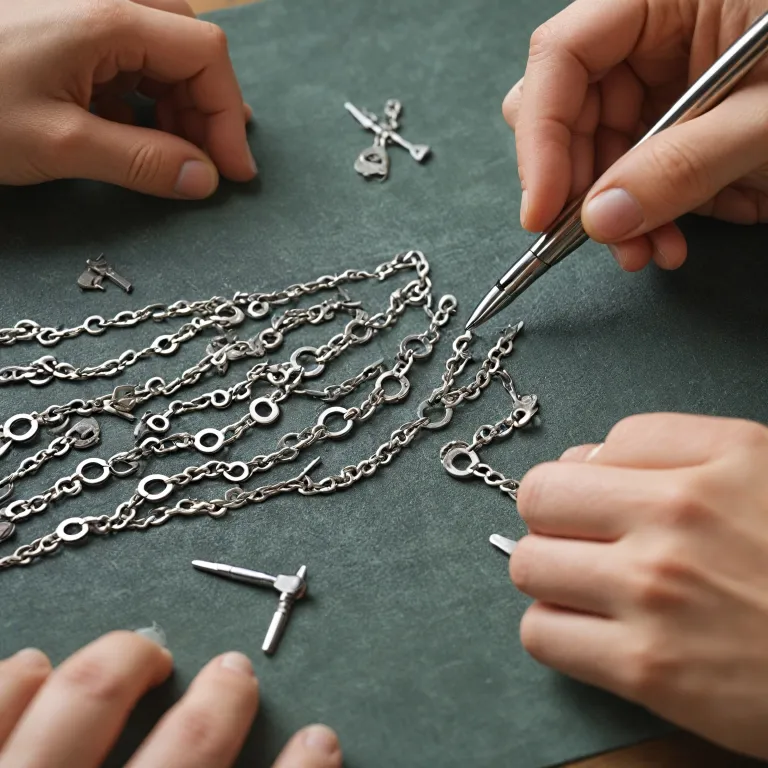
Understanding watch links and fitness tracker comfort
When people ask how do you take links out of a watch, they usually want a more comfortable fit for daily wear and fitness tracking. A loose metal watch or fitness tracker can misread heart rate, while a band that is too tight may affect skin comfort and long term adherence. The right watch bracelet adjustment supports accurate data and makes the device feel like a natural extension of your wrist.
Most modern watches and trackers use a modular bracelet or strap with a specific number links that can be shortened. Each watch link is held together by tiny pins or screws, and these pins must be removed carefully to avoid scratching the watch band or damaging the clasp. Understanding the different types watch bracelets, from classic pocket watch style chains to integrated metal watch bands, helps you choose the correct tools and method.
On many watches, arrows on the links side indicate where you should remove links for a perfect fit. These arrows show the direction in which each pin or pin pusher tool should push, so the links remove process stays controlled and safe. Before any link removal, place the watch strap flat on a soft cloth to protect the case and crystal.
For fitness trackers with a metal strap or hybrid analog smart models, the same principles apply to remove watch links. You still need to measure links, decide the number links to take out, and use a suitable link remover kit or manual tools. A regular user can learn to remove links at home, but patience and precision are essential for a perfect result.
Preparing your watch and tools for safe link removal
Before you remove links from a watch bracelet, assemble the correct tools and create a stable workspace. A basic remover kit usually includes a pin pusher, a small hammer, a block to hold the watch band, and spare pins. For people adjusting a fitness tracker with a metal watch strap, these same tools work well if used gently and methodically.
Place the watch on a non slip surface, ideally a folded cloth that protects both the case and bracelet. Check the links side for arrows that indicate how the pins should be removed, because pushing against these arrows can bend pins or scratch the watch links. If your band has no arrows, test one link carefully with a pin pusher tool and minimal force.
When planning how do you take links out of a watch, first wear the watch in its regular position and pinch the excess band. Count the number links that bunch together, then subtract one to avoid making the strap too tight on your wrist. This simple way to measure links helps you reach a perfect fit without repeated adjustments.
Keep all removed pins and links in a small container, because you may want to restore the original watch band length later. This is especially important if you change weight during a fitness program or alternate between wrist positions for different activities. If you are considering future upgrades or seasonal deals on trackers, reading about special savings on premium fitness bands can guide your long term accessory strategy.
Step by step method to remove watch links at home
To begin the link removal, place the watch bracelet in the holder block with the arrows pointing down. Align the pin pusher with the first pin you want to remove, then press or tap gently until the pin slides out from the links side. Repeat this process for each watch link you plan to shorten, keeping the pins straight and undamaged.
Once the pins are removed, separate the bracelet segments and set aside the extra links. Check that the remaining watch band sections line up cleanly, then reconnect them by reversing the pin direction and pushing the pins back into place. A dedicated link remover tool or remover kit can make this step easier, especially on thicker metal watch bracelets.
After you remove watch links, try the watch on again to confirm the perfect fit. The band should sit snugly above the wrist bone, allowing a finger to slide under the strap without resistance. If it feels too tight, reinsert one link and adjust the clasp micro settings instead of forcing more links remove steps.
People who use fitness trackers for sleep and recovery often alternate between different watches or bands. In that case, learning efficient link removal helps you adapt a watch strap for daytime office wear and a softer bracelet for night. Students and budget conscious athletes can also benefit from discounted membership options while still investing in a quality link remover kit.
Balancing aesthetics, price, and comfort in metal watch bands
When evaluating how do you take links out of a watch, you also weigh aesthetics, price, and long term comfort. A well proportioned metal strap can make even a simple fitness tracker look like a premium pocket watch inspired accessory. However, if the watch bracelet is not adjusted correctly, its visual appeal will not compensate for poor comfort or inaccurate sensor readings.
The price of a remover kit or professional adjustment is usually modest compared with the value of a quality watch band. Many regular users choose an affordable pin pusher tool and learn to manage link removal themselves, especially when they own several watches. This approach allows you to tailor each metal watch bracelet to a perfect fit without repeated service visits.
Different types watch bracelets respond differently to link removal, so always check the manufacturer guidance. Some links watch designs use collar systems inside the pins, while others rely on friction fit pins that must be pushed in a specific direction. If you feel unusual resistance during links remove steps, stop immediately and reassess the link removal method.
For style focused walkers who wear analog trackers, a carefully sized watch strap supports both elegance and accurate step counting. You can read more about how an analog watch with a step counter blends fashion and function for daily movement goals. In every case, the goal is a perfect fit that respects your wrist anatomy, activity level, and preferred price range.
Advanced tips for measuring links and avoiding common mistakes
Accurate sizing starts before any links are removed, with careful measurement and planning. Wear the watch in its regular position, then mark the place where the clasp should rest comfortably. Count the number links between that point and the current clasp position, then decide how many you will remove from each side.
To maintain symmetry, split the number links as evenly as possible between both sides of the watch bracelet. Removing all links from one side can shift the clasp off center, which feels awkward and may affect how a fitness tracker sits on the wrist. When you measure links, remember that even a single watch link can change the fit noticeably.
Use a proper pin pusher or link remover tool rather than improvised objects like needles or paperclips. These makeshift tools can bend pins, scratch the metal strap, or damage the watch strap holes, especially on delicate watches. A compact remover kit is usually inexpensive and will serve across multiple watches and bands.
After the links are removed and the pins reinserted, inspect each links side closely for gaps or misalignment. Gently flex the watch band to ensure all watch links move smoothly and no pin protrudes from the bracelet. For people who rotate between a pocket watch style chain and a modern metal watch tracker, consistent sizing habits reduce the risk of discomfort or accidental drops.
When to seek professional help and how fit affects fitness data
Even if you understand how do you take links out of a watch, there are times when professional help is wise. Very thin or high end metal watch bracelets may use complex pin systems that a regular link remover cannot handle safely. In such cases, a watchmaker can remove links, replace damaged pins, and ensure the watch band remains structurally sound.
For fitness trackers, the way a watch strap fits directly influences sensor accuracy and long term wearability. A band that is too loose may cause heart rate or step data to drift, while an overly tight bracelet can irritate the skin and reduce daily wearing time. Achieving a perfect fit through careful link removal supports more reliable health metrics and better training decisions.
If you notice that the watch links pinch hair or the clasp digs into the wrist, reassess the number links removed and the clasp micro adjustments. Sometimes adding back a single watch link and shortening the clasp setting yields a more balanced result. Always check that each pin pusher action has fully seated the pins, because partially inserted pins can work loose during vigorous exercise.
Over time, sweat and movement can slightly loosen a metal strap, so periodic inspections of the links side are helpful. Keep your remover kit accessible, along with spare pins, so you can quickly address any issues with your watches. Whether you wear a minimalist pocket watch style tracker or a robust metal watch for training, thoughtful link removal protects both comfort and device longevity.
Key statistics about watch fit and fitness tracking
- Up to 20 percent of wrist worn fitness devices show reduced heart rate accuracy when the band is either too loose or too tight.
- Users who adjust their watch bracelet to a comfortable, stable fit wear their devices on average 2 to 3 more hours per day.
- Professional watch sizing services typically remove or add links in less than 15 minutes for standard metal bracelets.
- Surveys indicate that more than half of new watch owners never adjust the original number links, even when the fit is suboptimal.
Common questions about removing links from a watch
How many links should I remove from my watch bracelet ?
The ideal number links to remove depends on your wrist circumference and the original band length. Start by pinching the excess band until the watch feels snug but not tight, then count those links and usually remove one fewer. Always split link removal between both sides of the clasp when possible, so the watch remains centered on your wrist.
Can I remove watch links without a dedicated tool ?
It is technically possible to remove links using improvised objects, but this approach carries a high risk of scratching the bracelet or bending pins. A small pin pusher or link remover kit is inexpensive and designed to apply straight, controlled pressure on the links side. Using proper tools protects both metal watch surfaces and the internal structure of the watch band.
Will removing links affect the value of my watch ?
Removing links in a reversible way does not usually reduce the value of most watches, provided you keep all removed links and pins. Collectors expect a watch bracelet to be adjustable, and they appreciate when the full set of original parts is included. Store extra links in a safe place, especially for higher price models or limited edition metal strap designs.
What if my watch uses screws instead of pins in the links ?
Some higher end watches and fitness hybrids use tiny screws instead of friction pins to hold each watch link. In that case, you need a precision screwdriver rather than a pin pusher, and you must work slowly to avoid stripping the screw heads. If you feel uncertain, a professional watchmaker can handle this type of link removal quickly and safely.
How tight should a fitness tracker or metal watch be on the wrist ?
A well sized watch strap should allow one finger to slide between the bracelet and your skin, without leaving deep marks after removal. This perfect fit keeps optical sensors in close contact while still permitting normal circulation and movement. If the watch rotates freely or feels constrictive during exercise, adjust the number links or clasp setting until the balance feels natural.
