Understanding what makes a multi sport tracker stand out
What Sets Multi-Sport Trackers Apart?
When searching for the best fitness tracker, it’s easy to get lost in the sea of watches, bands, and apps. Multi-sport trackers, though, are designed to go beyond basic step count and heart rate monitoring. They stand out by offering advanced tracking for a variety of activities—think running, cycling, swimming, and more. This versatility is key for anyone who enjoys mixing up their workouts or wants a single device to cover all their fitness needs.
Why Versatility Matters
Unlike single-sport devices, multi-sport trackers like the Garmin Forerunner, Apple Watch Ultra, and Fitbit Charge series adapt to different activities. Whether you’re tracking sleep, monitoring heart rate during HIIT, or using GPS for outdoor runs, these devices are built to handle it all. Features such as water resistance (often rated in ATM), multi band GPS, and robust battery life (sometimes lasting several days between charges) make them reliable companions for both casual and serious athletes.
Core Capabilities to Expect
- Activity recognition across multiple sports
- Accurate heart rate and sleep tracking
- Integrated GPS for precise distance and pace
- Durable design with water resistance for swimming
- Long battery life—some models like the Garmin Fenix or Whoop can last several life days on a single charge
- Seamless sync with a companion app for in-depth data analysis
Who Benefits Most?
If you’re someone who switches between running, cycling, gym sessions, and even swimming, a multi-sport tracker can simplify your routine. Brands like Apple, Fitbit, and Garmin have developed models—such as the Apple Watch, Fitbit Inspire, and Garmin Fenix—that cater to these needs. These devices often include features like water resistance and multi band GPS to ensure accuracy and durability across different environments.
For a deeper dive into how GPS watches and bracelets enhance multi-sport tracking, check out this guide on the benefits of a GPS tracking bracelet for fitness enthusiasts.
Key features to look for in the best multi sport trackers
Essential Elements for Multi-Sport Performance
When searching for the best fitness tracker to support a variety of activities, it’s important to focus on features that enhance both versatility and accuracy. Multi-sport watches, like the Garmin Forerunner, Apple Watch Ultra, and Fitbit Charge series, are designed to adapt to different workouts, from running and swimming to cycling and more. Here’s what to look for:
- Accurate GPS Tracking: Reliable GPS is a must for outdoor sports. Top GPS watches, such as the Garmin Fenix and Apple Watch, offer multi-band GPS for improved accuracy in challenging environments. This is especially valuable for trail running or cycling in dense areas.
- Battery Life: Consider how many days the tracker can last between charges. Devices like the Garmin Fenix and Fitbit Inspire are known for their extended battery life, sometimes lasting up to two weeks. If you train daily or do long events, battery performance is crucial.
- Heart Rate Monitoring: Continuous heart rate tracking helps you monitor intensity and recovery. Look for trackers with proven accuracy, such as the Whoop band or Apple Watch, which also offer advanced metrics like heart rate variability.
- Water Resistance: If you swim or train in wet conditions, check for water resistance ratings. Many fitness trackers now offer resistance ATM ratings, making them suitable for pool and open water activities.
- Activity and Sleep Tracking: Comprehensive activity tracking, including step count and sleep tracking, helps you understand your overall health. The Fitbit Inspire and Garmin Forerunner excel in these areas, providing detailed insights via their companion apps.
- App Ecosystem: A robust app can make a big difference in how you interact with your data. Apple, Fitbit, and Garmin all offer user-friendly apps that sync your workouts, sleep, and heart data, making it easier to spot trends and set goals.
- Durability and Comfort: Multi-sport watches should be comfortable for all-day wear and durable enough for tough workouts. Look for models with reinforced cases, scratch-resistant screens, and lightweight designs.
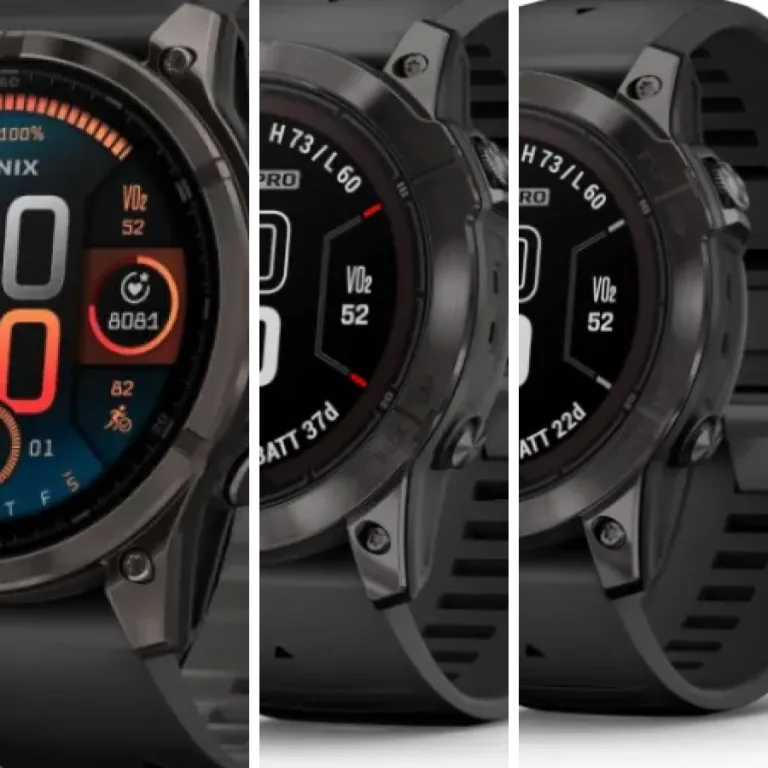
For a closer look at a top performer in this category, check out this in-depth review of the Garmin Fenix 7X Pro Sapphire Solar. It’s a great example of a multi-sport GPS smartwatch that balances battery life, tracking accuracy, and durability.
Choosing the right fitness tracker means balancing these features with your personal needs. Whether you prioritize battery life, GPS accuracy, or advanced heart rate monitoring, the best fitness trackers offer a blend of technology and comfort to support your active lifestyle.
Comparing popular multi sport tracker brands and models
How Leading Brands Stack Up
When it comes to choosing the best fitness tracker for multi-sport activities, several brands consistently lead the conversation. Each brings unique strengths, whether you’re focused on running, swimming, cycling, or a mix of activities. Here’s a closer look at how popular models compare in terms of tracking accuracy, battery life, and overall performance.| Brand & Model | Key Features | Battery Life (Days) | Water Resistance | Best For | Check Price |
|---|---|---|---|---|---|
| Apple Watch Ultra | Advanced GPS, multi band, heart rate, sleep tracking, robust app ecosystem | Up to 3 | WR100 (10 ATM) | All-round activity, running, triathlon | Apple |
| Garmin Fenix Series | Multi-sport modes, GPS watches, long battery, resistance ATM, accurate heart rate | Up to 18 | 10 ATM | Outdoor, endurance, multi-sport | Garmin |
| Garmin Forerunner | Running focus, GPS, step count, heart rate, sleep, app integration | Up to 14 | 5 ATM | Running, triathlon | Read best Forerunner comparison |
| Fitbit Charge Series | Activity tracking, sleep, heart rate, app, water resistance, accuracy | Up to 7 | 5 ATM | Everyday fitness, sleep tracking | Fitbit Charge |
| Fitbit Inspire Series | Step count, heart rate, sleep, lightweight, app, battery life | Up to 10 | 5 ATM | Basic activity, sleep tracking | Fitbit Inspire |
| Whoop Strap | Continuous heart rate, sleep, recovery, app, no display | Up to 5 | Water-resistant | Performance, recovery, sleep | Whoop |
| Withings ScanWatch | Hybrid watch, heart rate, sleep, activity, long battery, water resistance | Up to 30 | 5 ATM | Everyday health, sleep, style | Comprehensive look at the Withings watch |
What Sets Each Apart?
- Apple Watch Ultra stands out for its robust GPS and multi band tracking, making it a top pick for those who want the best fitness experience and seamless app integration. Battery life is shorter than some, but the feature set is unmatched for tech enthusiasts.
- Garmin Fenix and Garmin Forerunner models are favorites among endurance athletes. Their GPS accuracy, long battery life, and water resistance (up to 10 ATM) make them reliable for running, swimming, and multi-sport events.
- Fitbit Charge and Fitbit Inspire are ideal for users focused on daily activity, step count, and sleep tracking. They offer solid battery life and user-friendly apps, though they may lack some advanced multi-sport features.
- Whoop targets those who want deep insights into heart rate, recovery, and sleep, rather than a traditional watch interface. Its accuracy in tracking recovery metrics is a highlight, but it requires a subscription.
- Withings ScanWatch blends classic watch design with modern tracking, offering impressive battery life and essential health features. It’s a good choice for those who want style without sacrificing function.
Choosing the Right Model for You
It’s important to match your fitness tracker to your specific needs. Consider what matters most: GPS accuracy for running, battery life for long adventures, or advanced sleep tracking. Don’t forget to check water resistance ratings (ATM) if you plan to swim or train in wet conditions. For a deeper dive into hybrid options, explore this comprehensive look at the Withings watch. No single tracker is perfect for everyone. The best fitness tracker is the one that fits your lifestyle, supports your activity goals, and delivers reliable data day after day.How to match a tracker to your specific fitness goals
Finding the Right Tracker for Your Activities
Choosing the best fitness tracker or watch really depends on your unique fitness goals and daily routine. Not every device is built for every type of athlete or activity. For example, if running is your main focus, a GPS-enabled tracker like the Garmin Forerunner or Apple Watch Ultra offers accurate distance and pace tracking. If you’re more into multi-sport activities, such as swimming, cycling, and hiking, water resistance (measured in ATM) and multi band GPS become crucial features.
Aligning Features With Your Fitness Goals
- Running and Cardio: Look for watches with precise heart rate sensors, step count accuracy, and advanced GPS tracking. The Garmin Forerunner series and Apple Watch are popular for their reliable running metrics.
- Strength Training: Devices like the Fitbit Charge and Whoop focus on heart rate and activity tracking, helping you monitor intensity and recovery.
- Swimming: Water resistance is a must. Check for at least 5 ATM resistance for pool workouts. Garmin Fenix and Apple Watch Ultra are both rated for water activities.
- All-Day Activity: If you want to track steps, calories, and sleep, options like Fitbit Inspire and Fitbit Charge offer long battery life (up to several days) and easy-to-use apps.
- Outdoor Adventures: For hiking or trail running, GPS watches with multi band support, like the Garmin Fenix, provide the best accuracy and battery life for days on a single charge.
Consider Your Lifestyle and Preferences
Some people prefer a slim fitness tracker for comfort, while others want a full-featured smartwatch. Battery life is a big factor—if you don’t want to charge every night, look for models that last several days. Also, check compatibility with your phone’s app ecosystem. Apple Watch works seamlessly with iPhones, while Garmin and Fitbit offer strong Android and iOS support.
| Tracker | Best For | Battery Life (Days) | Water Resistance |
|---|---|---|---|
| Apple Watch Ultra | Multi-sport, running, swimming | Up to 3 | Up to 100m |
| Garmin Fenix | Outdoor, hiking, multi-sport | Up to 18 | 10 ATM |
| Fitbit Charge | All-day activity, sleep tracking | Up to 7 | 50m |
| Fitbit Inspire | Basic activity, step count | Up to 10 | 50m |
| Whoop | Heart rate, recovery | Up to 5 | Water-resistant |
Ultimately, the best fitness tracker is the one that fits your goals, lifestyle, and budget. Always check price, read best reviews, and consider how features like GPS, battery life, heart rate accuracy, and water resistance will support your fitness journey.
Tips for getting the most out of your multi sport tracker
Maximizing the Value of Your Multi-Sport Tracker
Getting the best out of your fitness tracker, whether it's a Garmin Forerunner, Apple Watch Ultra, Fitbit Charge, or Whoop, is all about understanding its features and how they fit your activity routine. Here are some practical tips to help you make the most of your device:
- Customize your settings: Adjust the tracking modes for your main sports, like running, cycling, or swimming. This ensures better accuracy in step count, heart rate, and GPS data.
- Monitor battery life: Many GPS watches and fitness trackers offer battery-saving modes. If you use features like continuous heart rate or sleep tracking, check how these impact battery life and charge your device regularly. Some models, like the Garmin Fenix or Fitbit Inspire, can last several days between charges.
- Use the app: Most trackers sync with a companion app. Dive into the analytics for insights on your activity, sleep, and heart rate. Apps from Apple, Garmin, and Fitbit can help you set goals and review your progress over days or weeks.
- Explore water resistance: If your tracker is rated for water resistance (for example, 5 ATM), don't hesitate to use it for swimming or in the rain. Just double-check the resistance rating before submerging.
- Update firmware: Brands like Garmin, Apple, and Fitbit regularly release updates to improve tracking accuracy and add features. Keeping your device up to date ensures you get the best performance.
- Set realistic goals: Use your tracker to set achievable targets for steps, activity minutes, or sleep. The best fitness trackers help you stay motivated with reminders and progress badges.
Small Habits for Big Results
- Wear your tracker consistently, especially during workouts and sleep, to improve data accuracy.
- Review your stats weekly to spot trends in heart rate, activity, and sleep tracking.
- Experiment with multi-band GPS modes if your watch supports it. This can enhance accuracy for outdoor activities.
When to Check Price or Upgrade
If you notice your current device struggling with battery life, GPS accuracy, or water resistance, it might be time to check price and consider an upgrade. Newer models like the Garmin Fenix, Apple Watch Ultra, or Fitbit Inspire offer improved features for multi-sport tracking and longer life days between charges.
Common challenges and troubleshooting with multi sport trackers
When Your Fitness Tracker Isn’t Syncing or Tracking
Even the best fitness trackers like the Apple Watch, Fitbit Charge, or Garmin Forerunner can run into issues. One of the most common problems is syncing errors between your watch and its app. If your activity, step count, or sleep tracking data isn’t showing up, try these steps:
- Restart both your fitness tracker and your phone
- Check that Bluetooth is enabled and the app is updated
- For GPS watches, make sure you’re outdoors and have a clear signal
- Reinstall the app if syncing still fails
Accuracy issues can also occur, especially with heart rate or step count. If you notice your heart rate or sleep data seems off, ensure your watch is snug on your wrist and the sensors are clean. Some models, like the Garmin Fenix or Apple Watch Ultra, offer multi band GPS for improved tracking, but even these can be affected by environmental factors.
Battery Life and Charging Concerns
Battery life is a top concern for many users. Watches like the Fitbit Inspire or Whoop are known for lasting several days, but features like GPS, heart rate monitoring, and always-on displays can drain the battery faster. If your device isn’t lasting as long as expected:
- Turn off features you don’t use, such as continuous heart rate or always-on display
- Lower the screen brightness
- Check for software updates that may improve battery performance
- Use battery saver modes if available
For multi sport trackers with solar charging, like some Garmin Fenix models, make sure the watch gets enough sunlight to maximize battery life days.
Water Resistance and Durability Issues
Most modern fitness trackers advertise water resistance, often rated in ATM. However, water resistance can degrade over time. If your watch fogs up or stops working after swimming, check the manufacturer’s guidelines. Not all watches are suitable for high-pressure water activities. Always check the resistance ATM rating before exposing your device to water.
App and Software Glitches
Sometimes, the app itself can cause problems, from inaccurate activity tracking to missing notifications. Make sure you’re running the latest version of the app and your device’s firmware. If problems persist, contact customer support for your brand—Apple, Fitbit, Garmin, or Whoop all have dedicated help resources.
Tips for Maintaining Accuracy
- Regularly clean the sensors on your fitness tracker
- Wear your watch correctly—snug but not too tight
- Update your personal info in the app for best fitness tracking results
- Calibrate GPS watches by walking or running in an open area
Staying proactive with maintenance and troubleshooting can help you get the most out of your fitness tracker, whether you’re using a Fitbit Charge, Garmin Forerunner, Apple Watch, or another model. If you’re comparing models for the best accuracy and battery life, always read best reviews and check price before making a decision.
